Circulose Appoints Interim CEO as Textile Recycling Plant Restarts
Chief financial officer Amanda Geijer will take over from Jonatan Janmark as the Swedish textile recycler resumes commercial-scale production.


France is pressing ahead with a ‘game-changing’ bill that would impose a ‘sin tax’-style penalty on fast-fashion products as high as €10 per item by 2030.

In the weeks since one of the industry’s most promising recycling start-ups filed for bankruptcy, big brands have put more money and more commitment into bringing innovations to market.

Thirty years of providing the world’s finest wool to the fashion house Loro Piana has done almost nothing for the Indigenous people of the Peruvian Andes.

The fast-fashion giant has joined Vargas and TPG to back a new polyester recycling venture following its failed bet on Renewcell.

Meeting the industry’s emissions targets will require more collective action and new financing models, according to a new report by leading manufacturers.

The ‘instant fashion’ juggernaut’s explosive growth is attracting imitators. But keeping up with Shein’s relentless churn puts the industry on a perilous course when it comes to sustainability, writes Kenneth P. Pucker.

LVMH and Kering wrote down billions of dollars of unsold inventory last year. What to do with it has become an increasingly complex challenge.

The Swedish company was at the forefront of efforts to scale up supply of more sustainable materials. It filed for bankruptcy on Sunday.

The Swedish textile recycler said it was unable to secure sufficient long-term funds to continue operations.

A landmark piece of legislation designed to make companies accountable for labour abuses and environmental damage in their supply chains has faltered, reflecting growing political opposition to more onerous climate rules.

The Worker Rights Consortium says that garment workers have been denied billions of pounds of legally mandated severance pay after being sacked or losing their jobs due to brands cancelling orders or factory closures.
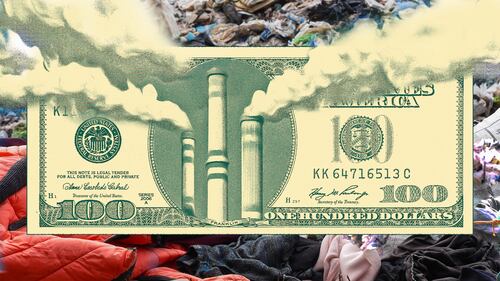
Decarbonising the industry is expected to take $1 trillion over the coming decades. Where that money will come from and how it’s distributed remain open questions.
Chief financial officer Amanda Geijer will take over from Jonatan Janmark as the Swedish textile recycler resumes commercial-scale production.
A new analysis of eight widely used cosmetics ingredients by Verisk Maplecroft found widespread exposure to child and forced labour risks, with palm oil, cocoa and shea nuts among the most problematic commodities.
Global environmental non-profit The Nature Conservancy has launched a new industry coalition to help apparel companies tackle microfibre pollution across their supply chains.
The new initiative will explore how the industry can take responsibility for the millions of used and unsold garments exported to secondhand markets around the world.
Planet-warming emissions associated with the raw materials used to make fashion, footwear and home textiles have risen 30 percent since 2019, according to a new report.
Investments to reduce heat stress for garment factory workers can pay for themselves within four years, a new report from Cornell University's Global Labor Institute finds.
Greenhouse gas emissions rose in 2023 and 2024, due in part to increased global production of fibre, especially polyester, according to a new report by the Apparel Impact Institute.
Lululemon and apparel manufacturer MAS Holdings are among the investors backing the French startup as it scales a proprietary process for recycling nylon from mixed-textile waste.