Estée Lauder Raises Outlook, Buoyed by Perfume Demand
Demand for the US conglomerate’s luxury fragrance brands like Le Labo, Tom Ford and By Kilian offset weaker performance from its makeup and haircare divisions.

ModiFace, the beauty tech firm that the cosmetics group acquired in March, has paired with Facebook to develop AR experiences on the platform for L'Oréal brands.

Retail may be in flux, but beauty customers are still buying big at physical stores. Sarah Brown examines how beauty's savviest brands keep shoppers shopping.

This week on Inside Fashion, Kim Kardashian and Kris Jenner speak about working together as a family and turning influence into a multi-million dollar business.

Long-dominant beauty behemoths are facing a new generation of clever start-ups reinventing the game.

Its first foray into a physical store is aimed at establishing its reputation in beauty by hosting makeup masterclasses and exclusive product launches.
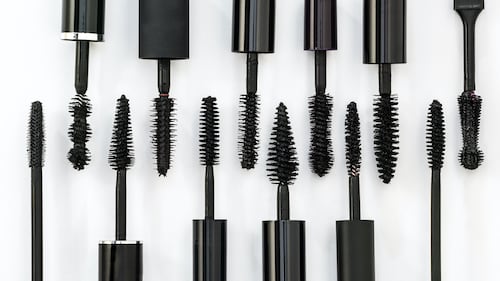
Buzzy brands like Fenty Beauty, Kylie Cosmetics and Anastasia Beverly Hills don’t sell mascara — a sign it may be losing ground as a beauty staple.

A new breed of buzzy beauty brands are using social media to drive rapid growth. But can they credibly command technology-style valuations?
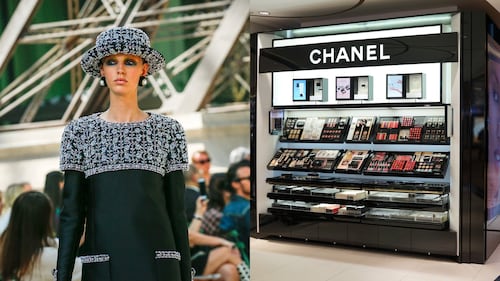
Chanel is simultaneously among the most exclusive and most accessible luxury fashion labels of all, a strategy that has made it by far the world’s largest luxury megabrand in retail equivalent terms.

This Monday, everyone will be talking about Amazon and Nordstrom's biggest sales of the year, Anna Wintour's Air Jordans and Kylie Cosmetics' eye-popping valuation. Read our Cheat Sheet.

This week, anti-pollution skincare is said to be unaffordable to those who need it most, while ASOS launches a sustainability training programme for designers.

The cosmetics brand, acquired by Macy’s for $210 million in 2015, has become a key part of the department store’s strategy to defend itself from online competitors and the rise of chains such as Ulta and Sephora.
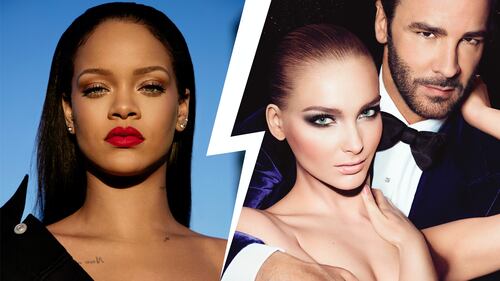
Beauty’s symbiotic relationship with fashion, often sealed in lucrative licensing deals, is under pressure from popular indie brands and influencer-affiliated beauty lines, but the model is far from dead.
Demand for the US conglomerate’s luxury fragrance brands like Le Labo, Tom Ford and By Kilian offset weaker performance from its makeup and haircare divisions.
Former Kiehl’s general manager John Reed will lead the label, which was acquired by Roundtable Healthcare Partners earlier this year.
The Chinese beauty conglomerate’s revenue grew 29.8 percent in the latest quarter, but its profit decreased by double digits due to increased promotional expenses as it expands overseas.
Chasity Monroe has been appointed as the label’s chief executive as it undergoes a wider brand refresh.
The Korean firm and Medicube owner reported third quarter revenue growth of over 100 percent, mostly attributed to the expansion of its skincare range into new markets, channels and product categories.
Celebrity-makeup artist Ash K. Holm will join the “smart” mirror brand for a year-long partnership focusing on guidance and education.
Revenue growth outpaced the previous quarter in the Korean conglomerate’s domestic market, but slowed internationally.
Eli Lilly & Co. raised its full-year sales forecast as demand for its blockbuster obesity and diabetes drugs continues to surge, giving the drugmaker more momentum as it expands into pills and develops even more powerful weight-loss treatments.