BoF Logo

Agenda-setting intelligence, analysis and advice for the global fashion community.

The Debrief | Fashion’s Ozempic Reckoning

As GLP-1 drugs reshape consumers’ bodies at unprecedented scale, BoF’s Diana Pearl and Brennan Kilbane examine how fashion and beauty brands are adapting to a profound shift in size, fit and appearance.
The rise of GLP–1 drugs is forcing fashion and beauty companies to rethink everything from sizing and fit to product development.
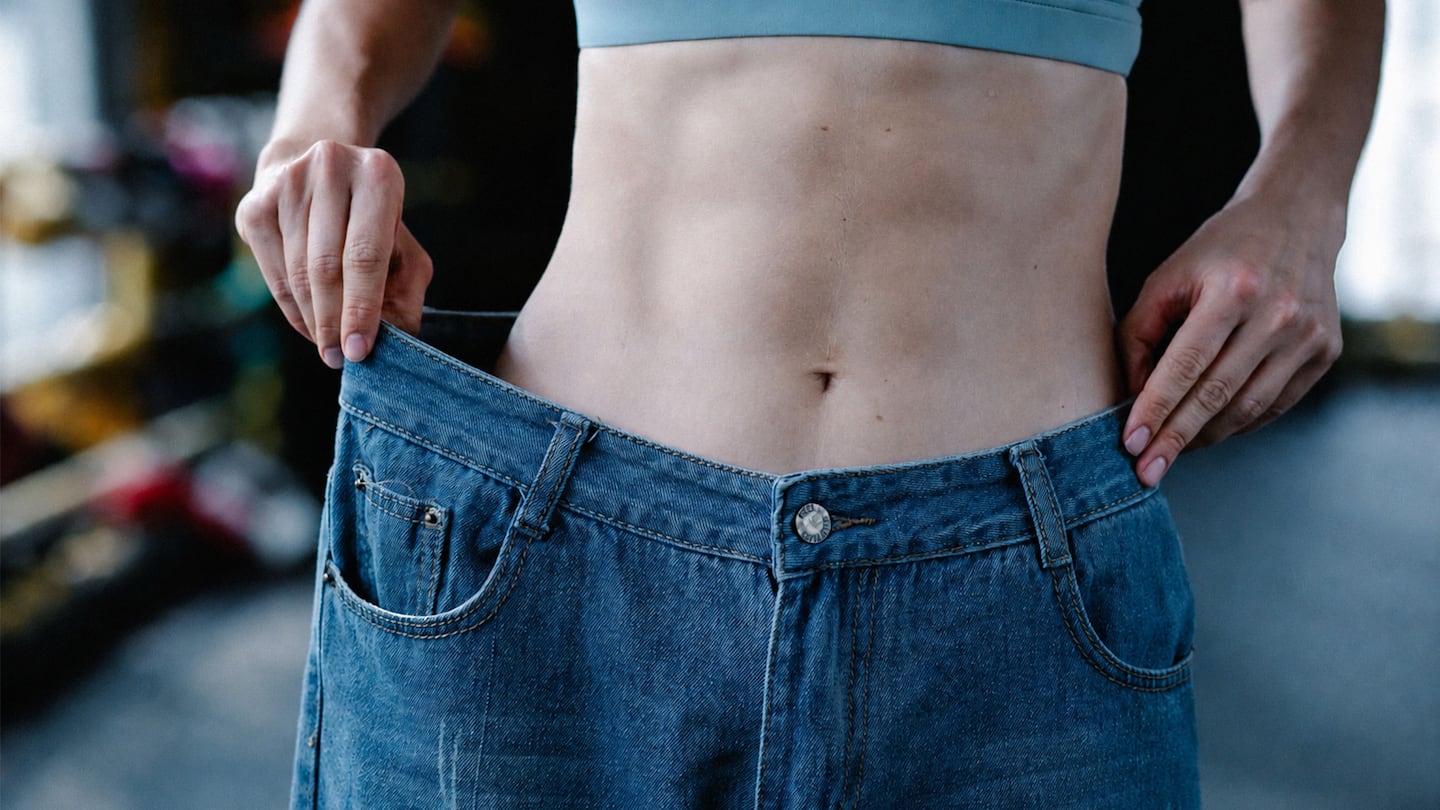
The rise of GLP–1 drugs is forcing fashion and beauty companies to rethink everything from sizing and fit to product development. (Pexels)
The author has shared a Podcast.You will need to accept and consent to the use of cookies and similar technologies by our third-party partners (including: YouTube, Instagram or Twitter), in order to view embedded content in this article and others you may visit in future.

Listen to and follow “The Debrief”: Apple Podcasts | Spotify | Overcast

Background:

The rise of GLP–1 drugs, such as Ozempic and Wegovy, is forcing fashion and beauty companies to rethink everything from sizing and fit to product development. With one in eight Americans having tried a GLP–1 medication, brands are grappling with how to serve consumers whose bodies may be changing more rapidly than traditional product cycles were designed to accommodate.

In this episode of The Debrief, senior correspondent Sheena Butler-Young sits down with BoF senior news and features editor Diana Pearl and The Business of Beauty news and features editor Brennan Kilbane to discuss how fashion and beauty brands are responding to the GLP-1 boom — and why the industry’s apparent willingness to adapt to these consumers is raising difficult questions about its long history with size inclusivity.

Key Insights:

  • GLP-1s have turned into a fashion infrastructure problem: GLP-1 drugs are creating a new kind of consumer need — not just smaller sizes, but clothes and products that can accommodate rapid physical change. For fashion, this exposes the limits of systems built around relatively stable bodies, from fit models to inventory planning to alterations. As Pearl puts it, the industry may be talking more openly about fit, but real change will be slow because the underlying systems are deeply entrenched. “I don’t think it’s going to be a change that happens overnight or even in the next few months,” she says. “This is something that’s going to take years to fully address.”
  • The best brand responses meet customers where they are: Brands such as Soma offer one model for how to respond: create products for bodies in transition without framing that change as something to fix. Pearl says that approach works because it centres practical need rather than aspiration or shame. “It’s really just making it about: ‘okay, your life has changed, your body has changed, let’s meet you where you are,’” she says. Kilbane adds, “It’s possible that we’re going to continue to see more people fluctuating in their weight and it’s quite forward-thinking for a fashion brand to accommodate that changing body.”
  • Beauty is already speaking more directly to the GLP-1 consumer: Beauty and wellness brands are moving faster than fashion in addressing the physical effects of rapid weight loss, from skin laxity to changes in facial volume. According to Kilbane, the category has to have a clearer product rationale for entering the conversation and respond to specific consumer concerns with products and treatments that feel practical. As Kilbane says, “I’ve talked to a lot of plastic surgeons and dermatologists and even some skincare executives. There are things that happen to your skin when you take these medicines,” he says. “I think especially beauty and wellness brands do need to talk to this customer differently, because they are going through a different transformation.”
  • Fashion’s unresolved relationship with thinness: The GLP-1 conversation has provoked scepticism as plus-size consumers have long argued that fashion sizing is broken, yet the industry appears more willing to change when bodies are getting smaller. For Kilbane, this criticism is fair: “It’s hard to not see any of this as the fashion industry’s excuse to champion thinness once again,” he says. Pearl adds that the debate cannot be separated from fashion’s deeper history of exclusion. “On the surface, it’s about sizing, but you can’t talk about what’s going on and not talk about fashion’s history of championing thinness,” she says.

Additional Resources:

© 2026 The Business of Fashion. All rights reserved. For more information read our Terms & Conditions

Loading recommended reads…

Latest News & Analysis
Unrivalled, world class journalism across fashion, luxury and beauty industries.

Can Jonathan Saunders Spark a Kate Spade Revival?

Saunders, the brand’s first creative director in five years and a skilled colourist, promises to give Kate Spade the clarity it has long lacked. Now, Tapestry must apply the same long-term brand-building discipline that fueled Coach’s success.


VIEW MORE
Agenda-setting intelligence, analysis and advice for the global fashion community.
CONNECT WITH US ON
The State of Fashion - Face to Face with Luxury Clients - Discover what luxury clients want today