Agenda-setting intelligence, analysis and advice for the global fashion community.
Agenda-setting intelligence, analysis and advice for the global fashion community.

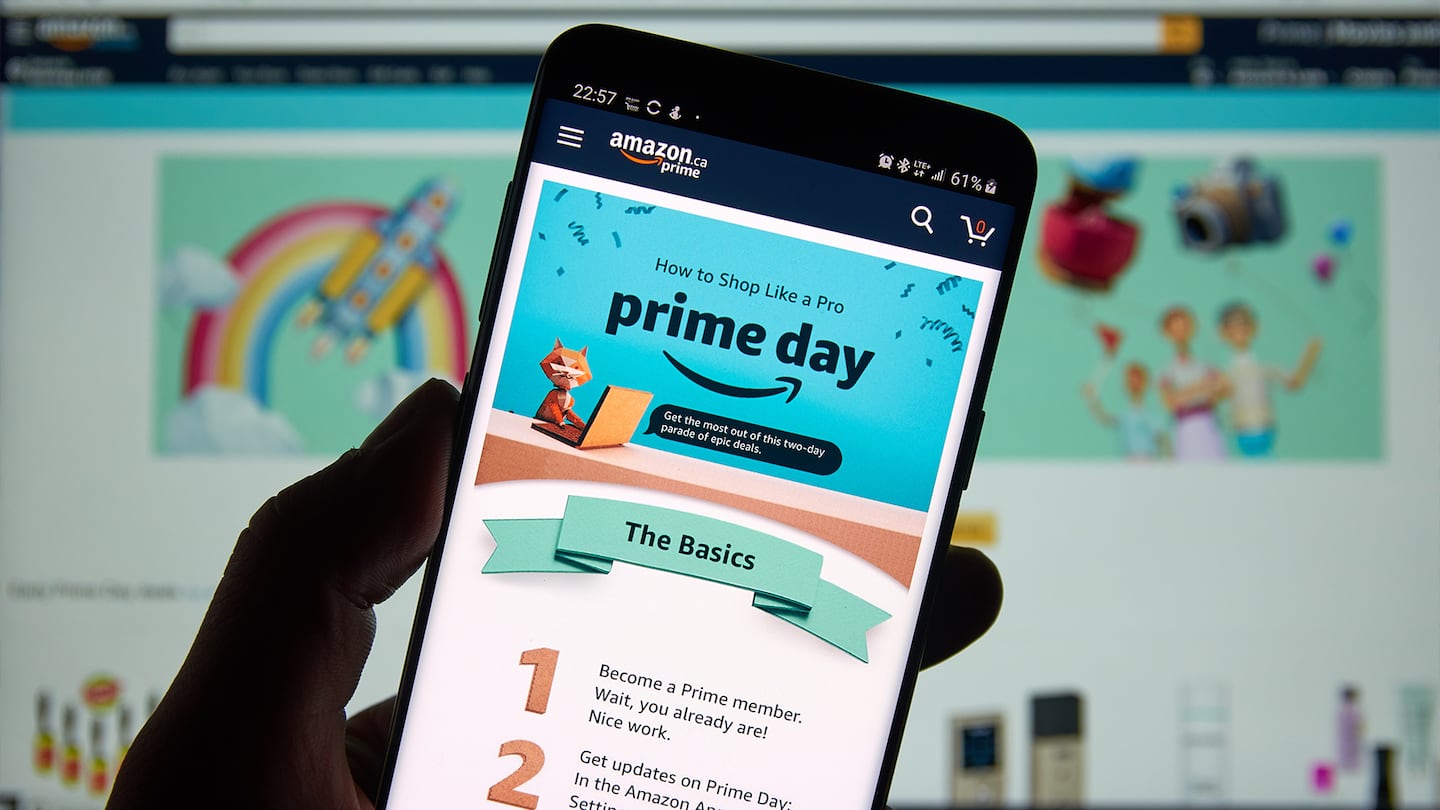
US online shoppers clawed for deals on electronics, appliances, items for children and everyday essentials during Amazon.com’s annual sales event Prime Day, spending more than $26.4 billion from June 23 through June 26, according to data firm Adobe Analytics.
The multibillion-dollar spend marks a 9.3 percent year-over-year increase that retail experts attribute to high inflation coupled with shoppers’ purchasing of more discretionary, long-lasting products.
Adobe said that strong discounts during the four-day Prime event drove many shoppers to purchase higher-priced items including electronics, toys, appliances and personal care products, meaning that retailers may have to continue offering deep discounts to get their products off the shelves for the holiday season.
In addition to discounts, tax refunds “could have provided a sizable tailwind to a lot of these discretionary categories,” CFRA research analyst Arun Sundaram said. Tax refunds will not be a factor for most shoppers in the fall and winter months.
ADVERTISEMENT
Tax refund amounts increased 11.1 percent to $3,462 in 2026, according to data from the US Internal Revenue Service, giving shoppers a financial boost to help with purchases they had been holding off on, Sundaram said.
Shoppers also purchased kids’ items and apparel ahead of back-to-school season, personal hygiene products and home goods, signalling that the Prime Day customers aimed to stock up on products “that they were going to buy anyway,” Sonia Lapinsky, managing director of retail at consultancy Alix Partners, said.
“It’s really pointing to that fatigued consumer. They’re not necessarily spending more - they’re just trying to spread what they have over better deals and discounts,” she said.
Prime Day deals were on par with last year’s discounts, according to Adobe. Discounts for electronics averaged 24 percent compared to last year’s discounts of 23 percent, apparel at 24 percent compared to 23 percent and toys at 20 percent versus last year’s 19 percent.
A separate survey by data firm Numerator, which tracked more than 178,000 Prime Day orders, showed that the average order size was $47.66, down from $53.34, a signal that some experts say shows that consumer strength is waning.
By Arriana McLymore
Learn more:
Amazon Prime Day Sales Plunge 41% in First Day of Four-Day Event
The annual event has emerged as a bellwether of consumer sentiment since President Donald Trump’s trade war clouded the economic outlook.
Loading recommended reads…
Chanel’s surging sales underscore that the luxury industry’s challenges may be less about demand than desirability.
Chris Green joins Imran Amed to explain how his self-funded Brooklyn menswear store earned a place among the world's best fashion stores — by staying off the internet and betting everything on how it feels to walk in the door.
Global editorial director Steff Yotka will succeed Bettridge, who is leaving to focus on his creative studio Content World.
Kith's new collaboration with Salomon on the XT-Evo is the latest example of the way footwear companies are leveraging influential outside partners to help them debut their newest shoes or even co-design entirely new styles.