Agenda-setting intelligence, analysis and advice for the global fashion community.
Agenda-setting intelligence, analysis and advice for the global fashion community.

Interviews and views on creativity and business in the world of luxury writ large — from fashion and watches to art, wellness, travel and more — from our chief luxury correspondent in Paris.
Hello from Paris, where the holiday shopping season hasn’t exactly kicked into high gear. A spate of smash-and-grab lootings of the city’s luxury boutiques continues to take its toll, with concerns about civil unrest dampening forecasts for 4Q. As of Nov. 15, reservations for Christmas week at high-end Paris hotels were down 10 percent year-on-year, according to MKG.
BoF’s luxury team is getting ready for a busy week ahead: Keep an eye out for coverage of our annual BoF VOICES gathering in Oxfordshire, where speakers will include Dario Vitale, Luca de Meo and Sidney Toledano. We’ll divide and conquer for two French couture giants’ pre-fall shows: Angelo Flaccavento is headed to Rome for Chanel Métiers d’Art, while I’m off to Dublin for Dior.
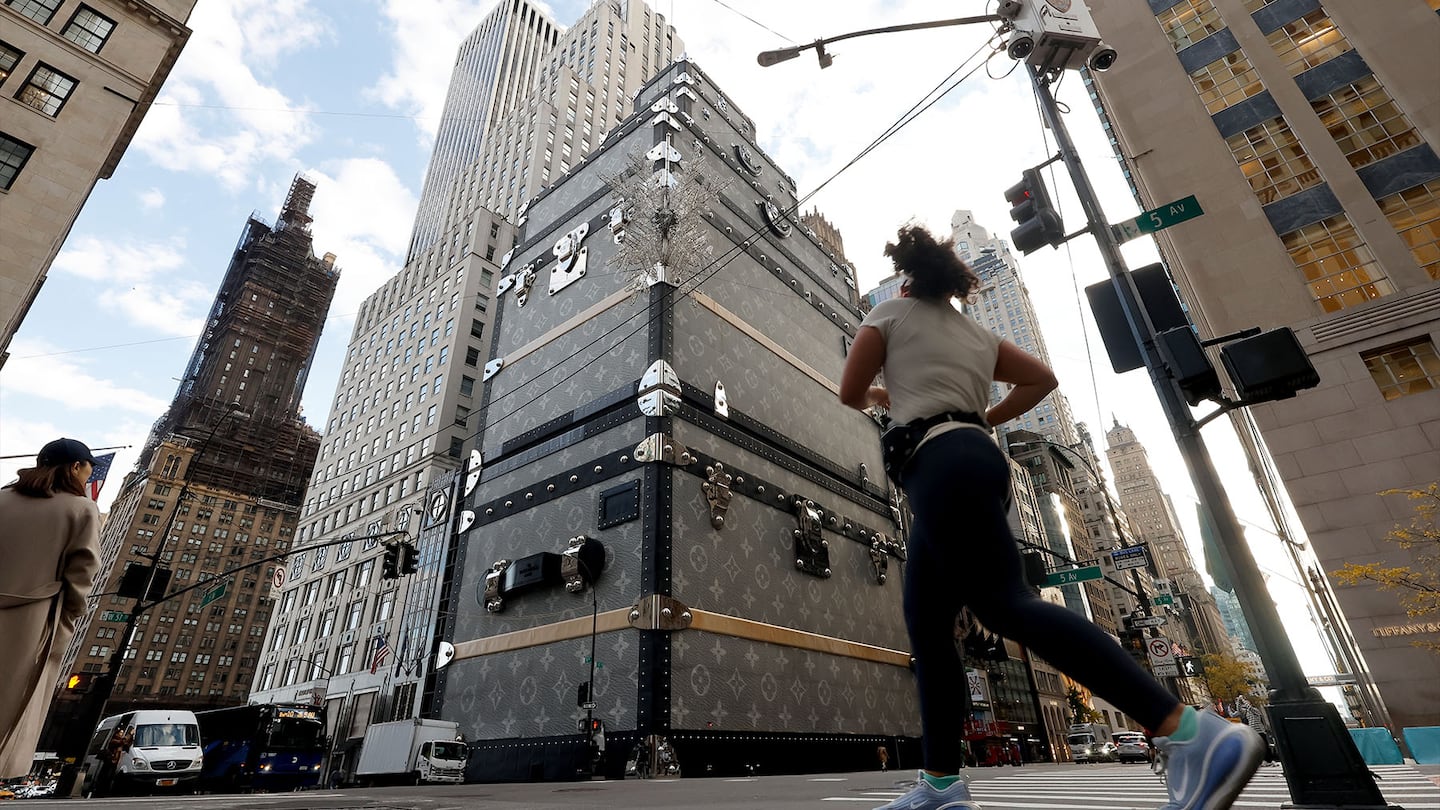
In the meantime, I’ve been spending quite a bit of time thinking and talking about Louis Vuitton — luxury’s biggest and most profitable brand, which is facing a prolonged slowdown for the first time in over 35 years. You may have seen my report on Tuesday: “Have We Reached Peak Louis Vuitton?”
On the one hand, Louis Vuitton has everything it takes to bounce back from its current slump. It’s a beloved brand with unparalleled awareness, unrivalled resources (even after three years of falling sales, it does almost €20 billion in turnover), iconic products and a brand territory that seems to offer infinite possibilities: travel. Its all-retail, all-full-price distribution model gives it complete control over pricing and how the brand appears to customers in stores (excluding the burgeoning resale and vintage market, that is).
ADVERTISEMENT
On the other hand, a rebound could require deep changes to its organisation, assortment and image. Vuitton has long benefited from a highly stable message and merchandising, both of which transcended the point of view of any one creative director. But in a fashion market that prizes credibility — not just visibility — the manifold creations of Vuitton’s army of merchandisers and marketeers don’t seem to resonate like they used to. The brand may not have a creative director problem, but it certainly has a creative director opportunity: unifying its output behind a fresh creative voice (or voices) would make the brand seem more authored, more special, more emotionally resonant.
I wasn’t able to confirm that LVMH has reached out to Hedi Slimane about leading its biggest brand. Some very credible people believe some talks have occurred despite the French group’s denial. Others insist Slimane and his inner circle would never let that cat out of the bag. Other trusted brand stewards in LVMH’s ranks whose names keep coming up include Jonathan Anderson and Michael Rider.
In any case, the enthusiasm with which this chatter has spread in recent weeks, and how seriously it’s being taken — despite current womenswear chief Nicolas Ghesquière still having two years left on his contract — suggests the market wants it to be true.
Hiring musician, producer and entrepreneur Pharrell Williams as menswear artistic director in 2023 helped to follow up Virgil Abloh’s cultural impact. But the decision underscores how much the company has moved away from authored, authoritative design.
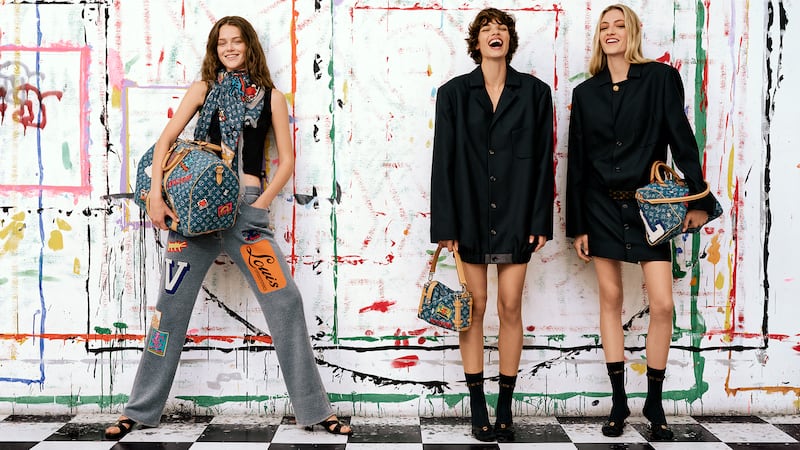
Then there are initiatives like a recent collaboration with the Keith Haring Foundation — ostensibly a tie-in with Ghesquière’s 2027 cruise show in New York City, but it comes across as contrived, a bit random even.
A fresh, unified perspective on branding and design could revive Louis Vuitton’s desirability and cultural impact. How soon would sales follow?
The conventional wisdom is that in fashion, you grow or you die. But the past few years’ slowdown has exposed the fact that a virtuous cycle of ever-expanding market share can only take Vuitton so far. With an operating margin approaching 50 percent, Vuitton can still afford to spend quite a lot of time renovating its foundations — refocusing its overarching brand message, innovating in the core category of travel, and making sure its business is driven by relevant, credible products at the right prices — before returning to top-line growth through volume and price increases.
The work is already getting started as Louis Vuitton refocuses its campaigns on travel and retools its product assortment. It’s updated its menswear silhouette via the LV Trunk Edition capsule and pushed less bombastic, monogram-light options in women’s handbags, like the LV Express.
ADVERTISEMENT
A continued focus on salience rather than scale could be the most interesting version of “Peak Vuitton.”
Read the full story here:
Have We Reached Peak Louis Vuitton?
LVMH is struggling to map out a new cycle of growth at its biggest and most profitable brand amid changing tastes, macroeconomic headwinds and a leadership transition.
Disclosure: LVMH is part of a group of investors who, together, hold a minority interest in The Business of Fashion. All investors have signed shareholders’ documentation guaranteeing BoF’s complete editorial independence.
Loading recommended reads…
The world’s biggest luxury brand is at a creative and commercial crossroads. A more unified, authored approach could reignite desirability, Robert Williams writes.
The ultra-fast fashion player’s 2025 relaunch with Mukesh Ambani’s Reliance Industries as its local partner has faced challenges gathering momentum.
At a BoF Professional breakfast in New York, US editor Diana Pearl and senior correspondent Sheena Butler-Young joined BoF’s Yasmine Dahlberg to unpack the year’s biggest stories, from American fashion’s resurgence to GLP-1s, dupes and AI, and what they signal for fashion and beauty brands heading into next year.
As sexy makes a comeback, underwear brands are navigating a new set of expectations, trading prescriptive messaging about body confidence for a renewed focus on fit, comfort and desire.