Agenda-setting intelligence, analysis and advice for the global fashion community.
Agenda-setting intelligence, analysis and advice for the global fashion community.

Subscribe to High Margin by Robert Williams: perspectives on creativity and business in the world of luxury.
Hello from above the Alps. I’m on a flight to Rome, where Valentino is set to close out fashion month with a runway show in the Palazzo Barberini museum. The evening promises to be sumptuous. Since Alessandro Michele joined Valentino two years ago, the brand’s ateliers have been working wonders to bring his opulent fantasies to life.
Back in Paris, the Chanel flagship has been mobbed. You’ve likely seen the posts, and the posts decoding the posts: fashion editors, stylists and influencers have been spending a lot of their own money on Matthieu Blazy’s first collection, a significant vote of confidence for Chanel’s reboot.
That got me marvelling at how quickly the stink over staggering luxury prices can all but blow away once a brand manages to make its products feel “worth it” again. Chanel may have been the first to “rebalance the value equation” (as my editor Vikram likes to put it). Blazy’s woman is distinguished, modern and self-assured. Importantly, she’s made of real, saleable products — items that feel unique, but are mostly pretty easy to wear. Reinforcing the craft dimension (or at least rendering it more visible) has made Chanel’s ready-to-wear and shoes feel more precious, but they are also relatable. The way these clothes have been designed to fit into a woman’s life make five-figure jackets an easier sell.
ADVERTISEMENT
Tastemakers at Paris Fashion Week are a small, highly engaged subset, and it remains to be proven that their enthusiasm will be matched in the wider market. But for the moment I’m feeling bullish on Chanel.
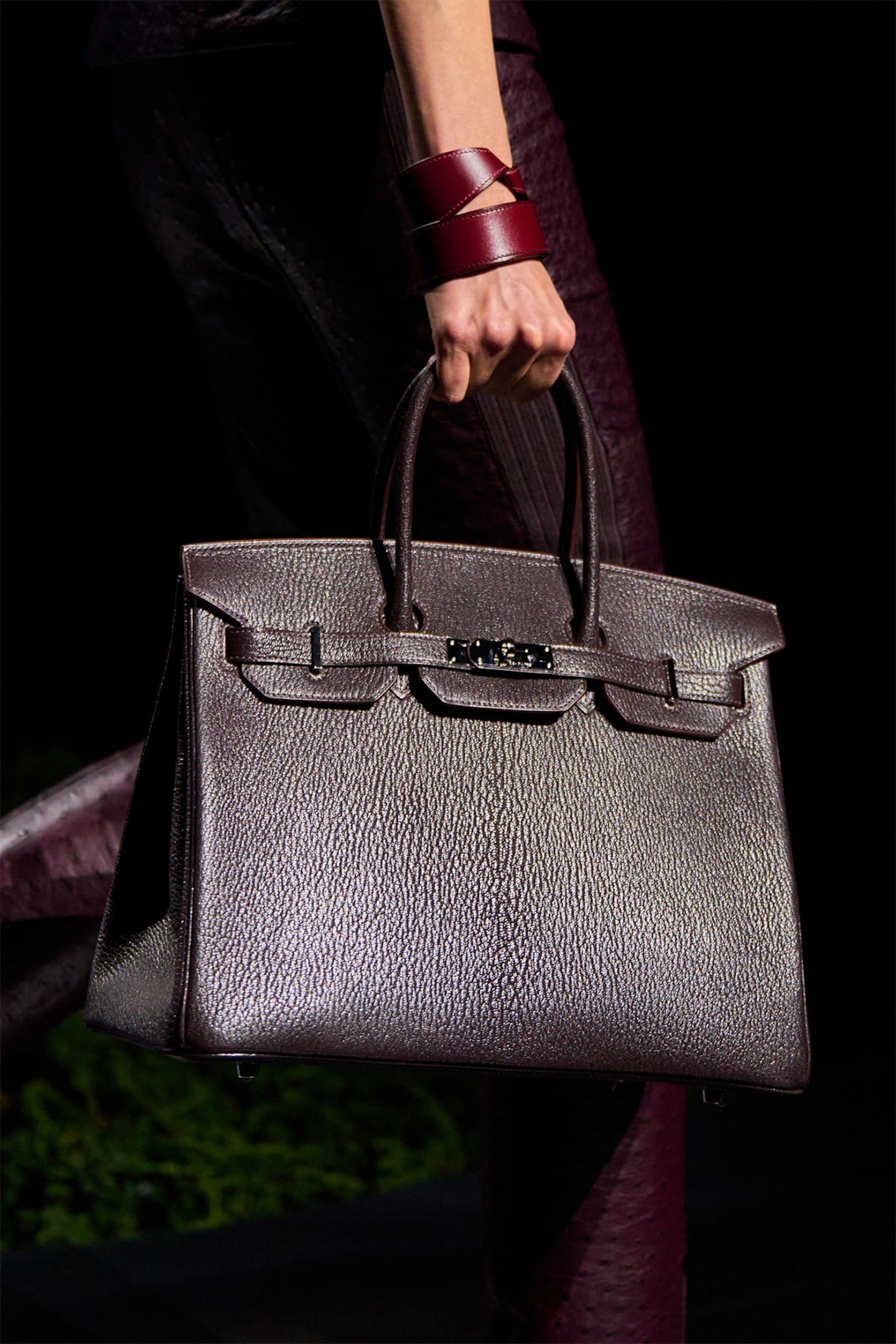
All the enthusiasm for Chanel’s first runway drop has me wondering: As rival brands across the industry retool their design and strategies, can Hermès still hold onto its crown as luxury’s hottest company?
It’s odd to think of Hermès as trendy, seeing as they didn’t really do anything to become trendy. Sure, womenswear creative director Nadège Vanhee has refined her sporty, at-times subversive, body conscious-yet-conservative take on the brand. Footwear and jewellery designer Pierre Hardy has put out some crowd-pleasing Kelly-lock clogs and loafers. But mostly the brand has stuck to its established strategy of steady, controlled growth at a time when most everyone else in luxury was headed full-speed into the wall, thanks to logo fatigue, over-production, oversaturated marketing, punchy price hikes, quality issues and labour scandals.
Hermès emerged as a last bastion of quality, rarity and value-for-money. They’ve been hoovering up market share: Over the past three years, Hermès grew revenues 38 percent, while Kering reported a cumulative decline of 28 percent and LVMH registered a 2 percent slide.
At the brand’s newfound scale, there are some questions as to how it will maintain its appeal. Its positioning as a more discreet, logo-free alternative to other luxury brands is being undermined as its flagship products become broadly recognisable — ubiquitous even, in certain cities or corners of social media.
UBS analyst Zuzanna Pusz put it simply when downgrading the bank’s rating on the stock last year (from outperform to neutral): “One bag too many,” the report was titled. “We increasingly worry that this newly achieved scale, especially in leather goods, may be making the brand potentially more ubiquitous and in the long-term more cyclical.”
The share of Chinese clients who said it was their top favourite luxury brand declined by 7 percentage points, from 29 to 22 percent, according to a UBS client survey last summer.
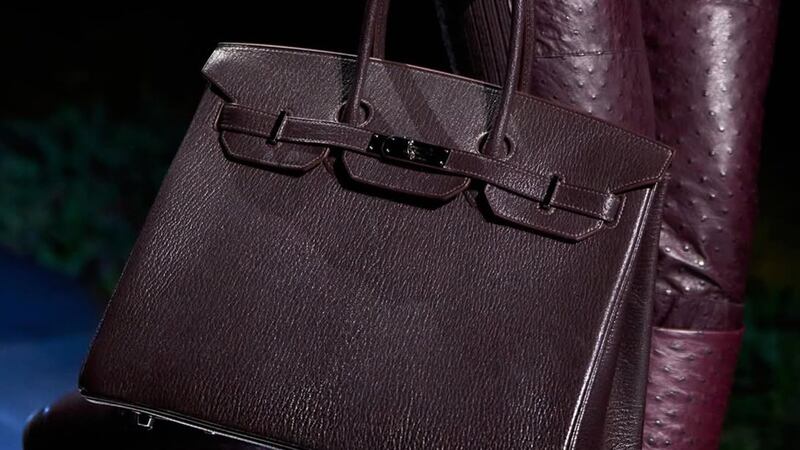
While Birkin and Kelly bags remain perpetually sold out in stores, the premium buyers are willing to pay in the secondary market appears to be shrinking. Average Birkin and Kelly prices were 1.4 times retail in the final quarter of 2025, compared to selling for around 2x retail for much of 2021 and 2022, according to a Feb. 16 report from Bernstein.
ADVERTISEMENT
Resale experts say that multiple is buoyed by higher premiums for Mini Kellys, precious skins and other collectible models, while the premium has all but evaporated when you isolate the standard Birkin 30 in Togo leather. Those bags sold for an average of 1x retail in the second half of 2025, compared to 1.3x in the first half, Bernstein says.
Meanwhile, abundant tutorials on YouTube and TikTok, as well as some customer lawsuits (lost, but repeatedly back in the news as the plaintiffs appealed) have shone an unflattering light on the brand’s alleged sales tactics. Hermès was long thought to be hand-selecting buyers for its Birkin and Kelly bags, assessing whether a customer deserved one of the iconic styles through a series of mysterious hazing rituals. Now the process has been demystified and is seen as more and more transactional: “Spend X amount of money on other goods — especially other goods your sales associate suggests — and you’ll get the bag,” the prevailing wisdom now goes. (The brand denies that the requirement to buy other goods is a policy, but acknowledges that its sales associates are empowered to vet buyers and prevent offering bags to resellers.)
Nothing has changed about the exclusive price point or quality of Birkin or Kelly bags. But wearing those styles has begun to feel like a signal of mainstream taste and brand obedience — an unquestioning willingness to play the “Hermès game”— where it used to more clearly signal style, access and discernment.
The continued success of Balenciaga’s $3,800 Rodeo bag — an ultra-classic top-handle style that feels loosely inspired by the $10,000 Kelly Retourné — is another hint. Some people who could probably afford Hermès choose the Balenciaga option: signaling that there’s a demand for Hermès’ functionality and style without the cultural baggage.
To be sure, respect and demand for Hermès’ unique style ethos and quality promise remain very high. Sentiment of posts about the brand on social media remains overwhelmingly favourable, at 90 percent positive posts according to Quilt.ai and BoF Insights’ Brand Pulse tool.
The brand won’t stop selling out its Birkin and Kelly bags any time soon. Analysts who have raised concerns about the stock aren’t suggesting it’s about to go over a cliff, but rather that the company could struggle to live up to its own very high bar. Shares trade for more than 45 times earnings, compared to 23 times earnings at LVMH.
Still, declining resale multiples could erode Hermès’ ability to push other categories without buyers defecting to the secondary market.
I’m interested to see what the brand will do to reclaim the narrative. Its own campaigns and communications are among the most respected in the industry — and totally unique — but it’s hard to compete for traction online against unfiltered commentary from the brand’s own customers, as well as with the efforts of rival brands which have relaunched their creative visions over the past year.
ADVERTISEMENT
“Failure to convincingly innovate could push Hermès in a ‘classic corner’: a possible risk if the aesthetics pendulum swings away from quiet luxury,” Bernstein analyst Luca Solca wrote in his recent resale report. Chanel and Dior both garnered more than twice as much online buzz as Hermès in recent months, Launchmetrics estimates. The volume of buzz for Birkin and Kelly is broadly stable.
Some upcoming creative moments could provide a chance to move the needle (and put the memory of the ‘Hermès game’ lawsuits behind them): Grace Wales Bonner will stage her first menswear show for the brand in January 2027. CEO Axel Dumas confirmed that plans to launch an haute couture line piloted by Nadège Vanhee are “moving forward,” though no launch date has yet been set.
Loading recommended reads…
The French beauty giant's mass division grew faster than anticipated, largely driven by professional styling products.
As shoppers swap “sustainable” for “healthy,” BoF senior editorial associate Shayeza Walid joins senior correspondent Sheena Butler-Young to unpack why fabric content has become fashion’s newest flashpoint — and why Gap just found out the hard way.
The new national initiative, Fashion Britain, aims to increase growth, innovation and participation in the industry across key cities.
Brands are embedding ChatGPT-like tools directly into their e-commerce sites, with AI platform Daydream spurring adoption as it opens up its technology to third parties.