BoF Logo

Agenda-setting intelligence, analysis and advice for the global fashion community.

The Debrief | Why Everyone’s Reading Clothing Labels Again

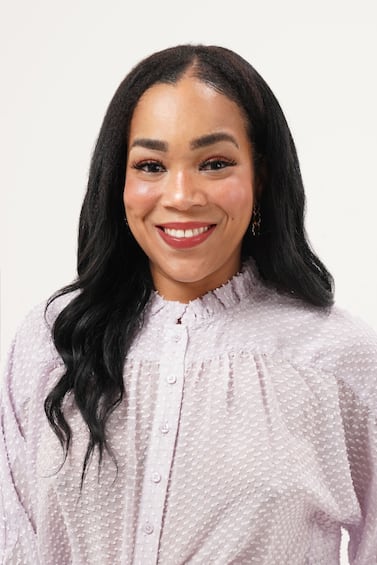
As shoppers swap ‘sustainable’ for ‘healthy’, BoF senior editorial associate Shayeza Walid joins senior correspondent Sheena Butler-Young to unpack why fabric content has become fashion’s newest flashpoint — and why Gap just found out the hard way.
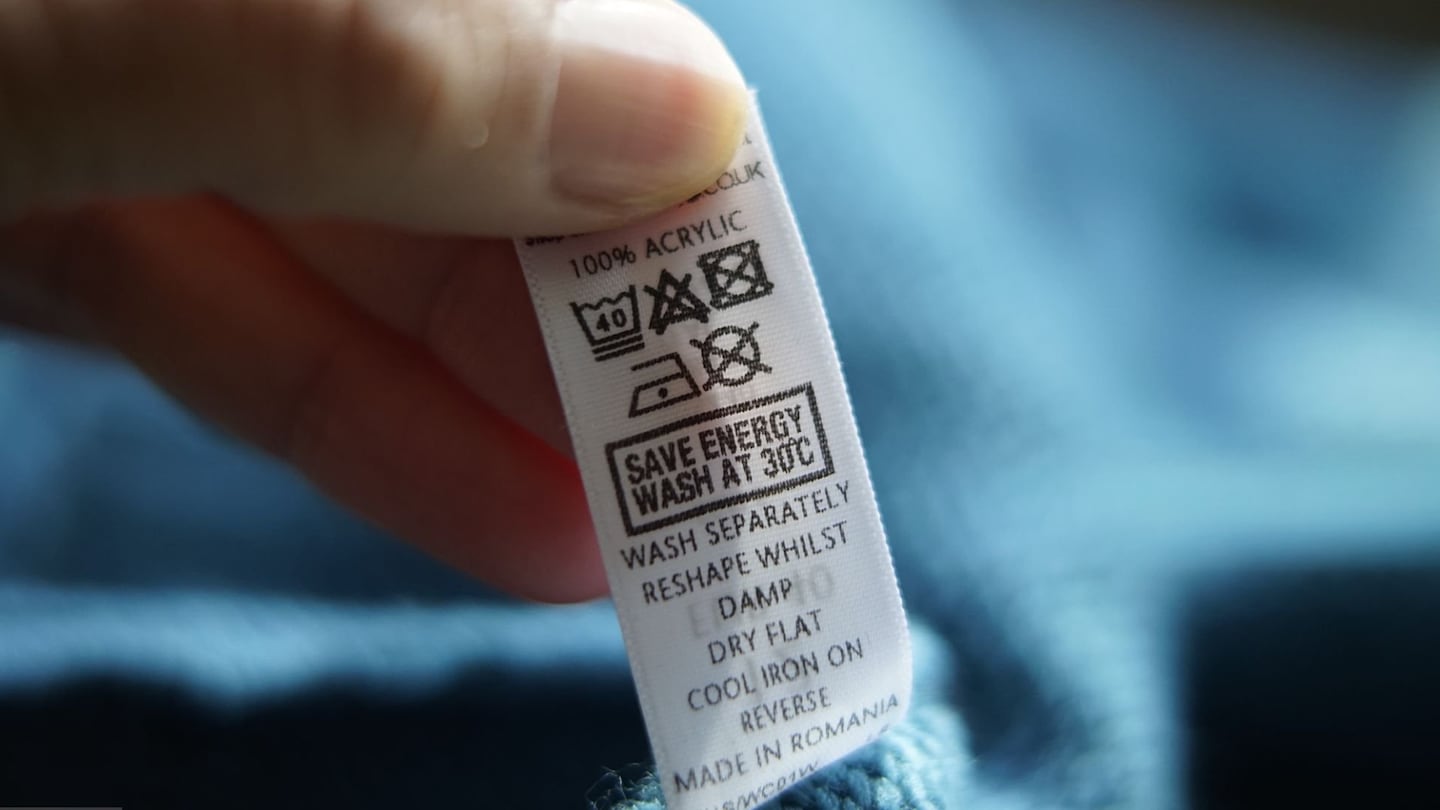
Everyone’s reading clothing labels again.
Everyone’s reading clothing labels again. (Getty Images)
The author has shared a Podcast.You will need to accept and consent to the use of cookies and similar technologies by our third-party partners (including: YouTube, Instagram or Twitter), in order to view embedded content in this article and others you may visit in future.

Listen to and follow “The Debrief”: Apple Podcasts | Spotify | Overcast

Background:

Fabric content used to be a niche sustainability conversation. Now it’s a mainstream health one, driven by the same scrutiny shoppers already apply to what they eat and put on their skin — searches for “natural fibre” are up over 100 percent in five years, and searches for “what is viscose?” have climbed roughly 5,000 percent in the US over the same period. Gap found out just how fast that shift can turn into backlash when its nostalgic Zac Posen knit drop — 80 percent polyester, 20 percent elastane — drew comparisons to fast fashion within days of launch, despite carrying a premium, above-$100 price tag.

In this episode of The Debrief, Sheena Butler-Young and Shayeza Walid unpack why natural fibres have become a health obsession rather than a values debate, why “natural” doesn’t automatically mean sustainable, and whether polyester can ever really be dethroned.

Key Insights:

  • Health Is the New Driver: The conversation used to centre on durability and value; now it’s about wellness. Walid explains that shoppers are “instead of just talking about durability and value... starting [to go] more into this health conversation,” adding that clothing has become “this final frontier” for the same scrutiny people already apply to food and skincare.
  • Gap’s Zac Posen Knit Became a Cautionary Tale: The backlash wasn’t really about one sweater — it was about price and expectation. Walid notes the item retailed above $100, so “the disappointment was... doubled down on by the fact that this is supposed to be like a premium level of Gap.” As she puts it, “people are [now] associating price with natural fibre.”
  • Natural Doesn’t Automatically Mean Sustainable: Walid is blunt that the “natural equals good” framing oversimplifies things: “natural does mean that it might have a higher carbon footprint,” she says, pointing to methane from grazing cattle for wool and the water intensity of cotton. Her summary: “anything that’s derived from nature... naturally has a higher environmental footprint because it’s from the earth.”
  • Different Generations, Same Shift: Motivations diverge by age, but the direction is the same. Gen Z shoppers are driven by “value signalling” around climate, Walid says, while older shoppers are asking “how can I live a healthier, better life?” Her takeaway: “you’re seeing it across different age brackets, but the end result is this shift.”
  • Polyester Isn’t Going Anywhere Soon: Despite the backlash, Walid says synthetics remain entrenched, especially in performance wear. “It’s cheap... it is subsidised by... the oil lobby,” she says, and its “malleable qualities are so unique to itself that it’s very difficult to replace.” Bio-based elastane is emerging, but only at pilot scale.

Additional Resources:

© 2026 The Business of Fashion. All rights reserved. For more information read our Terms & Conditions

Loading recommended reads…

Latest News & Analysis
Unrivalled, world class journalism across fashion, luxury and beauty industries.

Chanel Sales Up 16% in First Half

Chanel’s sales are accelerating after returning to growth last year, Bloomberg reported citing an unnamed source. Beauty sales rose 8 percent.


VIEW MORE
Agenda-setting intelligence, analysis and advice for the global fashion community.
CONNECT WITH US ON
The State of Fashion - Face to Face with Luxury Clients - Discover what luxury clients want today