Agenda-setting intelligence, analysis and advice for the global fashion community.
Agenda-setting intelligence, analysis and advice for the global fashion community.

While GDP growth across the Middle East and North Africa is expected to moderate temporarily to 1.9 percent this year amid a more uncertain global backdrop, the IMF’s 2026 World Economic Outlook forecasts a rebound to 4.6 percent in 2027 — making the region the world’s second-fastest-growing economy after emerging Asia and reinforcing the resilience of the Gulf consumer.
Abu Dhabi, the capital of the United Arab Emirates, combines one of the region’s highest levels of purchasing power with a rapidly expanding international visitor economy. S&P Global Ratings estimates GDP per capita will reach $74,400 in 2026, while around 80 percent of the emirate’s estimated 4.1 million residents are expatriates. In 2025, Abu Dhabi welcomed a record 26.6 million visitors, according to the Department of Culture and Tourism.
Aldar, one of the UAE’s leading real estate developers, investors and asset managers — listed on the Abu Dhabi Securities Exchange with an income-generating portfolio valued at AED 56 billion ($15.2 billion) in June 2026 — hopes to seize this opportunity.
The company will open Saadiyat Grove in Q4 2026, adding a landmark mixed-use luxury destination to Saadiyat Island — home to Abu Dhabi’s cultural district.
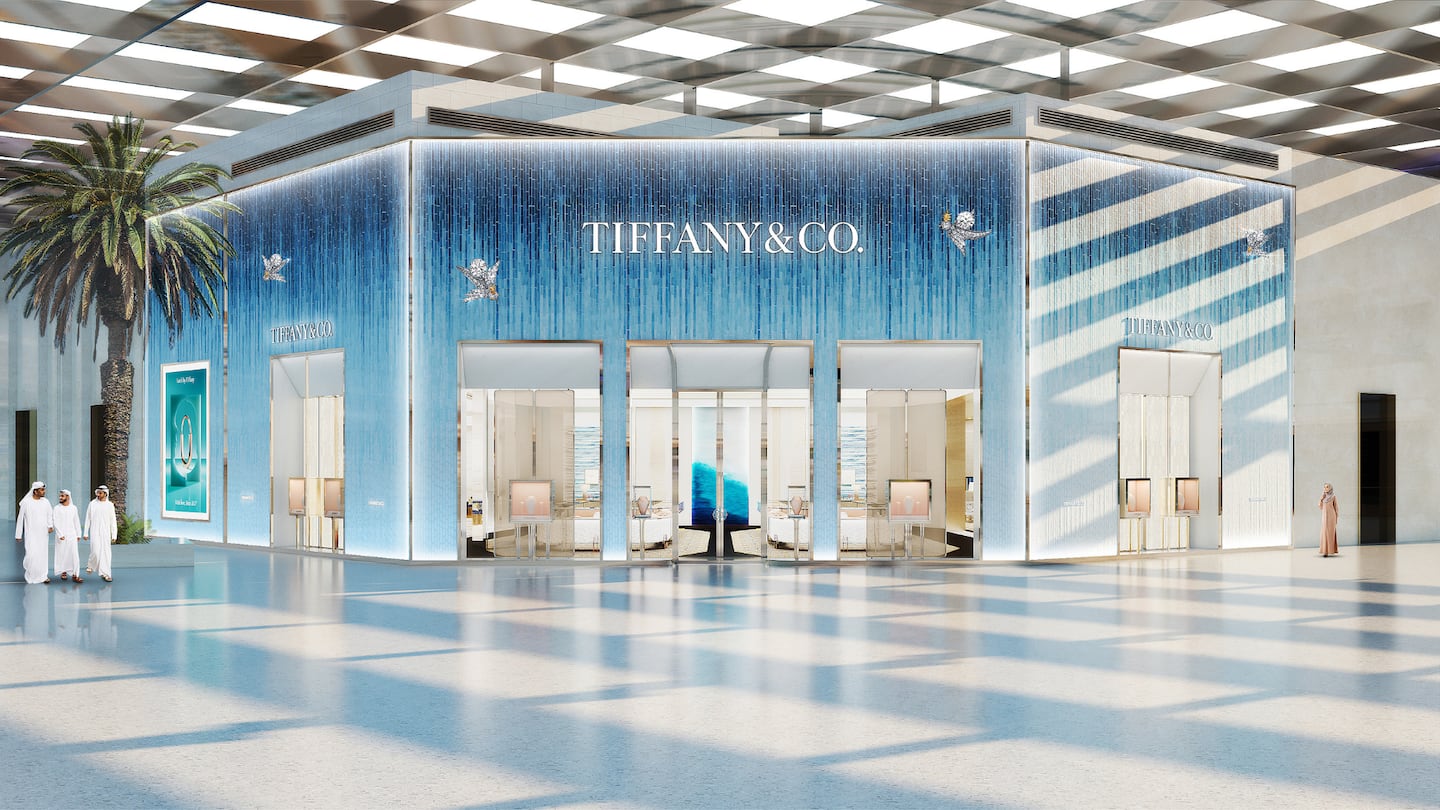
While brands including Chanel, Hermès and Dior already operate in the emirate, including at Aldar-owned The Galleria Al Maryah Island, Saadiyat Grove has invited many to rethink the traditional boutique model with concepts tailored to both the destination and Emirati culture.
Louis Vuitton, for example, will welcome customers in a gallery-inspired space referencing the Fondation Louis Vuitton in Paris, rather than a conventional retail store, according to Aldar. Chaumet will debut a world-first immersive Tiara experience with an interactive display covering every stage of the Tiara’s creation and Audemars Piguet will present a new boutique concept, inspired by the landscapes of Le Brassus, Switzerland.
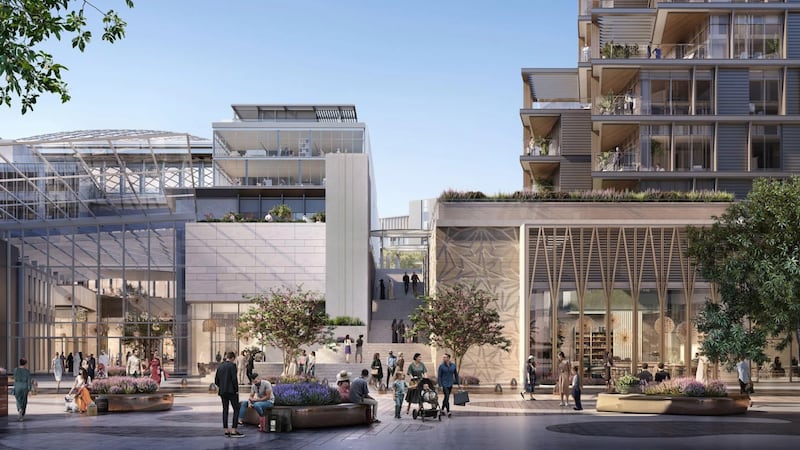
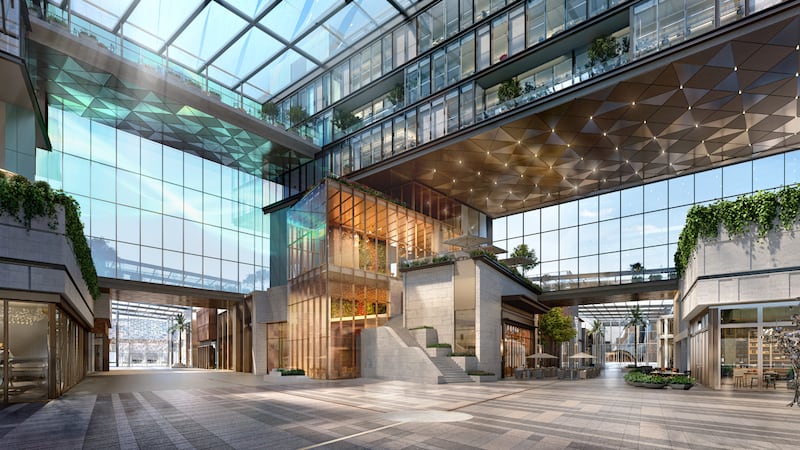
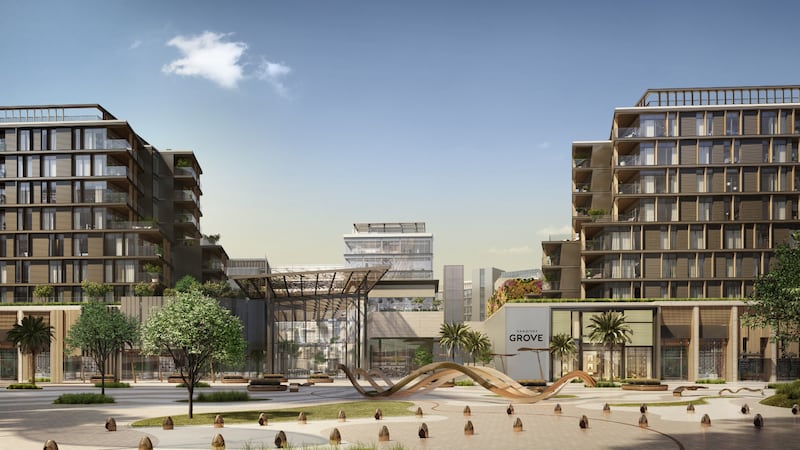
Saadiyat Grove has been conceived as a mixed-use district rather than a traditional shopping centre. Luxury retail sits alongside offices, residences, hospitality, leisure and cultural institutions, creating an environment designed to encourage visitors to spend time, not simply money. The aim is to drive longer dwell times, repeat visitation and deeper brand engagement among UAE residents and visitors. At its heart is a tightly curated retail offer comprising 85 luxury fashion and beauty boutiques, with no mass-market brands.
Positioned between three major cultural institutions — Jean Nouvel’s Louvre Abu Dhabi, Sir Norman Foster’s Zayed National Museum and Frank Gehry’s Guggenheim Abu Dhabi, which is due to open on 11 December 2026 — Saadiyat Grove is intended to strengthen the relationship between luxury, experiential retail and culture.
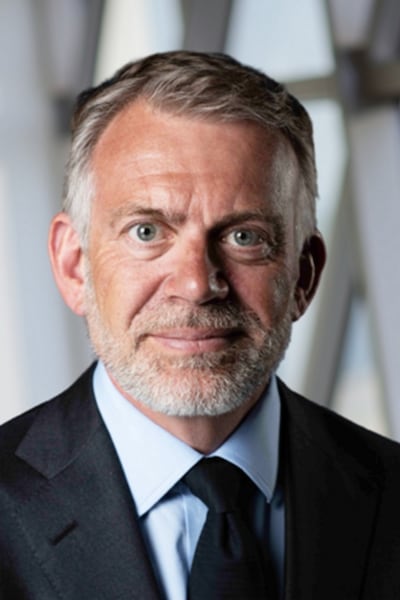
Now, BoF sits down with Jonathan Emery, chief executive officer of Aldar Development, to discuss how experience-led retail translates into long-term customer value, why luxury brands have embraced Saadiyat Grove’s distinctive proposition, and why the space is designed to be more than a residential development.
The starting point was Saadiyat Island itself. It’s an extraordinary place: you have globally significant cultural institutions alongside beautiful natural beaches, resorts, residences and an increasingly international community.
Saadiyat Grove brings those worlds together. We wanted to create a place people can naturally move through and return to, whether they live there or they’re visiting a museum, shopping, meeting for dinner, working, or simply spending time on the island.
The opportunity was to create a place where all of those different parts of life on Saadiyat Island come together. The masterplan is fundamental to that: walkable streets, public spaces and seamless connections between retail, dining, workplaces and residences, designed to encourage people to move naturally between them.
It’s about creating a place that feels like part of the island’s fabric, rather than an isolated project.
Luxury has always had a close relationship with culture because both are fundamentally about identity, creativity and expression. Today, people want more than the product itself. They want to understand the ideas, craftsmanship and creative world around a brand, and culture gives brands a much richer way to express that.
At Saadiyat Grove, the cultural context already exists around us; we’re not trying to manufacture it. From the outset, we worked directly with the brands to think about what they could do at Saadiyat Grove that they haven’t done elsewhere, whether that’s a new concept, a first-to-market experience or a completely different way for customers to engage with the brand. We want Saadiyat Grove to be known as the destination where brands can do things for the first time.
Fendi, for example, is creating its first in-store cinema, giving customers a new way to experience the history, craftsmanship and creative world of the house. Cartier is incorporating local materials and collaborations with homegrown artists into its boutique.
Culture is an incredible anchor that will always compel consumers to return. Those who appreciate culture often revere luxury craft, albeit in retail or culinary. Combining all three offers myriad experiences and the opportunity for rich cultural exchange.
It’s fundamental. You can build beautiful spaces, but they must stay alive.
Programming is what gives people a reason to experience the destination differently each time they visit. We can respond to what’s happening across the neighbouring museums, bring art and culture into our public spaces, create independent commissions and pop-ups and give brands opportunities to take their creativity beyond the walls of their boutiques.
That could mean a series of installations in the streets one month, or a brand responding creatively to museum programming, or an artist collaboration the next. The physical destination is really only the canvas. What happens within it is what keeps it interesting.
Retailers will continue to evolve their offerings, and we’ve created spaces that let them alternate experiences and update them as they move forward.
Many places can bring luxury brands together. What’s much harder to replicate is the ecosystem that surrounds them.
On Saadiyat Island, you have all these elements: major cultural institutions, extraordinary beaches, luxury resorts, premium residences, workplaces, wellness and dining, and audiences moving naturally between them.
That means we’re not relying on one type of customer or one reason to visit. There’s a resident population, an international visitor audience, museum visitors, hotel guests and people who work here. For a luxury brand, that’s a very different proposition from relying purely on retail footfall.
The combination is what’s really powerful: an extraordinary setting and audience, with a retail experience you can’t find anywhere else.
Emiratis are incredibly sophisticated luxury consumers. They travel extensively, know the world’s leading brands and destinations, and have extremely high expectations. So there isn’t a choice between being locally relevant and internationally ambitious; you have to be both.
That’s really how we’ve approached the curation of Saadiyat Grove. We’re bringing international brands and first-to-market concepts alongside homegrown talent, while encouraging our partners to create experiences that respond specifically to Abu Dhabi and Saadiyat Island.
At the same time, Saadiyat Island itself attracts an incredibly international, discerning audience. The common denominator is a customer who is globally minded, culturally engaged and looking for something they can’t find anywhere else.
And of course we’re not only catering to retail customers. We’ve seen our residential offering in the area attract global audiences, with strong international interest in living there.
Aldar has played a defining role in shaping Abu Dhabi by developing new residential, commercial, retail, hospitality and leisure destinations and landmark projects, including the Yas Marina Circuit, home of the Abu Dhabi Grand Prix.
We want to bring concepts to Abu Dhabi that people haven’t experienced here before, while also giving a platform to the best of what’s being created locally. With Saadiyat Grove, it comes back to curation.
We’re bringing several firsts to the market. French fine-dining restaurant Monsieur Paul will make its regional debut, Asian American cuisine specialist Momofuku will open at Saadiyat Grove, and Korean-Japanese sushi and bento restaurant Kokoro will establish its first permanent Abu Dhabi location.
At the same time, Time Out Market Abu Dhabi will bring together 15 of the capital’s leading chefs and restaurateurs under one roof, and we’ll be announcing some exciting homegrown, Emirati-founded concepts as part of the mix.
We’ll also have a five-star hotel within Saadiyat Grove, which we’ll be announcing more about soon.
Footfall and commercial performance matter, of course, but they’re only part of the picture.
We’re interested in whether someone visiting the Guggenheim then goes on to have dinner in one of the restaurants. Whether Saadiyat Grove gives somebody another reason to spend a weekend at one of the island’s luxury hotels.
Whether residents use it as part of their everyday lives. And whether the programming gives people a reason to come back next month and experience something different.
We’re investing in Saadiyat Island for the long term, and we’re very much part of the wider ecosystem, so success isn’t simply about what happens in year one. It’s about whether Saadiyat Grove makes the whole island more compelling over time.
This is a sponsored feature paid for by Aldar Development as part of a BoF partnership.
Loading recommended reads…
BoF’s editors pick the best shows from the Spring/Summer 2027 fashion season.
Brands may be racing to invest in new technology, but the biggest barrier to online sales is far more basic, finds BoF Insights and Amazon Fashion & Sports’ latest report ‘Inside Fashion & Sports E-Commerce.’
Every photographer is telling their own tale, says Walker, but his new exhibition also offers an emotional document of the triumphs and challenges of queer culture.
Opening in Q4 2026 on Saadiyat Island — at the heart of Abu Dhabi’s cultural district — Saadiyat Grove brings together luxury retail, hospitality, residential living and culture in one of the emirate’s most ambitious new developments. BoF speaks to Jonathan Emery, chief executive officer of Aldar Development, about the strategic vision behind the project.