Agenda-setting intelligence, analysis and advice for the global fashion community.
Agenda-setting intelligence, analysis and advice for the global fashion community.

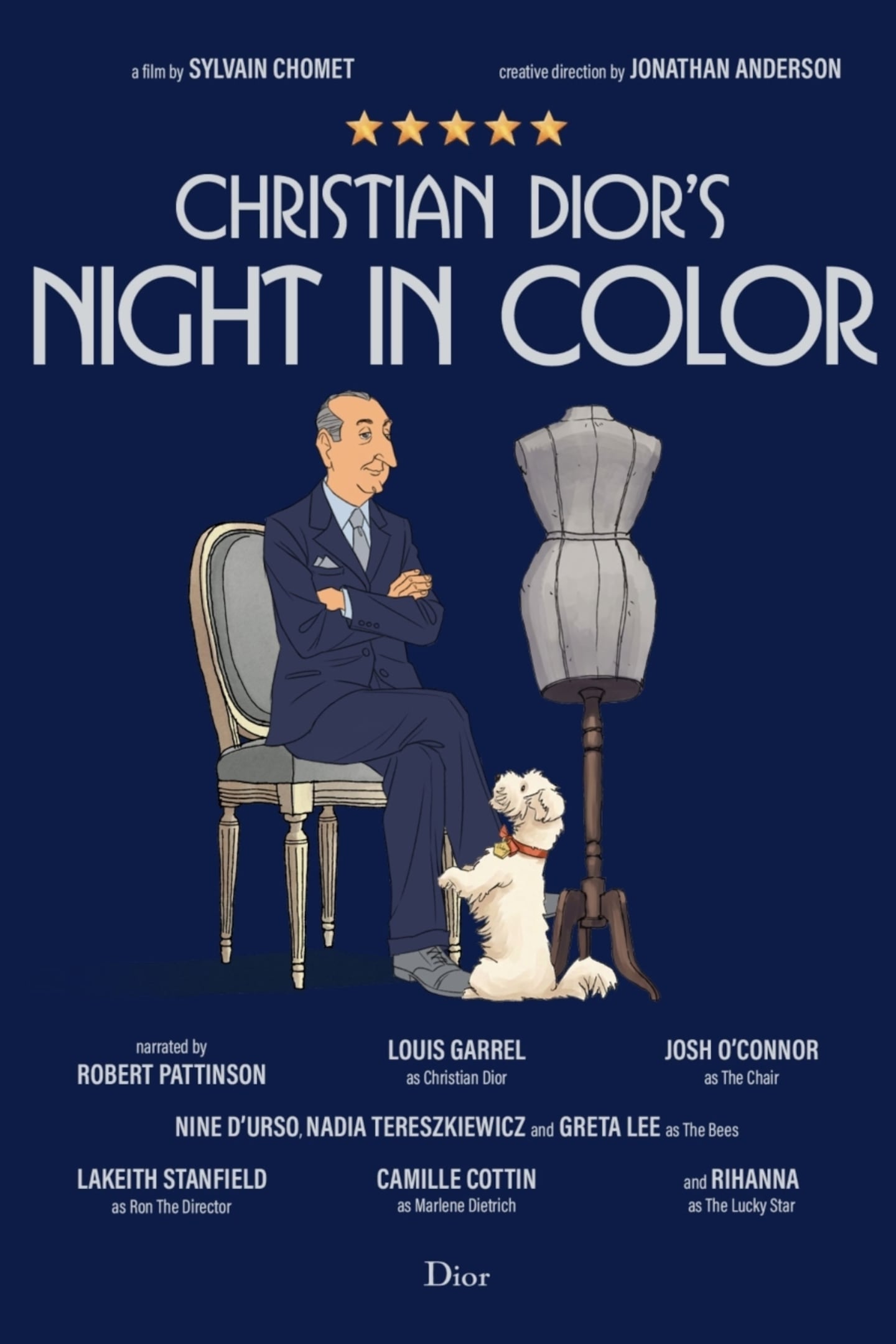
When Dior published its holiday film on Wednesday, it felt like an antidote to so-called AI slop.
Titled “Christian Dior’s Night in Colour,” the animated short film follows Mr. Dior as he dreams up a dress for Marlene Dietrich on a winter night in Paris. The brand touted the film as hand-illustrated, detailing French animator Sylvain Chomet’s process on its website. The brand said it took months to hand-illustrate the frames, “mirroring the patience required to create haute couture,” complete with photos of the artist in the studio.
“Technically, we work as they did in the 1940s,” a quote from Chomet read on the website. “Everything is cut out, each character is animated separately, and everything is then assembled against the backdrops.”
But online sleuths said they detected discrepancies in the animations, including a misspelling on Mr. Dior’s dog’s tag, missing fingers and unnatural movements. Several noted that while Chomet may indeed have illustrated the primary frames and characters, the team could have used AI to speed up the animation process.
ADVERTISEMENT
“The classic technique is drawn frame-by-frame, up to 24 drawings per second,” wrote one commenter on Instagram.
Dior did not immediately respond to BoF’s requests for comment.
Animation, whether hand drawn or stop-motion, has emerged as a major theme in this year’s holiday campaigns, from brands like Prada, Rimowa and Strathberry. Prada released its “Drawing Prada: Animated by Hand” holiday campaign last week, showcasing stars like Maya Hawke alongside hand-drawn and animated foxes and mice in a winter wonderland. The campaign received rave reviews for its human touch.
Whether the speculation about the Dior campaign is grounded in fact or not, the backlash illustrates that consumers expect luxury brands to prioritise handicraft — and communicate their processes transparently.
Rather than chasing viral spectacle, brands from Chloé to Prada are stripping back their marketing to prioritise their core DNA.
Driven by digital fatigue, brands across the pricing spectrum are transforming consumers’ collective memories of simpler times into marketing material. But with so many campaigns leaning into a similar aesthetic, it’s become a race to stand out.

Diana Pearl is US Editor at The Business of Fashion. She is based in New York and drives BoF’s marketing and media coverage.
Loading recommended reads…
Dior claimed its winter campaign, ‘Christian Dior’s Night in Colour,’ was fully hand-illustrated. But online commenters have questioned whether the campaign used AI in its development.
The decades-old hair-loss remedy is unexpectedly booming from more people taking GLP-1 weight-loss drugs.
Piccioli is leaving the Parisian house after less than two years as part of a sweeping creative shakeup at owner Kering.
This week, Brennan Kilbane is taking over to explore how the Bravo TV show holds up a mirror to our worst aesthetic impulses.