Agenda-setting intelligence, analysis and advice for the global fashion community.
Agenda-setting intelligence, analysis and advice for the global fashion community.
PARIS — First-quarter sales in LVMH’s key fashion and leather goods division fell 2 percent on an organic basis, missing analyst estimates as war in the Middle East dampened the impact of turnaround plans including a sweeping creative refresh at Christian Dior.
Group sales rose 1 percent on an organic basis to €19.1 billion ($22.5 billion). Analysts had predicted 2 percent growth, according to a Bloomberg News survey.
Perfume and cosmetics sales were flat. Brighter spots included the group’s watches and jewellery division, which grew 7 percent as sales at Tiffany accelerated. The retail division that operates Sephora also grew, with sales rising 4 percent as a repositioning in China bore fruit.
LVMH said it “showed good resilience in a geopolitical and economic environment that remained disrupted, amplified by the conflict in the Middle East.”
ADVERTISEMENT
The sales release was a key test for the luxury market, as LVMH was the first of the industry’s big listed players to report figures since the start of the Middle East war. Beyond the conflict’s regional impact, turmoil in the Middle East has reignited inflation, shaken economic confidence and thwarted long-distance travel plans via hubs like Dubai and Doha.
For now, the impact at LVMH appears relatively contained. First-quarter sales in the Middle East were down by double-digits, shaving 1 percent off of the group’s total organic growth.
The US — luxury’s most resilient client base since the pandemic — “experienced a good start to the year” with sales rising 3 percent.
Sales in Asia (excluding Japan) — including the key China market — rose 7 percent, beating estimates.
“If we put aside the Middle East, things are moving in the right direction,” UBS analyst Zuzanna Pusz said. Growth in Asia is an “encouraging signal, confirming that Chinese demand is continuing to gradually improve,”
Still, investor sentiment remains depressed, she said. “People are concerned that the sector is not growing, that LVMH is big and not growing.”
The figures also provided a first glimpse at how customers are responding to fashion’s wave of designer changes over the past year. In addition to a sweeping overhaul of Christian Dior under Jonathan Anderson, LVMH stablemates Fendi, Loewe, Celine and Givenchy are all in the process of refreshing their image and product offer under recently-appointed designers.
“Consumers continue to respond well to creativity and newness in product, as demonstrated by an improving conversion rate at our largest brands,” chief financial officer Cécile Cabanis said.
ADVERTISEMENT
At Dior, “consumers are responding well to the newness, the products, the stores,” but Cabanis stressed that the offer currently in stores was not the full collection, as the label continues to deliver its new assortment over the current quarter.
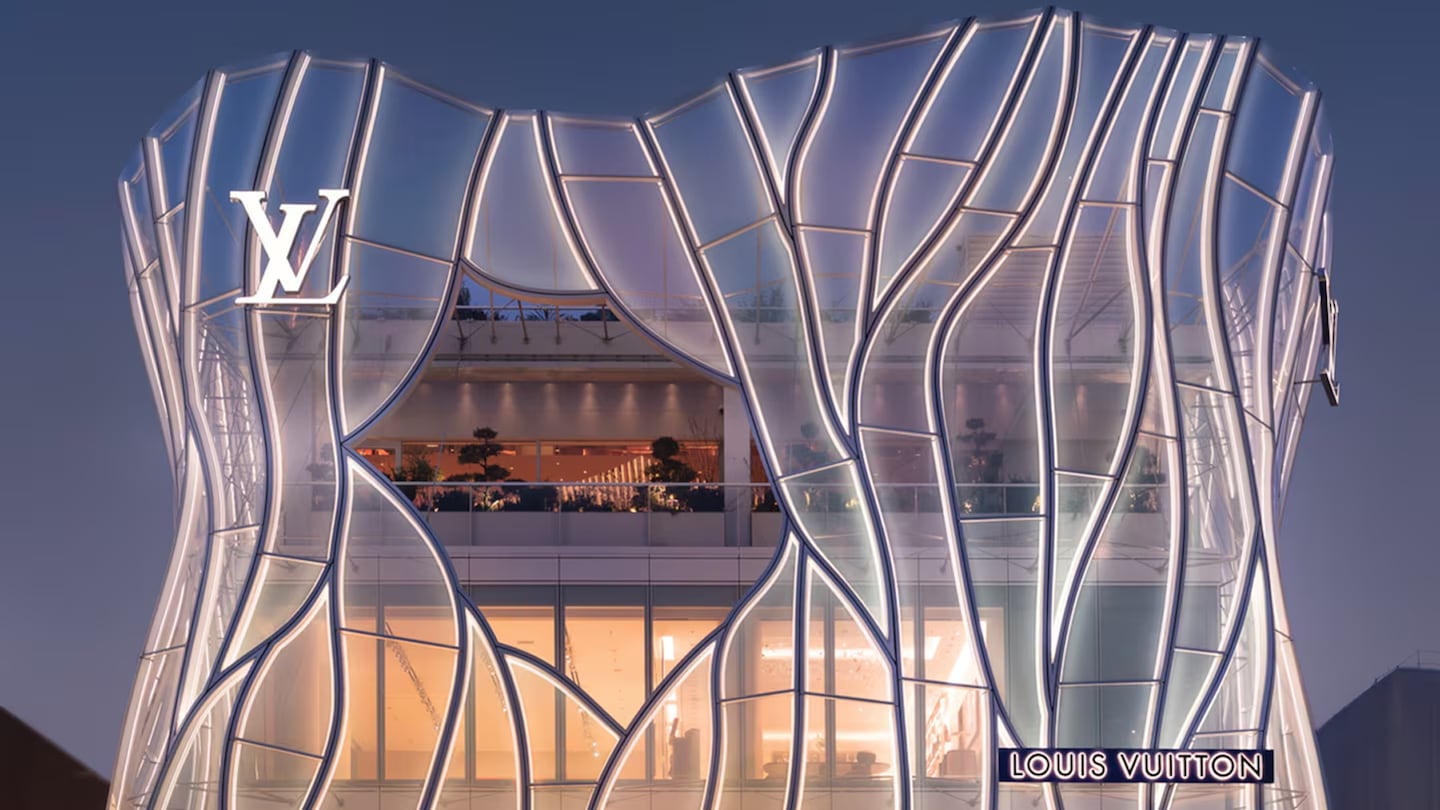
Louis Vuitton has remained comparatively stable during an industry-wide downturn. But sluggish sales at LVMH has raised questions about why the group’s biggest and most profitable label has yet to reignite growth despite staggering marketing budgets and ultra-high brand awareness.
“We need not enter into a collective anxiety about Vuitton because if we look at the brand, it’s been leading in all key markets for many years. It’s been more resilient than many in hard times. It has unparalleled competitive advantage on all that matters, and it has always been able to nourish clientele and is continuing to do it with the best operating model and inventiveness when it comes to retail, products and creativity,” Cabanis said. “We are very confident in Vuitton’s ability to improve and we have no worry about Vuitton,” she added.
Cabanis stressed the fashion division’s sequential improvement compared to last year’s 5 percent drop in sales. Revenues would have been flat this March without the Middle East impact, she estimated, while sales to local clientele have turned positive across regions.
LVMH’s shares have rebounded slightly in recent weeks after tumbling 28 percent during the first quarter. Investors may keep holding out for clearer signs that the sector is returning to growth.
“Visibility remains limited following the Q1 print,” Barclays analyst Carole Madjo wrote.
“We believe that Louis Vuitton has never been a problem and is not a problem, while Dior is reviving — albeit more in the West than in China — under the new creative leadership of Jonathan Anderson,” Bernstein analyst Luca Solca said. Still, “this is likely not enough to convince investors to step off the fence.”
Disclosure: LVMH is part of a group of investors who, together, hold a minority interest in The Business of Fashion. All investors have signed shareholders’ documentation guaranteeing BoF’s complete editorial independence.
Loading recommended reads…
An AI-based healthcare startup started offering acne prescriptions to Utah patients on Monday, the first time a state has allowed such technology to replace the role of a doctor.
BoF examines new mindsets of US shoppers and unpacks Chanel’s designer revamp. Also, how a fashion e-tailer is pulling ahead on AI and why fashion marketers are tapping artists. Read on for your analysis of September’s top news.
Beauty brands have long paid to be featured in ‘Get Ready With Me’ videos. Now, they’re designing their products and tools for maximum screentime.
As she prepares to hand power to the next generation, the doyenne of Italian fashion contemplates what makes Prada Prada and what she’ll leave behind, as well as more immediate matters like absorbing Versace.