Agenda-setting intelligence, analysis and advice for the global fashion community.
Agenda-setting intelligence, analysis and advice for the global fashion community.
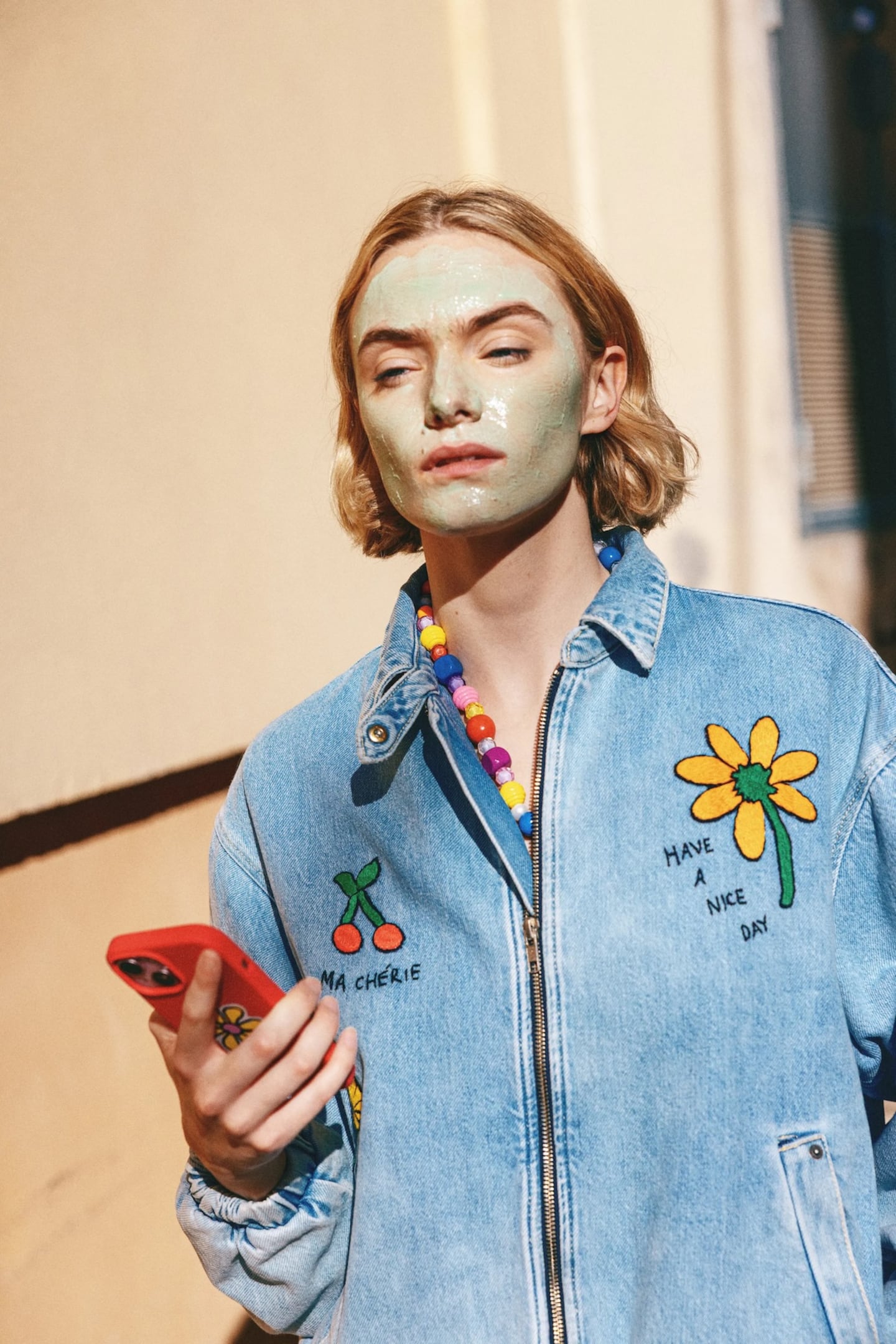
Sabrina Fuentes has been paid to wear Marc Jacobs, Stussy and Alyx, but she’ll sport gold hydrogel eye mask patches by Peter Thomas Roth ($75 for 30 pairs) all on her own.
“I’ve been wearing them out in public for as long as I can remember,” said the 26-year-old, who fronts the pop-punk band Pretty Sick. While she uses plain eye masks at home in her private skincare routine, “they don’t look as cool.” So she’ll swap for PTR’s gold slices or Creme Shop’s $5 cartoon skull pair out of the house, not because she’s concerned about wrinkles, but because they make a “fantastic accessory.”
Fuentes is a living, breathing, livestreaming example of the ‘Get Ready With Me (#GRWM) Economy’, a phenomenon where indoor products like Fuentes’s beloved eye mask patches and metal salon hair clips start creeping outdoors, and tools once designed for use in private like tweezers and razors are being reimagined to court an algorithmic advantage. Even electronics like hair dryers are being “livestream maxxed” to work without interfering with tiny microphones, amping up their ASMR potential.
The trend, rooted in the 2008 YouTube makeup tutorial, gained steam in the 2010s as candid #GRWM videos flooded TikTok and Instagram. Magazines like Vogue, with its Beauty Secrets video series, institutionalised the format, having celebrities like Rihanna perform their own front-facing video tutorials.
ADVERTISEMENT
Now GRWM content is a steady franchise for magazines like Allure, ELLE and Harper’s Bazaar — and it’s become a key consideration in product development and marketing for brands and beauty industry consultants, too.
“A ‘get ready with me’ video is a cheat code to immediate intimacy,” said Emily Ferber, the senior vice president of marketing at Athena Club and former editor of Into the Gloss. “People are craving connection, and bringing someone into your bathroom or your bedroom, that’s as close as you get.”
The GRWM Economy was on full display during the recent collections. Bathrobes appeared on the New York runways at Ralph Lauren and Vaquera, while Rachel Comey turned out towellike, terrycloth tank dresses. On the Gucci catwalk, the model and Charli XCX acolyte Alex Consani strutted out with a slinky black dress and makeup by Sam Visser. Under her eyes were what looked like two desiccated hot pink eye patches, dried up but still stuck in their half-moon pose. In Paris, the designer Mira Mikati showed a denim jacket on a model wearing a full clay mask. It’s a look that’s been endorsed by luxury houses like Chanel, Christian Dior and Dolce & Gabbana, all of which sell under-eye patches branded with their logos.
In one sense, fashion’s affection for the “getting ready” look was inevitable. As the industry continues to rely on effortless messaging — purposefully unlocked status bags at Balenciaga, wrinkled and stained Prada showpieces — the allusions to self-care add a dewy sheen of status. Meanwhile the beauty industry has long run on #GRWM content, with brands paying to be featured in videos for about as long as the genre. Now they’re doing more than ever to show up.
GRWM videos allow social media mavens — and celebrities with pay-to-play endorsement deals with beauty companies — to build parasocial intimacy and affiliate revenue at the same time. Witness online stars like Alix Earle, who bring fans behind the curtain of their deepest beauty “secrets” while selling them simultaneously with “click to buy” links. This is the economic engine behind Instagram’s 11 million #GRWM posts and TikTok’s 24.9 million #GRWM videos, which boast over 70 billion — billion — views, according to internal figures.
The #GRWM genre contributes a significant, if not the largest, portion of overall beauty content on social media. One of its biggest influences so far has been in making elaborate skincare, hair and makeup routines feel aspirational — and behaviour worth showing off.
At Loops Beauty, chief executive Meg Bedford said that 50 percent of current shoppers buy the brand’s eye patch masks specifically to “wear them out” of the house. “It’s become kind of an ‘it’ accessory in the school car pick-up line,” she said. After a friend confessed to wearing Loops under-eye patches while surfing this year, Bedford encouraged her product team to work on greater longevity for the product.
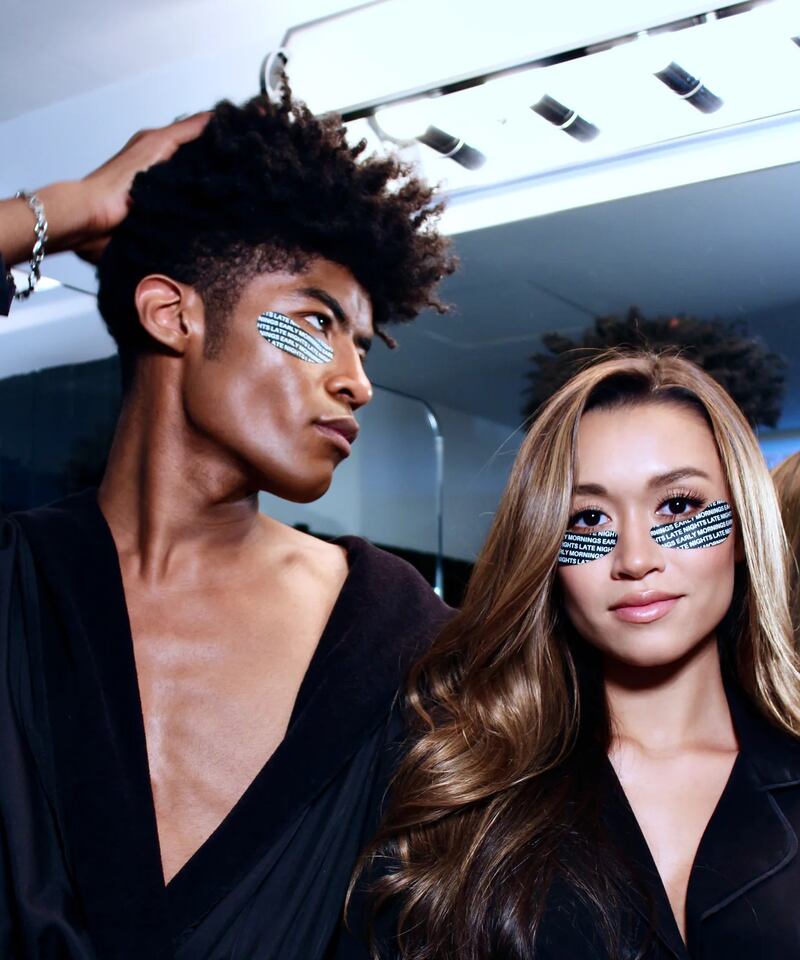
Next month, the six-year-old brand will lean more heavily into the wearable category with a Claire’s collaboration that adds glitter to the patches. But #GRWM culture is influencing formula and packaging in other ways, too.
ADVERTISEMENT
Ferber said that as Athena Club undergoes a brand revamp, it is “100 percent” adjusting its packaging and formulas to appear more dynamically online, in part so that online content about “everything showers” and pre-party skincare prep — the foundation of most successful #GRWM videos — can have clearer message communication from the brand straight to the video viewer.
“The label on the back of the bottle functions kind of as a script… We made a grid that’s like, ‘Here are the hero ingredients, and here’s what they do.’ So if you’re a content creator, or aspiring to make that kind of work, you can immediately turn it over and have a cheat sheet.”
Haircare is also becoming a greater player in the GRWM economy, as brands realize that online performance matters nearly as much as IRL styling ability.
The most striking example may be Dyson’s new Airsmooth Styling Brush, which debuted in September online and retailers like Ulta Beauty and Target. The $250 tool that promises a faster, sleeker and quieter blowout, which might seem moot — after all, who cares about the volume on your blow-dryer if it gives your hair more volume?
But because Dyson’s engineering team figured out how to take the noise levels down on a hair tool, it has allowed content creators to talk through their blowouts instead of needing to record a voice-over or pause their chit-chat every time they encounter a frizz interruption. (I noticed this myself over the weekend, when I began absentmindedly chatting with my boyfriend while attempting a beach wave.)
Then there is the matter of the “creaseless clip” — a long metal clamper that looks a bit like a bird beak and once lived only on the hair of backstage models and perm-getters under the blow dryer. But thanks to the GRWM Economy, seemingly every brand that’s even remotely online has made their own logo versions — which allow wearers to flash logos for Balenciaga or Charlotte Tilbury while sitting through semi-silent Dyson drys.
There’s evidence that fashion might be moving past #GRWM. Eckhaus Latta was a skincare-on-the-runway pioneer who in 2018 sent some models out wearing Immunocologie face masks — and collaborated with Dieux on branded undereye gels for models last year. But this season, the buzz-machine brand went with a pared-back, highlighter-forward look by Fara Homidi.
Real life is a different story. In New York and Los Angeles, masks of all kinds can be seen out in public — mineral, mud, unpeeled Sacheu lip tint. My friend Emily, a fashion editor at a British glossy, recently saw a woman “in a full clay face mask” at Duane Reade. For the blasée and the beautiful among us, the #GRWM look remains a shortcut to online engagement and offline style.
ADVERTISEMENT
In last week’s Instagram video for her new record release, Sabrina Fuentes herself leaned back in her chair and blew a kiss to her own camera phone. She wore a series of black salon hair clips and watched, bored, as somebody else ran a brush through her hair. 7,000 people hit the “like” button.
Sign up to The Business of Beauty newsletter, your complimentary, must-read source for the day’s most important beauty and wellness news and analysis.
Loading recommended reads…
The New York Times photographer and style columnist joins Imran Amed on The BoF Podcast to discuss why practice makes permanent, the blind spot he had to admit to himself and why the style he looks for is meant to feel within reach.
In Panipat, 1 million tons of used clothing a year are turned into products for global brands, but dangerous machinery and few safeguards mean life-changing injuries are common
The struggles of Nanushka and Coperni expose the challenges of turning a promising label into a sustainable business, even after successfully building a global customer base and distinctive visual identity.
What to keep and what to change when a brand changes designers? Pierpaolo Piccioli’s brief stint at Balenciaga and Kering’s effort to course correct by bringing in Martine Rose offers learnings for houses seeking creative renewal.