Agenda-setting intelligence, analysis and advice for the global fashion community.
Agenda-setting intelligence, analysis and advice for the global fashion community.

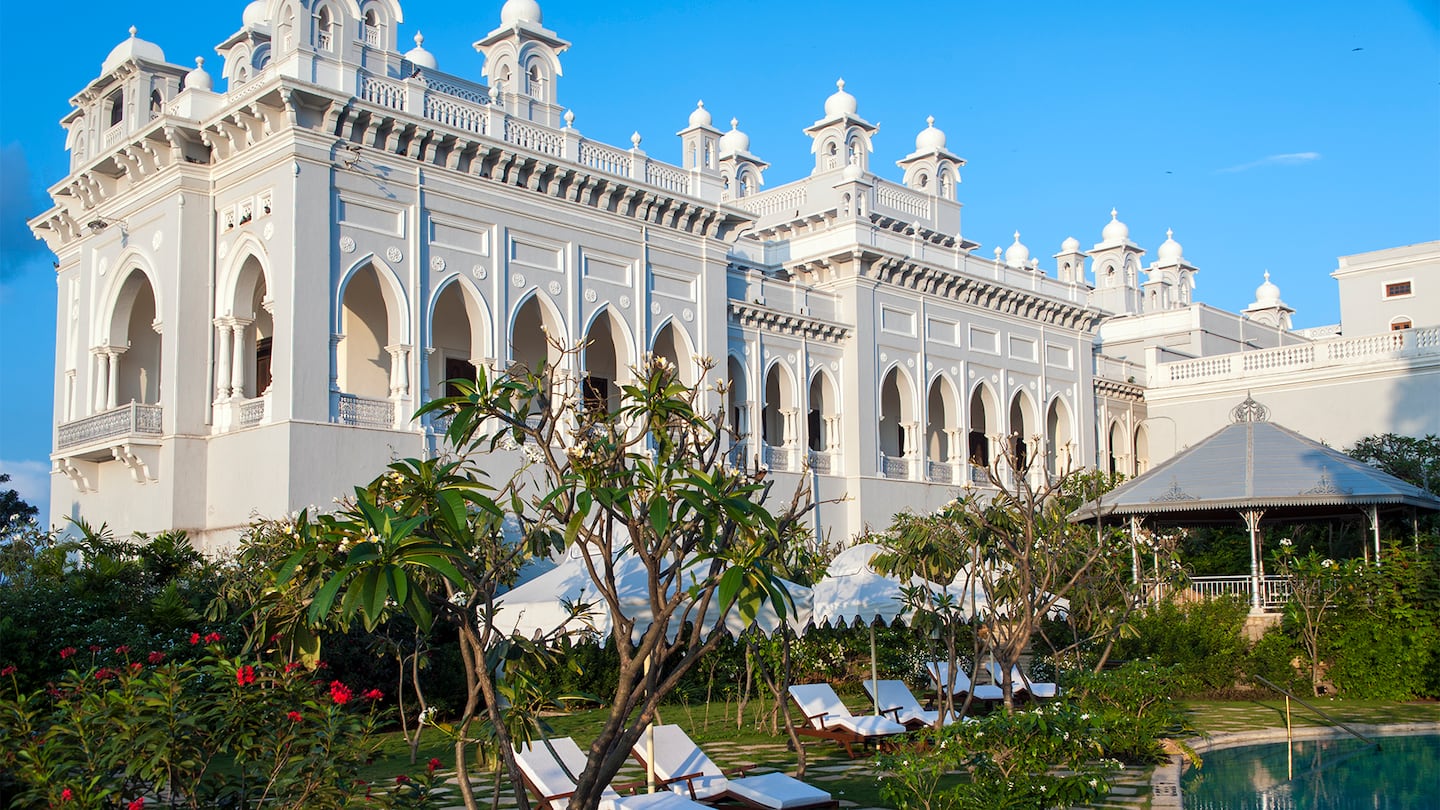
Every city has its mythology, but few have a heritage as steeped in luxury as Hyderabad, the capital of Telangana state. Known as ‘the city of pearls’ for its gem trading legacy, the city’s Nizam rulers left a lasting mark on its architecture, cuisine and cultural pulse. Modern Hyderabad still has echoes of this opulent past, but much of its wealth now flows from the tech and pharmaceutical industries, making it a key retail destination for consumers from across South India.
“With burgeoning tech billionaires, film stars and entrepreneurs, Hyderabad [is a city where people] have money to spend. They value quality and are willing to pay any price for it,” said Sunil Sethi, president of the Fashion Design Council of India, which organises the country’s fashion week events. The council is so bullish about the city that it expanded this year’s Indian Couture Week from its usual base in Delhi to include Hyderabad.
The opening show on July 23 saw designer Anamika Khanna unveil her latest couture collection against the regal backdrop of Hyderabad’s Falaknuma Palace. Khanna, who opened a boutique in the city last year, says it has become a destination for clients beyond Telangana in neighbouring states such as Andhra Pradesh. “Hyderabad feels quietly confident. People here aren’t simply shopping for an occasion; they’re buying pieces that reflect who they are.”
For global brands hoping to tap Hyderabad’s increasingly affluent consumers, understanding the nuances of the city’s distinct luxury market will be key.
ADVERTISEMENT
Hyderabad has the eighth-highest concentration of millionaires in India, after Mumbai, Delhi, Bengaluru, Ahmedabad, Kolkata, Chennai and Pune, according to the 2025 Mercedes-Benz Hurun India Wealth Report. Of the 51,700 US-dollar millionaire households in the state of Telangana, about 19,800 are based in its capital city, Hyderabad. The number of millionaire households in Telangana soared 138 percent between 2021 and 2025.
Dozens of global luxury brands have entered India in recent years, from Balenciaga to Tiffany & Co., and earlier arrivals such as Louis Vuitton have expanded their offering. But most have prioritised investment in Delhi, Mumbai and Bengaluru. While these Indian cities do not yet match the offering in Europe or the US, they still offer far more choice than what shoppers currently enjoy in Hyderabad. But the city’s reputation as an emerging luxury hotspot is growing.
This year, Chanel, Michael Kors, Boss and Brooks Brothers were among those to launch stores at Hyderabad’s Rajiv Gandhi International Airport, where a private jet terminal opened a year earlier. It signals that global brands are waking up to the opportunity and willing to face the challenges the city presents.
“Hyderabad differs substantially from markets like Delhi and Mumbai. The city has comparatively fewer luxury brand outlets and has historically lacked a large-scale luxury mall ecosystem. Instead, it thrives on a standalone boutique culture, where clientele prefer exclusivity and personalised service over crowded mall environments,” said Syed Yasser Abbas, who has over fifteen years of experience in the Hyderabad retail scene.
Abbas is Reliance Brands Limited’s regional operations manager for Canali and Boss in Hyderabad and Brooks Brothers in the South and East India regions. The standalone two-storey Brooks Brothers store in Hyderabad’s Jubilee Hills has seen sales grow substantially over the past 13 years, he said. The Canali store is located in the Taj Krishna Hotel in Banjara Hills, which also houses brands such as Burberry, Montblanc and Sabyasachi fine jewellery.
High-end Indian designers recognised the city’s growing stature and put down roots much earlier than their international counterparts, opening flagship boutiques and securing partnerships with multi-brand retailers.
One of the city’s retailer veterans is Smita Shroff, an entrepreneur with a three-decade-long career in the local luxury industry. A co-owner of multi-brand boutiques Elahe and Elahe Urban, Shroff also runs a more accessibly priced retail format called Oorja while operating flagship stores for Indian designers such as Sabyasachi and Amrapali. “Thirty years ago, Hyderabad was a total virgin market for [Indian] designer wear [but now] it has become very saturated,” she said.
However, “Hyderabad isn’t an easy market to serve just by opening a store,” she cautioned. “We have seen cycles where designers opened flagships left, right and centre, only for many of them to shut again. Clients here are very clear about what they want, and they expect service, quality and a strong edit.”
ADVERTISEMENT
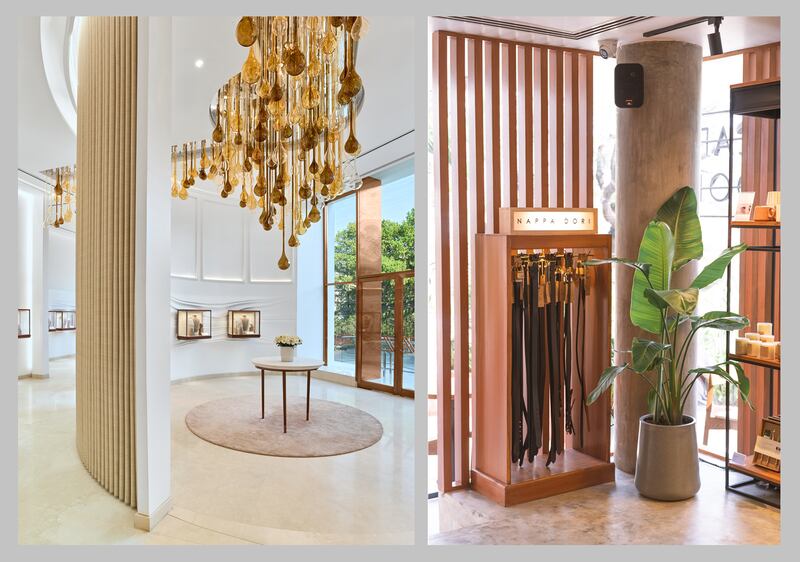
Gautam Sinha, founder of leather accessories and lifestyle brand Nappa Dori, opened a store in the city in 2024. “Hyderabad is far more understated in how it consumes luxury. There’s less noise, less urgency to be seen. Delhi can be very expressive with luxury, and Mumbai is very trend-aware and global. Hyderabad sits somewhere else entirely,” he said.
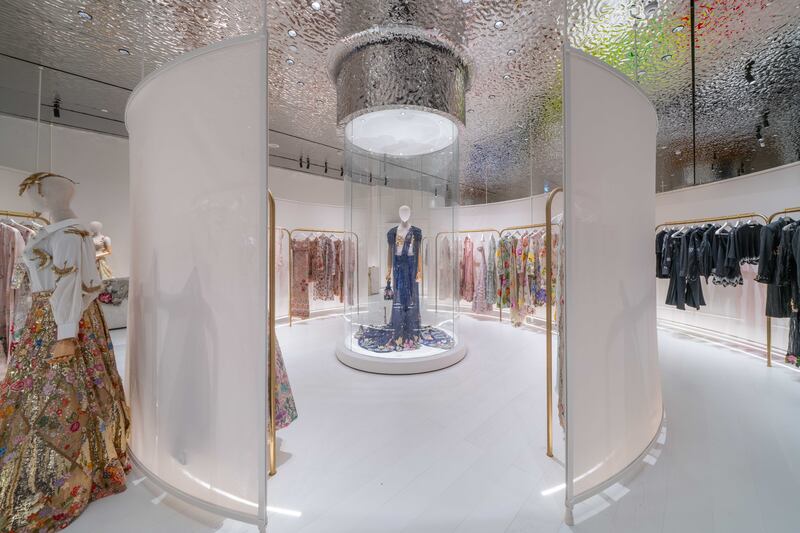
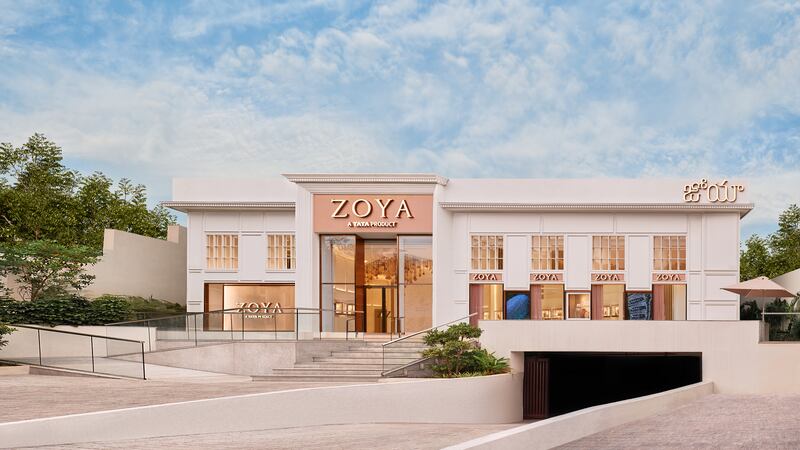
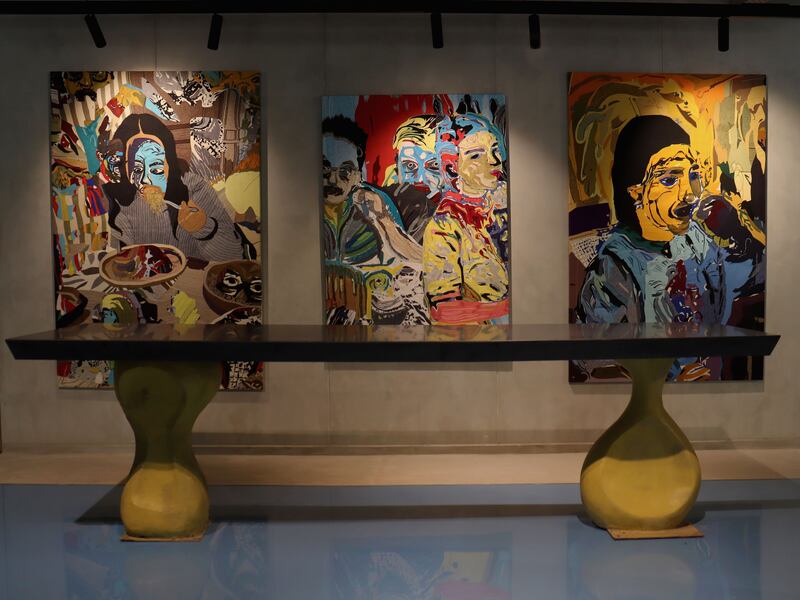
In Banjara Hills, tuk-tuks and gleaming Mercedes weave among new apartment blocks in one of India’s most expensive neighbourhoods. This area and nearby Jubilee Hills have seen an explosion of store openings in recent years including those by Rahul Mishra, Ranna Gill, Lovebirds, Shantanu and Nikhil, and jewellery brand Zoya.
“Banjara Hills is the most established part of [the luxury] story. It’s where the old wealth and the long-standing social circles sit, and it became the natural hub for luxury retail early on,” said Shroff. “Secunderabad feels more like old Hyderabad — and was actually the location of our very first store — more traditional, more rooted. Cyberabad and beyond is the newer, fast-growing part of the city where a lot of younger families live and work today.”
In the Madhapur district of Cyberabad, Inorbit Mall serves as a shopping, dining and entertainment hub in the city’s IT corridor, housing stores for diffusion labels like Armani Exchange and mass market brands including H&M, Reebok and Adidas. Activewear and “fast fashion initially flourished in commercial hubs such as Himayatnagar and Abids,” said Reliance Brands Limited’s Abbas, noting that both Inorbit and GVK One malls have since come to “set the foundation for premium retail experiences.”
“The growth of the tech ecosystem in western Hyderabad then created substantial employment for young professionals, who form the core audience for bridge-to-luxury brands. As demand evolved [from real estate and IT wealth], consumers began travelling internationally more frequently. This exposure significantly enhanced brand awareness and refined their understanding of luxury,” explained Abbas.
But Reliance was not the only Indian retail giant to benefit from the boom. Aditya Birla Fashion and Retail Limited’s upmarket multi-brand format, The Collective, which offers labels such as Marc Jacobs and Polo Ralph Lauren at 21 stores across 14 Indian cities, counts two stores in Hyderabad — one opposite the Park Hyatt in Banjara Hills and another at Inorbit.
“Traditionally, affluent families preferred niche localities such as Banjara Hills and Jubilee Hills. However, with the rapid development of Western Hyderabad — particularly areas like Hitec City, Gachibowli and [satellite towns on the outskirts such as] Tellapur — the city’s economic and lifestyle landscape transformed significantly,” Abbas remarked.
Brands looking to build a sustained business in Hyderabad need to cater to the preferences of the city’s high-net-worth residents, and to the large client base that travels there.
ADVERTISEMENT
“Our customer is usually the Hyderabad HNWI woman, often from three generations of the same family,” said Shroff, noting that “the average spend is about one lakh rupees ($1,040) per visit, depending on the occasion and season,” before hastening to add that the local retail market is not without its challenges.
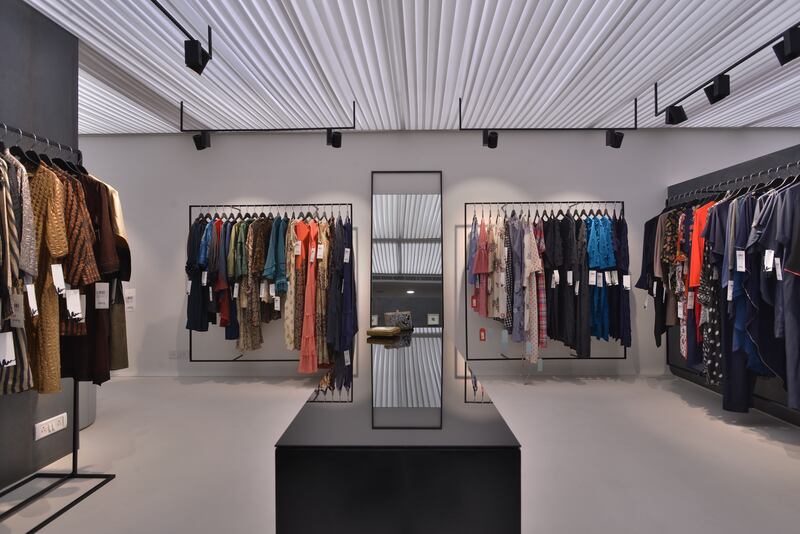
“The customer will immediately compare it to Delhi or Mumbai. If the Hyderabad store feels smaller, less important, or gets a diluted assortment, people will still choose to buy elsewhere,” said Shroff. “So the brands that win are the ones that bring the right depth of product, keep it current, and match it with excellent service and a strong clienteling culture.”
Rahul Mishra, now a regular on the Paris couture schedule, opened his Hyderabad flagship in 2025 — the brand’s fourth in India. Designed by Amith Chhabra, its interiors draw inspiration from the city’s ecology and culture, regularly attracting “clients travelling from Chennai, Bengaluru, and across Tamil Nadu, Karnataka and Kerala—particularly for bridal and ceremonial wardrobes,” stated Mishra.
Since opening her Hyderabad store, Anamika Khanna has noted that customers have “a special interest in separates and pieces that can be styled in different ways and worn over time…reflecting a more thoughtful approach to dressing, one that values versatility, craftsmanship and longevity.”
Amanpreet Ahluwalia, business head of Zoya, a jewellery brand owned by Tata Group’s Titan Company, highlighted the importance of offering personal experiences and private lounges for Hyderabadi customers.
“Our client advisors know each woman by her name, taking the time to understand her preferences, her milestones and her rhythms. Whether it’s a champagne brunch, a private luxury cruise, or a handcrafted installation created just for her, every experience feels considered, personal and deeply human,” Ahluwalia said.
With the UN estimating Hyderabad’s metropolitan area population at 9.1 million, it ranks as India’s sixth largest after Delhi, Mumbai, Kolkata, Bengaluru and Chennai. The city’s scale and buoyant economy have fostered a large, young, aspirational white-collar workforce with growing spending power that is driving demand for leisure and luxury.
Gopal Asthana, CEO of bridge-to-luxury and luxury e-tailer Tata Cliq, describes Hyderabad as “a fast-growing and highly relevant luxury market” for the company, “ranking among our top five cities by revenue.” Beyond its established IT and pharmaceutical sectors, he says the city is emerging as “a major AI technology centre,” helping expand its base of high-net-worth individuals
“Hyderabad’s luxury market is distinct for its functional category preferences, disciplined ticket sizes, and strong mobile-first shopping behaviour,” said Asthana, noting “a strong preference for watches, with a preference for bridge-to-luxury and entry-luxury timepieces, which often are the first luxury purchase for young professionals,” among shoppers. “Our data shows a young, male-skewed shopper base.”
One surefire way to reach this aspirational demographic is through Tollywood, the cinema industry producing films in Telugu, a language widely spoken in the states of Telangana and Andhra Pradesh. The industry’s de facto hub is the Film Nagar district of Hyderabad, known locally as Tinsel Town.
Yet, according to Shroff, “international luxury brands are leaving something on the table by not working more meaningfully with South Indian film stars” in their marketing campaigns.
“Those actors and filmmakers have real cultural weight and an audience that is deeply loyal. If brands engage them with the same seriousness they bring to Bollywood (which produces films in the more widely spoken Hindi language), they’ll unlock a market that already has aspiration, spending power and global sensibility.”
Demand for luxury goods is growing in the southern city of Bengaluru, but brands must get to grips with the tech hub’s unique demographic mix to make the most of this boomtown.
The country’s third-largest metropolitan area may lack the retail infrastructure of Mumbai or Delhi, but its affluent consumer base is becoming harder for global luxury brands to ignore.
Loading recommended reads…
Fuelled by wealth from its tech and pharmaceutical sectors, Hyderabad has attracted brands such as Chanel and Michael Kors to a city long dominated by domestic designers.
Mall concept and lifestyle destination operator Sands Shoppes Macao is developing its luxury retail offering to diversify the city’s casino-led economy. BoF sits down with global retail president David Sylvester to learn more.
The French beauty giant's mass division grew faster than anticipated, largely driven by professional styling products.
As shoppers swap “sustainable” for “healthy,” BoF senior editorial associate Shayeza Walid joins senior correspondent Sheena Butler-Young to unpack why fabric content has become fashion’s newest flashpoint — and why Gap just found out the hard way.