Agenda-setting intelligence, analysis and advice for the global fashion community.
Agenda-setting intelligence, analysis and advice for the global fashion community.

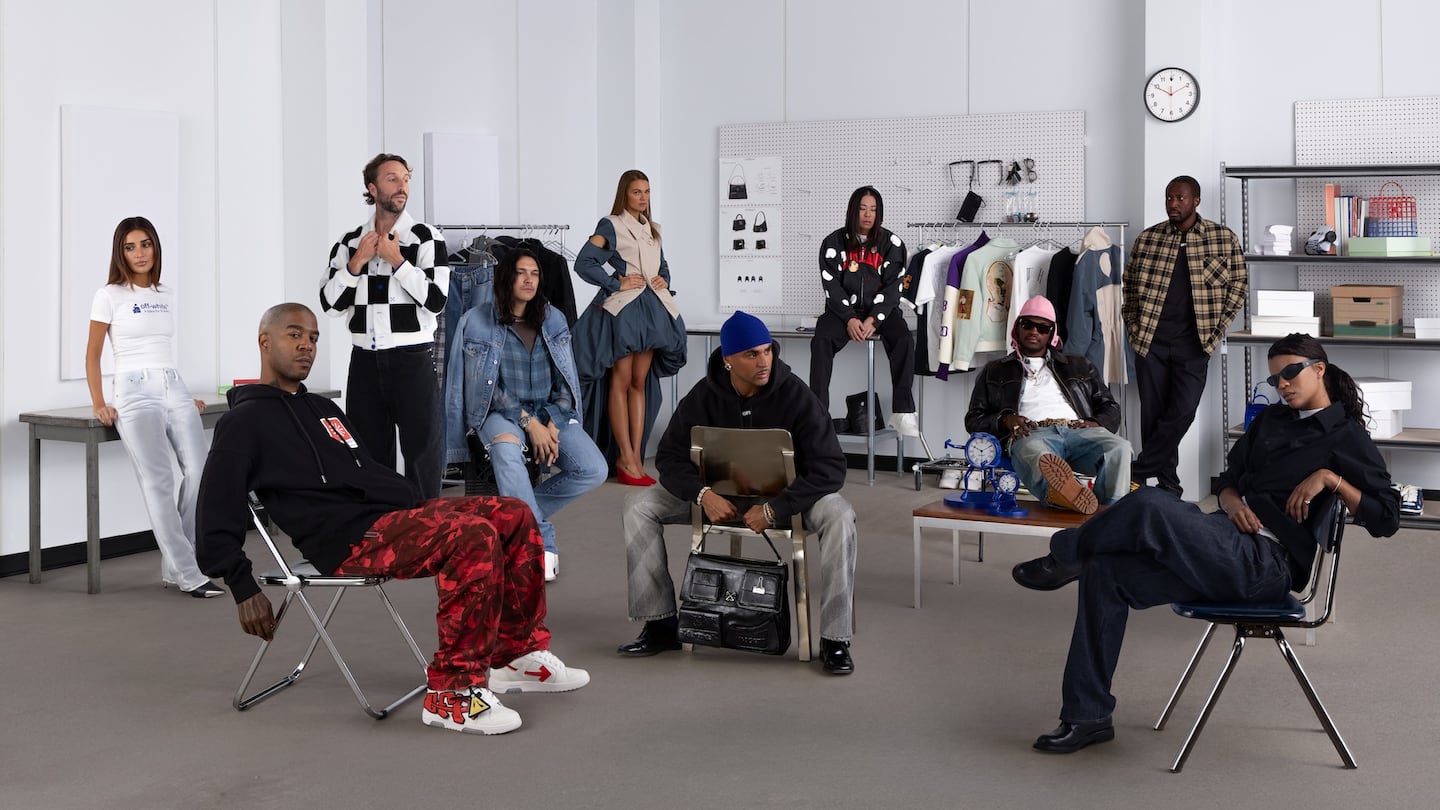

Since its founding by the late designer Virgil Abloh in 2013, Off-White has helped redefine the convergence of streetwear and high-fashion — owning a niche frequently leveraged by celebrities, musicians, sports stars and cool kids around the globe eagerly seeking a vehicle for personal expression.
As the Milan-based label reflects on more than a decade of growth — during which it has collaborated with brands including Nike, Rimowa and Ikea, shown at Paris and New York Fashion Week and entered watchmaking — it is revisiting its archives to examine the brand’s cultural impact and evolution.
Its latest project, entitled “10x10: Off-White Icons Reimagined,” uncovers 10 of the label’s most recognisable items from its archives, reimagining each design through the lens of 10 global creatives.
The project is an extension of the Off-White philosophy of asking “What’s the hack?” — which encourages its community of designers and wearers to question how their designs stand out in a way that can be carried forward into the future.
Global creatives part of the 10x10 project include musician ASAP Nast, rapper Kid Cudi, and multidisciplinary artists Veneda Carter and Bafic — all of whom bring distinct perspectives on creativity and are viewed by Off-White as integral to advancing the creative playbook.
From May 2026 to April 2027, a series of events will take place globally to recognise the 10x10 project — with exclusive products debuting throughout this period.
These will include exclusive T-shirts designed by New York City-based Australian creative director, Ava Nirui, while designer and BoF 500 member Raul Lopez will present his own take on Off-White legacy bags. Other items redesigned by the cohort include eyewear, denim, sneakers, womenswear, varsity clothing and more.
Off-White’s project captures the luxury consumer at a time when the question of what builds desirability has become more urgent. Customers are increasingly drawn to labels that feel personally meaningful — and that help them express individual taste and identity, according to The State of Fashion: Face to Face with Luxury Clients report by BoF and McKinsey & Co.
The rise of retro escapism has led brands to collaborate with creatives who endorse nostalgic products, strengthening brand authenticity and reinforcing connections to the past. While this approach helps educate consumers about a brand’s history, it also makes products more desirable by positioning them within a broader cultural narrative.
As luxury clients increasingly associate exclusivity with immersion in a brand’s world, BoF sits down with the 10 designers in the 10x10: Off-White Icons Reimagined cohort to understand what it takes to make modern luxury icons — and whether new icons can truly be created.
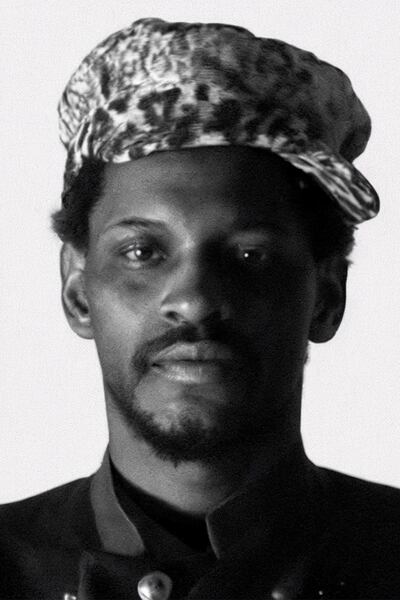
Tariq Amar Devega, who goes by the moniker A$AP Nast, is a rapper from Harlem, New York. A$AP Nast is part of the Harlem rap collective A$AP Mob, a group of rappers, producers, graphic designers, and fashion designers who brought Harlem’s modern streetwear and hip-hop culture into the mainstream. Nast’s breakout was his 2013 song ‘Trillmatic.’
Through “Objects,” Nast pays homage to Abloh’s ability to “bend time and be everywhere at once.”
What makes something an icon?
Time. That’s the real test. People often want to call something iconic the minute it comes out, but you can’t really tell at such an early stage. An “icon” first has to live with people. It has to go through different moments, different generations, different moods — and still mean something. That’s when you know it’s not just a trend.
To me, iconic things usually have some kind of truth to them. It could be a jacket, a song, a clock, a photograph — you can feel when something comes from a real place. It has its own language. It doesn’t need to explain itself too much. People just understand it. And then years later, if it’s still being referenced, still being talked about, that’s when an icon is born.
What’s one thing people mistake for being iconic?
People confuse hype with being iconic. Just because something is expensive, or rare, or everybody is posting about it, that doesn’t mean it’s iconic. A lot of things are hot for five minutes. Everybody wants it, everybody talks about it, then a year later nobody cares.
Also, people think if something looks similar to an established icon, then it becomes iconic too, but that’s not how it works. You can’t just copy the shape, copy the attitude, copy the reference and think it’s going to have the same feeling. The feeling is the whole thing. If there’s no soul in it, people know. It might sell, it might go viral — but that doesn’t mean it lasts.
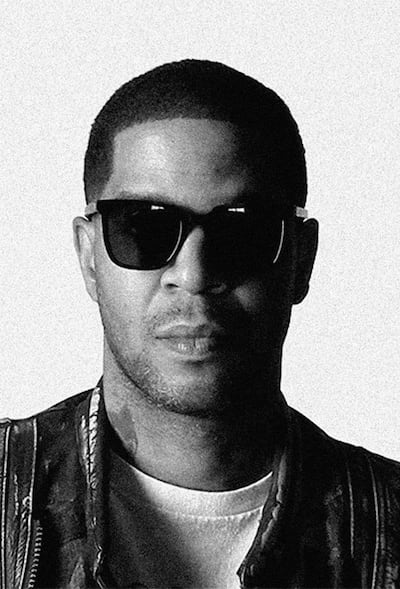
Scott Mescudi, known professionally as Kid Cudi, is an American rapper, singer, designer and actor.
Cudi gained major recognition following the release of his mixtape titled “A Kid Named Cudi” in 2008. He was subsequently signed to Ye’s (the artist formerly known as Kanye West) Good Music label imprint.
Through “Sneakers,” Mescudi returns a 2021 Off-White shoe to its sport codes. At the same time, he “proposes product as platform, product as art and product as a blank canvas for expression — all rooted in the foundational concept of freedom.”
What makes someone an icon?
To me, an icon is someone who is completely original and unique and a certain “I don’t give a fuck” attitude. You have to be a disruptor — someone who takes chances and swings big, no matter how the chips may lay.
To walk the path of an icon requires bravery. In your mind you always have to think about how you can stick out amongst the crowd. A lot of people don’t have the confidence to be an icon — this role isn’t for the faint of the heart.
I look at every icon as a hero: people that blaze new trails and expand the audience’s mind. These are rules I’ve lived by my whole career.
What’s one thing people mistake for being iconic?
People mistake popularity with being iconic. Just because something is popular, doesn’t make it an icon. You can be a popular artist but not be brave or take chances. You can be a popular artist and make a lot of money, but still not affect change in the culture. There are many people in the industry who are popular and don’t have an ounce of creative courage.
People get Instagram followers and likes confused with being iconic all the time. You have to do something that shifts things. You have to make an imprint on the world, on the culture. I think a lot of the confusion comes from people trying to trick you into believing they’re greater than they are. But real ones can tell between the authentic and the manufactured.
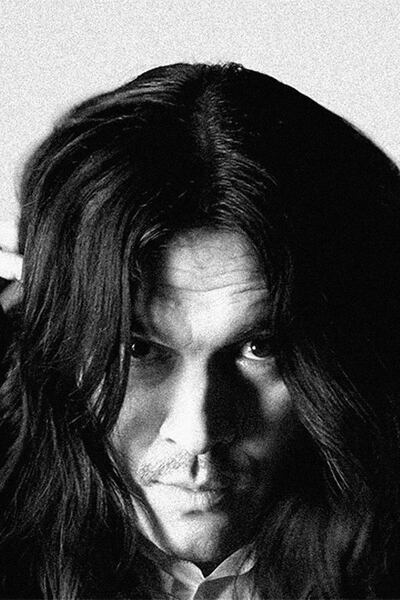
Born in Guatemala City and relocating to the US at the age of eight, Guillermo Andrade is a fashion designer and co-founder of the urban streetwear store FourTwoFour on Fairfax in Los Angeles.
Through “Denim,” Guillermo pairs his deep design expertise with the concept of “Abloh as muse.”
What makes something an icon?
For me an icon is an unmistakable reference point.
Even if it’s slightly altered or portrayed in a different light, it still draws back to the original reference. It’s a full commitment to an idea that is refined and exhausted relentlessly until its presence is felt across culture. Ultimately, the people decide what is iconic. Does it make it into their lives? Does it leave a mark? Can they adapt your icon and make it their own so it transcends?
Can iconic status be designed, or does it only develop over time?
For me design and time go hand in hand.
Purposeful design, often addressing a specific problem, is powerful. Look at the Porsche 911 for example — it has an engine at the back alongside a design that both continue to redefine the car within the boundaries of its purpose. The silhouette is iconic but the commitment and respect to the purpose of the 911 make it truly iconic.
Martin Margiela is a designer whose work, to me, stands the test of time because of its bold simplicity — a design language so unique that when anyone tries to incorporate it into their own work, you can immediately recognise the Margiela reference. Sometimes you don’t even know you are referencing Margiela — because he’s already done it. Exhaust the idea to its most raw form, with real purpose, and you find an icon.
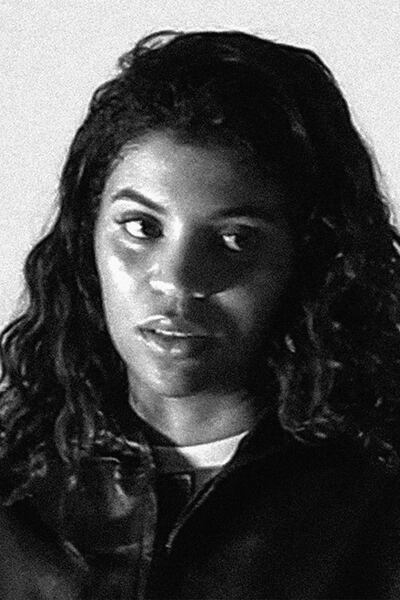
Renell Medrano is a Dominican American photographer and director who explores her Dominican identity and the multicultural community of her youth in her work. Medrano has shot for Vogue, The New York Times and more.
In “Eyewear,” Renell reinterprets the Off-White aesthetic through her own creative lens.
What makes something an icon in the first place?
I think an icon is something that creates its own language. You recognise it immediately, but it also leaves space for people to reinterpret it and make it their own. That’s what gives it longevity.
What’s one thing people consistently mistake for being iconic?
Something being instantly recognisable. Recognition can come from repetition, but that doesn’t necessarily give something meaning. To me, iconic means there’s a real idea, feeling or history behind it.
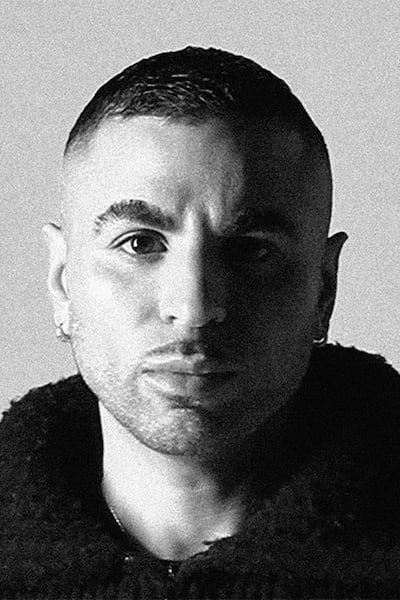
Dominican-American designer Raul Lopez is the founder and designer of Luar. Lopez began to design at the age of 12, drawing inspiration from the New York scenes around him. Luar is a favourite of celebrities like Dua Lipa and Shawn Mendes, with the label becoming a highlight of the NYFW calendar.
Through “Bags,” Lopez weaves the philosophies of New York City and the Dominican Republic into the Off-White Jitney bag.
What makes someone or something an icon?
I don’t think icon status is something you can force. The minute you try to manufacture it, you’ve already lost it. An icon is born from truth: it’s something that connects so deeply with people that it becomes part of their lives, their memories — even their identity. It doesn’t belong to one person anymore — it belongs to culture.
The icons I admire all have one thing in common: they changed the conversation without asking for permission. They didn’t follow what was happening — they created a new language. That’s always been my approach with Luar. I’m not interested in making products that simply look beautiful. I want to create objects and moments that people see themselves in. If something can make someone feel seen, represented or powerful years after it was created, that’s when it stops being just fashion and starts becoming an icon.
What’s one quality that every icon shares, regardless of discipline?
Conviction. Every icon has an unwavering belief in who they are, even when the world doesn’t understand them yet. Before people celebrate them, they usually question them. That willingness to stand alone — to trust your instincts instead of chasing approval — is what separates an icon from someone who’s simply successful.
The greatest icons don’t just leave behind beautiful work; they leave behind permission. They make it easier for the next generation to take up space, to dream bigger and to exist without apology. As a Dominican kid from New York, I grew up looking for reflections of myself and rarely found them. That’s why I’ve always believed that real influence isn’t about being everywhere — it’s about making someone else believe they belong. That’s the kind of legacy worth building.
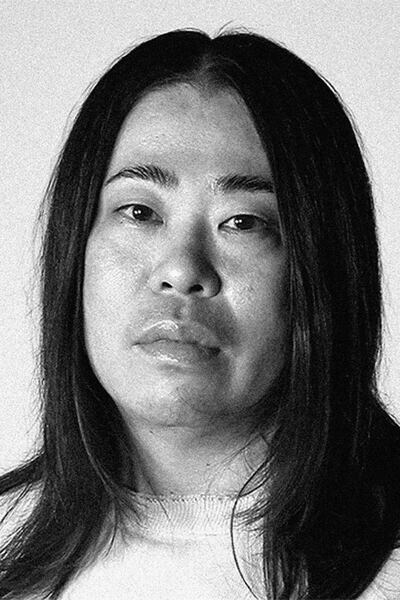
Yuta Hosokawa is a Japanese designer and founder of Readymade, a label that upcycles vintage military wear into luxury clothing and accessories. Hosokawa and Los Angeles-based artist Cali Thornhill DeWitt also founded Saint Michael streetwear brand in 2020.
“Hoodies” sees Hosokawa take the creative codes of Readymade and Saint Michael, and apply them to an Off-White sweatshirt.
What makes something an icon?
To me, an icon is not something born out of temporary flashiness or passing trends. Its true essence lies in minimalism and a timeless universality. Real icons are not created by inventing something brand new from scratch. Instead, they come from shifting the perspective on the subtle, everyday things we see and touch all the time. By simply altering our view of the familiar, new value takes root, turning the ordinary into something fresh, exciting and everlasting.
Who or what has most influenced your own definition of an icon?
My way of thinking definitely comes from my discovery of Marcel Duchamp and his concept of the “readymade.” Back when I was trying to figure out the core identity of my brand, I came across his work. Seeing how he could take a simple mass-produced item like an everyday urinal and completely flip its meaning through just an idea and a minimal twist was a huge eye-opener. I instantly realised, “Wait, I can use this exact same approach for clothing.”
Duchamp showed me that design isn’t about constantly making new stuff from scratch, but about picking existing things and reframing them with a fresh attitude. That playful, Duchampian logic is still the absolute foundation of how I make clothes today.

Veneda Carter is a Danish-Polish celebrity stylist and designer based in Los Angeles. Her client roster includes the likes of Kim Kardashian and singer Charlotte Cardin.
Carter founded her eponymous jewellery label in 2022. It features textured earrings and necklaces in silver and gold, as well as jewel-embellished rings and layered pendants.
Through “Womenswear,” Carter reconceptualises the Off-White “Meteor” motif as “a visual calling card.”
What makes someone an icon?
To me, icon status starts with authenticity. Being iconic means to leave a lasting impression — one that transcends different cultures and industries. The icons of our time are often referenced in generations to come and that is what makes those people stand out.
The people I find most inspiring all have a style that feels completely their own — one that they share with confidence. David Beckham, with his play on proportions; Monica Belucci’s lingerie-inspired silhouettes; Gwen Stefani’s oversized T-shirts and stacks of jewellery from her “No Doubt” era — you cannot picture anyone else wearing these looks because it isn’t really about the clothes, it’s about who they are. Their styles feel like an extension of their identity — and still feel relevant today.
It’s less about having a signature outfit and more about creating a visual language that’s instantly recognisable as your own. That’s what I connect with and how I think about my own style. I want to build a wardrobe that feels instinctive, not performative. I’m drawn to pieces that become part of you over time instead of feeling like a costume.
Can iconic status be designed, or is it something that only happens over time?
Icon status comes from creating something so genuine, consistent and memorable that people recognise it instantly — not just because of how it looks, but because of what it represents. Trends come and go but icons endure because they remain true to themselves.
I’m passionate about developing my own visual language through the shapes, silhouettes and styling I’m drawn to because they feel individual and distinctly my own. I don’t think great taste is formed overnight. It develops through years of refining your perspective, staying consistent and resisting the urge to constantly chase what’s new. I don’t think the most enduring work is necessarily the loudest, but the work that becomes instantly recognisable.
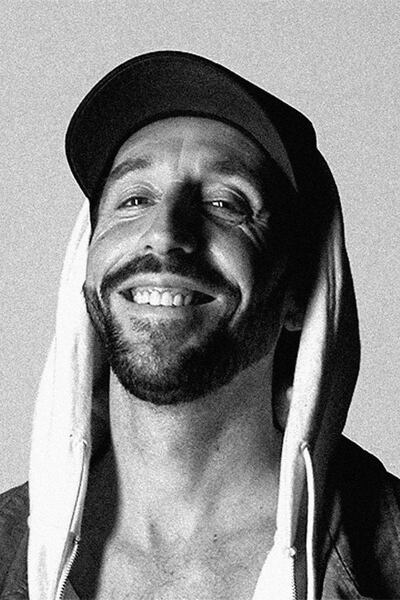
Designer Stéphane Ashpool founded Parisian streetwear label Pigalle in 2008. The label — named after the once-gritty, now hip neighbourhood of Pigalle, Paris in which he was raised — is a nod to Ashpool’s interest in subcultures and basketball.
Ashpool’s longstanding, deep relationship with Abloh is expressed through “Varsity,” a jacket that nods to Off-White’s heritage motifs and Ashpool’s own “willingness to play.”
What makes something an icon?
An icon is like the eruption of a volcano. It happens in a very authentic, organic way. An icon is often formed from a combination of elements rooted in heritage, transformed through a contemporary perspective — and strong enough to stand the test of time. In a way it’s about being in the right place at the right moment. One thing I believe is that you can never predict what will become an icon next.
Who or what has most influenced your own definition of an icon?
An icon somehow represents a way of life, a way of seeing the world and a memory. It becomes anchored in our minds and stays with us far beyond its original purpose.
Icons are often part of our everyday lives. They can be songs, objects, garments — even something we eat. To me icons are like gold nuggets left behind after sifting through everything else. They surround us in our daily lives, appearing in different moments and different situations carrying a meaning that goes far beyond their original function.

South London-based Bafic is a director and artist who works across mediums including photography, film and public installation. Through his art, he dissects the state of humanity through engaging visuals often inspired by modern city life.
Through “Fine Print,” Bafic employs his signature convention-challenging visual structures to “evolve trademark Off-White concepts.”
I think it’s something that is the embodiment of an eternal, human truth.
It’s the cause of great conversation and contrasting opinions. None of these opinions are wrong — it’s the accumulation of this dialogue over time that gives it that icon status.
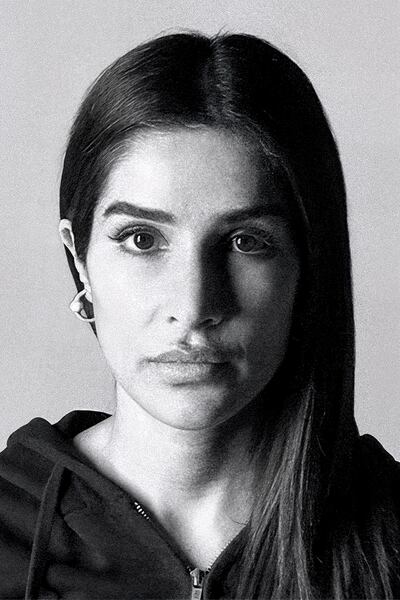
Australian creative Ava Nirui first came to public attention in the mid-2010s when her bootleg projects — which spanned Louis Vuitton inhalers and Dorito block heels — caught the attention of celebrities and fashion editors alike.
From 2017 to earlier this year, Nirui served as the creative lead for Marc Jacobs’ sub-label, Haven.
Through “T-shirts,” Nirui brings her signature gender-agnostic viewpoint and ’90s youth culture nostalgia to the everyday Off-White uniform, celebrating how it can “represent, grow and nurture a global community.”
What makes something an icon?
When something takes on cultural meaning beyond its face value.
What’s one quality that every icon shares, regardless of discipline?
The ability to mean something across generations.
This is a sponsored feature paid for by Off-White as part of a BoF partnership.
Loading recommended reads…
For the last twelve months, the designer has played therapist to the brand’s ‘multiple personality disorder.’ This latest session for Spring/Summer 2027 was a breakthrough.
Gucci, Moschino, Tod’s, Institution and The Attico each offered their vision of fashion for the people as commercial pressures put the customer squarely in focus, Angelo Flaccavento writes.
A Bank of America analyst downgraded shares of the sportswear maker to underperform from neutral, pushing back expectations of a sales turnaround to 2028.
The manufacturer of the gel eye masks that broke the internet weighs in on why Fenty Beauty, Huda Beauty, and Glow Recipe announced the same product within a week.