Agenda-setting intelligence, analysis and advice for the global fashion community.
Agenda-setting intelligence, analysis and advice for the global fashion community.

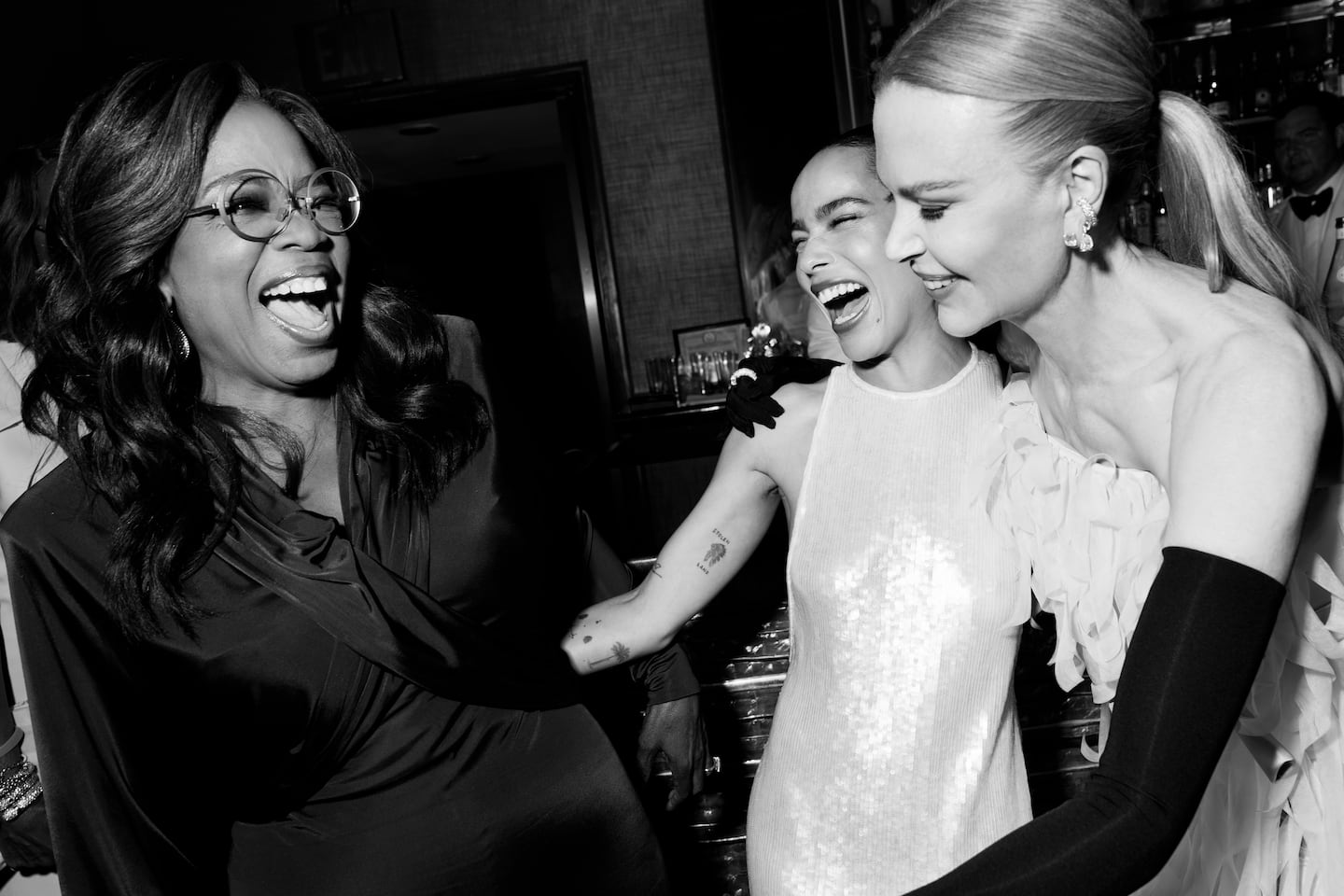
Nowadays, it’s not just the party invitation that matters, but the photograph you get when you’re there.
Party photography, which has always been an element of the fashion industry, is a bigger business than ever. Brands are investing more heavily in getting images of their events that pop on Instagram. And today, even guests are putting more money towards photography, in some cases bringing their own professional photographer to follow them around at an event or take their picture while they’re getting ready or en route. Plus, there’s the occasional free agent who arrives hoping to snap a photo someone in the fashion circuit would pay for.
In a fast-changing media landscape, where AI is starting to encroach on brand work, working directly with party and event goers is a new revenue stream for photographers. For the celebrities and influencers that hire them, it’s a way to control their images or gain publicity. When attendees are investing the cost of hair, makeup, travel to be there, no one wants to chance a bad photo — or worse, no photo at all. And in fashion, a party isn’t just a party, but an important way to show off access and build their brand online. With that, party shots today are more stylistic and editorial.
“Content is king, it is social capital. You’re rich when you have a lot of beautiful content [because] you can make money and fame off of it,” said German Larkin, a Milan-based photographer who has shot event guests for brands including Balenciaga, Valentino and Gucci, as well as the nuptials of Bezoses, Hiltons and Beckhams. “When you have money already, what do you need? Content.”
ADVERTISEMENT
Brands, once reluctant to shell out for party photos because photographers would work for access and guests come with iPhones, now see the value in getting good guest photos that attendees want to post themselves.
“Its a huge marketing tool for brands, but also personal promotion of the talent. It’s a win-win game,” said Larkin. “There’s a whole industry of young people doing beautiful content.”
But it’s the individuals paying photographers that are really driving a lot of the new demand. For them, a good party photo “is about showing who you are, what your community looks like and what your world feels like,” said Hollie Molloy, a London-based photographer who works with model Rosie Huntington-Whiteley and personality Maya Jama.
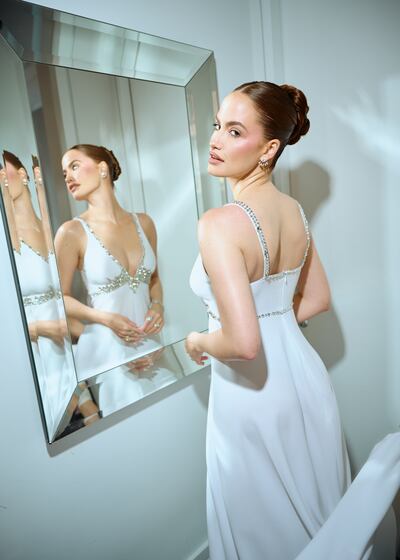
Sabrina Harrison, a Texas-based entrepreneur, philanthropist and member of Vogue100, a club for fashion enthusiasts with a $100,000 entry fee, started hiring personal photographers to shoot her getting ready, on the way and occasionally at events after attending Dolce & Gabbana’s Alta Moda runway where a hailstorm broke the sky open mid-show.
“I remember being at the event and I knew I just wanted to capture these events for me, like I cannot forget these moments,” she said. Through her work with a team of photographers, makeup artists and stylists, she’s built an audience and profile, which includes 25,000 followers on Instagram, photo spreads in Vogue Mexico and L’Officiel.
It’s also a matter of minimising risk: “People don’t want to gamble on ‘did I get the shot?’ ‘I had this dress made for me, I paid $400 for hair and another $500 for makeup,’” said Ryan Sides, a photographer who got his start shooting reality star Brooks Nader at events like the Sports Illustrated party and has worked with influencers such as Ellie Thumann and Camille Kostek.
It also allows them more control over turnaround time, so a VIP doesn’t miss their posting window, said Nicolas Gerardin, a Paris-based photographer who works with Shakira, Priyanka Chopra, Blackpink’s Lisa and figures like Lauren Sánchez Bezos and Georgina Rodríguez (model and partner of Cristiano Ronaldo).
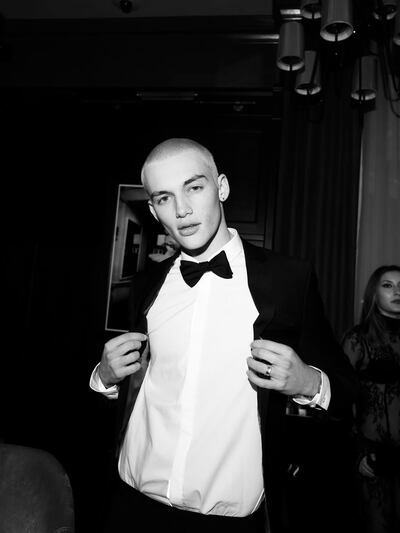
Plus, a hired hand is incentivised to make their client look good. The photography that’s popular among this crowd tends to be super flattering: punchy, high-flash and high-contrast light that everyone looks better in, said Joseph Bishop, a London-based photographer. He’s overheard clients calling the ProFoto light accessory many use “the Jesus light.”
ADVERTISEMENT
“I give them what they want that’s in line with their feed and their style,” said Molloy.
For some photographers, this work is a starting place for building a portfolio; for others, it’s the bulk of their business. On the high end, pay can be as much as $25,000 for a single event; for others — especially those who are just starting out — the service is provided in exchange for an invite to an exclusive event, according to Larkin. Depending on the power of the celebrity and negotiating prowess of their agent, brands even end up paying for some VIP’s personal photographers as part of their glam budgets.
But the monetisation potential extends beyond what an individual is paying. If the brand hosting the party likes the photo, they might buy it. Sometimes, Sides and Molloy will shoot multiple VIPs at one event, who are each paying them individually. (All parties, they said, give consent.)
Even beyond formal licensing, guests will pay “thank-you fees,” said Larkin, for a photographer’s focus or a good shot.
Today, it’s not just the most-followed public figures who are crafting their images through a more editorial lens. There’s a cottage — albeit profitable — industry in photographing high-net-worth people or “VICs” attending events, as they become more important to luxury. These clients are also usually willing to shell out for other shoots, whether a wedding or just at home in their couture. That’s “where the real money is,” said Molloy, with pay up to four times her day rate.
For some of these clients, it’s a way to gain more of a foothold in fashion, according to London-based photographer Marco Bahler: “Because you want to be part of [the industry] you have to do it and get a Vogue article or get people to talk about you and bring you to the next show,” he said.
This shift towards image-making in the hands of individuals has trickled to every part of the business, said Gerardin, who gets much of his editorial and brand work directly through his own clients, and even shoots a photo bank for celebrities to have at the ready for a cover when a magazine wants to feature them.
“Everything has changed, the business has completely shifted,” he said.
As camera phones and Instagram reshape access, control and distribution, Dave Benett speaks to Imran Amed about the enduring value of party photography.
A set of underwhelming first-quarter revenues from French luxury groups LVMH, Kering and Hermès is challenging hopes for a sector recovery this year.
CEO Luca de Meo outlined manufacturing synergies, threw cold water on the group’s Valentino acquisition and shared some stealthy forecasts for Gucci’s growth as part of a sweeping strategy overhaul. Will it work?

Joan Kennedy is Correspondent at The Business of Fashion. She is based in New York and covers beauty and marketing.
Loading recommended reads…
This week, Europe’s leading luxury groups LVMH, Kering, Hermès and Prada will show who’s pulling ahead in the stubbornly choppy environment.
Sales of gems, precious metals and artwork at Japan’s department stores climbed 19 percent in the first half of 2026 from a year earlier to $2 billion.
Though Adidas dressed both teams in the World Cup finals, the global football tournament still presented some bright spots for Nike, writes Bloomberg’s Andrea Felsted.
From our archive, the creator and host of award-winning podcast “Articles of Interest” joins BoF founder, CEO and editor-in-chief Imran Amed to explore what clothing can reveal about identity, culture, labour and the world around us.