Agenda-setting intelligence, analysis and advice for the global fashion community.
Agenda-setting intelligence, analysis and advice for the global fashion community.

The executive Simone Dominici has a unique diplomatic skill: He can sell Americans on Italian-made goods. Throughout his decades-long career, he’s helped introduce everything from Bottega Veneta’s luxury leather goods to Bertolli olive oil to US shoppers.
His latest Mediterranean import? Masstige cosmetics brand Kiko Milano — with a side of la dolce vita.
“We are also bringing the Italian culture of living, which is broader than just makeup. It’s promoting confidence, rather than perfection,” said Dominici, who has been the brand’s chief executive since 2022.
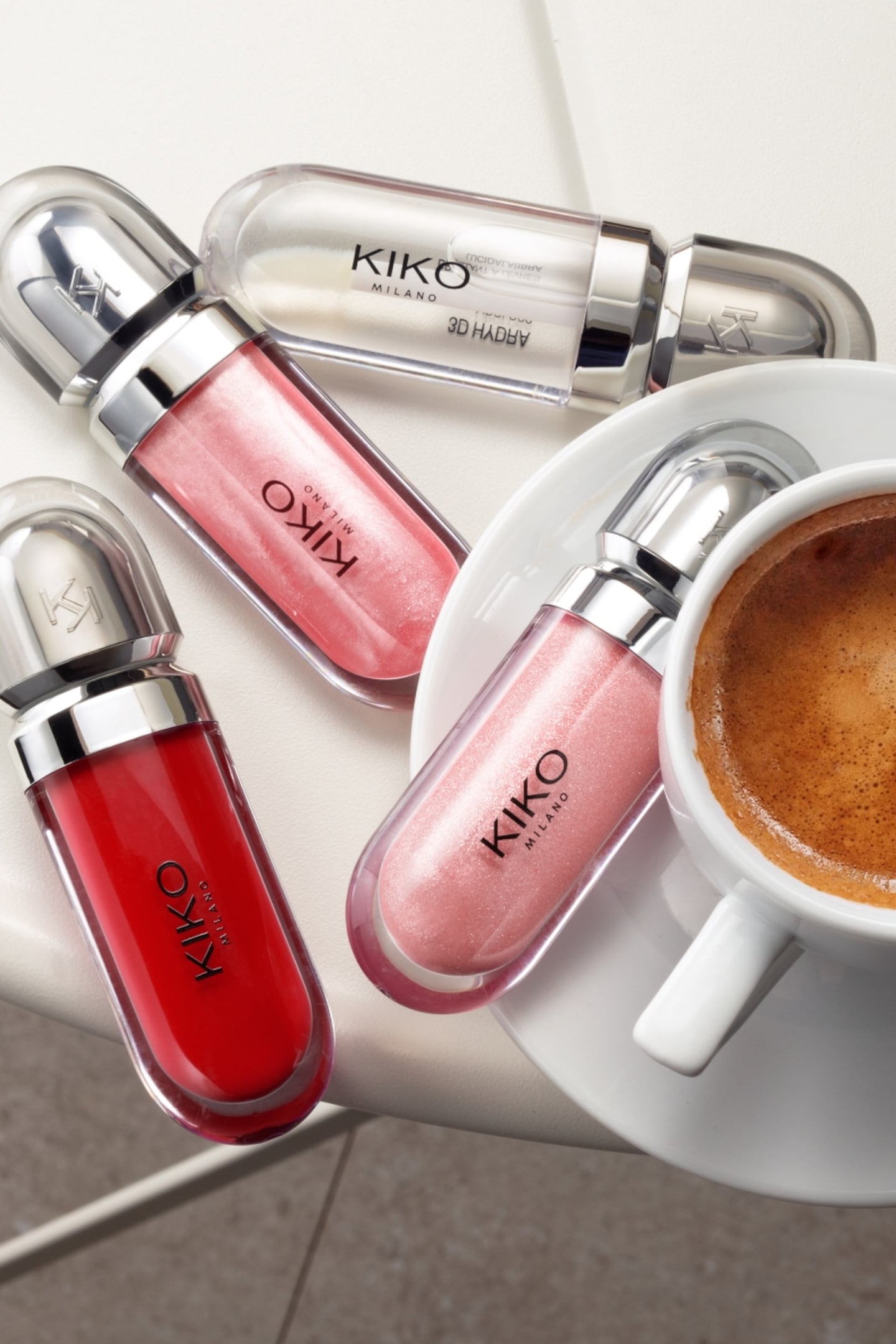
On June 6, Kiko Milano will launch at Macy’s historic Herald Square location and online, and roll out to 75 more stores nationwide by the end of the year. In September, it will open its own flagship store in New York City’s SoHo; Miami will open in August. Kiko Milano is well-established in Europe — it’s often referred to as the “MAC of Italy” for its broad range of high-quality cosmetics and has over 1,300 stores globally. It’s had no shortage of viral hits like its 3D Hydra Lipgloss and Maxi Mod Mascara, while a brand elevation strategy, led by Dominici, has seen the brand premiumise by adding department stores like Galeries Lafayette to its distribution network and introducing costlier products like skincare.
ADVERTISEMENT
The launch will be significant both in terms of products — Macy’s will carry some 600 SKUs — and in terms of Kiko Milano’s growth ambitions. Since being acquired by private equity firm L Catterton from the founding Percassi family in 2024, Kiko Milano has been preparing for this moment. It is already a juggernaut internationally, with over $1 billion in sales in 2025, and has also opened storefronts in India, Brazil, Chile and Mexico in the last two years. But without a foothold in the US, it has yet to realise its goal of becoming a true global beauty brand.
“This is about market share gaining. We’re new in the market, so we need to convince people to choose us,” said Dominici.
A previous attempt to launch on American soil in 2013 failed. “We didn’t study the consumers or the distribution model enough,” said Dominici. (The brand opened its own stores to launch directly to consumers, like it has done overseas. American customers, it turned out, preferred speciality and department stores; it largely withdrew in 2017, but still has two stores in Miami and opened a Queens, New York location in 2024.)
While Sephora and Ulta Beauty are the tastemakers in the US, they typically offer a single gondola at launch. Kiko Milano wants something more akin to a shop-in-shop, which Macy’s can offer. And while its products are half the price of floormates like Lancôme, Bobbi Brown or the real MAC Cosmetics, the brand will need to educate consumers on its quality and storytelling. Sarah Brown, a brand consultant and contributing editor at EE72 said historically, Kiko was the “European colour brand par excellence‚” and that she and fellow editors would stock up on the line when travelling internationally. “But how is [Kiko Milano] differentiating itself from others now? Because we don’t need another colour brand [in the US],” she said.
Dominici believes that now is the moment for the brand’s core proposition in the US: prestige quality, affordable price, a little bit of under-the-radar cool. “Our positioning of innovation, novelty, technology and creativity, craftsmanship … when every dollar counts, we become the best option,” he said.
Kiko Milano has a somewhat juxtaposed business model.
In its brightly lit, packed-out stores, pop music plays and shoppers throng to sample lip liners, swatch concealers or daub on blushers. It skews towards young, makeup-obsessed shoppers; one can pick up a metallic eyeliner, a plumping lip gloss and a demure blush and still have change from a $50 bill.
But despite the youthful appearance, it has long offered more traditional department store touches: Services, like mini makeovers or shade-matching, are a key part of its business model, and it also offers complimentary engraving on certain products.
ADVERTISEMENT
That premium twist is part of Kiko Milano’s secret sauce, said Katie O’Reilly, the line’s US executive vice president and managing director. These touches make the brand experience feel more elevated, making the price seem an even better deal, and also encourage customers to shop more. “[Beauty advisors] help the consumer navigate the store, lead them through trial and open up the door for personalisation or customisation,” said O’Reilly. (Incidentally, O’Reilly has previously worked at both Macy’s and MAC Cosmetics.)
The value equation is good. But American customers aren’t predominantly shopping for cosmetics in department stores as much as they are in specialty retail or on Amazon or TikTok Shop. Convincing customers to shop with Kiko Milano in store may not be the issue, but getting them into a Macy’s might be — the US retail stalwart is in the midst of a turnaround, with plans to shutter around 150 stores (about 30 percent of its total fleet) by the end of 2028.
Like many other department stores, it has battled declining foot traffic and relevance as shopping habits have shifted online. Though Macy’s has found a niche in perfume and remains the US’s largest fragrance retailer, its assortment in other categories like makeup and skincare is ripe for rejuvenation.
“[Kiko Milano’s arrival] makes Macy’s a destination in a way that perhaps they haven’t been in the past,” said Brown. Dominici said the retailer is a perfect partner for its physical space and the quality of its staff, adding that it will fly in staff from Italy to train Macy’s staff.
Kiko Milano trades on glamour, trend and quality; the company is headquartered in the “beauty valley” of Lombardy where major cosmetics manufacturers like Intercos are located. But many US shoppers are still in a “clean girl” moment, preferring more modern, coastal brands like Rhode and Makeup by Mario. And while Macy’s has made strides to reestablish itself as a beauty destination, investing in flashy new beauty halls and adding buzzy new fragrance brands, it’s not as hot as Sephora or cult like Violet Grey.
Nata Dvir, Macy’s chief merchandising officer, said its customers are looking for experiences, and that Kiko Milano, with its free engraving service, flashy shop-in-shops and high-octane glamour will deliver on that.
“Our customer is looking for high quality and looking for trend-driven products,” said Dvir, adding that Kiko Milano’s accessible price points are another draw. While the brand is more elevated than E.l.f Beauty or Maybelline, in the US, it lacks the flourish and name recognition of a Prada or Dolce & Gabbana Beauty. It will have to work harder to convince premium shoppers of its bona fides, and entice more mass shoppers into the department store setting.
Ultimately, the label is hoping for a second chance at a first impression.
ADVERTISEMENT
To maximise its chances of success, Kiko Milano has stacked its C-suite with industry veterans: In addition to O’Reilly, it tapped another MAC Cosmetics alumnus, former global creative director Drew Elliott as its chief brand officer in September 2025, and in April announced the makeup artist Marcelo Gutierrez as its global director of makeup artistry. In addition to painting the faces of Madonna and Bella Hadid, Gutierrez is also a contributing editor at i-D magazine. Kiko Milano has opened an office in New York’s Financial District; it now has around 40 US employees.
“More than anything, [the hiring and office show] our determination to win in the market. We’ve laid down fundamental roots that we have no plans of giving up,” said O’Reilly. Many international brands also struggle when launching cosmetics in the US due to the diversity of the consumer base, which increases the number of shades and undertones needed in complexion products; over the last year, O’Reilly said the brand has expanded its core foundation range from an already generous 42 to 49 shades to ready itself.
At a time of heightened price sensitivity, Kiko Milano’s proposition is compelling. Brown said it will have to compete against the likes of MAC Cosmetics and Make Up For Ever as a colour cosmetics authority, and brands like Nyx Cosmetics and Sephora’s own-brand Sephora Collection line on the more accessible end of the spectrum.
“It could be enough just to have a great price and to have something for everyone … but you stack it next to [any of those brands] or a founder-led brand, what’s the point of view?” she said, adding, “But I do think Kiko Milano is more fun.”
Dominici is certain that Italian-made beauty, plus a low price point and American economies of scale will equal the desired result.
“When you have an accessible price, [customers] feel more free to explore. I’m not asking you to invest €50 [$58] to try Kiko Milano. … I’m asking you for maybe €15. We’re stimulating exploration,” he said.
Sign up to The Business of Beauty newsletter, your complimentary, must-read source for the day’s most important beauty and wellness news and analysis.
Customers across various generational cohorts are changing their routines for fear of looking out of date — not looking their age.
This week, Priya Rao gets into the fate of maximalist beauty looks and LVMH’s latest update.
Brands are filling their shelves with foundations, blushes and eyeshadows that shed their dew for a velvety finish. But getting shoppers excited will require a bit of shine.

Daniela Morosini is Senior Beauty Correspondent and Special Projects Editor at The Business of Beauty at BoF. She covers the global beauty industry, with an interest in how companies go to market and overcome hurdles.
Loading recommended reads…
Sacai showed that complicated fashion can work. But technical innovation doesn’t always add up to a convincing vision, Angelo Flaccavento writes, also reporting from Louis Vuitton, Loewe and Jean Paul Gaultier.
The British retail group has brought its stakes in Burberry, Hugo Boss and Mulberry together with its luxury retail operations.
When Nike is at its peak, there’s usually a central product that gives it a cultural resonance that no other brand can touch. Typically, that’s come from Jordan Brand’s retro business. With that no longer working, let’s talk about where the brand can turn.
The retailer is investigating after users of its mobile app received a notification claiming hackers had ‘fully compromised’ company data.