Agenda-setting intelligence, analysis and advice for the global fashion community.
Agenda-setting intelligence, analysis and advice for the global fashion community.

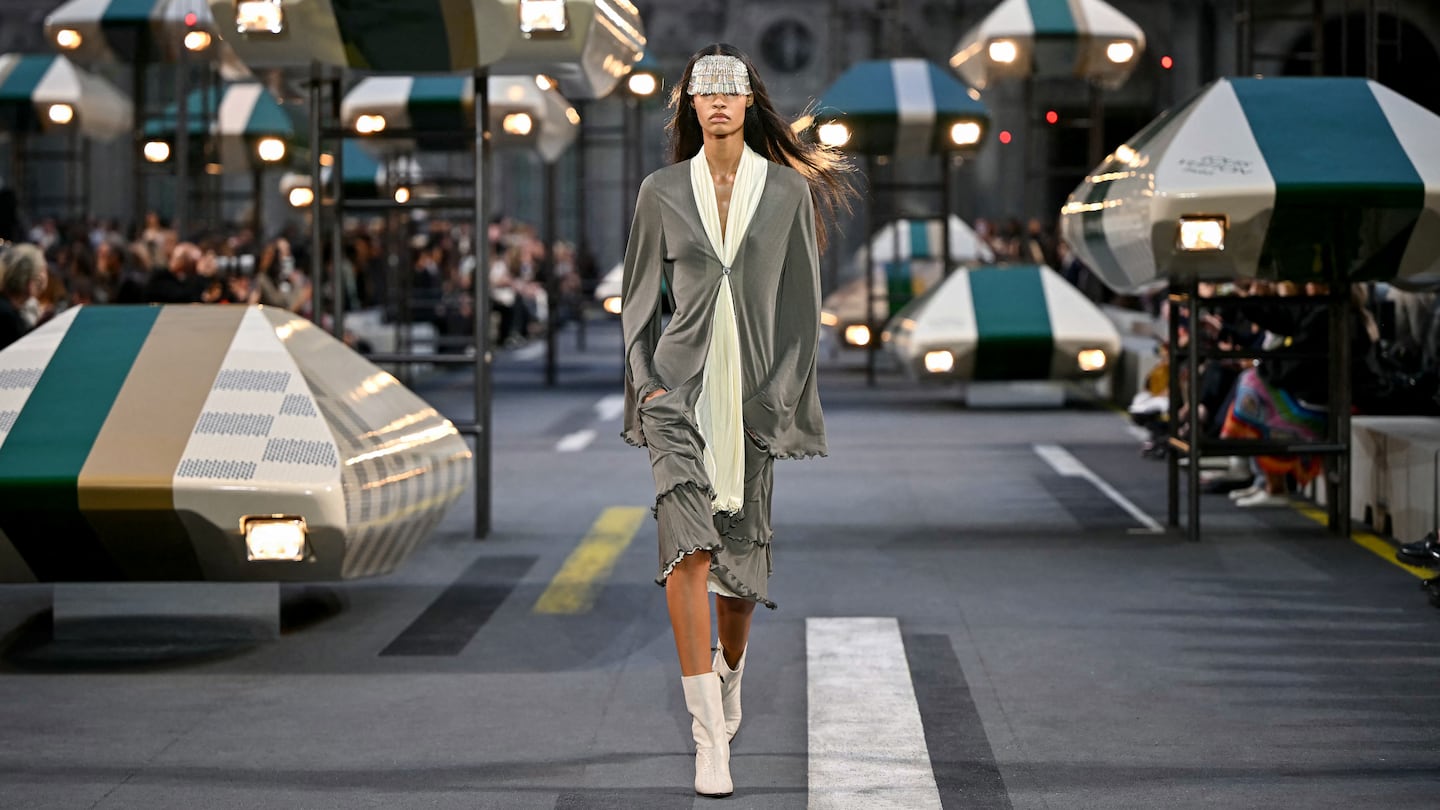
PARIS — Resolve complexity, or revel in it? In Paris, both options seemed equally valid on the last two days of fashion week.
An eternal futurist, Nicolas Ghesquière closed out a Spring/Summer season dominated by merch with a proposition for Louis Vuitton that was ergonomic and light rather than hyper-constructed. Flying cars straight out of science-fiction flicks set the scene, but Ghesquière’s designs came back down to earth. He reconnected with clothes, the body and movement through fluid cuts and featherweight materials. Gone were the costumes, the intergalactic drama, the sculptural constructions. In their place were real clothes — or at least ones belonging to Ghesquière’s particular idea of reality, informed by an obsessive exploration of materials.
Everything floated, tracing the body or barely touching it, although geometric tension kept pressing through. The robotic gaze is too deeply embedded in Ghesquière’s method to disappear altogether, and the contradiction created a certain strain, a disconnect between intention and outcome. Lightness and purity felt too pale, too sober in this liquid, ergonomic Vuitton. The show lacked some flashes of genius, the sense that Ghesquière is moving the fashion conversation forward as he has done before.
To say that Ghesquière’s first Vuitton collection twelve years ago offered a more inspired take on reality is not a condemnation: Creative cycles exist, and should be acknowledged. Louis Vuitton needs fresh eyes, or at least fresh energy — whether that comes from Ghesquière himself or whoever might eventually succeed him.
ADVERTISEMENT
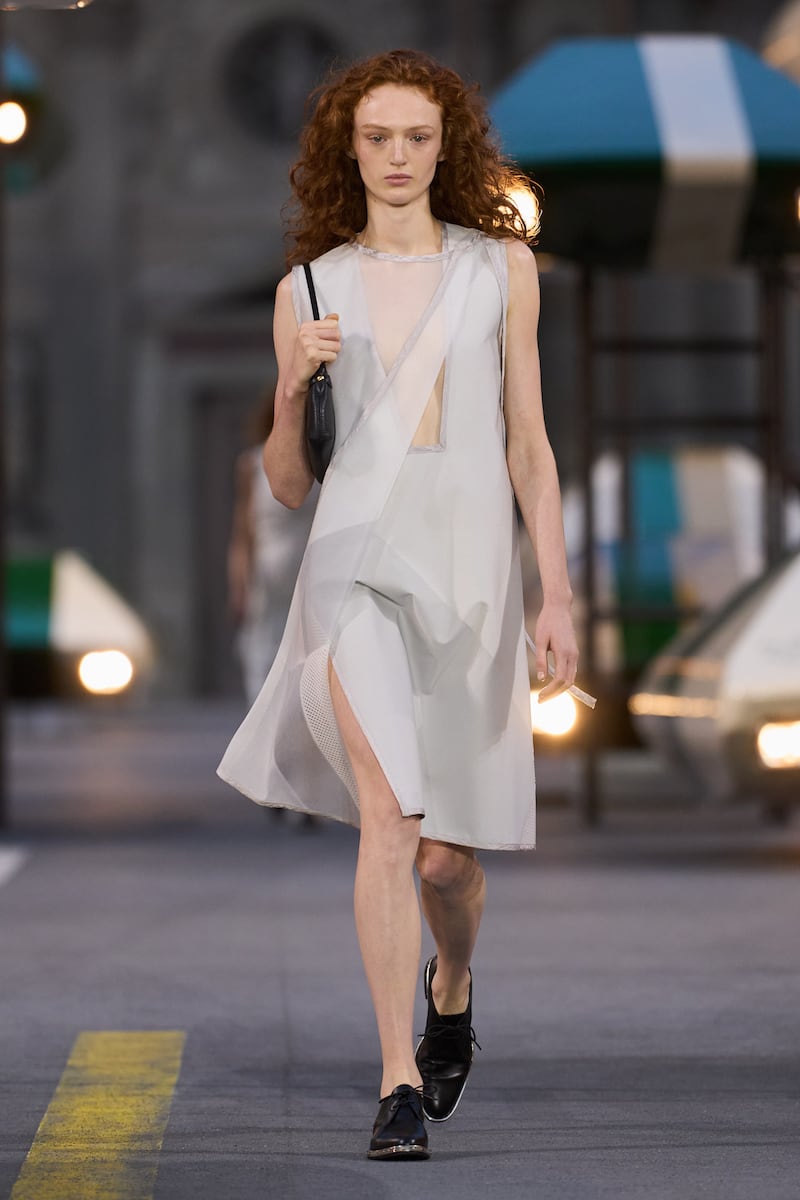
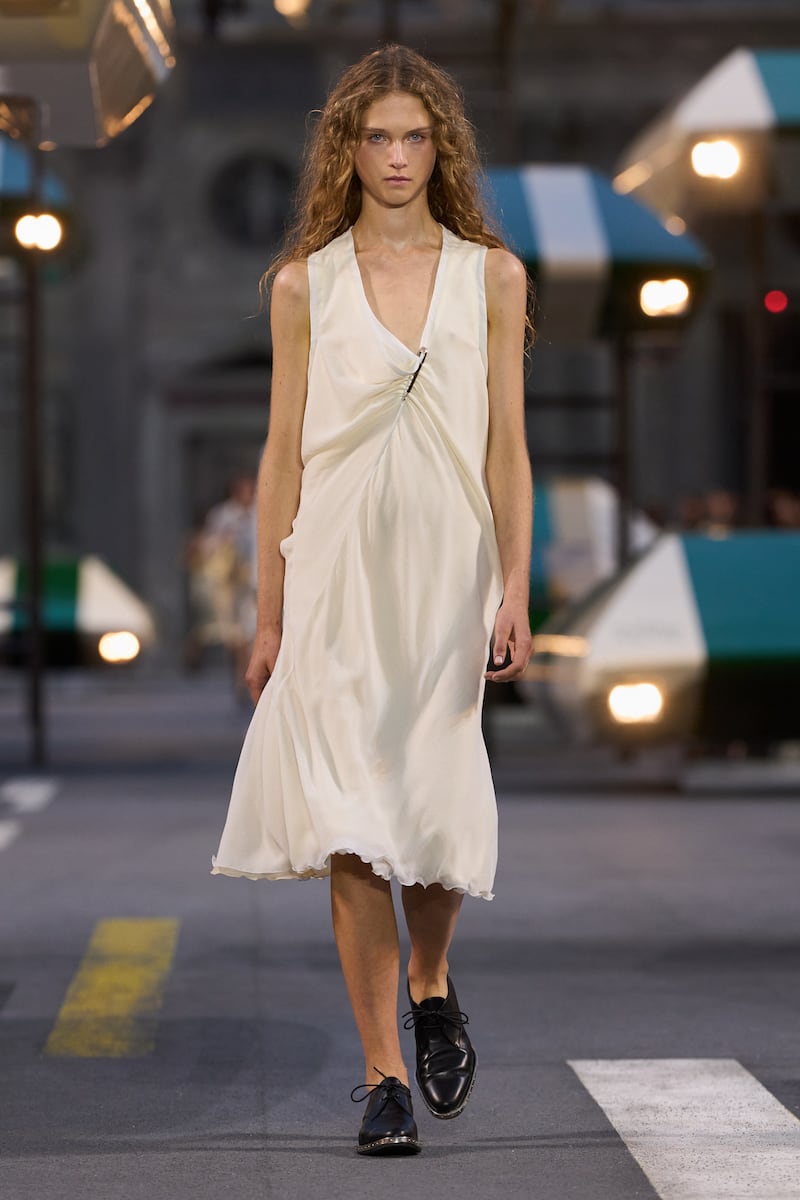
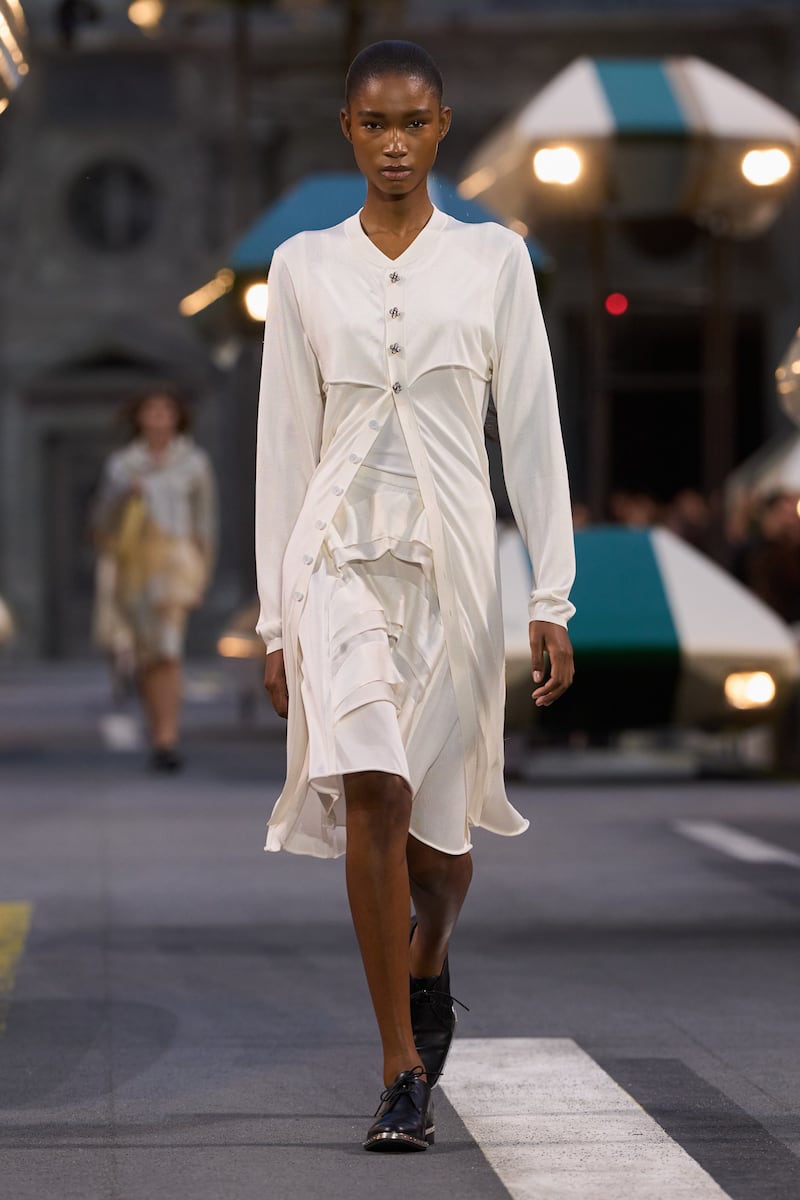
Elsewhere, complexity was about splintering the message, addressing not one audience but many. Michael Rider and Matthieu Blazy have made an art of it.
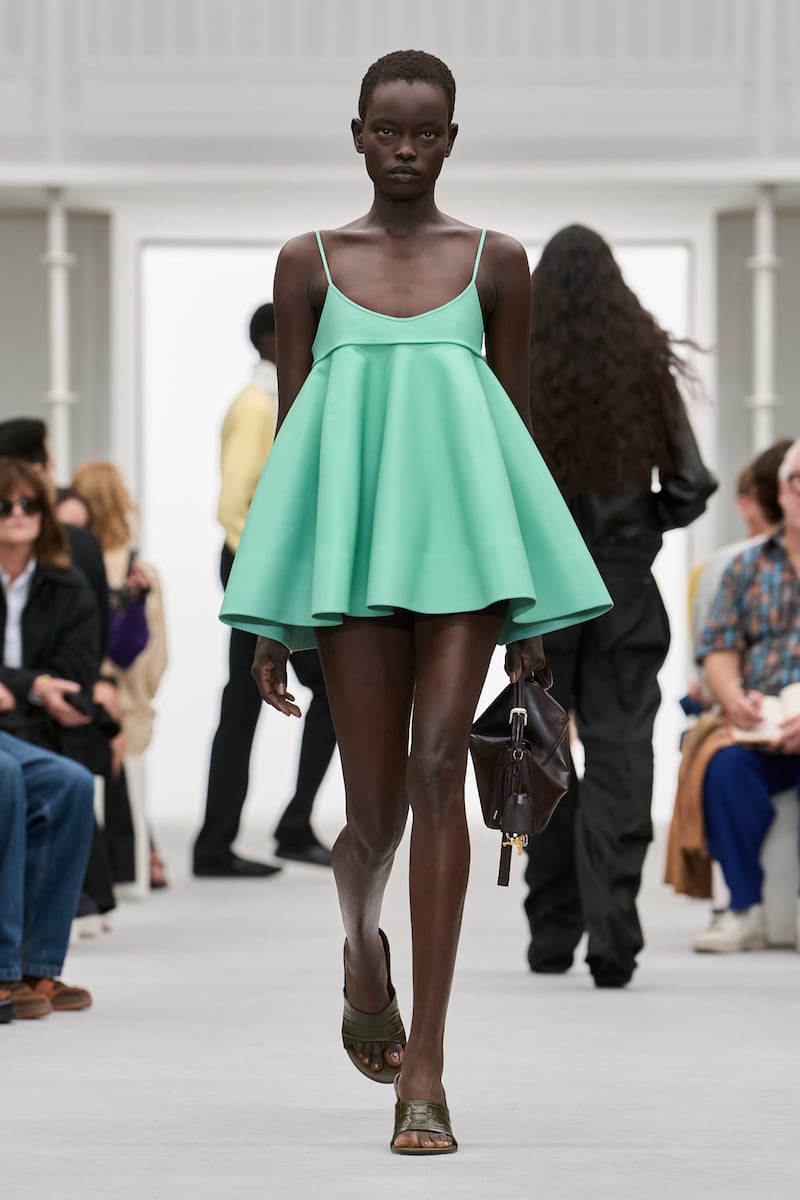
Jack McCollough and Lazaro Hernandez’s third collection for Loewe was a step forward in terms of defining a Loewe wardrobe — poised between leather and technical outerwear, sport and decoration — but a sizeable step backwards in terms of stylistic character.
The pair have always looked around, even at Proenza Schouler. But their first outings at Loewe had a point of view of their own, caught somewhere between pop and craft, the organic and the inorganic. Here, echoes came from everywhere, especially Celine. The result was formally impeccable and occasionally exciting — especially the short dresses built from overlapping coloured veils — but curiously spineless, drained of authorship. For all Loewe’s material wizardry, fashion has too many clothes like these already.
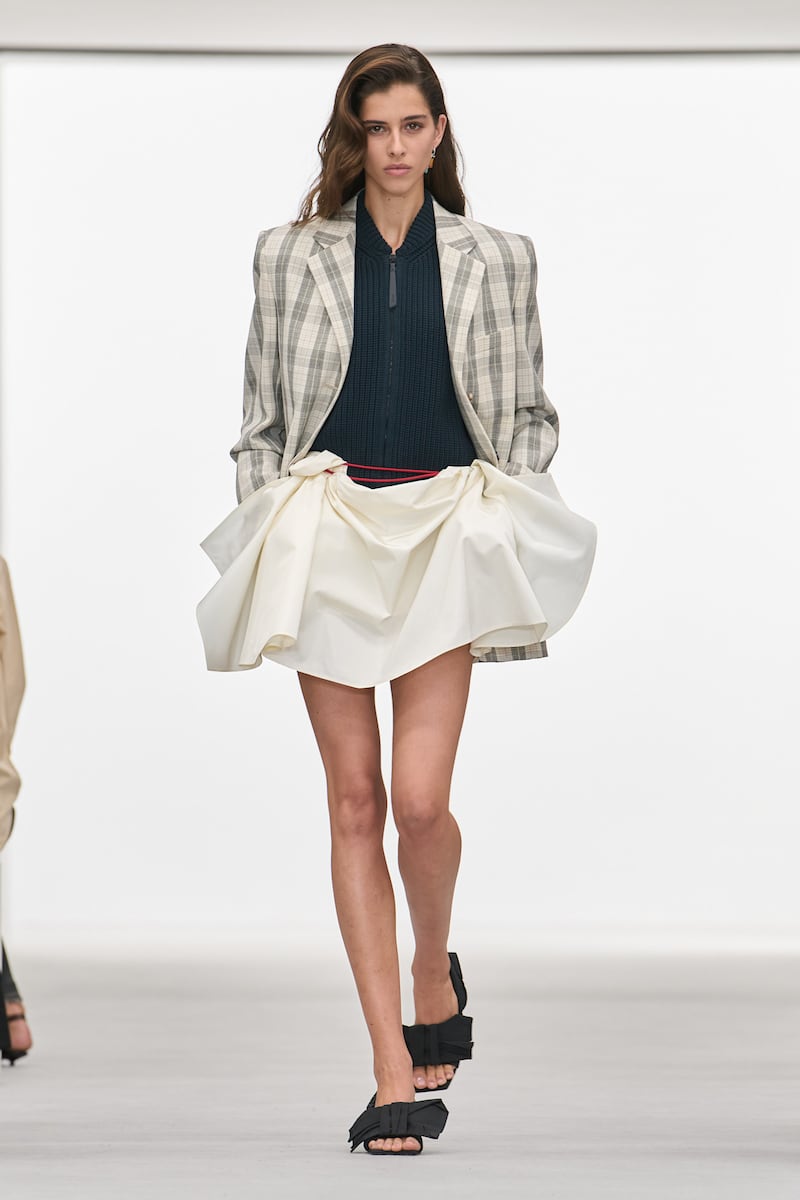
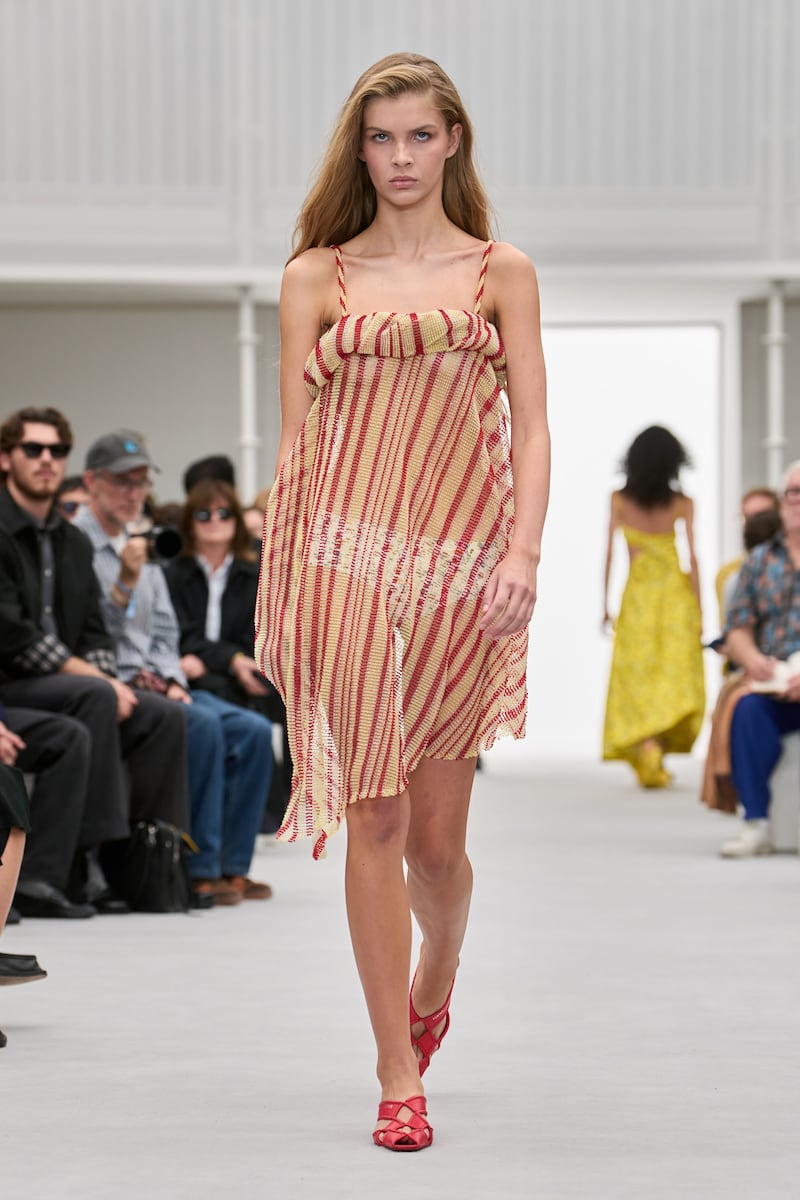
Duran Lantink’s project at Jean Paul Gaultier is clear by now: Take the experiments with body and sexuality he pursued under his own label and do them the Gaultier way. That’s to say, hopefully with more elegance and more joy. Yet his distance from the Gaultier universe — particularly its Parisian spirit — is becoming just as clear.
His collections disorient as much as they fascinate. The third one began with the white of a blank canvas and all its possibilities, then ended in boxy, prismatic tailoring. What happened in between was harder to pin down.
Lantink’s powers of invention and formal experimentation are undeniable. But his vision requires slow digestion, and there is always the risk it will remain indigestible.
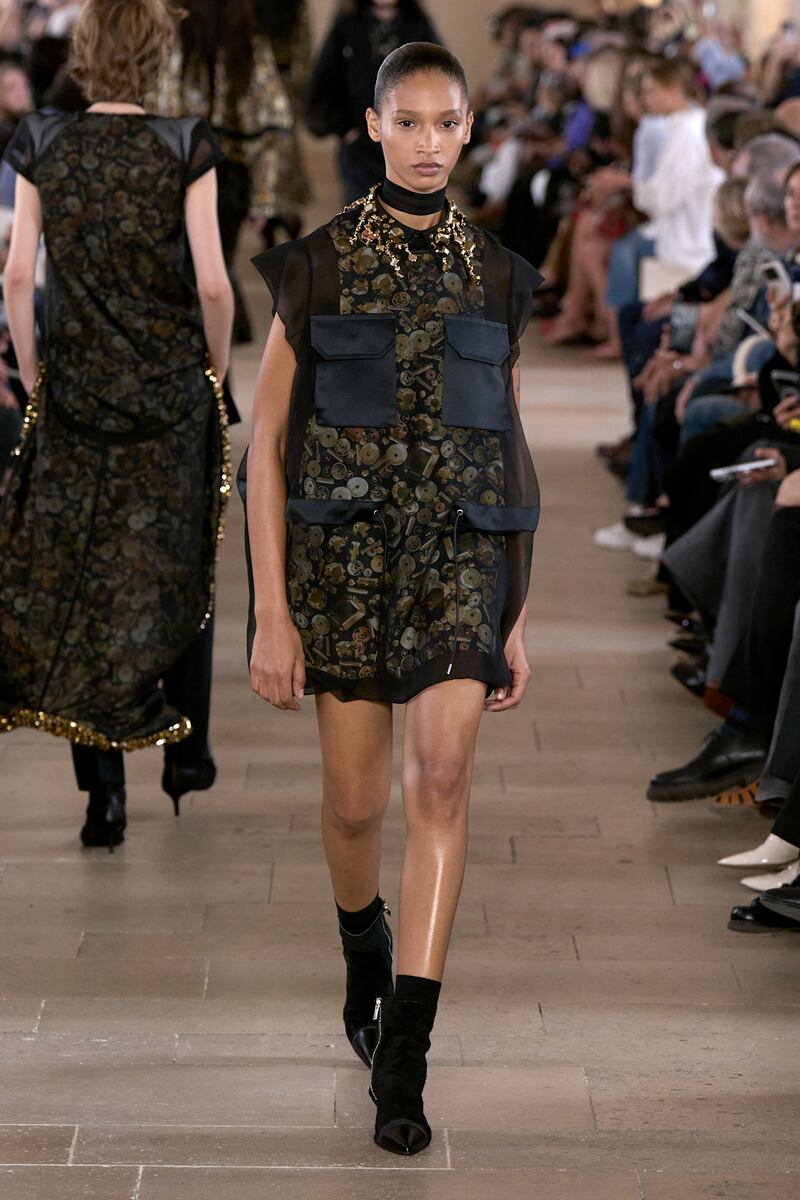
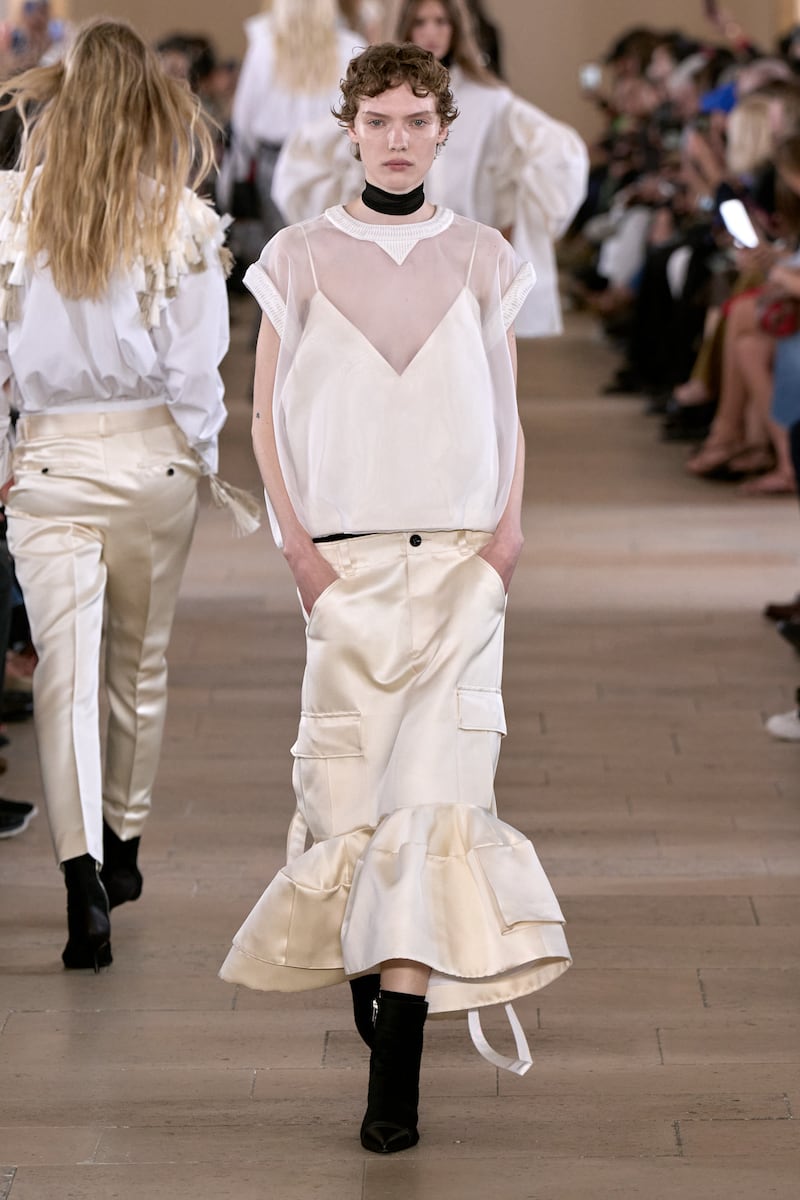
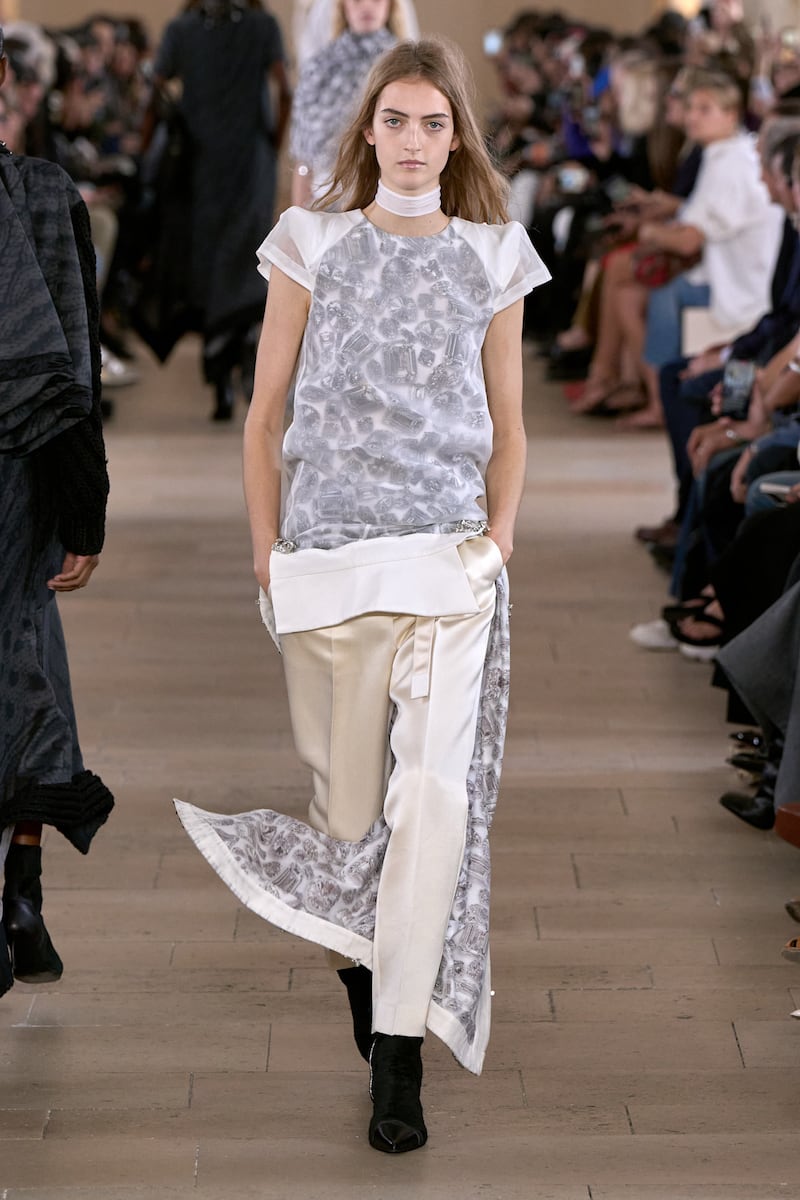
At Sacai, Chitose Abe turned the complexities of the inner world inside out. Quite literally: Transparent jackets and coats exposed the layers of their internal construction, while fur linings reappeared as prints glimpsed through organza. She also did it metaphorically. Hybridity, Abe’s stock-in-trade, became a form of sculptural experimentation as shirts turned into skirts, their collars tracing the hems or becoming peplums. A military field jacket, meanwhile, became a satin mermaid skirt.
None of this is exactly new. What makes it work is Abe’s hand: architectural, dry, never sentimental. This time she also took a welcome turn towards bling and decoration. The sparkle softened the proposition without simplifying it, wrapping Sacai’s familiar rigour in yet another layer of complexity.
Loading recommended reads…
The New York Times photographer and style columnist joins Imran Amed on The BoF Podcast to discuss why practice makes permanent, the blind spot he had to admit to himself and why the style he looks for is meant to feel within reach.
In Panipat, 1 million tons of used clothing a year are turned into products for global brands, but dangerous machinery and few safeguards mean life-changing injuries are common
The struggles of Nanushka and Coperni expose the challenges of turning a promising label into a sustainable business, even after successfully building a global customer base and distinctive visual identity.
What to keep and what to change when a brand changes designers? Pierpaolo Piccioli’s brief stint at Balenciaga and Kering’s effort to course correct by bringing in Martine Rose offers learnings for houses seeking creative renewal.