Agenda-setting intelligence, analysis and advice for the global fashion community.
Agenda-setting intelligence, analysis and advice for the global fashion community.
The Estée Lauder Companies that chief executive Stéphane de La Faverie inherited last year looks very different from the company he is running today.
On Monday, the conglomerate announced that fragrance sales increased 20 percent, leading the Tom Ford and MAC Cosmetics owner to $3.71 billion in sales, a 6 percent increase overall in its second quarter. Once a small piece of Lauder’s portfolio, the segment’s importance has grown significantly in the last two years. All categories, apart from hair, increased. The company upgraded its fiscal net sales outlook to 4 to 5.5 percent, citing better market conditions and more cost savings.
“We’re seeing the [perfume] portfolio growing in all our geographies and gaining a significant amount of market share,” de La Faverie said on a media call, dialling in from China. He was on the road with the rest of his leadership ahead of the China International Import Expo travel retail conference.
Fragrance’s skyrocketing growth is cause for celebration and caution. It now represents 18.5 percent of the company’s total sales, up about 2.5 percentage points in the last two years, owing to both perfume’s absolute growth and cooling in its other categories. (Makeup and skincare account for 30 percent and 44 percent, respectively.) Kilian Paris was name-checked as the company’s fastest-growing brand overall, while the expansion of niche label Le Labo’s City Exclusives and new additions to the Tom Ford and Estée Lauder brand portfolios also resonated with shoppers.
ADVERTISEMENT
The overindexing on fragrance is in step with the industry’s drift: per Euromonitor, global fragrance sales are set to overtake colour cosmetics in category size this year. While Lauder’s makeup division eked out 1 percent growth, it was a sequential decline from the previous quarter. This modest colour performance is not universal: Puig’s Charlotte Tilbury brand grew 16.1 percent and L’Oréal noted YSL Beauté as a top performer in their respective October earnings. Skincare grew moderately, led by both The Ordinary and super-expensive La Mer, two evergreen Lauder performers.
“Fragrance will remain strong, but we are committed to accelerating in other categories,” de La Faverie told The Business of Beauty.
Investment banks including Barclays and Piper Sandler upgraded either the company or its target price in October, lifting its stock some 18.9 percent in the last month. Despite the beat and the raise, its stock barely moved on Monday, suggesting investors had already priced in a very strong quarter.
Beyond more stability in makeup and skincare, the company also still has work to do to get back to a fighting weight in its home market of the US. It grew 4 percent, but mainly in volume rather than value, likely due to lower-priced brands and products or promotional savings on Amazon and TikTok Shop, where it is continuing to expand. Its Asia-Pacific and Mainland China regions saw the most gains thanks to recovery in travel retail and better underlying consumption.
Many of the company’s previous pain points, like the pace of innovation and adoption of digital channels, are now less tender.
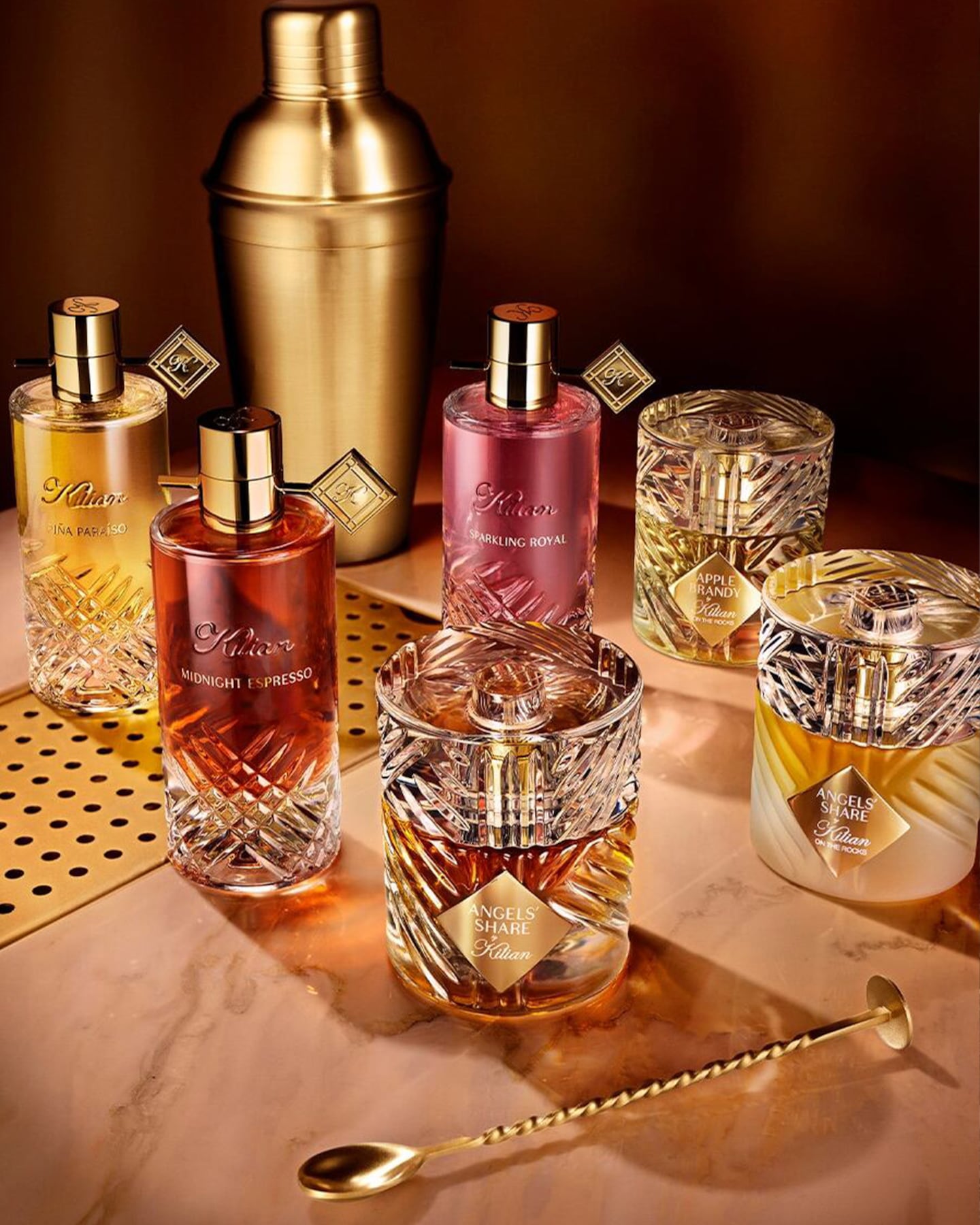
On a call with analysts and investors, de La Faverie noted how it has deployed new products to meet customers’ changing desires: the Kilian Paris Cocktail Collection, priced at $150 a bottle, offering trendy gourmand scents for the Sephora crowd (its core collection of scents are over $300 a bottle), while Jo Malone London expanded into the UK’s Boots drugstore. The Ordinary’s growth-boosting scalp serum is popular with shoppers, landing at a moment when concerns about hair loss are at fever pitch.
With five quarters of growth, Estée Lauder has demonstrated it can cut costs and grow sales. To sustain the momentum, and crucially, outperform the competition, it needs to revive more of its portfolio brands. De La Faverie said the turnaround of MAC Cosmetics, which has been reinvigorated by installing a new creative lead in Nicola Formichetti, entering Sephora US and some well-timed product launches, can be a blueprint for its other makeup labels like Bobbi Brown and Too Faced, the latter of which de La Faverie said it is turning around after scrapping plans to sell it. The company has been less descriptive about its plans to revive its sluggish hair care unit, made up of Aveda and Bumble & Bumble, though it said its losses have stabilised.
The new Lauder is growing, but leadership is still cautious: its upgraded forecast is still conservative, Raymond James’ Olivia Tong said in a note. Both de La Faverie and chief financial officer Akhil Shrivastava said they expect growth in the second half of the fiscal year to cool slightly citing a slower innovation pipeline and tougher comparisons, though de La Faverie waved away doubts that beauty would decline in step with the luxury industry.
“I know there has been a lot of debate regarding the durability of our recovery,” said de La Faverie. “This quarter, we…prove[d] our momentum is real and durable.”
Loading recommended reads…
The Bengaluru-based company plans to use the mammoth funding round to boost manufacturing and more than double its store count to over 1,000 locations.
The unrest has intensified despite the government forming a wage board to review pay levels, with violent clashes shuttering factories and injuring dozens of people.
The Indian oil-to-telecom giant saw its market value jump by a record $19 billion as earnings surged, but its retail division continues to lag.
The German fashion house, recently taken over by Britain’s Frasers Group, is in the midst of a second turnaround effort under CEO Daniel Grieder.