Agenda-setting intelligence, analysis and advice for the global fashion community.
Agenda-setting intelligence, analysis and advice for the global fashion community.

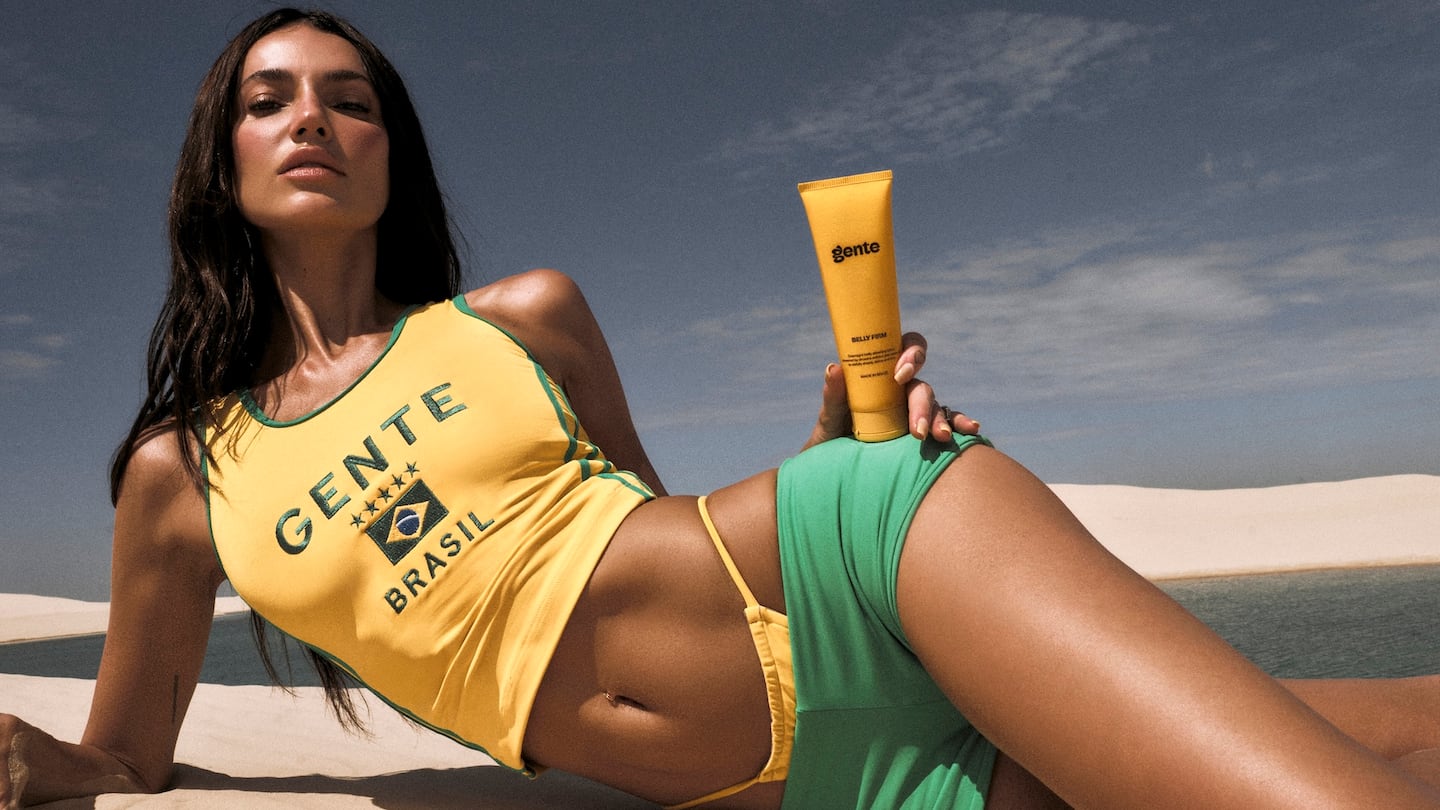
Spain may have taken home this year’s World Cup, but Brazil won the unofficial popularity contest, with the world finally turning its attention to the country’s cultural exports — films like the award-winning “I’m Still Here” and “The Secret Agent”; fashion labels like Misci and Mirror Palais appearing on international stars Rosalía and Olivia Rodrigo; and now skincare and hair and body care.
According to consumer insights analyst Marina Albino, the World Cup and growing cultural hype, coupled with endorsements from famous faces like Camila McConaughey and Hailey Bieber, are helping Brazilian beauty, or B-beauty, gain global momentum.
Brazil’s beauty sector reached $24.56 billion in sales in 2025, according to WGSN, with projections of further growth attributed to the country’s massive domestic buying power. In the first seven months of 2026, Brazil exported about $633.6 million, according to the Brazilian Association of the Personal Hygiene, Perfumery, and Cosmetics Industry (ABIHPEC), an 8.4 percent increase from last year and a 10-year record high.
Building on that growing interest, on Oct. 1, the entrepreneur Patricia Lima announced the launch of B-Beauty & Wellness, an initiative establishing Brazilian beauty as a globally recognised category while fostering connections between experts and founders in the business. Brazil has “unique ingredients, technical expertise and a culture deeply connected to wellbeing. We need to claim that global space in a more structured way,” said Lima in a release. The movement will introduce five brands in its inaugural line-up that capture the breadth and energy of B-beauty, like the skincare line Sallve and the body- and hair-care brand Juicie Rio, at the New York trade show Bite later this month.
ADVERTISEMENT

Other Brazilian labels capturing the zeitgeist include luxury brands like Granado and Costa Brazil, curly hair lines Skala and Lola Cosmetics and body-care challengers like Gente Beauty, which combine Amazonian ingredients such as guaraná and patauá oil, with lymphatic drainage massage, a Brazilian technique that reduces swelling. Body care is a particularly ripe area for B-beauty dominance: Two of the world’s 10 best-selling body brands, Natura and Grupo Boticario, are Brazilian giants.
But the most successful example of a Brazilian beauty export to date might be Sol de Janeiro, which launched in 2015 with its skin-smoothing, pistachio-, salted caramel- and vanilla-scented Bum Bum Cream. The brand was founded by American Heela Yang after she lived in Rio de Janeiro for two years, but has succeeded in bringing the country into the beauty orbit with its Brazilian-rooted ingredients. Other B-beauty labels are now working to define the category.
Vanessa Hikichi, account director at WGSN Latin America, attributed growing demand to market diversification. Today’s consumers are more open to experimenting with labels and trends from Africa, Asia and Latin America, rather than sticking to Europe and America.
As a business owner who sources all her products from Brazil, Gente Beauty’s founder and CEO Marianne Fonseca draws attention to Trump’s tariff policies — at one point, the brand faced a duty rate of 50 percent. While the higher retail and export prices have stabilised, the tariff situation is still evolving. But B-beauty’s international challenges aren’t just financial.
According to Hikichi, Brazil is still subject to stereotypes. Brazilcore may have put the country on the fashion and beauty map, but it’s often reduced to tropical ingredients, beaches and Carnival. These are all valid expressions of its culture, but they represent only a portion of what the country has to offer — risking turning Brazil into an aesthetic shortcut, or worse, freezing “Brazilian women and culture into a caricature, reducing our country to a stereotype of eternal summer, beaches and the cult of the body,” as explained by Hikichi.
While Sol de Janeiro created a demand that Brazilian labels can now leverage, it raised concerns about authenticity, culture appropriation, and stereotypes. “If a brand capitalises on our aesthetic but wasn’t actually developed by a Brazilian team, it runs a risk of being nothing more than an empty inspiration,” Hikichi argued, noting that it becomes limiting when references are “used without context or a real connection to the people behind them.”
This scenario means B-beauty brands need to work double-time to break down stereotypes, drawing attention to aspects of Brazil that remain relatively unknown to foreign consumers. While Gente Beauty addresses specific aspects of Brazilian beauty routines with the backdrop of places like Lençóis Maranhenses, Granado draws on an expression of Brazilian identity rooted in “pharmacy heritage, fragrance and everyday rituals.” Hikichi also points to brands like Simple Organic, with its clean formulations and Costa Brazil, creating a luxury world built around Amazonian ingredients and sensoriality.
For Albino, the strongest cases are those of hair-care labels like Skala and Lola Cosmetics, which demonstrate deeper commitment to diversity that few international brands match. “Brazil has a deep understanding of hair curls’ diversity and textures, having developed specific routines long before personalisation and natural hair appreciation became big conversations,” Albino said. Lola Cosmetics has been able to message this through TikTok influencers, which have helped the brand’s popularity surge by 31.2 percent year on year on the platform, according to Spate.
ADVERTISEMENT
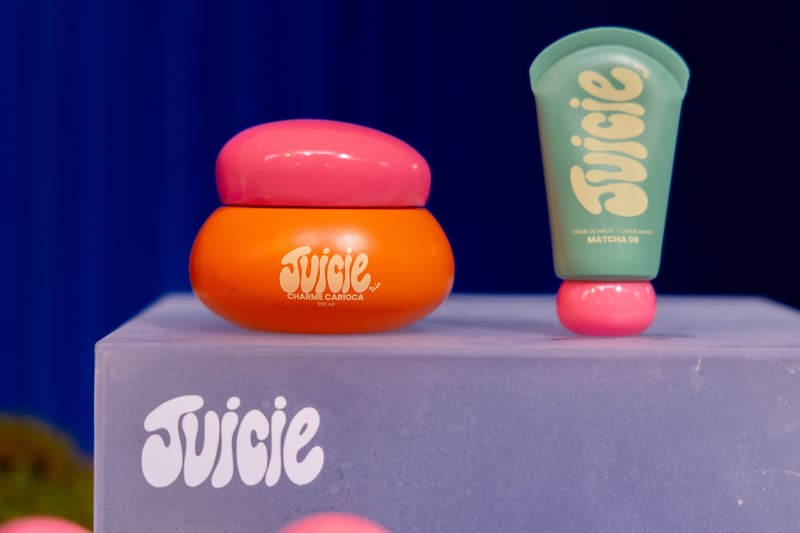
Body care holds equal potential. Fonseca notes how the category is an indispensable part of Brazilian life, whether for its self-care benefits or for aesthetic matters. This reputation has helped bring Brazilian beauty practices and products to the global stage, with lymphatic drainage chief among them, pushing the treatment into the celebrity spotlight.
Whether discussing B-beauty’s body or hair care, Albino believes its “strength lies in the combination of diversity, pleasure, and creativity.” Hikichi echoes this view, noting that neither are selling Brazilianness as an aesthetic, but “turning local insights into a proposition that works anywhere.”
Seizing their moment, however, goes beyond having a strong brand positioning and communicating the many facets of Brazil. To transform its current momentum into long-term success, B-beauty must prioritise continuous innovation, as seen with cases like Olera’s TI35, a biotechnology based on açaí, and skincare brands like Sallve and Juvia, which incorporate coffee into their products.
Beyond innovation, B-beauty diversity is also a competitive advantage. As Hikichi puts it, this is “precisely what explains the exceptionally high performance potential of Brazilian products,” driven by the combination of people with diverse genetic backgrounds within a country that encompasses such distinct climates.
“When you test, develop and validate a cosmetic product here, dealing with extremes of heat and humidity, as well as every possible hair texture and skin undertone, you create a formula that will perform exceptionally well anywhere else in the world,” she explains. “Brazil is, in practice, the most demanding living laboratory there is.”
Naturally, celebrity endorsements can fuel the moment. McConaughey has sworn on lymphatic drainage massage, a Brazilian technique, while Hailey Bieber proclaimed an obsession with Gente Beauty in October 2025. Costa Brazil counts models like Candice Swanepoel and Paloma Elsesser as fans. But that can only take a label so far. As Hikichi points out, the main growth driver will involve combining “organic digital discovery with the products’ performance” and operational discipline. Affordable brands like Skala and Lola Cosmetics have gained traction mostly online, in channels like Amazon, TikTok Shop and Walmart.
But brands with high-end appeal, such as Costa Brazil, either need to court partners like Sephora or focus on their own channels. “They need an environment that allows them to tell the brand’s story,” Hikichi stated.
Still, not every Brazilian brand or product will translate equally well across markets. The giant Natura, a favorite among singer Anitta and designer Patricia Bonaldi, ceased its operations in the US this year to focus on Latin America. And a Brazilian hair-care formula focused on defining curls won’t resonate in Asian markets like South Korea or Japan, where consumers prioritise scalp-focused ingredients for straight hair, Hikichi said.
ADVERTISEMENT
But in a beauty landscape that’s more diverse than ever, the growing global interest in B-beauty must be met with a bigger challenge — “to ensure that ‘Made in Brazil’ is recognised internationally as a mark of innovation, high performance and authenticity,” said Hikichi.
Sign up to The Business of Beauty newsletter, your complimentary, must-read source for the day’s most important beauty and wellness news and analysis.
The rise of ‘P-beauty,’ coinciding with more cultural exports from the Philippines, is pushing homegrown brands and trends into the crowding global beauty market.
Brazilian cosmetic maker Natura on Monday posted a second-quarter net profit of 35 million reais ($6.85 million), a 92.1 percent decline from the same period in 2025.
With new leadership, the Brazil-inspired body-care giant must find fresh paths for growth amid greater volatility, slowing sales and market saturation.
Loading recommended reads…
Offhand remarks by French football superstar Kylian Mbappé sparked a backlash from Chinese ‘netizens’ this week, leaving labels from On to Dior exposed in one of fashion’s most important markets.
Photographer, stylist and entrepreneur Daniel Obasi joins Imran Amed on The BoF Podcast to discuss instinct-led world-building, his approach to image-making, and what makes Lagos’ creative scene singularly resilient, yet structurally unsupported.
The launch of Nike’s new Vegum Run shoes exclusively in India lays a groundwork for a new production cycle that could give the brand a leg up in its different geographies moving forward.
The Chinese beauty conglomerate’s revenue grew 29.8 percent in the latest quarter, but its profit decreased by double digits due to increased promotional expenses as it expands overseas.