Nvidia Shares Slide as CEO Jensen Huang Resigns
Jensen Huang’s exit deepens the crisis at the chipmaker at the centre of the AI rally that’s powered new wealth creation in the US, luxury fashion’s most important market.


This week, Snap Inc.'s share prices have dropped to $22, below its initial trading price, and Yoox Net-a-Porter is developing technology to sell products directly through WhatsApp.

By becoming one of the first companies to use WhatsApp to sell directly to customers, Yoox Net-a-Porter is seeking a leg up on competitors like Farfetch and luxury brands’ own sites.

Though some are sceptical, many believe virtual reality and augmented reality have the potential to profoundly enhance both the back and front ends of the fashion business.

Consider the mobile opportunity, but don't employ technology for technology's sake, advised a panel of retail space experts on stage at VOICES in December.

The company's shares have slid in the last year as many investors have become concerned over heavy losses and falling valuations for its key start-ups.
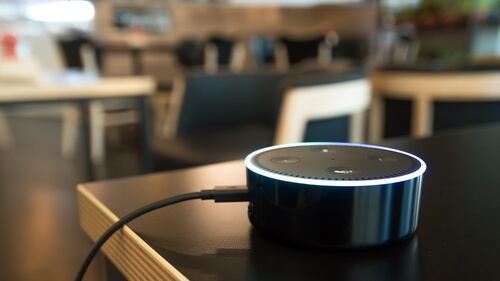
Only 21 percent said virtual assistants such as Amazon's Echo and Google's Home make the buying process better from the house.
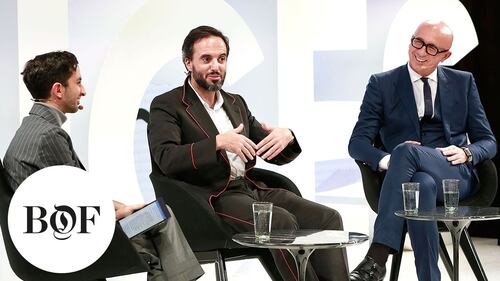
The Farfetch founder and Gucci CEO discussed their leadership strategies and how to stay competitive.

This week, brick-and-mortar retailers toy with the idea of high-tech dressing-room mirrors, and Snap Inc. has lowered its valuation ahead of its imminent IPO.

This week, how e-commerce is transforming China's poor and remote villages, and why Amazon is the most innovative company in the world.

This week, Snapchat files for IPO, seeking a $25 billion valuation amidst scepticism, while biotechnology companies grow sustainable leather in labs.

The Los Angeles-based company had revenue of $404.5 million in 2016, up from $58.7 million in 2015.

This week, automated sewing robots take the stage, while fashion companies employ augmented reality to let shoppers try on clothes from home.
Jensen Huang’s exit deepens the crisis at the chipmaker at the centre of the AI rally that’s powered new wealth creation in the US, luxury fashion’s most important market.
A growing Dutch outcry over the glasses mirrors a broader backlash against smart glasses equipped with cameras.
Smart glasses have become a target of criticism in recent months amid growing concerns they can be used to record people without their consent.
The e-commerce giant prohibits other companies from deploying automated tools to shop its site and started blocking Meta’s Muse on Sunday night.
The smart ring maker plans to market 50 million shares for $40 to $44 each, according to filings, which could value the company as high as $14.1 billion.
Shares in the eyewear giant, one of Europe's best-rated blue chips, have dropped 55 percent since November, while concerns are mounting over slowing growth and privacy issues for its AI glasses with Meta.
The UK company's new device uses artificial intelligence and a built-in camera to give real-time feedback on oral hygiene.
The Swiss watchmaker initially sought about $170 million from the Korean technology giant for failing to prevent apps that mimicked its luxury brands on its smartwatch displays.