Michael Kors Owner Capri Soars After Raising Annual Forecasts
Shares jumped after the group raised its annual revenue and profit forecasts and said it expected sales to return to growth.

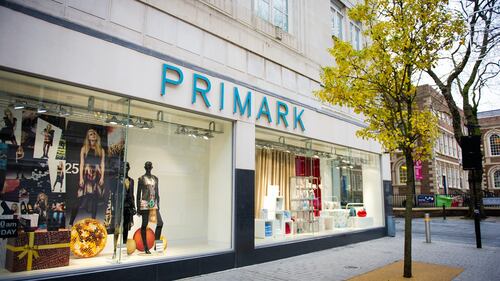
Brexit-squeezed UK consumers are shifting their spend from department stores to discount chains.
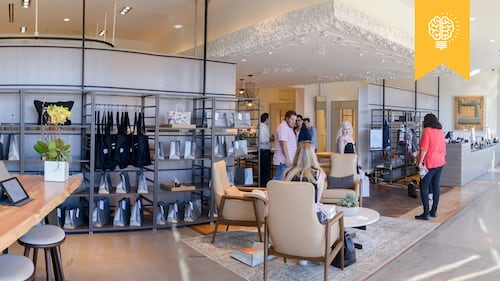
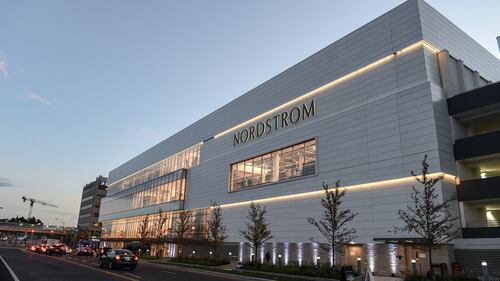
What was once a humble regional chain is now, to some, the great hope of multi-brand shopping in the US. But is Nordstrom’s fun-loving, high-low merchandising strategy enough to withstand the retail apocalypse?
The German online fashion retailer reported a recovery in fourth-quarter earnings, with sales rising to between €1.323 billion and €1.345 billion.

Can the British brand known for its quirkiness and smart tailoring make good on its turnaround plan?
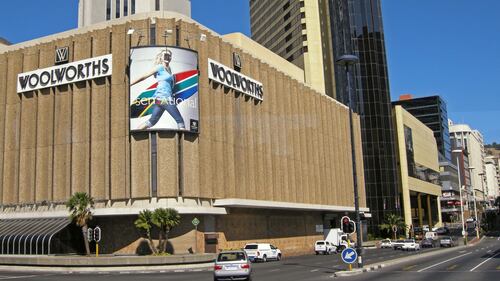
Revenue increased by 2.5 percent in the second half of 2017, compared with 6.7 percent the previous year, while stock slumped as much as 9 percent.

While sales rose 5.5 percent to $691.9 billion during the holiday months, department stores like Macy's and J.C. Penney saw their shares decline.

The retailer said it would raise the minimum hourly rate for its US workers to $11 — a move that could have ripple effects in the middle-market retail economy.

Department stores and boutiques are using new digital technologies and training to amplify one of the things that still differentiates them from online competitors: their seasoned in-store sales associates.
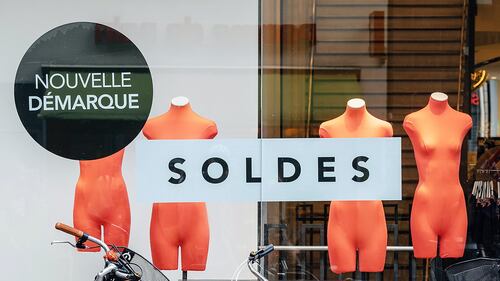
France plans to cut the length of state-regulated discount sales to stoke up flagging enthusiasm among shoppers.
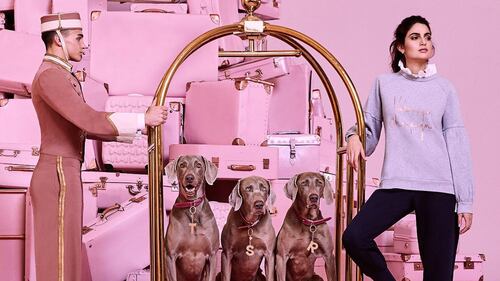
The company, which has close to 500 stores and concessions globally, said retail sales for the eight weeks to January 6 rose 9 percent.
The results underscore the theme other retailers have established this holiday season: Limited gains may not be enough to appease skeptical investors.
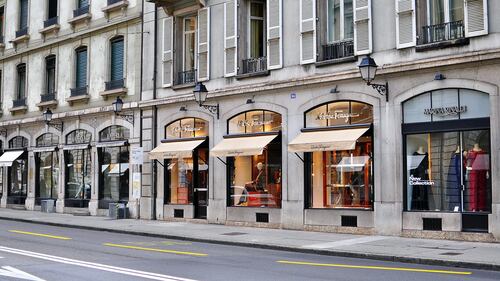
Switzerland’s retail market is relatively small at around $92 billion per year, but it is an important market for luxury brands in particular.
Shares jumped after the group raised its annual revenue and profit forecasts and said it expected sales to return to growth.
The decision underscores the challenge Japanese retailers face as persistent inflation squeezes household budgets.
New categories and brick-and-mortar expansion beyond North America are set to drive Aritzia’s quest to hit $10.5 billion CAD ($7.5 billion).
Sales in the Americas fell 70 to 75 percent.
The British retail group has pushed its stake in the German apparel brand above 50 percent in a move that will turn Hugo Boss into a subsidiary of Frasers.
The settlement, equivalent to 44 percent of the ultra fast-fashion company’s second-quarter profit, is the latest blow amid regulatory and tax crackdowns in Europe and the US that have hampered Shein’s growth.
Sales fell in September as above-average temperatures hit demand for autumn clothing.
Pearl, a subsidiary of David’s Bridal, will own David’s Bridal and license its intellectual property back to the bridalwear brand. David’s Bridal CEO Kelly Cook will serve as Pearl’s CEO.