Mike Ashley’s Frasers Says It’s Taken Control of Hugo Boss
The British retail group has pushed its stake in the German apparel brand above 50 percent in a move that will turn Hugo Boss into a subsidiary of Frasers.

Chief strategy officer Rachel Acheson, who worked at the company more than 14 years, has exited one month before chief executive Heidi O’Neill is set to take over, according to a source.
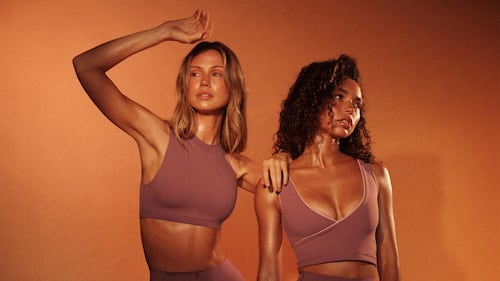
As growth slows across activewear, brands like Set Active, 437 and Oner Active are gaining momentum with a new generation of consumers. The Debrief examines what's driving their rise and what it means for category leaders Nike and Lululemon.
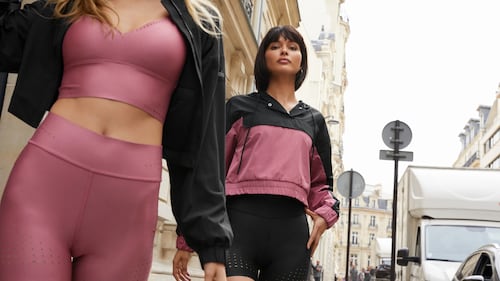
The sale of Bella+Canvas, which has not closed yet, would give founders Danny Harris and Marco DeGeorge more flexibility and options for the Lululemon challenger.
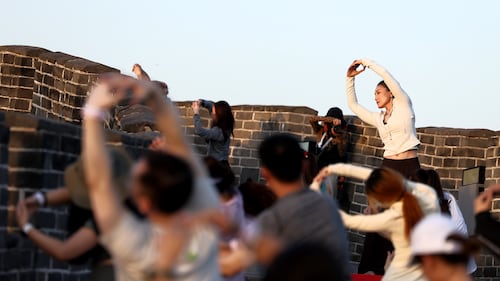
Though the activewear maker faced intense criticism, it may be able to overcome its misstep in a nation that accounted for 16 percent of sales last year, writes Juliana Liu.
ADVERTISEMENT

A crop of small but emerging brands is capitalising on demand for novelty in the category, using TikTok-savvy marketing and a lifestyle-driven position to chip away at the dominance of established players like Lululemon.

Slowing growth, rising costs and a loud campaign from its outspoken founder set the stage for Calvin McDonald’s exit. It may be the athleisure giant’s best hope to regain its cultural momentum.

Oysho, the Zara-owner's women's sportswear label, is growing across Europe with its free workout classes and value-led, fashion-focused offering.

One of the celebrity-favourite athleisure brand’s yoga instructors, now in her 40s, alleges she was let go for no longer conforming to the “Alo aesthetic.” Her case hinges on whether influencers like her are employees or private contractors.
ADVERTISEMENT

Aimé Leon Dore’s founder Teddy Santis details what he hopes to be a recurring collaboration with The North Face, which is aspiring to lean further into lifestyle apparel as it seeks to double its revenue.

On Running and Tapestry report earnings this week amid rising inflation and cautious consumers. Following strong performances from Ralph Lauren and E.l.f. Beauty, these results will continue to test whether brand power is a match for economic uncertainty.

US President Donald Trump shifted the deadline for tariffs to go into effect to Aug. 1, and turned up the heat with fresh rates and new threats. In some ways, it’s Liberation Day, part two — but fashion needs certainty more than ever.

In their own ways, both companies will provide major updates on how they plan to win back customers.
The British retail group has pushed its stake in the German apparel brand above 50 percent in a move that will turn Hugo Boss into a subsidiary of Frasers.
The settlement, equivalent to 44 percent of the ultra fast-fashion company’s second-quarter profit, is the latest blow amid regulatory and tax crackdowns in Europe and the US that have hampered Shein’s growth.
The recovery long promised by luxury brands seems nowhere in sight, as the expansion of war in the Middle East, along with China’s tax crackdown on the wealthy, piled further pressure on the world’s biggest luxury conglomerates in the third quarter, and executives buckled in for a tough winter.
Sales fell in September as above-average temperatures hit demand for autumn clothing.
Hitting newsstands in October, the magazine marks Elle’s 51st international edition, published under licence by the Geomedia group.
Pearl, a subsidiary of David’s Bridal, will own David’s Bridal and license its intellectual property back to the bridalwear brand. David’s Bridal CEO Kelly Cook will serve as Pearl’s CEO.
The French giant handily beat expectations on strong demand for hair products at salons and premium skincare from its dermatological division.
The maker of Pantene shampoo was helped by strong personal care demand, but expects higher commodity costs to reduce profit by about $1.4 billion this year.