Agenda-setting intelligence, analysis and advice for the global fashion community.
Agenda-setting intelligence, analysis and advice for the global fashion community.
Listen to and follow ‘The Debrief’: Apple Podcasts | Spotify | Overcast
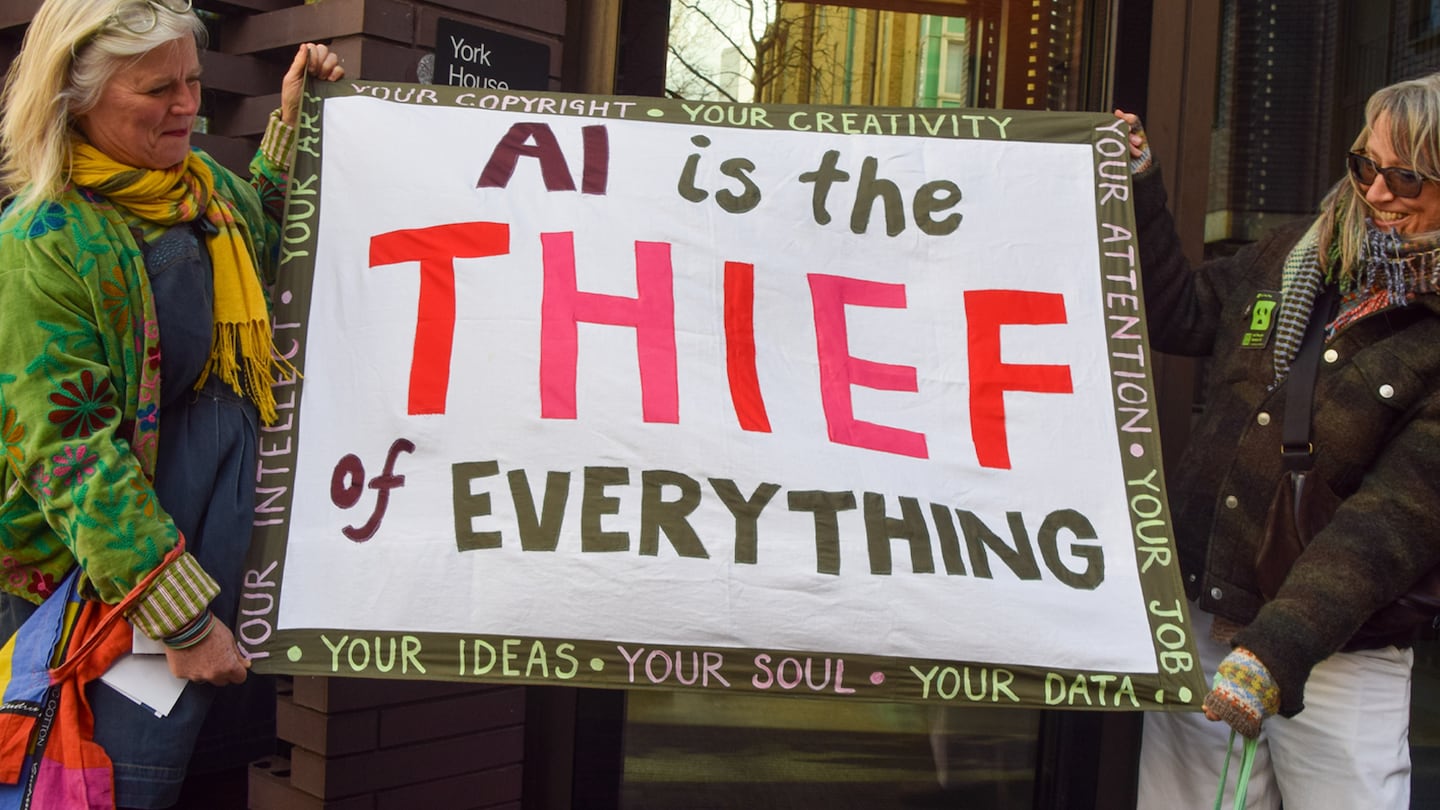
Since the earliest days of tools like ChatGPT and Claude, industry conversations have been marked by a tension between excitement around speed and efficiency alongside deep-seated fears of job loss, creative dilution and concerns about its environmental footprint. What once played out in theory is now unfolding in practice — as a broader rejection of what AI represents — particularly as more consumers view AI-generated content as a cost-cutting measure that erodes fashion’s human touch,
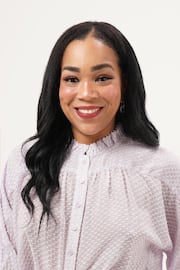
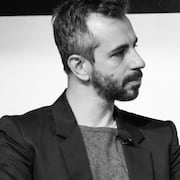
In this episode, The Debrief host Sheena Butler-Young discusses with BoF correspondents Marc Bain and Haley Crawford why the backlash is intensifying and how consumer sentiment against brands using AI-generated imagery is forcing a reckoning. They explore whether fashion can actually embrace these tools without losing the care and time that confers luxury status.
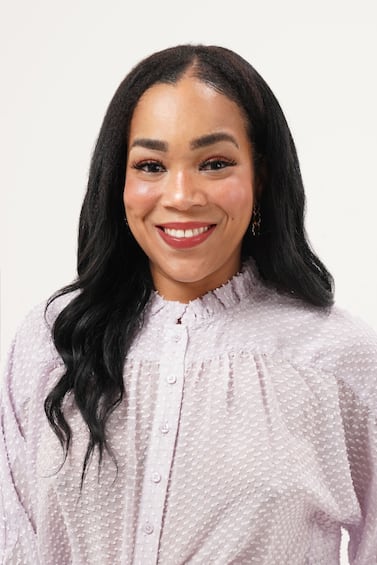
Sheena Butler-Young is Senior Correspondent at The Business of Fashion. She is based in New York and covers workplace, talent and issues surrounding diversity and inclusion.
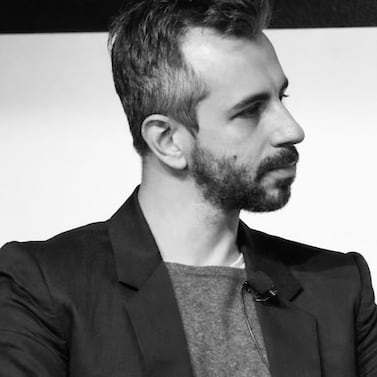
Marc Bain is the UK Editor at The Business of Fashion. He is based in London and oversees BoF's case studies and executive memos, as well as driving its technology coverage.

Haley Crawford is Marketing Correspondent at The Business of Fashion. She is based in New York and covers the marketing and public relations industries.
Loading recommended reads…
The trade body’s president came under fire for physically restraining animal rights activists after they stormed a Cos runway show at New York Fashion Week on Sunday.
For over half a century, Mackie dressed celebrities ranging from Cher to RuPaul and shaped red carpet style.
The conglomerate bought its former partner’s 50 percent share to take full ownership of the Spanish skincare label.
Influencer and certified trichologist Yung has turned hair-care expertise and accessible advice into a lucrative career, wherein trust is her biggest asset — and liability.