Agenda-setting intelligence, analysis and advice for the global fashion community.
Agenda-setting intelligence, analysis and advice for the global fashion community.

Listen to and follow “The Debrief”: Apple Podcasts | Spotify | Overcast
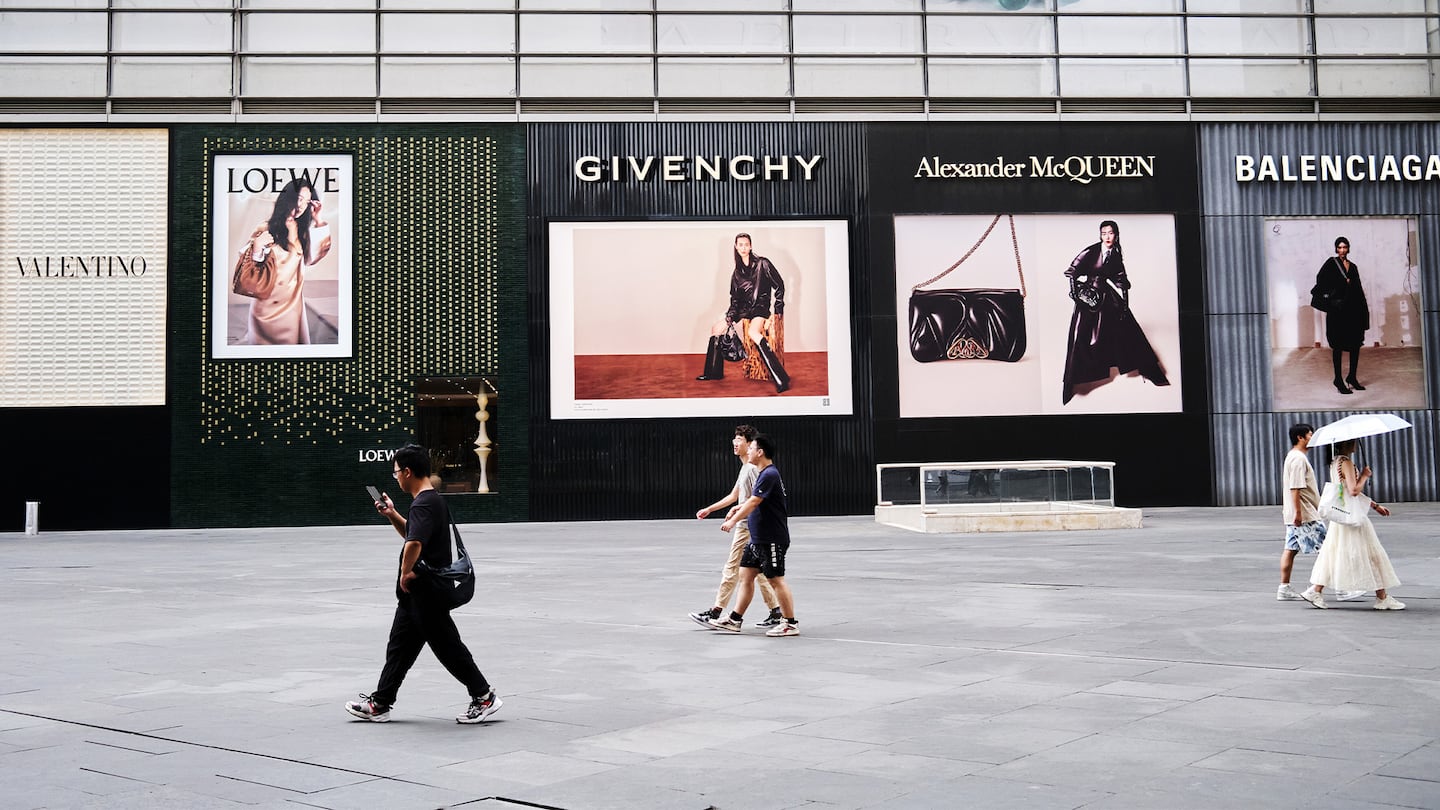
Luxury’s post-pandemic boom is over. Growth has slowed, shoppers are pushing back on years of price increases and many brands are struggling to convince customers they’re still worth the premium. Drawing on BoF’s 2026 State of Luxury report — which includes a survey of more than 2,000 affluent consumers in the US and China, alongside interviews with industry leaders — BoF editors Mimosa Spencer and Robert Williams explore what’s driving luxury’s reset and what it means for brands.
They unpack why heritage, craftsmanship and logo power are no longer enough to justify high-ticket prices, and why emotional connection, creativity and exceptional retail experiences have become more important to today’s luxury shopper. They also discuss what brands need to do to rebuild excitement, restore value and win customers back.

Mimosa Spencer is Luxury Editor at The Business of Fashion. She is based in Paris and drives BoF’s coverage of the dynamic luxury fashion, watches and jewellery sector.

Robert Williams is Luxury Editor at The Business of Fashion. He is based in Paris and drives BoF’s coverage of the dynamic luxury fashion sector.
Sheena Butler-Young is Senior Correspondent at The Business of Fashion. She is based in New York and covers workplace, talent and issues surrounding diversity and inclusion.
Loading recommended reads…
Sales of gems, precious metals and artwork at Japan’s department stores climbed 19 percent in the first half of 2026 from a year earlier to $2 billion.
Though Adidas dressed both teams in the World Cup finals, the global football tournament still presented some bright spots for Nike, writes Bloomberg’s Andrea Felsted.
From our archive, the creator and host of award-winning podcast “Articles of Interest” joins BoF founder, CEO and editor-in-chief Imran Amed to explore what clothing can reveal about identity, culture, labour and the world around us.
Saunders, the brand’s first creative director in five years and a skilled colourist, promises to give Kate Spade the clarity it has long lacked. Now, Tapestry must apply the same long-term brand-building discipline that fueled Coach’s success.