Agenda-setting intelligence, analysis and advice for the global fashion community.
Agenda-setting intelligence, analysis and advice for the global fashion community.


Subscribe to the BoF Podcast here.
Viral microtrends, the fleeting aesthetics popularised on platforms like TikTok, have defined recent fashion moments for young consumers. From the playful “Cottagecore” to the fleeting “Mob Wife”, these trends have rapidly cycled through social media feeds and retail shelves. Post-pandemic experimentation drove this cycle, however, the once-accelerating churn of microtrends is beginning to slow, as Gen-Z shoppers seek authenticity, durability and individuality in their fashion choices.
On this episode of The Debrief, senior editorial associate Joan Kennedy joins senior correspondent Sheena Butler-Young to talk about what’s behind the slowdown in microtrends and what this shift means for retailers and brands.

Brian Baskin is Executive Editor at The Business of Fashion. He is based in New York and oversees BoF's beauty, retail, direct-to-consumer, technology, marketing and workplace verticals.
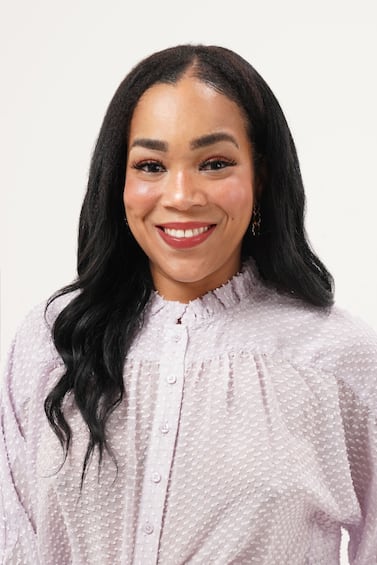
Sheena Butler-Young is Senior Correspondent at The Business of Fashion. She is based in New York and covers workplace, talent and issues surrounding diversity and inclusion.

Joan Kennedy is Correspondent at The Business of Fashion. She is based in New York and covers beauty and marketing.
Loading recommended reads…
Kith's new collaboration with Salomon on the XT-Evo is the latest example of the way footwear companies are leveraging influential outside partners to help them debut their newest shoes or even co-design entirely new styles.
The athletic apparel maker is struggling with weak consumer demand amid macroeconomic uncertainty in its key North American market.
As shoppers increasingly turn to ChatGPT and Google's Gemini for product recommendations, retailers are racing to appear in chatbot results while resisting efforts to cede customer data that underpin online sales.
A first-of-its-kind report from Reddit maps the platform’s raw and expansive beauty community. The platform hopes it will be a tool for brands and beauty lovers alike.