Agenda-setting intelligence, analysis and advice for the global fashion community.
Agenda-setting intelligence, analysis and advice for the global fashion community.

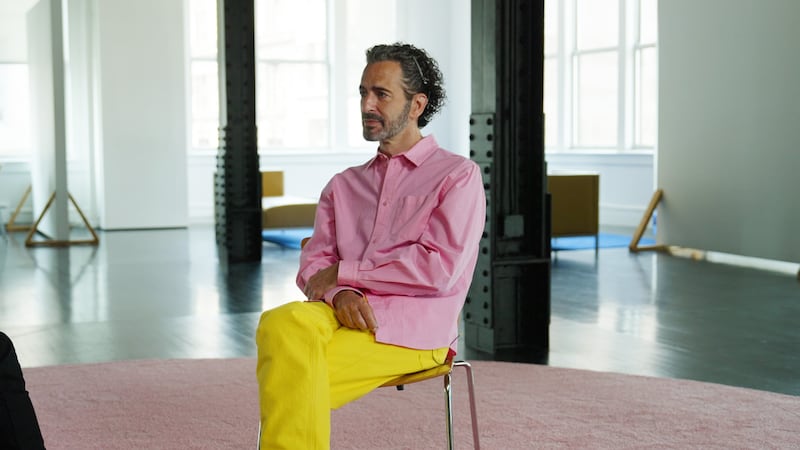
The author has shared a YouTube video.
You will need to accept and consent to the use of cookies and similar technologies by our third-party partners (including: YouTube, Instagram or Twitter), in order to view embedded content in this article and others you may visit in future.
Listen to and follow “The BoF Podcast”: Apple Podcasts | Spotify | Overcast
Today, we introduced The BoF 500 Class of 2026: 100 new members added to our ever-growing index of people shaping the global fashion industry.
This year’s BoF 500 cover stories feature Miuccia Prada, Marc Jacobs, Givenchy’s Sarah Burton and Issey Miyake’s Satoshi Kondo, examining the ineffable creative quotient that turns clothes into things of desire.
But creativity is just one part of the fashion equation. It is not something managers can simply turn on like a light switch. Designers also need sufficient time and resources, and teams that know how to translate their visions into commercial products — not to mention the best factories, strong retail networks and so on — to make a fashion business tick.
ADVERTISEMENT
Recently, Marc Jacobs has been grappling with some big changes at his namesake brand, opening a new chapter under new owners WHP and G-III which closed a deal to acquire the Marc Jacobs business from LVMH in September.
Over the summer, Jacobs met with BoF contributor Eric Wilson in New York to discuss life after LVMH — and whether he can work with his new business partners without losing his soul. The full story is out on BoF on Oct. 7.
After the cover shoot, Jacobs sat down with Imran Amed to talk about what’s next for his business and reflect on the ongoing fashion slump.
“What I see is a bunch of non-creative people thinking that this all hangs on a creative person,” Jacobs says. “And I think it’s just a big mistake.”
Loading recommended reads…
After nearly three decades under LVMH, the designer is opening a new chapter at his namesake label with new owners and no guarantees. Ahead of an in-depth BoF 500 cover story by Eric Wilson out next week, Jacobs joins Imran Amed on The BoF Podcast to reflect on the fashion slump and what comes next.
A growing Dutch outcry over the glasses mirrors a broader backlash against smart glasses equipped with cameras.
The ultra-fast-fashion giant’s share price sank to a record low after it released its first results as a public company earlier this week. With sales growth under pressure, the company must find a way to stand out in a hyper-competitive market.
Nike’s comeback timeline just got even longer. The brand announced a new four-year restructure during its first-quarter earnings call that will include more layoffs.