Agenda-setting intelligence, analysis and advice for the global fashion community.
Agenda-setting intelligence, analysis and advice for the global fashion community.


What's up, down and making news this week in the fashion and beauty businesses.
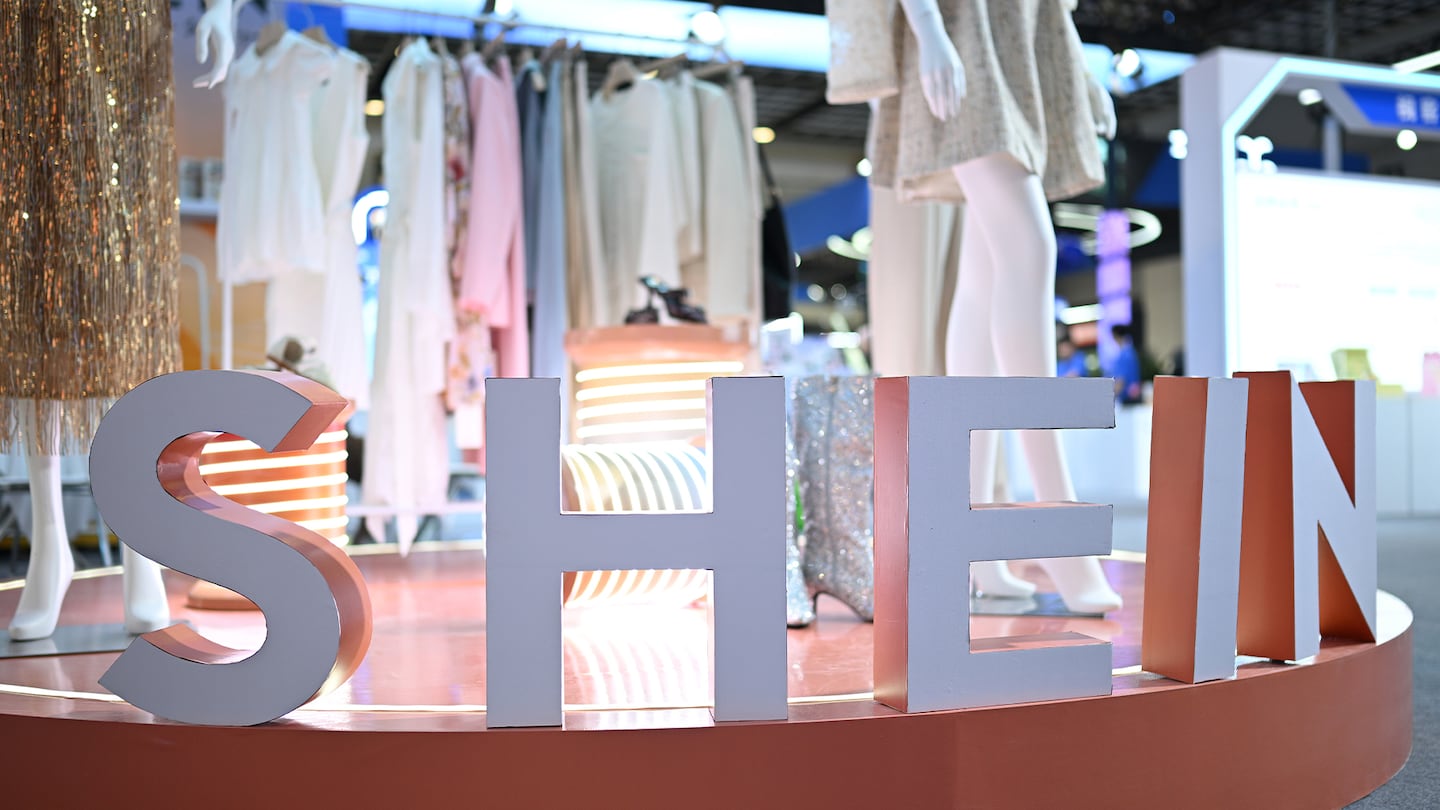
On Monday, ultra-fast-fashion giant Shein posted its first results as a public company.
Its once rapacious sales have slowed, growing just 1 percent in the first half of the year. Its operating income was down more than 50 percent compared with the same period a year earlier. Its share price, which has trended sharply lower since the company listed last month, has fallen double digits this week to record lows.
Perhaps it was inevitable. Shein is the latest in a long list of fast-fashion brands that have burned bright only to risk burning out.
Take e-tailers like Boohoo and Asos. In the pre-pandemic, pre-Shein era, they were fast-rising and tech-forward players that eroded the market share of incumbents like H&M and Zara with their disruptive digital business model. But when a faster, cheaper, newer competitor hit the scene, they couldn’t keep up.
ADVERTISEMENT
To be sure, Shein remains one of the world’s biggest fast-fashion retailers, with net revenue of $20.1 billion in the first half of the year. Its troubles reflect an array of external issues, from a sluggish market to tightening regulation to a crackdown on an import-duty loophole that helped it keep prices super low in key markets.
But those challenges have eroded the edge Shein once held over rivals, plunging it back into a hyper-competitive market.
For a way forward, Shein may look to the rivals it so disrupted for a playbook.
Exhibit A is Zara-owner Inditex. The company underpinned its early growth with a tightly controlled, nimble supply chain and strict inventory management. As others began to copy the model, it diversified across multiple brands to touch different parts of the market and new categories. With the entry of Shein and ultra-cheap fashion it stopped trying to compete on price and pursued a more premium, fashion-forward model, seeking to develop a distinctive and differentiated position in a crowded market. The company’s sales grew nearly 8 percent in the first half of the year.
At the other end of the spectrum is Asos, where a years-long turnaround effort looks like it might be finally bearing fruit. Last month, the company said it had reached an “inflection point” in its efforts to return to growth. The company’s challenges were prosaic: a post-pandemic drop off in shopping, bloated, tired inventory, costly returns, clunky logistics and intense competition from disruptors like Shein.
Its comeback strategy has been equally pragmatic, focused on cost-cutting, efficiency, a refreshed fashion offer and revamped shopping experience. But Asos is looking to build on that momentum with some buzzy activations, appointing celebrity stylist Law Roach its “stylist in residence” last month. The company’s share price is up around 75 percent so far this year, though it remains a minnow compared to Shein and Inditex.
For its part, Shein is doubling down on its high-speed supply chain, the “competitive moat” it says underpins its whole business. The company sees additional value to be gained by letting other brands access that manufacturing ecosystem for a fee. Like Zara, it’s looking to diversify its brand offering and provide more options further upmarket. Perhaps the clearest sign of this to date was Shein’s acquisition of faded Millennial direct-to-consumer darling Everlane earlier this year.
That purchase could also help with the company’s ambitions to build a clearer, more differentiated brand, a core priority according to chairman Xu Yangtian’s remarks in Shein’s interim report this week.
As he pointed out, the global fashion market is “vast and fast-changing” and the company’s overall share is still relatively low. It has every intention of finding ways to keep it growing.
Loading recommended reads…
Opening in Q4 2026 on Saadiyat Island — at the heart of Abu Dhabi’s cultural district — Saadiyat Grove brings together luxury retail, hospitality, residential living and culture in one of the emirate’s most ambitious new developments. BoF speaks to Jonathan Emery, chief executive officer of Aldar Development, about the strategic vision behind the project.
The department store’s Leeds and Bristol outlets will be converted to the Flannels brand in a shake-up under Mike Ashley’s Frasers Group, which purchased the chain when it was put into administration in mid-August.
Jack Tobin is joining Diane von Furstenberg artistic director Henry Zankov’s namesake label as CEO and part owner.
Nearly a decade since the luxury groups first published a charter of model protections, they are introducing new measures to protect those working in the industry.