Agenda-setting intelligence, analysis and advice for the global fashion community.
Agenda-setting intelligence, analysis and advice for the global fashion community.
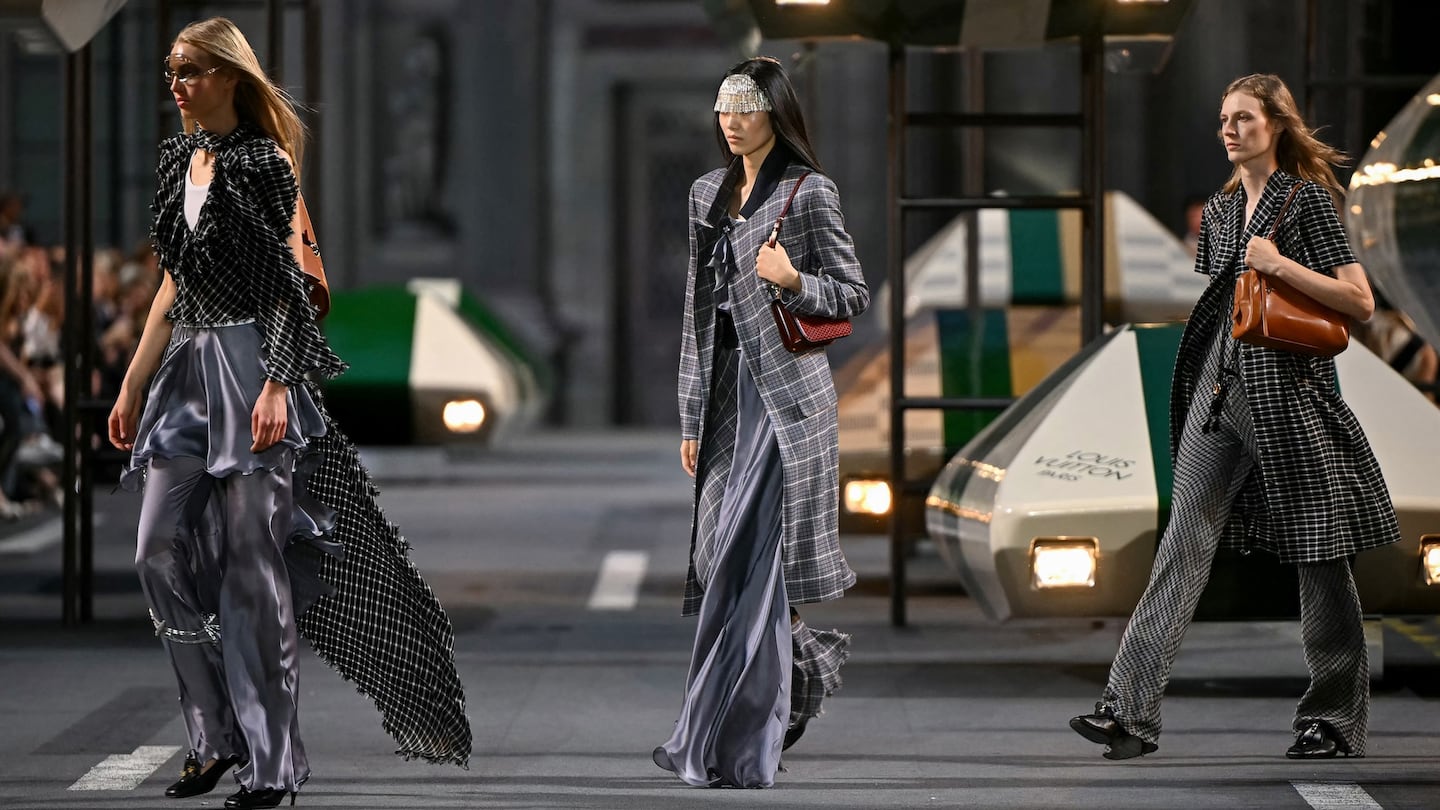
LVMH and Kering updated their landmark guidelines to protect models in a rare joint statement Thursday.
The two French luxury giants said they will restrict appearances in adult photoshoots or catwalks to models over the age of 18 from the next Paris Fashion week in 2027, an extension of a policy already in place at Kering and an update to LVMH’s previous age limit of 16.
The companies committed to put in place new mechanisms to support a zero-tolerance policy for any harassment, abuse or violence. These include awareness-raising and training initiatives for brands, agencies and teams involved in castings, shows and photoshoots, strengthened reporting procedures that guarantee anonymity and protection for witnesses, unannounced workplace audits and tighter regulation of situations where models may be nude or almost nude. Such situations will now require prior formal agreement, a dedicated space and measures to prevent models in a state of undress being left alone with any member of the production team.
LVMH and Kering initially got together to establish a charter for model protection in 2017, a time when abuses in the industry, ranging from bullying and discrimination to harassment, were gaining mainstream attention. It was an unusual example of collaboration between the two arch rivals. The initial charter included measures to ensure models were fed on shoots and a ban on the use of extremely underweight and very young models.
ADVERTISEMENT
The update comes amid renewed attention on the working conditions facing models. Internet discussions have pointed to an uptick in very skinny models on runways after several years of more visible body diversity. Meanwhile, the industry has been caught up in the sleazy world surrounding Jeffrey Epstein, with modelling agencies allegedly facilitating his abuse.
In France, the Fédération de la Haute Couture et de la Mode has led discussions on working conditions in the modelling sector, prompting LVMH and Kering to revise their guidelines.
“In 2017, we wanted to help the industry by setting new requirements together for the protection and well-being of models,” said Kering’s chief sustainability and institutional affairs officer Marie-Claire Daveu. “Nearly 10 years later, it is our responsibility to go further.”
Model rights advocacy group Model Alliance said the updates don’t go far enough. Among other issues, the charter isn’t binding and does nothing to address predatory agency practices or ensure models get paid on time, Model Alliance founding director Sara Ziff said in an email.
“Real protections are enforceable, independent, and accountable to the workers they’re meant to safeguard. Anything less protects a company’s reputation, not its models,” Ziff said.
Learn more:
Model Alliance Calls For Inquiry Into How Agencies ‘Facilitated Epstein’s Abuse’
The group’s founder, Sara Ziff, and more than 40 Epstein survivors have signed a letter to US officials, pressing them to investigate the role modelling agencies may have played in sex trafficking by Jeffrey Epstein.
Editor's Note: This article was amended on Oct. 8, 2026 to include comment from Model Alliance.
Loading recommended reads…
Chanel joined independent watchmaker F.P. Journe in the $66.5 million purchase of the Swiss brand, a big bet as mid-range watches are hardest hit by an industry slump.
Savvier clients, stronger local competitors and a fragile economic recovery are eroding the conditions that fuelled decades of growth for the likes of LVMH and Kering.
Influencer Hannah Chody spent years trying to find a dupe for a discontinued Tom Ford eyeshadow. While the Estée Lauder-owned brand stayed quiet, Saie Beauty stepped up to fill the void — and landed a smash-hit success product in the process.
The New York-based luxury footwear label is rethinking how its history of innovation can resonate with a new generation of luxury shoppers. Global brand president Jonathan Lelonek discusses refreshing the brand’s product codes and reconnecting with what today’s consumer wants.