Agenda-setting intelligence, analysis and advice for the global fashion community.
Agenda-setting intelligence, analysis and advice for the global fashion community.

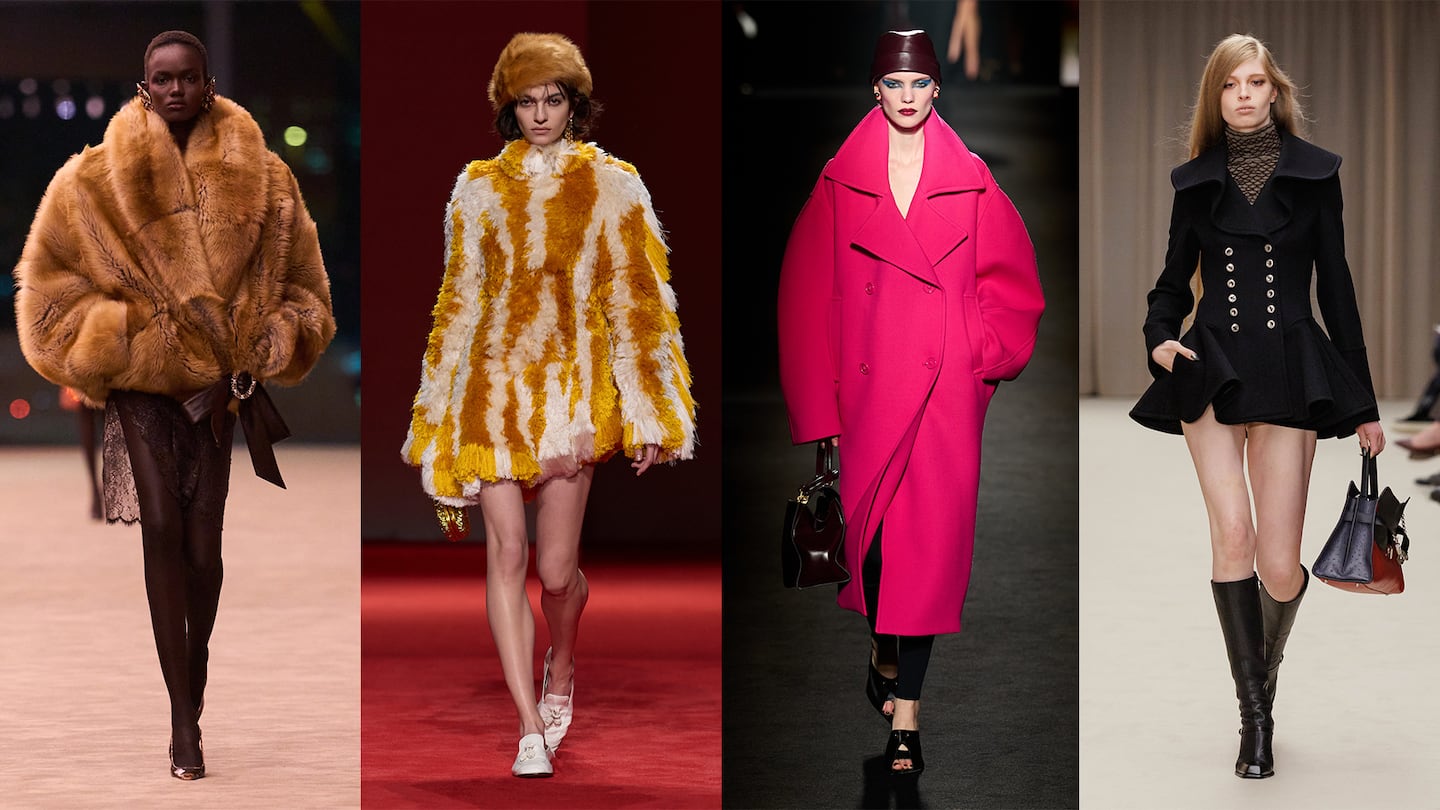
Welcome back to The Week Ahead. This is Eric Sylvers, BoF’s Milan correspondent, with a look beyond Gucci, at Kering’s other fashion labels: Saint Laurent, Bottega Veneta, Balenciaga and Alexander McQueen.
Gucci shut down Times Square earlier this month to stage its cruise show, retraining attention on the Italian label’s efforts to regain momentum following a crushing few years that have seen revenue and profit plunge. But Gucci isn’t the only challenge facing Kering chief executive Luca de Meo.
Kering’s capital markets day last month left lingering questions across the French group’s portfolio.
Investors will have another chance to press de Meo and other executives on Thursday at Kering’s annual shareholders’ meeting as they seek to find out not only how Gucci is doing, but whether its smaller stablemates can manufacture a rebound after taking hits during the fashion industry downturn.
ADVERTISEMENT
As Gucci’s appeal has cratered, its proportion of Kering revenue has declined by 15 percentage points in the past four years to account for 41 percent of group revenue in 2025. Gucci’s strategy has been well dissected, but the next four biggest brands each have challenges and strategies of their own. Here’s a rundown of priorities at each brand – areas where shareholders could ask for more details.
In April, executives said Saint Laurent, which accounts for 18 percent of group revenue, will focus on drawing on the fashion house’s strong fashion authority and clear codes to build more iconic products – including handbags. The goal is to expand leather goods to account for a third of brand revenue, with 40 percent growth in women’s handbags by 2030.
Saint Laurent CEO Cédric Charbit, who took the helm in 2024, along with creative director Anthony Vaccarello, who has been in the job for a decade, has also been mandated with expansion of the brand’s daywear wardrobe and fast-growing men’s range. Efforts to broaden the label’s geographic footprint will be focused on Asia with Charbit seeking to double “Western-centric” Saint Laurent’s revenue in the region by 2030. The fashion house is also tasked with tripling its jewellery business over the same period.
The Italian fashion house, which accounts for 12 percent of group revenue, has fared better than the other Kering labels in recent years. Bottega Veneta had a reasonably smooth transition to creative direction under Louise Trotter, who took over from Matthieu Blazy last year. But the brand famous for its intrecciato leather weave hasn’t had a CEO for two months.
The brand’s goal of doubling non-leather goods revenues by 2030 without sacrificing exclusivity might be easier with a single figure at the helm to drive the effort. De Meo wants Bottega Veneta to scale its distinctive vision of luxury, qualified by restraint and discretion.
At Balenciaga, which is estimated to account for about 9 percent of group revenue, the focus will be serving as a bridge to the next generation, through the blending of couture and cultural relevance, as set out at the capital markets day meeting. New creative director Pierpaolo Piccioli’s skills will be put to the test as the label seeks to boost womenswear and leather goods after several years of outperformance of menswear under the creative direction of Demna.
At less than 4 percent of Kering’s revenue, McQueen will not be decisive in the turnaround de Meo is trying to engineer, but the immediate future of the British brand could be one of the more interesting to track.
McQueen is the only brand that de Meo doesn’t expect to return to growth this year. Under the creative direction of Sean McGirr, the label is being dramatically downsized, and will have a smaller retail network and organisation. Plans are to lean into its British identity, focusing on women’s ready-to-wear, tailoring and evening wear. Leather goods, shoes and accessories will play a supporting role.
The Week Ahead wants to hear from you! Send tips, suggestions, complaints and compliments to eric.sylvers@businessoffashion.com.
Loading recommended reads…
Chanel’s surging sales underscore that the luxury industry’s challenges may be less about demand than desirability.
Chris Green joins Imran Amed to explain how his self-funded Brooklyn menswear store earned a place among the world's best fashion stores — by staying off the internet and betting everything on how it feels to walk in the door.
Global editorial director Steff Yotka will succeed Bettridge, who is leaving to focus on his creative studio Content World.
Kith's new collaboration with Salomon on the XT-Evo is the latest example of the way footwear companies are leveraging influential outside partners to help them debut their newest shoes or even co-design entirely new styles.