Agenda-setting intelligence, analysis and advice for the global fashion community.
Agenda-setting intelligence, analysis and advice for the global fashion community.

Subscribe to High Margin by Robert Williams: perspectives on creativity and business in the world of luxury.
Did Jeff and Lauren Sánchez Bezos win the Met Gala?
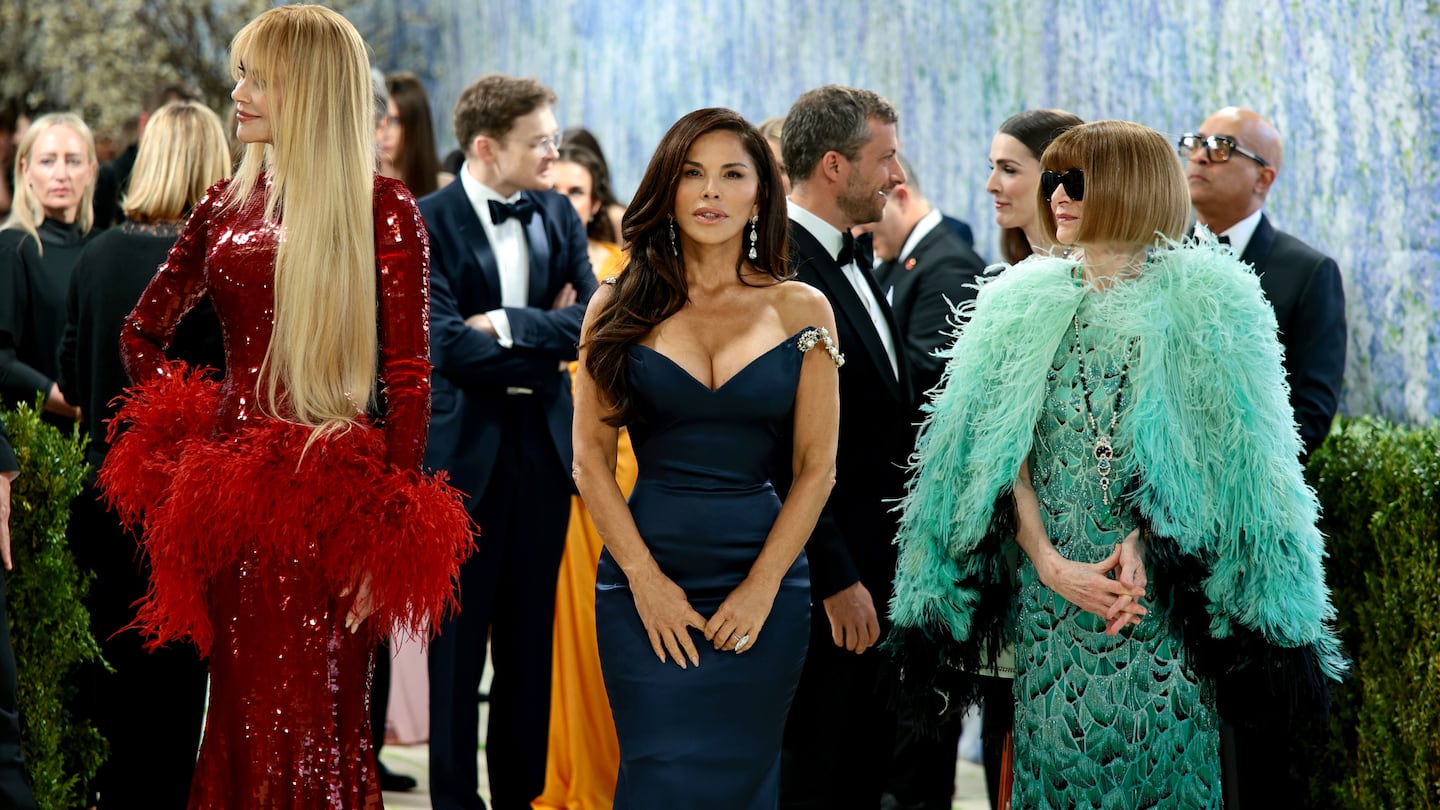
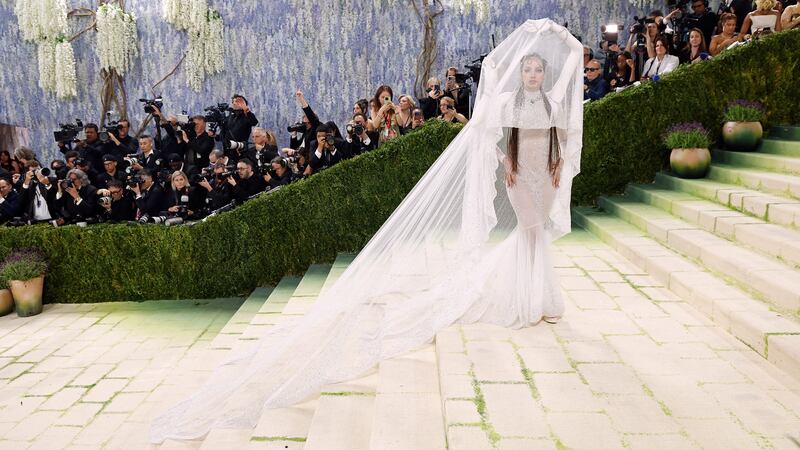
As the dust settles three days after the event, it’s clear that what most people will remember from this year’s fundraiser won’t be Jennie’s Chanel gown, but the fact that the ball was bankrolled by the billionaire Amazon and Blue Origin founder. And that his wife, former TV anchor Lauren Sánchez, wore Schiaparelli as she stood next to Anna Wintour greeting the glitterati of fashion and pop culture.
The fact that people were outraged about the situation only made it more powerful. If the Metropolitan Museum’s Costume Institute had been allowed to quietly accept the Bezoses’ donation (reportedly over $10 million) without sparking a debate, their participation would have been a footnote to the evening. This year’s Met Gala would have proceeded as another iteration of fashion’s most over-the-top red carpet.
ADVERTISEMENT
Instead, their sponsorship — deeply polarising in an America on edge over widening inequality — dominated the narrative. The event was re-dubbed a “Bezos Bash” or “Tech Gala.” Snidely, to be sure. And yet on fashion’s biggest night, their name was the one on everyone’s lips.
I don’t mean to suggest that “all press is good press.” Backlash to the Bezoses’ participation highlighted serious issues with Amazon. In addition to longstanding critiques of Amazon’s labour practices and environmental impact, the firm is being lambasted for providing data hosting and AI surveillance tools used by US immigration police and the Israeli military’s operations in Gaza. Surely the couple would have preferred that the conversation stick to donations and dresses.
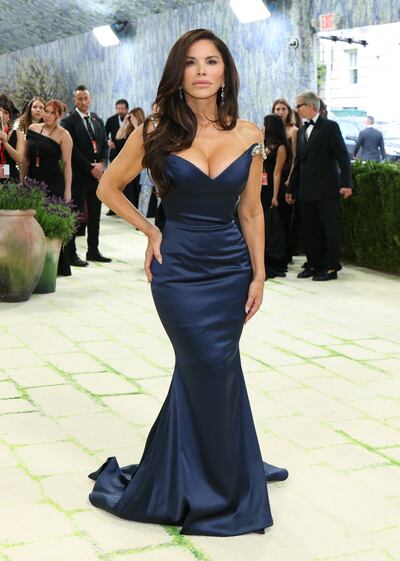
But to call it a bad night for the Bezozes because there were protests, and because people online insulted her tight-fitting look is to miss fundamental truths about how cultural power is created and wielded today.
I’ve mostly steered clear of the Sánchez Bezos discourse, which tends to reek of misogyny — no matter how objectionable her household’s business activities and environmental footprint may be. People who had never spoken out against Amazon before came out of the woodwork as soon as a visible woman entered the narrative. In fashion, critiques of Sánchez’ style are also rife with body policing, with many negative comments seeming to dance around the notion that fashion belongs on longer, flatter bodies.
But for the sake of a media-literacy reality check, let’s run through some of the ways the couple won the night.
1) Inevitability is power: In his influential 1989 text “The Sublime Object of Ideology,” cultural theorist Slavoj Žižek wrote about changing systems of power, and how the powerful are no longer required to mask their ill deeds to deceive the masses. Rather, the mask is transparent. Power derives from the fact that everyone knows what is going on, but this knowledge does not lead to change.
The fact that everyone could see how Sánchez Bezos was attempting to purchase acceptance in fashion and pop culture — perhaps as a means to redirect focus and launder the couple’s reputation — did nothing to prevent that happening. The intensity of the critique only underscores the fact that the couple are ultimately immune to it. While headlines like “Evil Jeff Bezos Accused of Ruining Met Gala” may not be favourable, they credit him with a central role authoring the meaning of the event. “They know what they are doing, and they are doing it anyway,” Žižek would say. The intersection of fashion, pop culture and philanthropy is a perfect forum for this sort of performance which reinforces the sense that resisting power is futile.
2) Twisting the narrative: The Bezoses used this press cycle to metabolise criticism and show they aren’t “all bad.” Even in the mouths of their most fervent critics, they are no longer simply vile billionaires, but rather vile billionaires who are co-hosting the Met Gala. A $34 million grant for sustainable fashion research was instantly called out as a ploy for favourable PR — but nonetheless widely reported.
ADVERTISEMENT
3) She’s a “fashion girlie” now: Call her tacky as much as you want, but the medium is the message: She was the one standing there with Anna, clapping along to Whitney Houston. Her look — a snug Schiaparelli gown inspired by “Madame X” — may have been a bit on the nose, but it also suggested she is in on the joke: John Singer Sergeant’s 1884 portrait was derided for legitimising a socialite seen by contemporaries as vulgar. I would posit that showing she can wield fashion to tell a story and make a point is probably a bigger win than changing the minds of people whose tastes don’t align with her waist-skimming “Jessica Rabbit” styling.
That’s all for tonight. But business readers should look out for Joan Kennedy’s story tomorrow on Coach-owner Tapestry’s rise, and how the premium handbag firm’s recent success underscores luxury’s recent struggles.
Loading recommended reads…
In the newly minted role, Nguyen will oversee entertainment, sports and brand partnerships, while continuing to lead Skims’ global communications.
Companies from luxury groups to high-street giants are rethinking what to do with unsold goods in the EU as its ban on destroying excess inventory takes effect. Critics say loopholes in the rules could cause problems.
Chanel, Hermès and Dior lead the pack as 1,173 fashion professionals and aspiring workers from 93 countries tell BoF Careers which brands they most want to work for — and why.
L’Oréal Paris, Dior Beauty and Charlotte Tilbury topped the list as 296 beauty professionals and aspiring workers from across 53 countries tell BoF Careers where they dream of working — and what’s pulling them there.