Agenda-setting intelligence, analysis and advice for the global fashion community.
Agenda-setting intelligence, analysis and advice for the global fashion community.

Canadian activewear brand Lululemon was founded in 1998. Positioned at the intersection of wellbeing, community and technical fashion, the brand began as a yoga apparel label before expanding into broader athletic and lifestyle categories. Today, its performance apparel, footwear and accessories product offering spans from yoga and Pilates to running, training, everyday movement and more.
Headquartered in Vancouver, Lululemon employs approximately 39,000 people and operates over 800 stores around the world. In 2025, the company’s revenue exceeded $11 billion — driven in part by a 22 percent year-on-year increase in international sales. Since opening its first overseas store in Melbourne in 2004, Lululemon has continued to expand globally. Mainland China is now its second-largest global market — accounting for 16 percent of total sales.
The brand is approaching this growth through a renewed design lens under its global creative director, Jonathan Cheung, who joined in early 2024. Cheung is leading a sharper focus on product design and cross-functional collaboration, placing particular emphasis on creating premium performance products that blend technical innovation with elevated style.
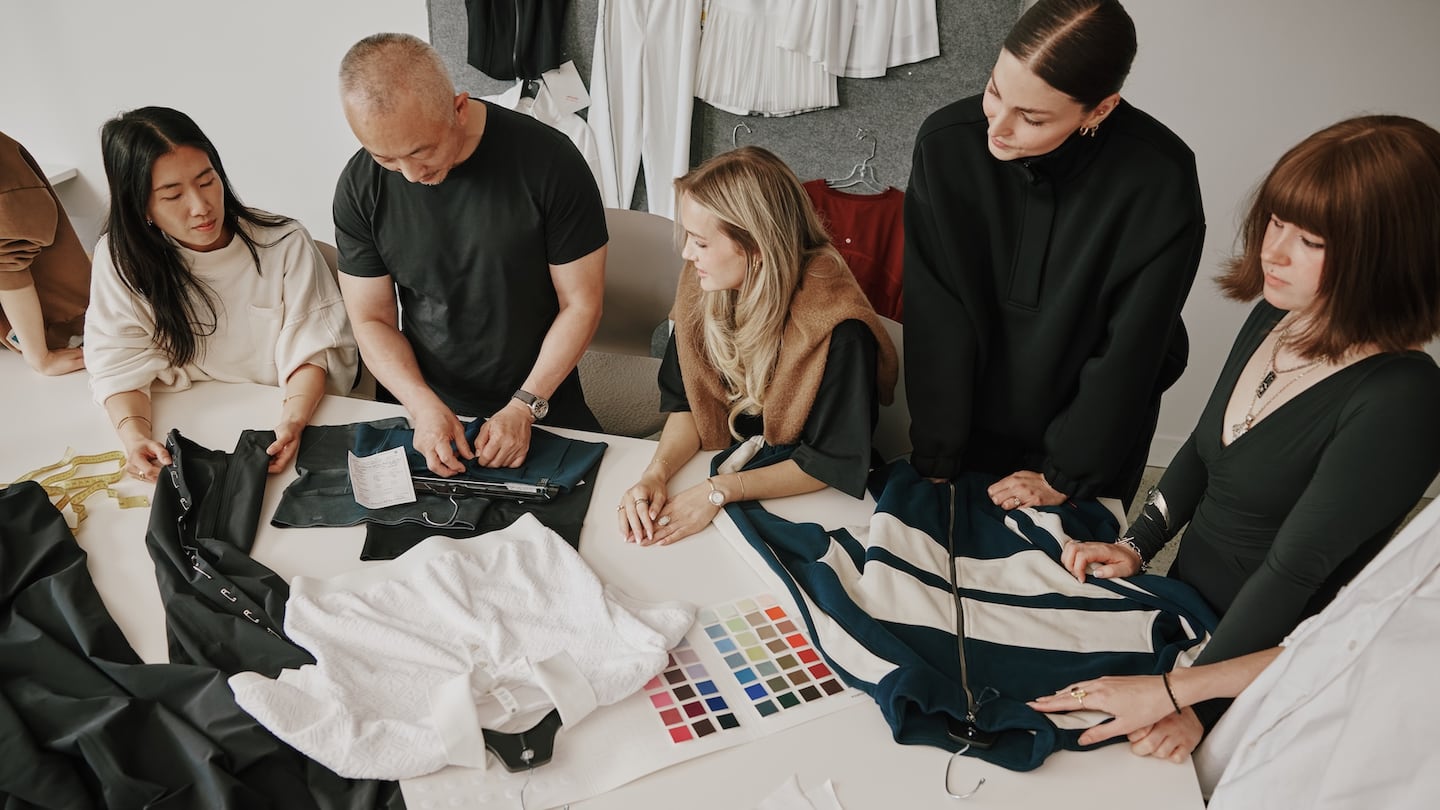
Supporting these efforts is the dynamic — and still growing — design team largely based in the company’s Vancouver headquarters in the Kitsilano neighbourhood, close to the label’s first store on West 4th Avenue. There, designers work across womenswear, menswear, outerwear, and accessories — and actively collaborate with other teams, including research and product innovation, raw materials, merchandising and brand. Meanwhile, the company’s footwear design studio is based in Portland, Oregon.
As Lululemon continues to expand, its design team is focused on delivering high-performance, versatile athletic and lifestyle apparel. At the same time, the company is scaling its team to elevate its product design — honing in on innovation, increasing speed to market and a crystalline focus on product quality and performance.
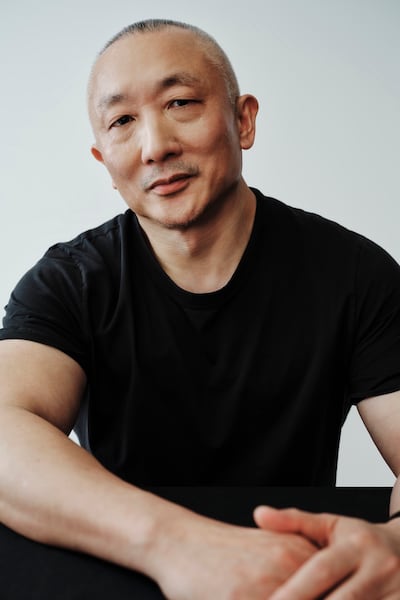
Now, The Business of Fashion sits down with Cheung to learn more about the team behind the brand’s evolving design approach.
The product. When I was being headhunted for this role, I bought a bunch of Lululemon gear, went home and — what I’m used to doing as a design professional — turned them inside out. I was astounded at the technical elements: the leggings were seam-sealed and the thoughtfully designed pockets meant my AirPods wouldn’t fall out. I saw the brand was going beyond the call of duty.
Such design elements are a technical labour of love and doing this on stretch fabrics gave me insight into the mindset of a company that puts effort into a product that is really putting that extra effort in. The brand also has this crossover of my own hobbies and lifelong interest in exercise and wellness.
There’s also an authentic culture bolstered by people who make it all possible. It is very normal in the office to see people doing yoga or a HIIT class. The business is always anticipating what it calls “unmet needs,” anticipating what the consumer is next looking for, before they might even realise it themselves.
My role at Lululemon is to set the creative vision for our products. Within my first few months here, when I was trying to determine how I’d like the brand to be defined, I started using the term “high performance, high style.”
Lululemon has a storied history of athletic performance where style has always been important. But I wanted to underline the fact that culturally, style has become an increasingly important part of athletic performance. If we look across all elite athletes in every field — Olympic sprinters, footballers, NBA players — enormous attention is paid to how they look. The culture has led us to the point where if you look your best, you feel your best — and subsequently play your best.
We welcome all good ideas, as we know that they can come from any level.
That’s why we’re honouring the traditional design codes of Lululemon and dialling them up. Luckily, I am building a team that is obsessed with delivering technically proficient products that perform, while having a discerning eye for style and pushing it where culture is going.
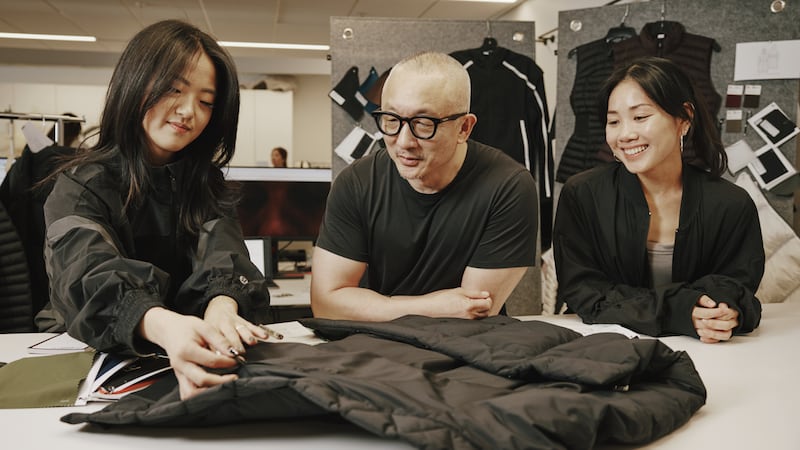
The design culture is relaxed, one where people are encouraged to speak their mind because we’re looking for the best ideas. We’re all pretty humble, a little self-deprecating — and embrace a down-to-earth culture.
We push the concept of “idea meritocracy” — meaning we welcome all good ideas, as we know that they can come from any level. In my experience, great ideas often come from the younger, more junior members because they often are closer to where culture is moving.
For instance, I posted something recently on this print that I thought would be good for graphics, and then a designer, Natasa Nikolov Lazic, who works in running — she’s an amazing world-class designer — suggested making the raindrops reflective and it was ingenious!
The other side is we have this relentless drive to make things better, never to rest on our laurels, always to push the bar higher and higher. We’re always striving to break through the ordinary to the extraordinary.
Cross-functional collaboration at the company has continued to grow in importance. I’m relatively new to the company, but the way we work now is the way I’ve always worked. In practice, it means building relationships with my peers across all levels. It’s about being a social butterfly and creating those relationships that mean people have the confidence and the security to be relaxed at work. It’s about speaking through opportunities and challenges — and congratulating people when they succeed.
We’re building a culture where psychological safety is a priority. It’s not a zero-sum game: the best work comes from wanting your colleagues to win. This mindset makes a big difference and can change everything.
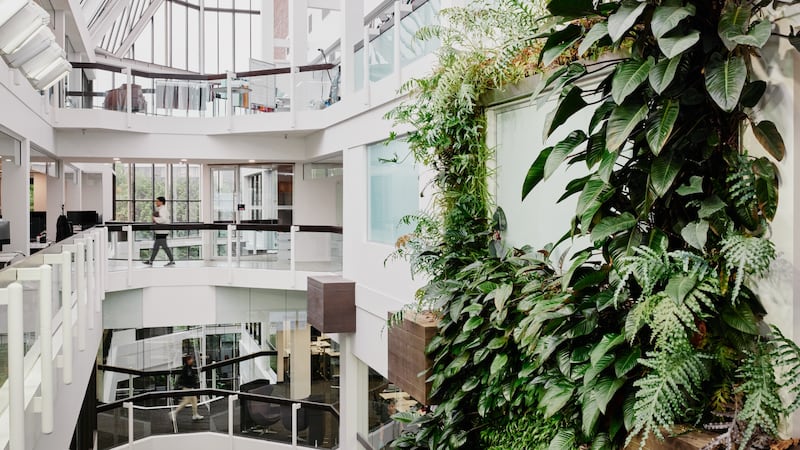
I want to create an environment where designers can express their creativity, can push their imaginations and can be brave.
In practice, that means developing the designer holistically. I want to give my team the opportunity to design the entire outfit, rather than siloing them to one specific piece of a garment — as so often happens at big companies. By doing this, they gain a greater understanding of storytelling, strategy and problems we are looking to solve. I encourage people to think about how something could be done better, because if it’s not better or different, it’s either worse or already exists in the market.
The design team aims to stretch one another — and stretch the goals of the business to reach new heights.
My job is to allow creativity to happen freely because creativity leads to products that solve problems, that delight, that are different — and that have a positive effect on the brand and all the people involved in it. The design team aims to stretch one another — and stretch the goals of the business to reach new heights. A little bit like yoga! We want to take people to places that they wouldn’t have gone of their own accord.
I look for high energy, high intelligence and high integrity. Designers need to be curious, driven and self-starters.
We want people who will challenge ideas and push boundaries. At Lululemon, people will stretch, they will learn and they will grow in such a way that means they can strengthen their creative wings.
We are looking for people to step into roles that are meaningful to them, positions that feel like a natural calling — where you have the opportunity to do some of the most exciting work of your career. I believe it’s a measure of how strong the brand’s culture is that we can attract best-in-class talent from across the globe to join our team. Plus, Vancouver is stunning and those interested in wellness can take advantage of yoga, Pilates, strength training classes and more on-site.
This is a sponsored feature paid for by Lululemon as part of a BoF partnership.
Loading recommended reads…
The underwear juggernaut has been hard at work revitalising its offer by returning to its glamorous roots. But its massive cosmetics and fragrance business has been slower to transform.
The sunscreen label has appointed former Coty executive Jamie Parker to the newly created role as it gears up to become a “global skin health company.”
LuxExperience posted a rise in sales as the luxury multibrand platform’s strategy of catering to the ultra wealthy helped it navigate a difficult environment for high-end fashion.
The former Versace designer is set to open a new aesthetic era at one of Giorgio Armani’s biggest lines. The appointment marks the Italian fashion empire’s first creative shake-up since its founding.