Agenda-setting intelligence, analysis and advice for the global fashion community.
Agenda-setting intelligence, analysis and advice for the global fashion community.

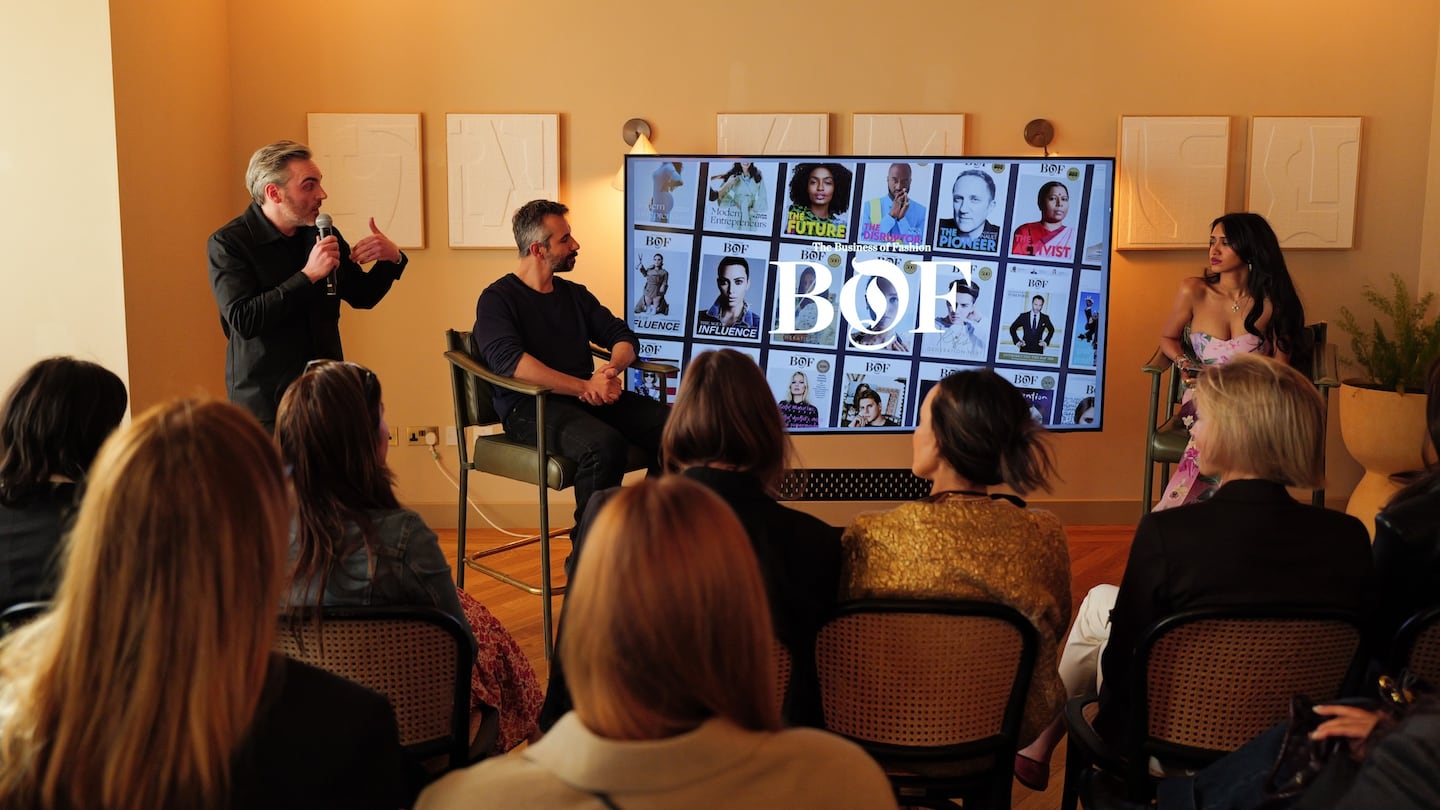
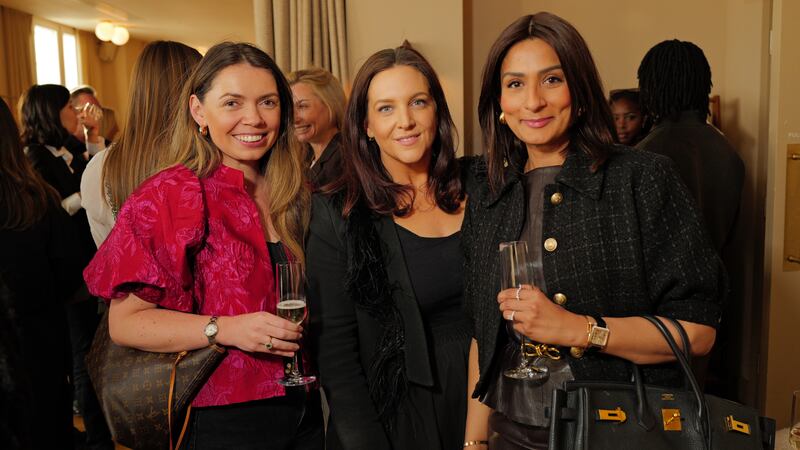
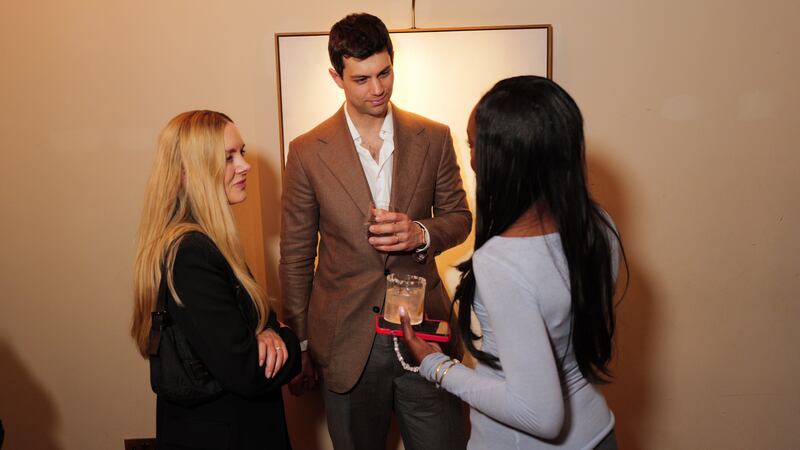
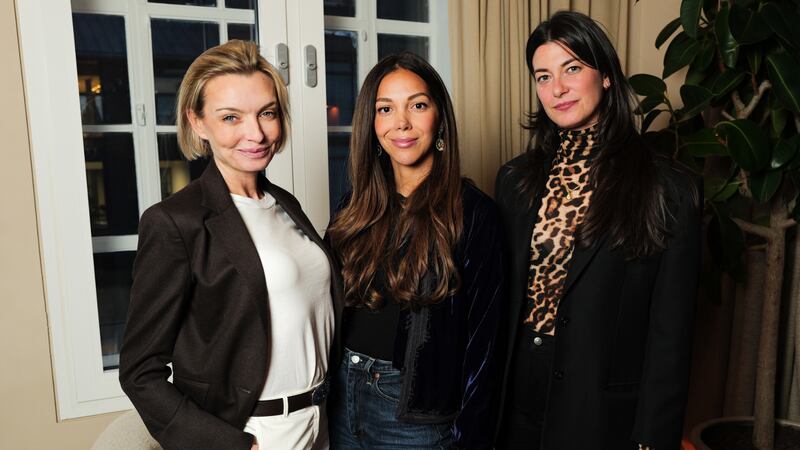
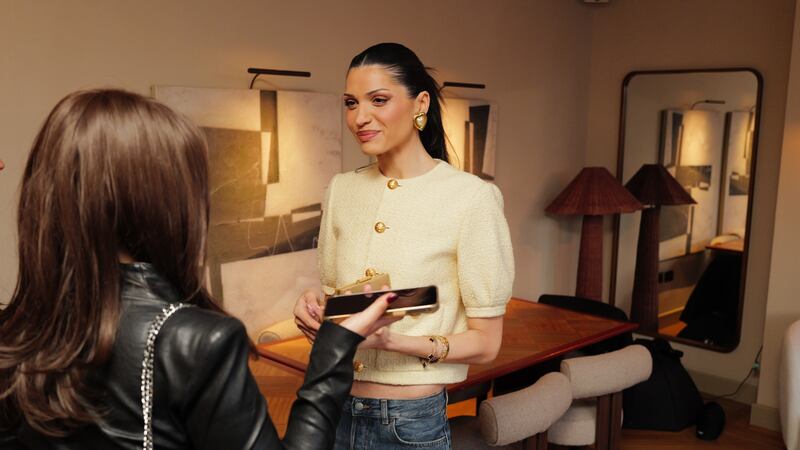
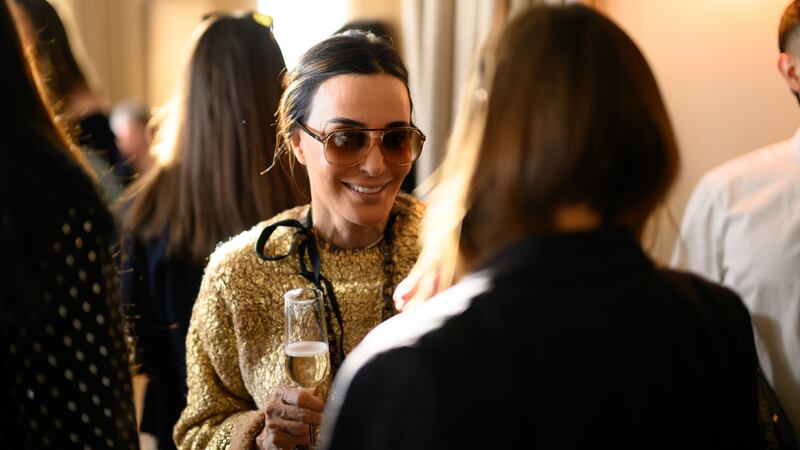
LONDON — On 29 April, The Business of Fashion (BoF) convened luxury and retail industry leaders at The Roof Gardens in West London for a briefing on how to deploy artificial intelligence across the fashion and beauty industries.
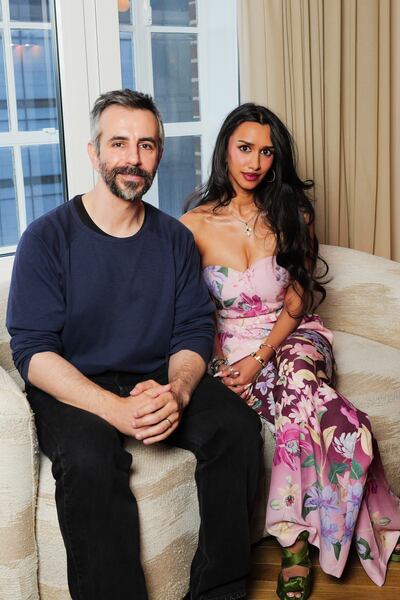
Hosted by BoF content strategist Shenel Wickramaratne and news, features and reports editor Marc Bain — author of BoF’s Tech Mode expert newsletter — the conversation assessed how AI is reshaping the industry landscape, from its impact on consumer trust to talent and recruitment.
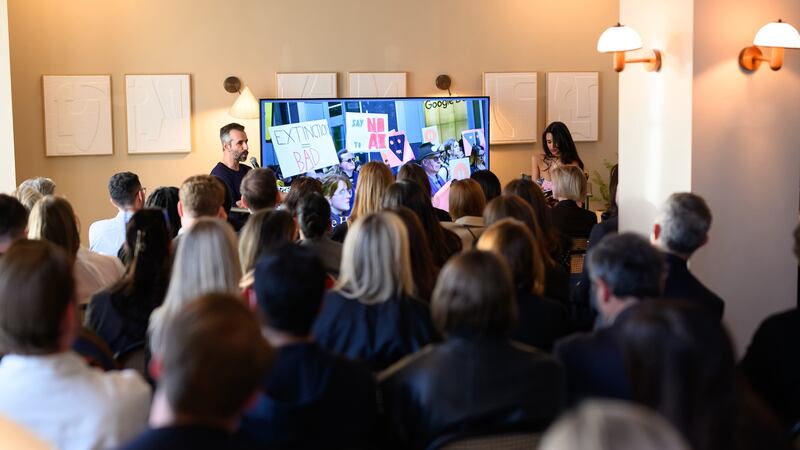
The aperitivo began with a fireside chat between Wickramaratne and Bain, who unpacked key insights from The State of Fashion 2026 report by BoF and McKinsey & Company, before turning to BoF’s latest artificial intelligence coverage, including The Fashion Marketer’s Guide to AI case study.
What began as isolated use cases across the industry — generating imagery, writing copy and testing ads — is now expanding into something broader: how brands build campaigns, distribute them, measure them and increasingly how they are discovered.
ADVERTISEMENT
Wickramaratne noted that consumers are shifting from keyword searches to longer, more contextual prompts, describing themselves, their needs and their constraints while asking for recommendations. Some 53 percent of US consumers who used AI for search in Q2 2025 also used it to help them shop, according to The State of Fashion 2026 report.
Instead of competing for attention in search results or feeds, brands are now competing for inclusion within AI-generated answers. If AI systems effectively mediate visibility, they become gatekeepers. Wickramaratne asked what brands can do to retain control.
Bain noted that despite this visibility gap, AI traffic grew 393 percent year on year and now converts 42 percent better than traditional sources, signalling growing trust in AI recommendations. This data highlights a widening divide between retailers adapting to AI visibility and those lagging behind.
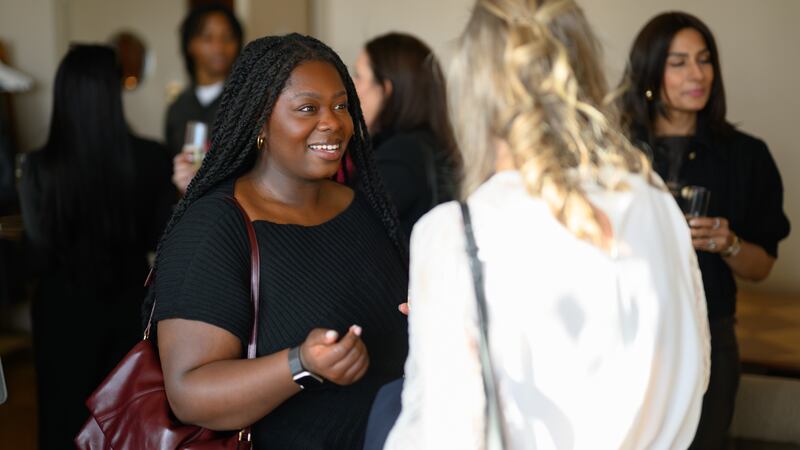
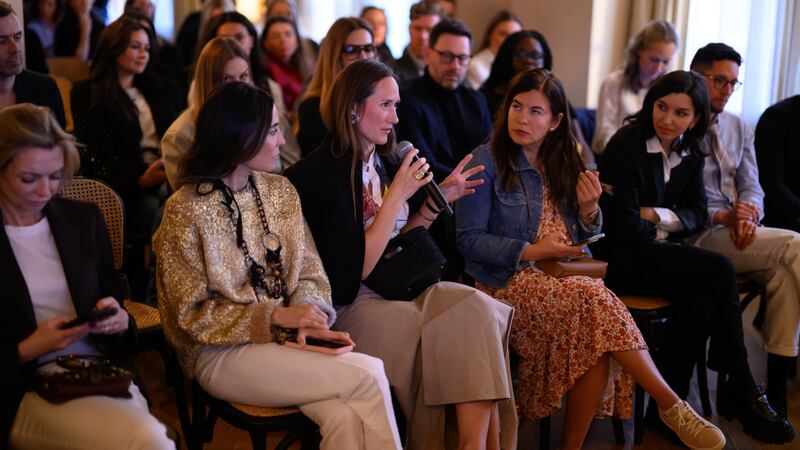
Before opening the floor to the audience — which included leaders from Allbirds, Cartier, Liberty, Max Mara, Mulberry, The Bicester Collection and Joseph, among others — the presenters ended with a key takeaway: human intent remains the anchor of the fashion and beauty industries, something AI cannot yet replicate.
Several attendees then questioned how to implement AI in retail without alienating a loyal customer base that values heritage and may resist impersonal digital interactions with a robot.
“Research from the The Wharton School of the University of Pennsylvania shows that AI agents build more trust when they sound like authoritative experts, rather than being overly friendly, chatty or sounding like a cartoon character,” said Bain.
He also highlighted best-in-class examples of AI that provide luxury sales associates with deep customer insights. “Instead of manually looking up a customer’s history, AI can surface their purchase history, preferences and important upcoming dates directly on an iPad for the associate.”
When asked about the impact of large language models on small businesses’ visibility, Bain noted that large brands have a structural advantage, as LLMs rely on the vast volume of written information available about them.
ADVERTISEMENT
Audience member Anabel Maldonado, founder and chief executive of Psykhe AI — a technology company applying AI and psychology to deliver real-time, per-user personalisation in luxury e-commerce — mentioned that LLMs cannot encode “taste” or purely emotional descriptors such as “modern” or “stylish.” “Smaller brands can stand out by going beyond functional descriptions on their product pages and providing rich emotional grounding,” she said.
0 of 10
Another guest questioned whether AI companies are overstating their significance to justify their massive financial valuations. Bain acknowledged that major AI players are presenting the most optimistic outlook possible while generating real revenue. He noted that OpenAI shifted from its original non-profit model to a company valued at more than Goldman Sachs and Netflix combined in February 2026.
“It is definitely possible they are overstating their significance, and many will likely fail to deliver on their grand promises,” said Bain. “The jury is still out on whether we are in an AI bubble.”
Senior strategists across fashion and beauty are available to deliver Executive Briefings in-house, tailored to your business. Please get in touch here to arrange one.
Loading recommended reads…
Marni toughened up, Max Mara leaned into pragmatism and Cavalli mined its past glory on a day when clothes, not spectacle, reclaimed the fashion week conversation, Angelo Flaccavento writes.
Gucci said the manufacturing decision reflected particular technical needs. Some industry-watchers argue it could undermine the brand's high-end image.
This week, Priya Rao dives into the rampant copycats in beauty — and no, she’s not talking about dupes.
BOLD, the French conglomerate’s venture capital fund, will collaborate with retailer Nykaa to invest in the next generation of Indian beauty brands.