Agenda-setting intelligence, analysis and advice for the global fashion community.
Agenda-setting intelligence, analysis and advice for the global fashion community.

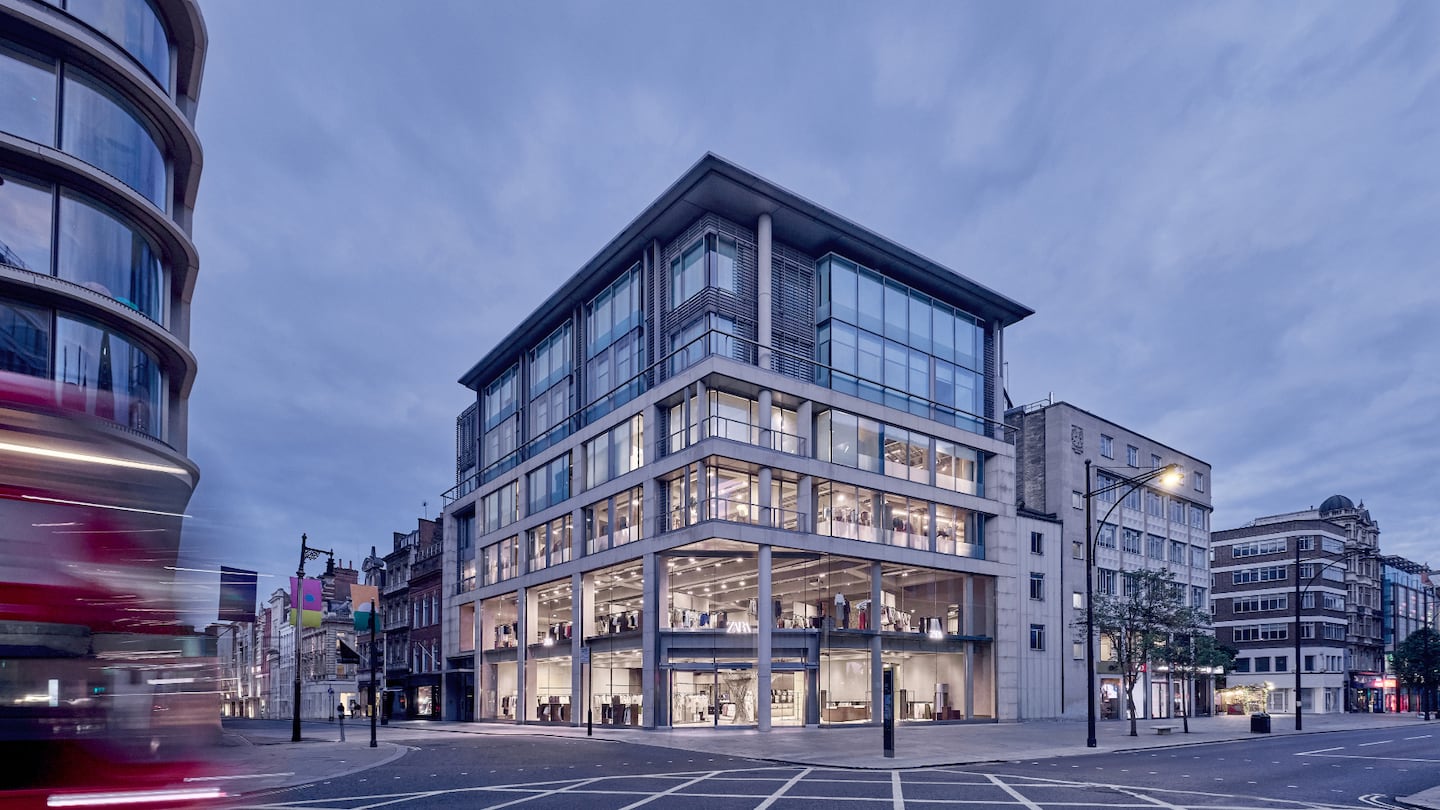
Zara’s Bond Street flagship has an upscale new look.
The 3,185-square-metre store on the corner of London’s Oxford Street and New Bond Street, which reopened Thursday after a five-month renovation, is the latest example of Zara’s steady effort to elevate its image and customer experience.
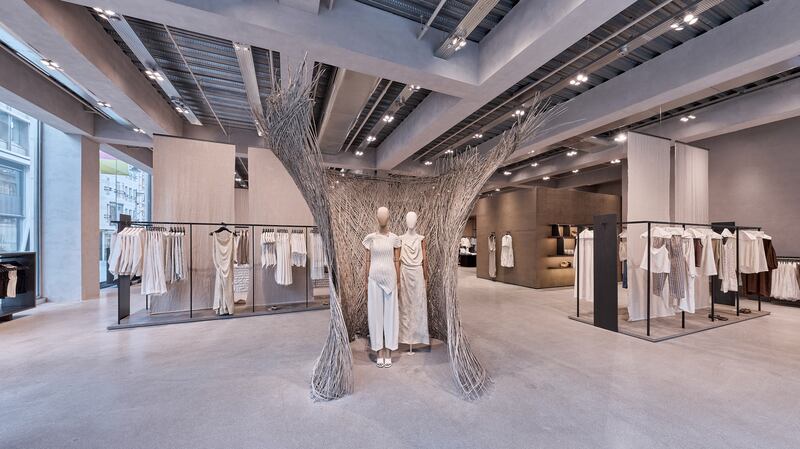
Larger front windows allow in more natural light. The ceilings have been lifted, giving Zara’s revamped store a more open feeling, while earth tones and textured materials like wood and stone dominate the walls and fixtures. There are also more fitting rooms, a larger selling floor and new tech-enabled checkout counters intended to reduce long queues.
“Our main focus when we were designing the store is how the customer can really enjoy the experience,” said Pilar Losada, UK country manager for Zara’s parent company, Inditex. “The street is quite busy, so in this kind of store, the customer demands a bigger space.”
ADVERTISEMENT
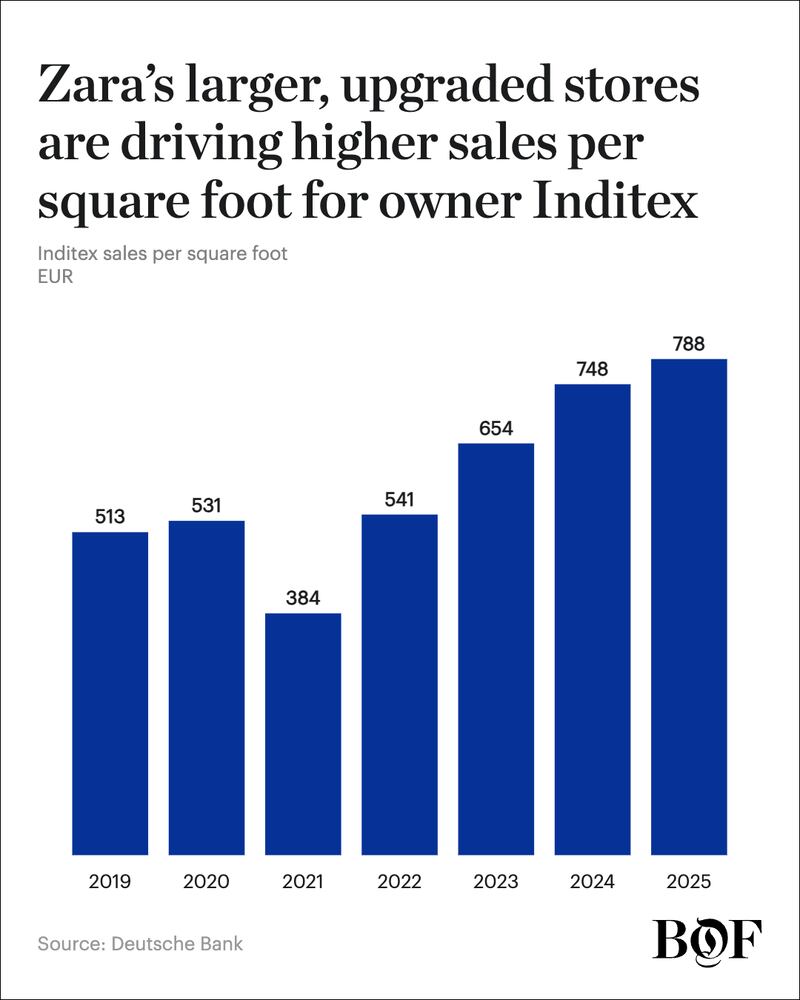
Larger spaces in prime locations have been key to Zara’s strategy in recent years. Since 2022, the company has reduced the number of Zara stores, including Zara Home, from about 2,000 locations globally to around 1,500, while total selling space has grown in the same period, according to company filings. The brand has also been refurbishing its top stores, creating a more experiential, upmarket environment as it strives to differentiate itself from cut-price disruptors like Shein and attract shoppers priced out by luxury players over the past few years.
The approach appears to be working. “The strategy has been extremely successful with higher sales density and the nicer store locations and store environment giving Zara more ability … to stretch the price architecture to higher price points,” Adam Cochrane, analyst at Deutsche Bank Research, wrote in an email.
That success was evident this week as Inditex reported that currency-adjusted sales in the quarter through April grew 8.8 percent from the prior year to reach €8.7 billion ($10.1 billion), beating analysts’ estimates. In May, sales growth accelerated to 11.5 percent, though partly because of favourable calendar effects.
The company may find it hard to maintain that level of performance, but Zara, which accounts for roughly 70 percent of group sales, continues to attract shoppers with its more refined image and improved customer experience.
Technology is vital to that endeavour. In the newly refurbished Bond Street store, all the clothing is outfitted with radio-frequency identification, or RFID, tags, which can be quickly read by sensors. They allow the self-checkout tills to know exactly what a customer wants to purchase without them having to scan items individually, the fitting rooms to know which items a customer has brought in and store associates to more easily determine what needs to be replenished on the shop floor.
There is also a machine Zara calls “the sorter” that runs on a track and whisks items on their hangers from the fitting room to the stock room, where they can be sorted and then, if needed, put back on the sales floor more efficiently. It’s also used for new deliveries. According to Losada, all the technology lets staff spend less time on tedious tasks and more time helping shoppers.
“It’s changing [the] employee and customer experience,” she said. “It’s changing everything.”
The star designer will ‘re-author’ items from Zara’s archives in a series of collections from September, reinforcing the Spanish retailer’s push upmarket.
Brands are elevating their offerings to avoid competition with Shein on the low end or capture high-end shoppers squeezed out by luxury's soaring prices, says the BoF-McKinsey State of Fashion 2026.
Zara, Uniqlo and American Eagle are among those leaning on the technology for abilities like self-checkout and better inventory tracking, while more companies join the ‘cult of RFID’ each year.

Marc Bain is the UK Editor at The Business of Fashion. He is based in London and oversees BoF's case studies and executive memos, as well as driving its technology coverage.
Loading recommended reads…
BoF commercial features editor Dan Hastings joins Sheena Butler-Young on The Debrief to explore how rising tuition costs and the disruption of AI could give fashion a new opportunity to attract young workers to careers in tailoring, patternmaking and other skilled trades.
Sales rose by the most in five months in a broad advance, showing consumers continued to spend despite rising gasoline prices.
The sunscreen label has appointed former Coty executive Jamie Parker to the newly created role as it gears up to become a “global skin health company.”
The underwear juggernaut has been hard at work revitalising its offer by returning to its glamorous roots. But its massive cosmetics and fragrance business has been slower to transform.