Agenda-setting intelligence, analysis and advice for the global fashion community.
Agenda-setting intelligence, analysis and advice for the global fashion community.

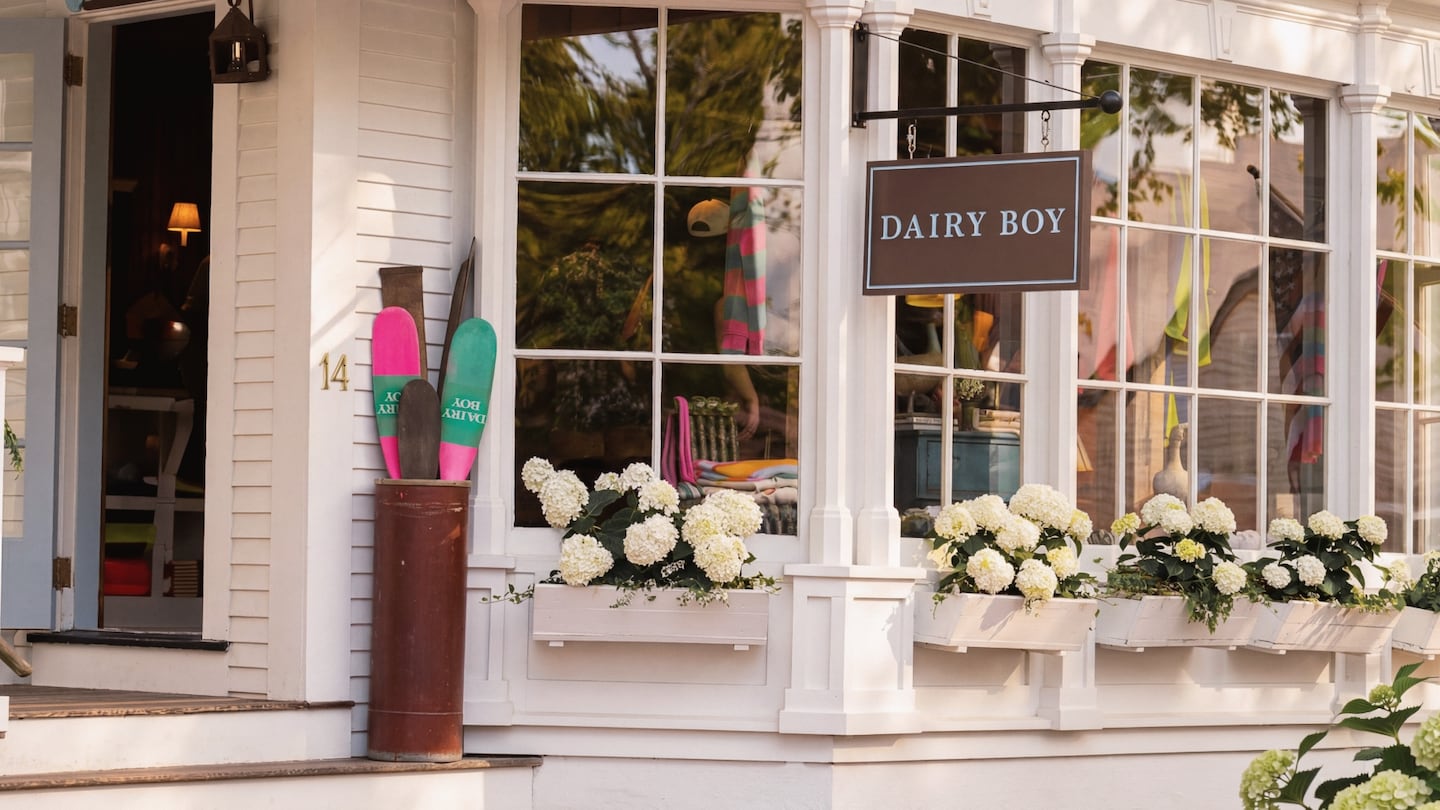
After years of seasonal events, store openings and marketing activations “out east,” fashion’s activity in the Hamptons may have actually hit a peak.
This year, brands like Tuckernuck and Roller Rabbit are eyeing a new crop of coastal hot spots like Nantucket and the Jersey Shore to target well-to-do vacationers, seeking less crowded markets where they can stand out more easily.
“There’s just so much noise [in the Hamptons], to cut through would be near impossible,” said Erin Saluti, the founder and creative director of handbag brand Eittem. Instead of finding an expensive storefront somewhere along the ritzy string of towns on Long Island’s southern shore that make up the Hamptons, the brand put its wares on sale at an art gallery on Nantucket, an island 26 miles off the coast of Cape Cod. It’s also hosting a cocktail reception for customers and influencers at the gallery later this month.
While plenty of brands are still opening shops and staging events in the Hamptons, the industry is increasingly casting a wider net when it comes to vacation retail. Nantucket in particular has emerged as this summer’s most in-demand destination: In May, content creator Paige Lorenze’s brand, Dairy Boy, and Charleston-based Hart Jewelry opened permanent stores there. LoveShackFancy, La DoubleJ, Loeffler Randall and Frēda Salvador are all hosting pop-ups on the island, too.
ADVERTISEMENT
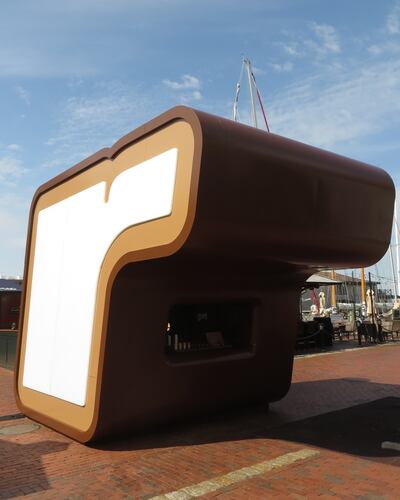
Gen-Z pyjama and loungewear label Roller Rabbit, meanwhile, hosted a pop-up on the Jersey Shore earlier this month and Newport, Rhode Island has seen buzzy activations from brands like eyewear seller Krewe and Hailey Bieber’s Rhode, which led to lines wrapping around Bowen’s Wharf, the heart of its downtown waterfront. On the West Coast, the scenic Montecito, which neighbours Santa Barbara, has seen an influx of retail openings this year from New York-based brands like Lela Rose and La Ligne.
Fashion’s increasing interest in vacation retail is driven by an eagerness to cater to affluent Americans, who have emerged as fashion’s most sought-after customer base as shoppers elsewhere remain cautious in their spending. This provides an extra incentive for brands to meet them where they are in a moment where they’re in a good mood and primed to shop.
“There’s nothing better than that energy. … You’re associating your brand with people’s happy place,” said Jocelyn Gailliot, chief executive and co-founder of Tuckernuck, which opened a smaller-format store called A Sailor’s Valentine on Nantucket this summer.
But operating seasonal stores comes with challenges, including hiring associates from a limited talent pool, generating business against summer’s time constraints and finding the right space in a high-demand market. There’s competition from established vacation town tenants like T-shirt shops and other local businesses, which may not welcome shifting dynamics that come with outsiders.
“It’s the Super Bowl when the peak season hits,” said Kate Watters, president of Jenni Kayne, which has stores in Amagansett, Southampton and Carmel-by-the-Sea, Calif.
Operating in these destinations requires an extra level of care, not just within a store’s own walls, but in engaging with locals, too. The payoff can be major: a whole year’s worth of revenue in a matter of months — and hopefully, a positive brand sentiment that lasts long after summer ends.
“You’ve got the right customers in the right place and the right state of mind to see your brand and then hopefully that translates to once they go back to where they live,” said Alex Faherty, co-founder of Faherty, which operates stores in coastal locations like Martha’s Vineyard and the Jersey Shore.
While brands can consult customer data to determine the cities where their customers live, figuring out where their most loyal patrons vacation is more challenging. The process requires a combination of talking to shoppers and observing them on social media as well as going off of gut instinct, said Gailliot. Even once you’ve identified the destination, real estate presents another hurdle: Curry Hagerty, the chief executive of Hart, said that the brand signed its Nantucket lease sight unseen after waiting months for a space to become available.
ADVERTISEMENT
Once the storefront is secured, other logistical hurdles can emerge. Many of these destinations are “hard and expensive to get to,” Dairy Boy’s Lorenze said. Nantucket, for example, is only accessible by ferry or flights, which are frequently delayed thanks to the island’s notoriously unpredictable weather. Hotel Lobby Candle, for example, chartered a flight for guests on its Nantucket brand trip earlier this month. (Last summer, its trip was to the Hamptons.)
But the idyllic setting of a coastal getaway, brand operators say, is almost always worth the squeeze because when shoppers are on holiday, they’re more likely to spend money. Tony vacation destinations like Nantucket attract a customer with deep pockets when they’re at their most carefree. There’s an added benefit when a resort town goes viral: Influencers and their followers can create whole new economies of retail, and the more businesses that open, the bigger the hype.
“We get to plug into an existing calendar of energy and foot traffic, rather than having to generate it all alone,” said Hart’s Hagerty.
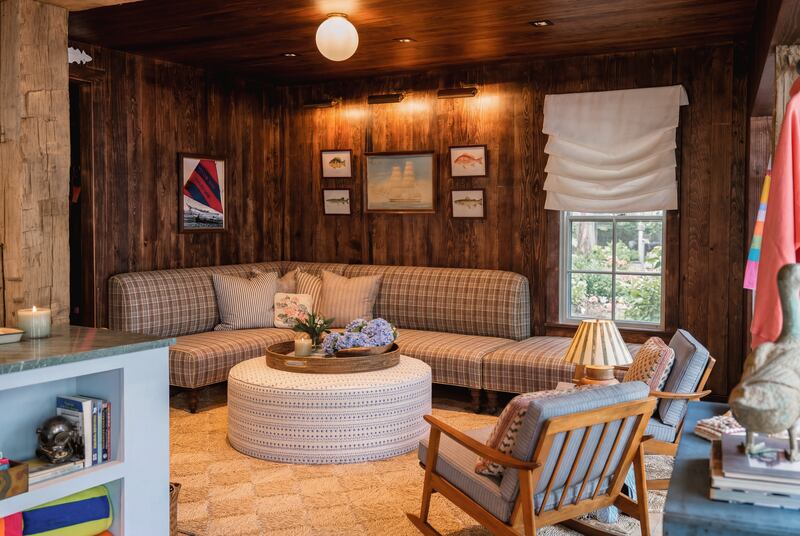
Destination retail can also help a brand evolve or cement its image. While Jenni Kayne, for instance, is predominantly known for knitwear, its seasonal stores can highlight its linen pieces and other resort offerings. Dairy Boy had hosted several pop-ups in New York City to cater to its Gen-Z audience, but Lorenze felt Nantucket’s nostalgic energy — cobblestone streets, shingle-covered houses and hydrangea-filled gardens — would be the right backdrop for its first permanent store, which was designed to feel like a summer home.
“Nantucket has so much of its own aura around it that doesn’t have anything to do with the stores on the island,” she said. “When they’re walking out of your store, it’s equally as beautiful as inside,” she added.
Too much business, however, and a place that once felt like an undiscovered gem begins to lose some of the magic that drew brands there in the first place.
An influx of outside retail “does take away a little bit of the local charm,” admitted Faherty, calling out destinations like East Hampton or Southampton where big-name luxury labels like Gucci, Prada and Brunello Cucinelli now outnumber local shops.
Locales have their own strategies for handling that balance. Faherty said that on Nantucket, while there’s plenty of new tenants coming in, retail landlords make it a point to maintain the presence of local businesses. The island also has a law prohibiting brands with more than 10 existing locations from opening up shop. (There are ways around that, however — Roller Rabbit opened its “general store” concept on Nantucket last summer, carrying wares from other brands, to stay within bounds.)
ADVERTISEMENT
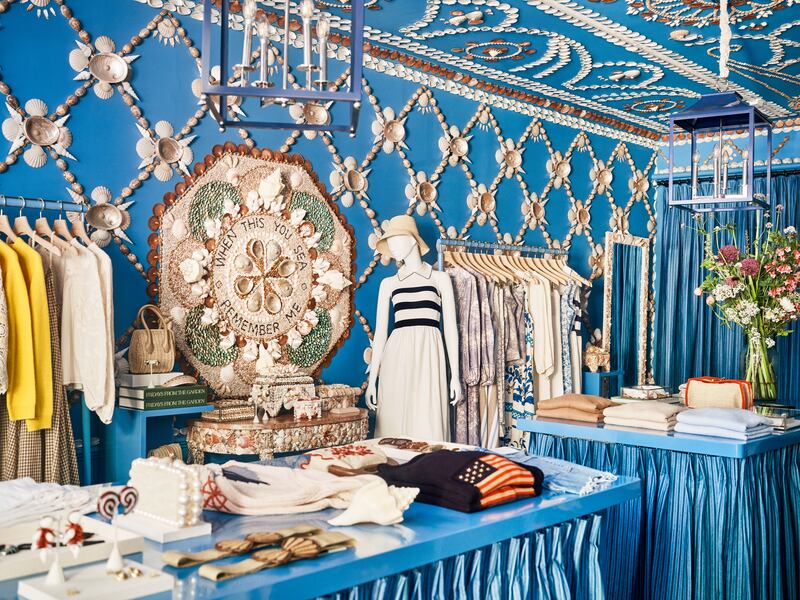
Brands that want to succeed in these markets need to create a retail environment that reflects local culture and aesthetics. Tuckernuck, for instance, called its store “A Sailor’s Valentine” in reference to valentines made out of shells that Nantucket sailors would bring home to their loved ones after months away. The team worked with an artist to create a life-size sailor’s valentine on the wall of the store.
“We really wanted to go above and beyond and make sure that it wasn’t just a copy paste store for us, but a love letter to the island,” said Gailliot.
Appealing to locals, too, is important, particularly in a destination just beginning to see an influx of larger brands arriving. Jenni Kayne hosts book and knitting clubs in its destination stores, as well as events like yoga classes, to engage with the community that will keep shopping year-round. Faherty said it makes custom merchandise, including T-shirts and hats, for each vacation outpost. Dairy Boy plans to close its doors in October, but reopen for Christmas Stroll, a weekend-long holiday celebration every December, which is mostly attended by locals.
When a store is embraced by the local community, the benefits go both ways.
“What’s good for one is good for all,” said Peter Burke, executive director at the Nantucket Island Chamber of Commerce. “Having a strong collection of retailers helps make the destination as a whole very viable for people to include shopping on their vacation.”
The lines are long, the prices astronomical and the influencer presence inescapable — but the Hamptons remain a key stage for brands chasing wealthy customers.
The collective effervescence of the Paris heatwave on the heels of Knicks fever in New York suggests culture is shifting. Can fashion keep up? Plus, Dior, Saint Laurent and Louis Vuitton show menswear in Paris.
Three friends with no fashion background built a $100 million retail business in Washington, DC by doing what Farfetch and Matches Fashion couldn’t: defining their customer and sticking to their preppy aesthetic.

Diana Pearl is Senior News and Features Editor at The Business of Fashion. She is based in New York and drives BoF’s marketing and media coverage.
Loading recommended reads…
Sales of gems, precious metals and artwork at Japan’s department stores climbed 19 percent in the first half of 2026 from a year earlier to $2 billion.
Though Adidas dressed both teams in the World Cup finals, the global football tournament still presented some bright spots for Nike, writes Bloomberg’s Andrea Felsted.
From our archive, the creator and host of award-winning podcast “Articles of Interest” joins BoF founder, CEO and editor-in-chief Imran Amed to explore what clothing can reveal about identity, culture, labour and the world around us.
Saunders, the brand’s first creative director in five years and a skilled colourist, promises to give Kate Spade the clarity it has long lacked. Now, Tapestry must apply the same long-term brand-building discipline that fueled Coach’s success.