Agenda-setting intelligence, analysis and advice for the global fashion community.
Agenda-setting intelligence, analysis and advice for the global fashion community.

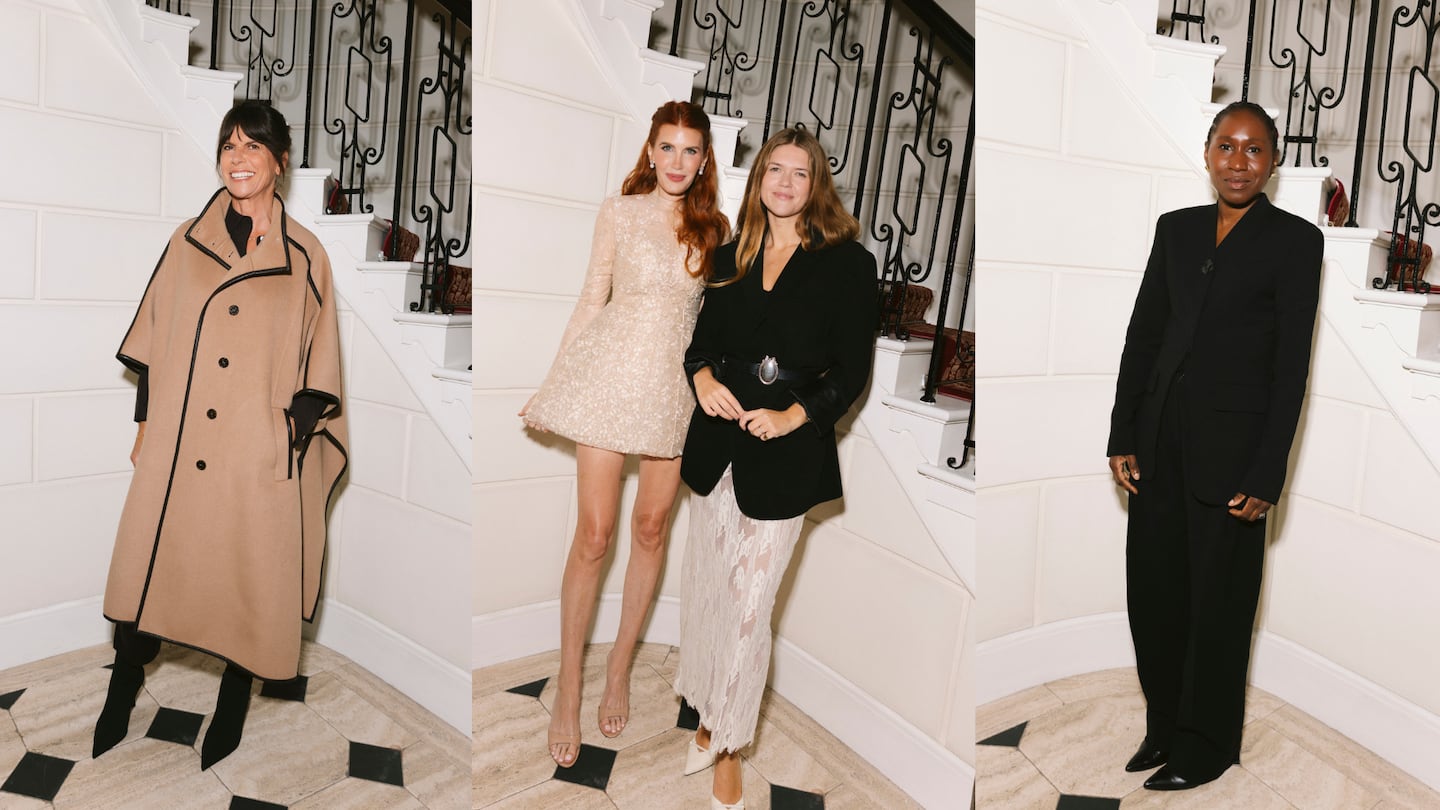

LONDON — On October 7, The Business of Fashion, together with creator commerce platform LTK, convened creative, digital and marketing leaders from across the fashion and beauty sectors for an intimate cross-industry dinner.
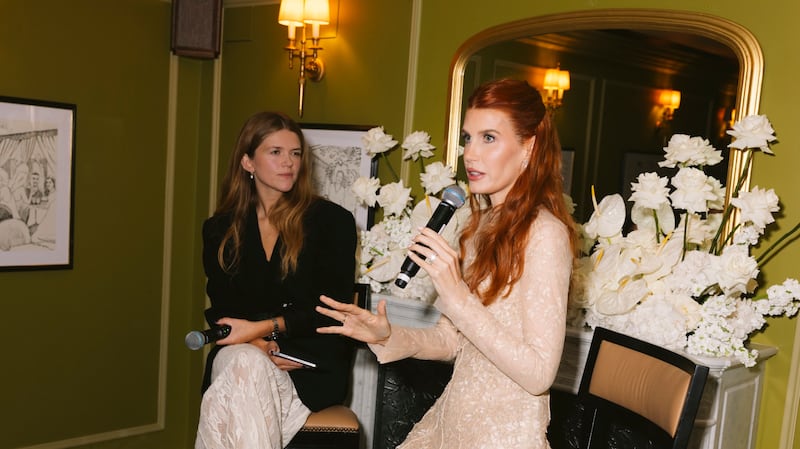
Guests in attendance hailed from brands including Jimmy Choo, Coach, Gap Inc., Joseph, Tove, Pandora, Space NK and Coty, among others. Following a cocktail reception, attendees sat for dinner as co-hosts Alice Gividen, head of client strategy at BoF and Amber Venz Box, co-founder and president of LTK and BoF 500 member, welcomed the room and unpacked the value in scaling creator investment through a fireside conversation.
Today, the influencer economy is a core part of the media mix, with creator marketing the primary area in which CMOs plan to scale investment in 2026, according to LTK and Northwestern University’s CMO Creator Marketing Study. The number of creators brands invest in has also increased by more than 275 percent over the past year, according to LTK.
With creator demand and value now well-established across the industry, the more pressing challenge for fashion and beauty brands is to make creators’ influence on purchase behaviour more measurable, manageable and scalable.
Indeed, the operational angle grows more complex as influencer portfolios expand. Brands need to find the right creators faster and understand the different roles they play across the customer journey — from a much larger data set.
This requires a new level of data transparency. With different influencers driving different results across discovery, conversion, loyalty and repeat purchase — and with their content reused across paid, owned, retail and emerging AI channels — brands must work to determine not only their ROI, but also their impact on brand perception and demand.
At the same time, they need to establish where technology and AI can automate processes, cross-functional collaboration and where human judgement remains essential.
The next phase of creator marketing is therefore about building the infrastructure and operating model to unlock creator power at scale.
Below, BoF shares key insights from the evening.
Traditional influencer marketing relied on “vanity metrics” — such as follower counts, likes and impressions — which were easy to collect but no longer reflect how consumers discover and engage with content.
“Now that we have algorithmic feeds, every individual has a unique experience. Things that once had mass cultural value are now fragmented into subcultures, so content is no longer reaching customers in the same way,” shared Venz Box in her opening remarks.
Nine years ago, LTK invested in its own consumer platform to keep creators connected to engaged audiences through their own LTK profile and dedicated storefront — offering a competitive advantage as social channels monetised users and changed how creators reach followers.
LTK makes access to its data free, offering greater insight into full-funnel creator performance across its platform, which is home to 44 million global monthly users.
“The most important metric is now a creator’s retail value. Brands need to understand how much a creator sells within a given period, such as 30 days,” shared Venz Box. “Follower counts and other traditional measures matter less than the sales they generate. Creators should be viewed as part of a brand’s distributed sales force.”
Other metrics, such as earned media value (EMV) and website traffic are still valuable, particularly as a creator programme’s overall performance becomes increasingly important — and increasingly scrutinised internally.
“We track our EMV performance over time against our brand awareness and brand trend to see where they are growing together,” shared Leanne Rouse, chief marketing officer at Space NK.
However, she also shared how understanding a creator’s impact on the bottom line remains a key challenge without a broader data set — a gap LTK’s platform aims to address.
Before expanding their creator portfolios, brands should start by considering their business objectives and target customers. Understanding customer profiles from a social media perspective helps identify the right creators to support specific business objectives.
“We look at our customers in terms of our active customer base and who’s new, who’s retained and who’s lapsed that we’re reactivating. We have tried to think of creators in exactly the same way,” Rouse told BoF.
“It requires more intelligence than ever because brands need to understand their customers first. Who are they targeting? What age group are they in? Who do they follow and where can brands reach them?” said Venz Box.
This approach also informs how brands balance different types of talent. While celebrity partnerships can still generate attention, Venz Box believes their role has diminished as consumers become more aware of paid endorsements.
The most important metric is now a creator’s retail value. Brands need to understand how much a creator sells within a given period.
— Amber Venz Box, co-founder and president of LTK
This resonated with Mint Velvet’s approach, where the appeal of influencer partnerships lies in the womenswear brand’s authentic point of view. “What we love about creators is they bring their own personality, and so our customer really relates to how clothes are really worn,” said Liz Houghton, the brand’s founder.
Brands should also look to build a broad, yet considered mix of creators. “One team might want to focus on coupon platforms to acquire new customers, then decide to work exclusively with 40 high-profile creators, before asking to gift products to 30,000 university students,” said Venz Box. Each approach serves a different business purpose — from conversion to building new reach.
At ready-to-wear label Joseph, creators help the brand access new audiences while maintaining its credibility. “We work with creators, not only for brand awareness — we love tapping into their audience — but also for brand positioning,” said Ellie Stacey, head of marketing at Joseph. “We have a solid consumer base, but we really need to target a new audience. So we really use creators to tap into [that], while staying credible.”
“Brands should manage their creator networks in the same way they manage their customer base,” said Venz Box. “They need to understand who they are working with today, retain those relationships, grow the value of existing partnerships and bring new creators into the network.”
At luxury womenswear brand Tove, creator relationships, like customer relationships, are central to the brand’s success. “We’ve built those relationships over the years, and luckily the brand has appealed to the women that we wanted it to appeal to,” said Holly Wright, Tove’s co-founder and creative director. “That organic, genuine relationship is so important. It’s a vice versa thing — we support them, they support us.”
Maintaining these relationships also means recognising creators’ value to the business. Venz Box argued that, just as brands invest in retaining high-performing employees, they should ensure their most valuable creators feel valued and are properly compensated.
“Ambassador programmes can help secure these relationships, particularly when other brands are competing for the same creators,” she said.
For brands in the room, a key barrier to scaling creator portfolios is the administrative burden of creator marketing.
At Joseph, for example, finding and contacting talent agents significantly adds to the workload. “It’s very admin-heavy and time-consuming. There’s a lot of outreach if you’re not using a platform, then it is a lot of [time spent] finding the agent and reaching out. So it’s definitely a time resource,” Stacey told BoF.
However, AI can automate much of this relationship management — and LTK has the tools to do just that. “Our new AI-native platform helps brands communicate with existing creators at scale, send personalised messages and keep them engaged. It’s about treating creators as people and recognising their contribution,” said Venz Box.
Follower counts and other traditional measures matter less than the sales they generate. Creators should be viewed as part of a brand’s distributed sales force.
— Amber Venz Box, co-founder and president of LTK
The technology can also help brands discover new talent beyond their existing networks and experiment with different partnership models, from gifting and discount codes to paid collaborations. This allows brands to test how different audiences respond and identify which partnerships best meet their objectives.
“The tools we’re developing, particularly those powered by AI, will change how creator marketing teams operate,” said Venz Box. “Some of these tools are already being tested with major partners, with broader rollouts planned.”
Brands may be surprised by which creators and content drive the strongest results, particularly when these challenge their assumptions about their target customer. But in algorithm-driven feeds, content can reach highly receptive audiences even if it doesn’t resonate more broadly.
“One of the most surprising things for brands is seeing which content actually drives their business,” said Venz Box. “Sometimes they’re shocked because the creator or the way a product is presented doesn’t fit their perception of their target customer. But if that content converts, it is clearly reaching the right audience.”
The challenge is that performance can be difficult to predict or replicate. “One day you can have a creator do a post and it generates a lot of attraction and a lot of sales, and then the same creator can post a week later and it just doesn’t have that same impact,” said Jemma Bramley, founder and managing director of womenswear brand Noughts & Kisses. “The algorithm is so different to what it was [...] it’s a big battle, to know where to put your money and who to trust.”
For brands, this volatility has implications beyond marketing spend. A sudden surge in demand can put pressure on stock and fulfilment, particularly for smaller businesses.
“A TikTok can go viral overnight, and we can’t always predict that demand,” said Asal Tehrani, founder and creative director of women’s clothing brand Susamusa. “If a particular product takes off and creators start requesting it, we need to have enough stock available. Keeping up with it is a challenge.”
Ultimately, with creators now an established growth channel, brands need to remain nimble, ensuring inventory, fulfilment and marketing spend can adapt to unpredictable performance and shifting demand.
This is a sponsored feature paid for by LTK as part of a BoF partnership.
Loading recommended reads…
The Italian cosmetics label expects to maintain its growth trajectory in 2026 after surpassing €1 billion ($1.12 billion) in wholesale revenues last year.
There are car crash interviews, and then there is Leonardo Maria Del Vecchio’s podcast appearance this week, writes Andrea Felsted.
New European regulations will soon force high-end brands to reveal all the stock they shred and burn to keep retail values high.
To turn fleeting buzz into lasting customer loyalty, fashion labels are welcoming shoppers into the traditionally exclusive world of runway shows through invites, community events and content that deepens collection narratives.