Agenda-setting intelligence, analysis and advice for the global fashion community.
Agenda-setting intelligence, analysis and advice for the global fashion community.

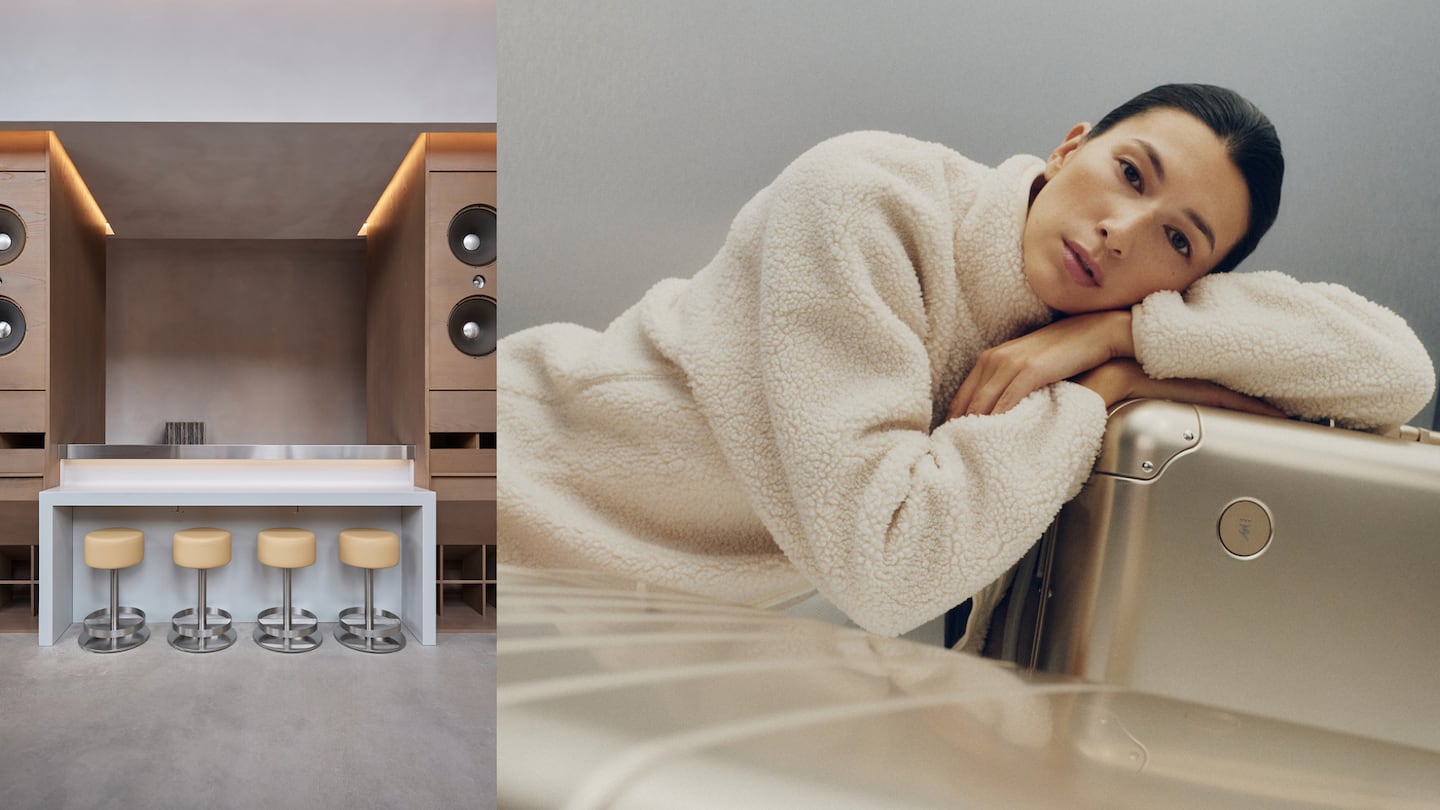

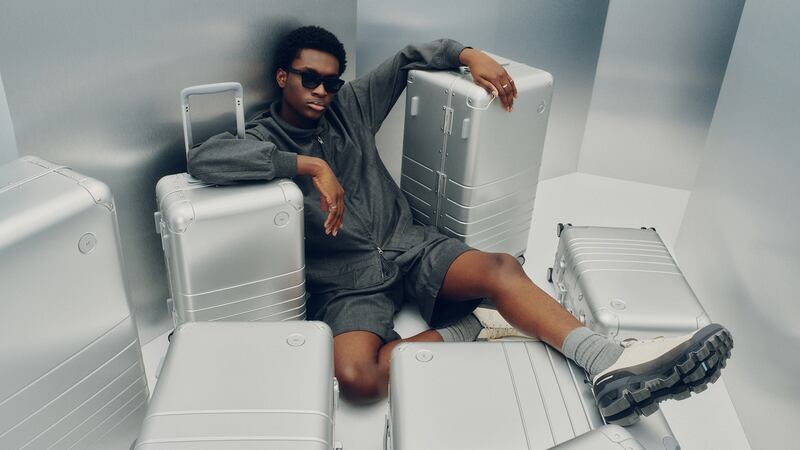
Since 2018, Canadian travel brand Monos has built a global business around minimalist hard-shell luggage, expanding its footprint to more than 50 markets and selling a suitcase roughly every 10 minutes.
Known for its direct-to-consumer model and minimalist design, the brand has traditionally sat at the intersection of travel and utility. In 2025, however, Monos began signalling a broader ambition, launching its first ever fashion collaboration with Los Angeles-based brand SimonMiller and fronting a global campaign with actor Adrien Brody.
Today, the B Corp-certified company is exploring how its ethos might extend beyond moments of departure and arrival. Rather than positioning itself solely as a travel companion, Monos is increasingly thinking about how the brand can integrate into consumers’ everyday lives — a shift that reflects a wider evolution from product-led growth to brand world-building.
The strategy aligns with shifting consumer behaviour highlighted in BoF and McKinsey & Co.’s The State of Fashion 2026 report, which notes that discretionary spending is increasingly flowing towards travel, experiences and the home, as consumers are pulling back on their fashion purchases. The report also highlights a growing demand for brands that operate across categories and touchpoints — particularly those able to create emotional resonance through culture, community and physical experiences.
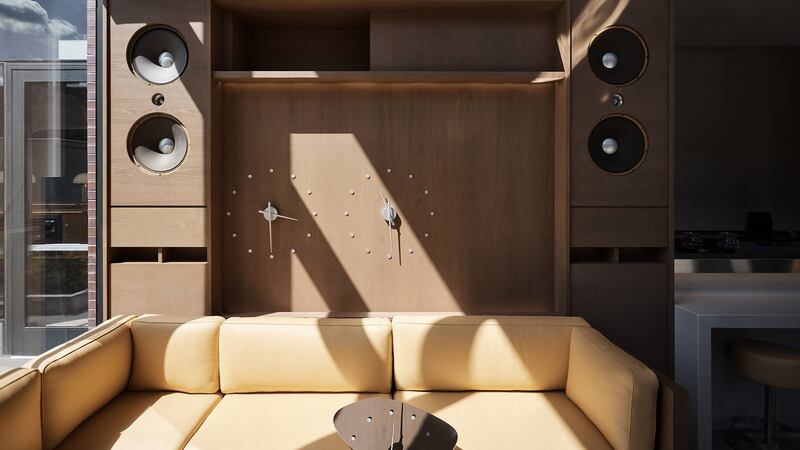
Retail has become a key pillar of Monos’ evolution. As in-store shopping returns to pre-pandemic levels, The State of Fashion 2026 underscores the importance of physical spaces that function as more than transactional environments. In Chicago, Monos’ retail location is shared with Postcard, the brand’s food and beverage concept — a lounge inspired by the liminal spirit of travel. The space is thus designed for presence, music and community, as much as commerce.
The initiative reflects a broader shift towards community-driven programming. Indeed, The State of Fashion 2026 finds that nearly nine in 10 consumers say being part of a like-minded brand community strengthens their connection to a brand more than influencer endorsements.

Now, BoF sits down with Monos’ co-founder and CEO, Victor Tam, to better understand its evolving category strategy, community-led initiatives and how it’s responding to shifting consumer expectations around lifestyle, experience and brand engagement.
When my co-founders and I first started Monos, this was always the end goal. We’ve known each other since elementary school. Some of our most memorable moments together didn’t come from the flights themselves — they came from what travel unlocked. Stumbling into a tiny bar in Japan, discovering a coffee shop next to a hotel, the hospitality, the hidden gems — that feeling of being transported.
The question was always, “Could we build a brand that facilitates those moments?” To get there, we needed a hero product. We needed to start in travel and solve what we felt was missing in luggage — elevated design, thoughtful functionality and accessible pricing, without compromising experience.
But the long-term vision was always bigger than suitcases. We’re not moving away from travel, we’re expanding what travel means.
You can only ask someone to buy a suitcase so many times. We’re a product-led brand — that’s our core. But today, consumers are overwhelmed: emails, social media, dozens of brands vying for attention. If all you do is push product, you become background noise.
The question then becomes, “How do you create touchpoints beyond the transaction?” For us, that’s where Postcard comes in. We were very intentional about not calling it “Monos Cafe”. It would have been easy, almost lazy, to attach our name and have a third party operate it. Many luxury brands do that. Instead, we wanted a space that we run ourselves — one that feels like an extension of our brand philosophy.
Postcard is the natural next step. Down the line, we’d love to create something like a five-bedroom architectural hotel — intimate, thoughtful and considered. We don’t come from hospitality, so we’re building toward that ambition step by step. My background in product and digital brand-building shaped where we started and Postcard lets us expand from there.
We’re not moving away from travel, we’re expanding what travel means.
Even our retail stores were breadcrumbs towards this vision. When you walk into one, it doesn’t feel like you’re entering a luggage store — it feels like stepping into a hotel lobby in Copenhagen or Tokyo. That sense of emotional transportation has always been the through-line.
Postcard allows us to express our vision beyond luggage; from the glassware and spoons to the menu flow and the way guests are greeted. Digital tools can make anything look good online, but executing it in the real world — that’s where the magic happens.
Most people think of travel literally — going from A to B. For us, travel is broader than that. It can be sensory or emotional — a scent that takes you back to a moment, lighting that shifts the mood of a room, or a sound that changes your mental state. Travel can be literal, sensory or emotional — but it always remains our foundation.
When we evaluate adjacencies, we ask, “Does this product allow someone to feel transported?” and “Does it align with that emotional experience?”
We won’t enter categories simply because they’re obvious extensions. They have to carry a travel through-line — even if it’s not literal. The everyday is the evolution, but travel remains the foundation.
Influencer marketing isn’t disappearing, but its impact has changed. The barriers to entry are lower than ever and that makes it hard to stand out.
Physical space, in this context, forces authenticity. Postcard is somewhere people choose to bring their friends. Somewhere they want to be seen; it creates belonging; it creates pride. That is the kind of storytelling you simply can’t replicate through paid posts.
Travel can be literal, sensory or emotional — but it always remains our foundation.
As a modern brand, you need layers. Engagement beyond product drops — community moments, cultural relevance, real-world experiences. Otherwise, you risk becoming interchangeable.
Digitally, there are no borders. Our website is consistent globally, but we do invest in localisation. We work with native speakers to ensure we’re not just translating copy through AI, but actually communicating in a way that feels culturally fluent.
Physically, our focus right now is North America. We have five Monos stores in the US, two in Canada and Postcard in Chicago.
Long-term, I’d love to build Postcard-led flagship experiences in Tokyo or Seoul. But brand-building takes patience — it’s not something you can rush.
Retail is tried and true. There’s a reason brands like Hermès have endured for over a century. They planted roots in communities and built slowly over time.
Brand-building takes patience — it’s not something you can rush.
That’s how we see physical retail — not just as a transactional space, but as a vehicle for long-term brand equity. You plant a store in a city, you show up consistently and you create community moments within that space.
Over time, it becomes part of the cultural fabric. There’s no shortcut to that.
When retail becomes purely transactional it loses emotional power. Walking into a travel store should feel exciting, like the anticipation before a trip. Yet, too often, it feels clinical.
When you design for presence instead of purchase, consumer behaviour shifts. People linger, explore and engage more deeply. That emotional shift matters more than conversion in the short term.
We’ve opened multiple stores in the US over a short period. This is the year we hope people start to see Monos as more than a luggage brand — part of a broader ecosystem that shapes culture and everyday experiences.
Cultural gravity is important. Brand love is important. But those require patience. If consumers begin to clearly distinguish us from both legacy travel brands and newer direct-to-consumer entrants — many of which still feel similar — that’s success.
Travel is one of the most aspirational categories in the world. Yet historically, walking into a travel store has felt purely transactional. We built Monos because we felt that experience wasn’t being represented properly.
Looking ahead, we want Monos to be recognised as a broader lifestyle brand rooted in travel — using products, media and retail to inspire experiences and make travel meaningful.
This is a sponsored feature paid for by Monos as part of a BoF partnership.
Loading recommended reads…
The online clothing retailer, which rebranded as Debenhams Group last year, said Friday that Iain McDonald had taken over from Tim Morris with immediate effect in a move aimed at ‘rebuilding equity value.’
This week, an altercation with animal rights activists at the Cos show in New York has put a long-shot campaign against wool in the media spotlight.
The subversive Scottish designer’s debut for the British heritage brand is London Fashion Week’s hottest ticket. He joins Tim Blanks on The BoF Podcast to discuss his plans to make Mulberry cool again.
The British retailer staged its first-ever fashion week show as it attempts to boost the visibility and appeal of its clothing offer among younger shoppers.