Agenda-setting intelligence, analysis and advice for the global fashion community.
Agenda-setting intelligence, analysis and advice for the global fashion community.

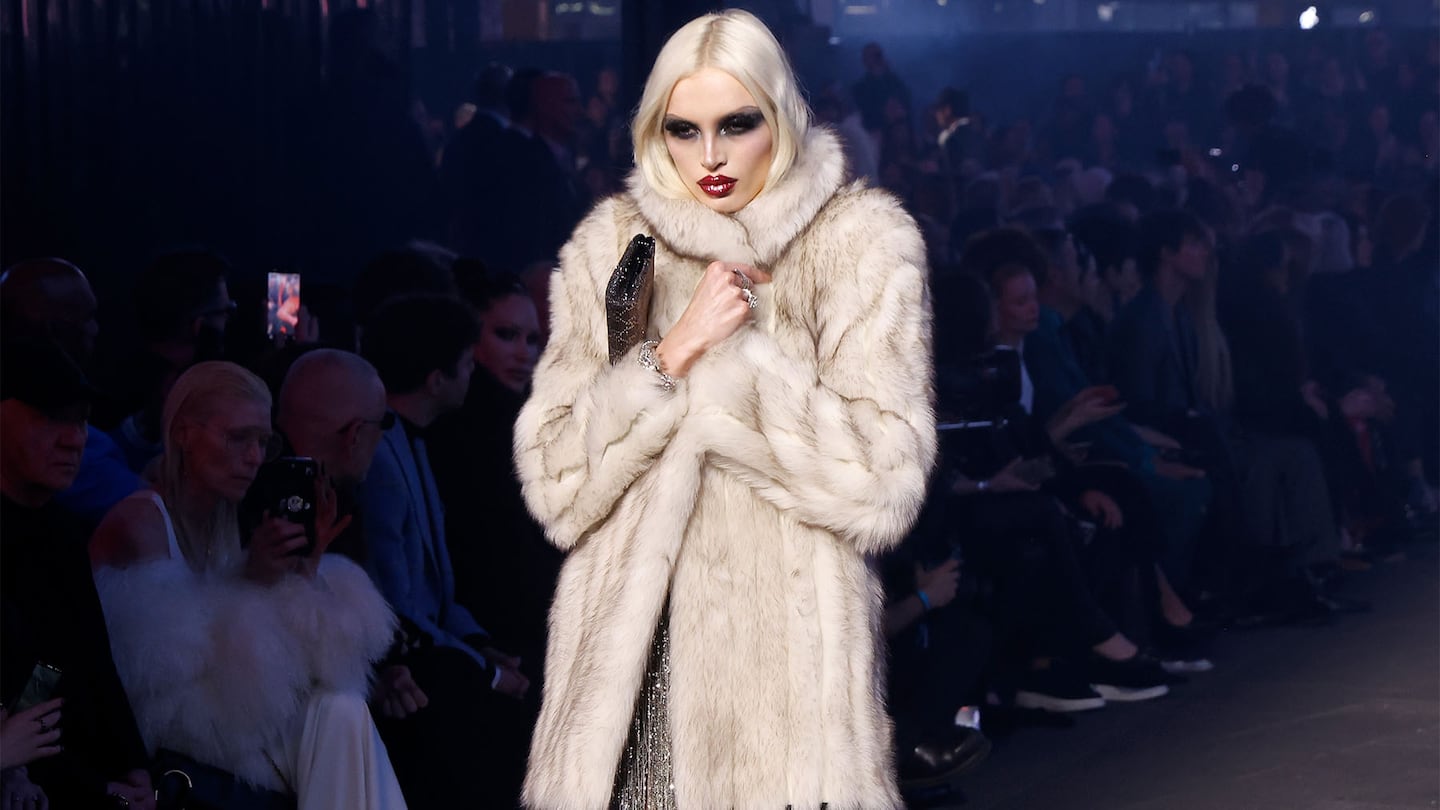
PARIS — Kering’s second-quarter sales rose 2 percent excluding currency shifts, the French group’s first quarter of positive organic growth in three years.
Growth was driven by jewellery and eyewear, with sales for those categories rising 18 and 8 percent, respectively.
Gucci’s sales improved but remained in negative territory, falling 2 percent, beating analyst forecasts for a 3 to 5 percent drop in sales at the Italian brand.
The group’s return to growth represents a milestone for Kering, which has been hard hit as a multi-year slowdown in the luxury market coincided with consumer fatigue for Gucci. Last year the group brought in a new chief executive, Luca de Meo, and recast the leadership at Gucci, installing Demna as artistic director and former Saint Laurent boss Francesca Bellettini as CEO.
ADVERTISEMENT
The overall growth and improvement at Gucci (the brand’s sales declined by 8 percent in 1Q, and 19 percent last year) reassured investors who had pulled back on luxury in recent months. Kering shares jumped 10.5 percent in Paris Wednesday morning.
Improvement in sales comes despite cutting 84 net stores from its network in the first half of the year, including 19 Gucci locations, Kering flagged.
Sales are likely to be “flattish” again in 3Q as the group moves ahead with additional store cuts, Kering executives said.
“Across the group, we are seeing early signs of progress in brand desirability, commercial momentum and operating performance. The quarter also showed sequential acceleration, including at Gucci, driven by the actions taken over recent months,” de Meo said. “These first-half results demonstrate the positive impact of the decisive measures we have taken to reinforce the distinctiveness of our brands, simplify our organisation and increase effectiveness across the group.”
Kering’s turnaround plans — outlined at an investor day in April — hinge on renewing demand for Gucci, the group’s biggest and most profitable brand.
Gucci is working to rightsize its store network, favouring fewer, bigger stores, improve product quality and reduce lengthy production lead times that have contributed to excess inventory and discounting.
Products from Demna’s first full runway collection shown in February began to arrive in stores from July and will be advertised starting later in the summer once the full assortment is in place.
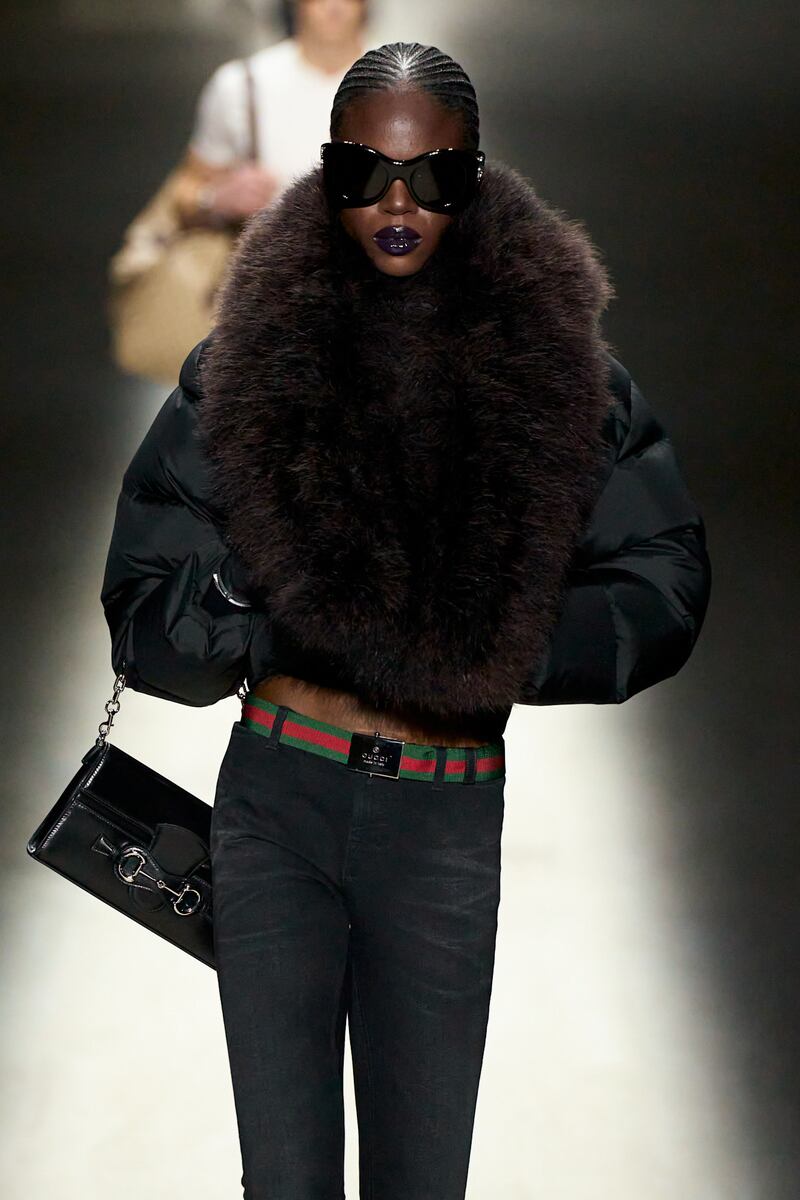
Demna leaned into a more edgy, body-conscious vision for Gucci for the high-stakes collection, driving visibility and debate at the risk of narrowing the house’s appeal. A strong reception from US clients has been a highlight for the commercial rollout of Demna’s Gucci, while rebuilding desirability in China is taking longer “but remains one of the most important works under progress,” de Meo said.
ADVERTISEMENT
At the same time, Gucci has embarked on initiatives aimed at bolstering its universal appeal: a Gucci-branded beach club in Monaco; sponsoring Alpine’s F1 team under the banner of Gucci Racing.
“There is a lot of work going on at Gucci at all levels from retail to product to the industrial system. What makes me confident is that Gucci is an incredibly popular brand. All eyes are on Gucci. The newness is working, leather goods sales are positive,” de Meo said.
Gucci Racing will generate concrete commercial opportunities that “more than pay for the sponsorship,” added the former car executive, as well as creating an “umbrella brand” for more sports initiatives to come.
This was the second quarter since Kering stopped reporting brand-by-brand sales, grouping brands by product category in a format similar to LVMH — though it continues to break out Gucci.
The move has helped to highlight strong momentum in its jewellery and eyewear brands, as well as shielding its smaller fashion properties from financial scrutiny.
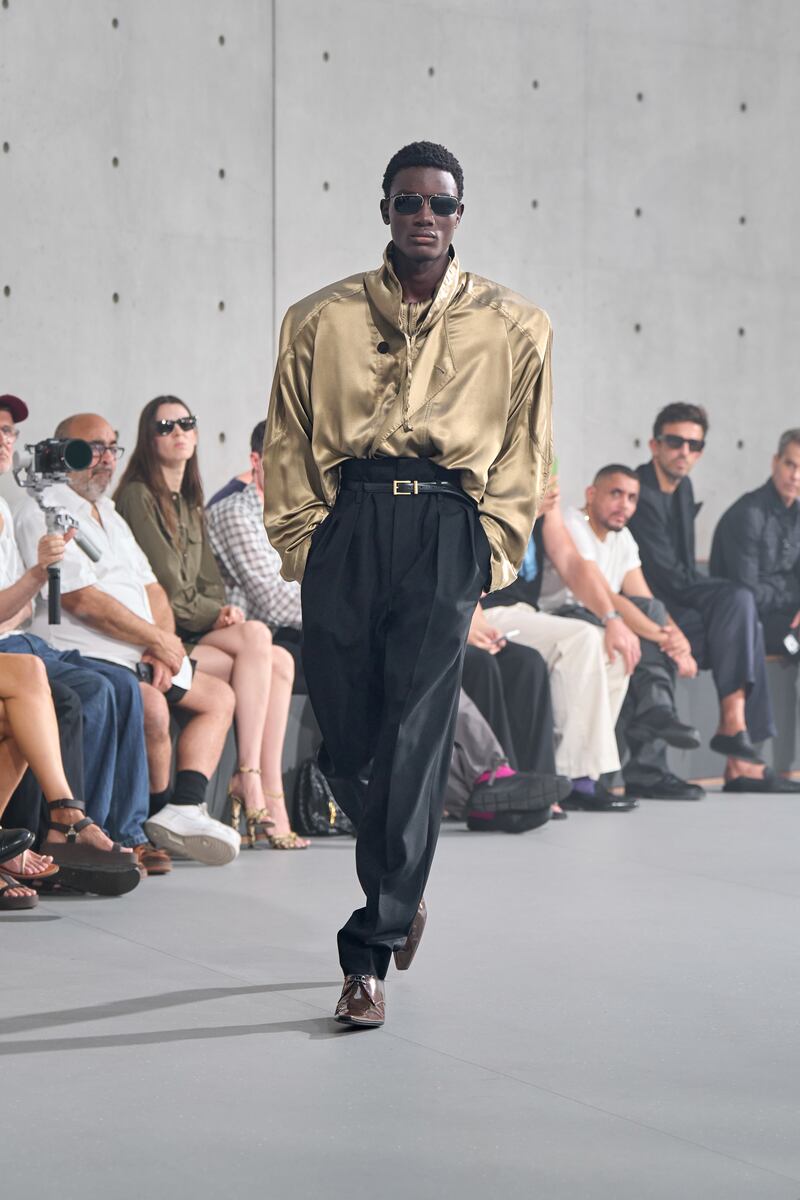
Still, de Meo called out Saint Laurent and Bottega Veneta’s strong performance for offsetting the decline at Gucci. Balenciaga’s bag business is performing well, but ready-to-wear sales remain “in transition” as the brand changes over to a “more elevated, feminine” silhouette by artistic director Pierpaolo Piccioli, he said.
Fashion sales were flat on a comparable basis but fell 1 percent in reported terms.
Editors' Note: This article has been amended on 28th July 2026 at 5:05 B.S.T. A previous version of this article said Kering's shares had fallen 55% year-to-date. That is incorrect. They have fallen 17% year-to-date.
Loading recommended reads…
The French beauty giant's mass division grew faster than anticipated, largely driven by professional styling products.
As shoppers swap “sustainable” for “healthy,” BoF senior editorial associate Shayeza Walid joins senior correspondent Sheena Butler-Young to unpack why fabric content has become fashion’s newest flashpoint — and why Gap just found out the hard way.
The new national initiative, Fashion Britain, aims to increase growth, innovation and participation in the industry across key cities.
Brands are embedding ChatGPT-like tools directly into their e-commerce sites, with AI platform Daydream spurring adoption as it opens up its technology to third parties.