Agenda-setting intelligence, analysis and advice for the global fashion community.
Agenda-setting intelligence, analysis and advice for the global fashion community.

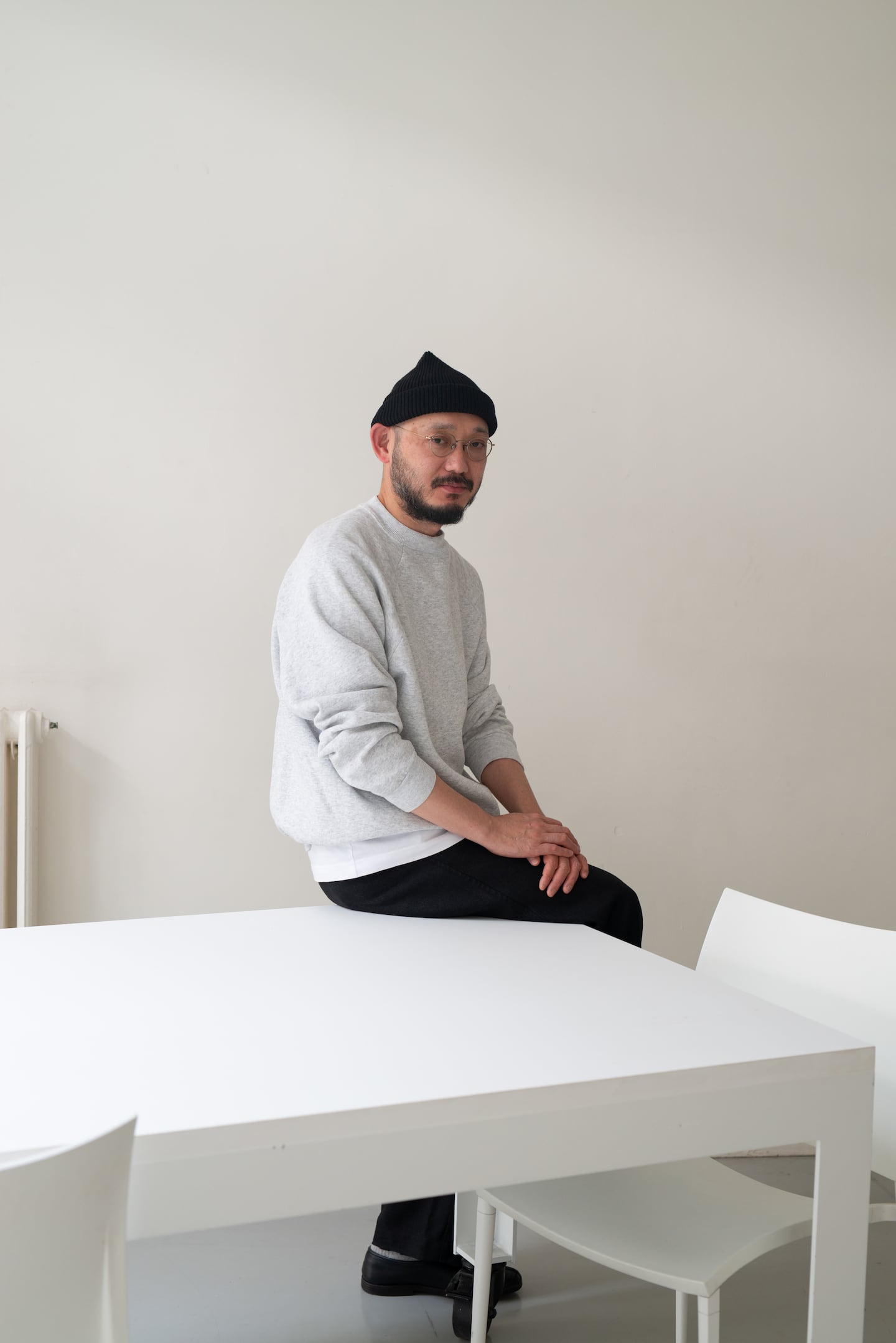
PARIS — “Issey Miyake has always been a company where design comes first — not marketing, nor following fashion trends. This has been Issey-san’s will since the very beginning, and is a pillar of the company,” says Satoshi Kondo, the man piloting a second coming at one of Japan’s most storied fashion labels, decades after its high-water mark in the 1980s and 1990s.
He’s soft-spoken, calm and considered, and looks a little like a monk — buzzcut, round wire-frame glasses, white shirt, black slacks — as he sits in the brand’s Place des Vosges office explaining through a translator the philosophy that makes Issey Miyake a rarity in the fashion market. “The world runs fast and today things are consumed and spit out in real time,” the designer says, “but for us as a company it is important to make things at our own pace.”
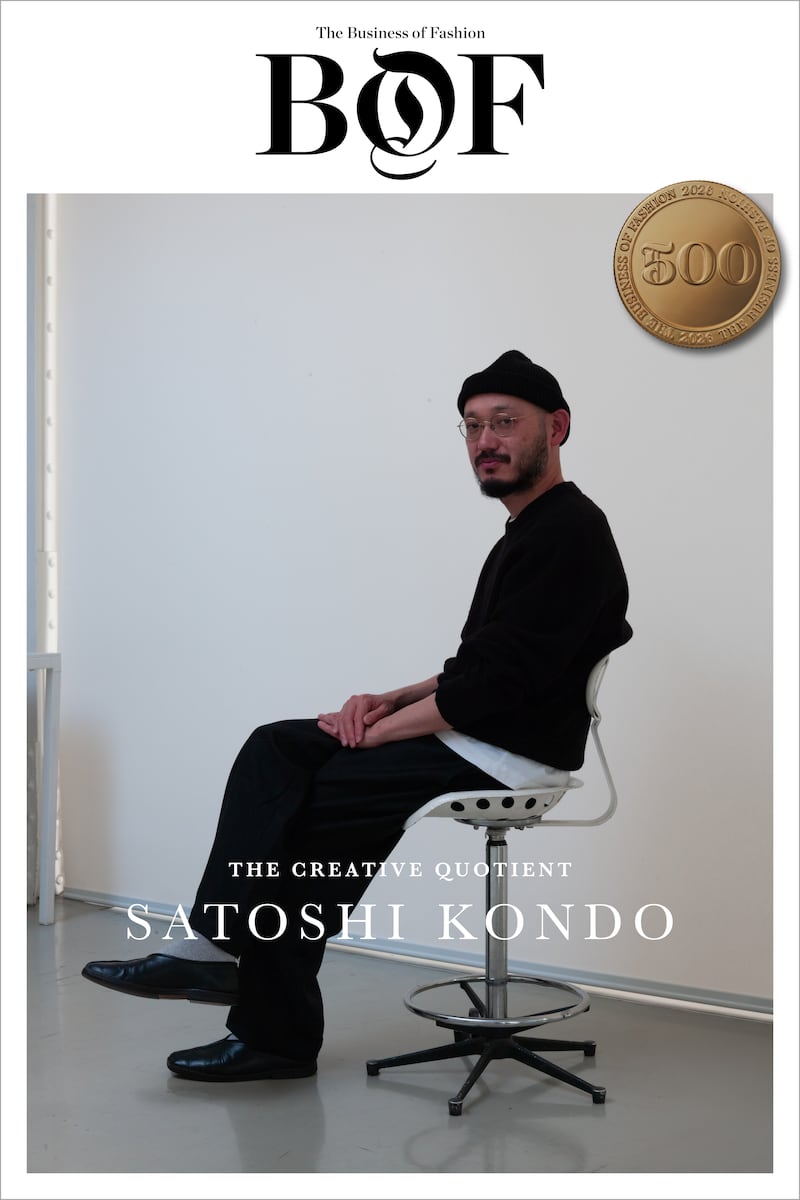
Kondo, 42, was hand picked to become head designer of Issey Miyake’s main women’s collection by the brand’s late founder in 2019, three years before his death. Kondo is also the driving force behind Homme Plissé and Pleats Please. And if the brand’s mainline has captured the imagination of critics with breathtaking runway shows that balance innovation with faithfulness to Mr. Miyake’s core ethos and aesthetic, its more accessible pleated lines are the primary engine of its commercial revival.
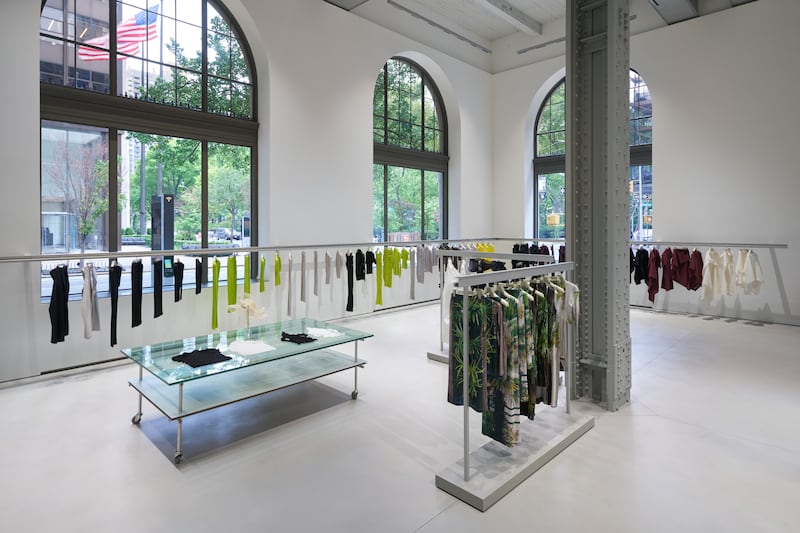
Interest in Issey Miyake has grown in recent years, with demand up for vintage pieces, as well as its current offer. The brand has moved its Paris flagship from a hidden courtyard on Rue Royale to a storefront on the tony Rue François 1er and opened a 13,000-square-foot space, designed by architects SO-IL, in the New York Life Building on Madison Avenue and 26th Street.
ADVERTISEMENT
Catchy collaborations with Apple, New Balance and Camper have helped fuel visibility, as has American rapper Ken Carson, whose line mentioning the brand — “I’m rockin’ Miyake Issey / I mean, it’s Issey Miyake, you know what I meant” — has become a meme, appearing in millions of TikTok posts since it first appeared in the song “Veteran” in 2022.
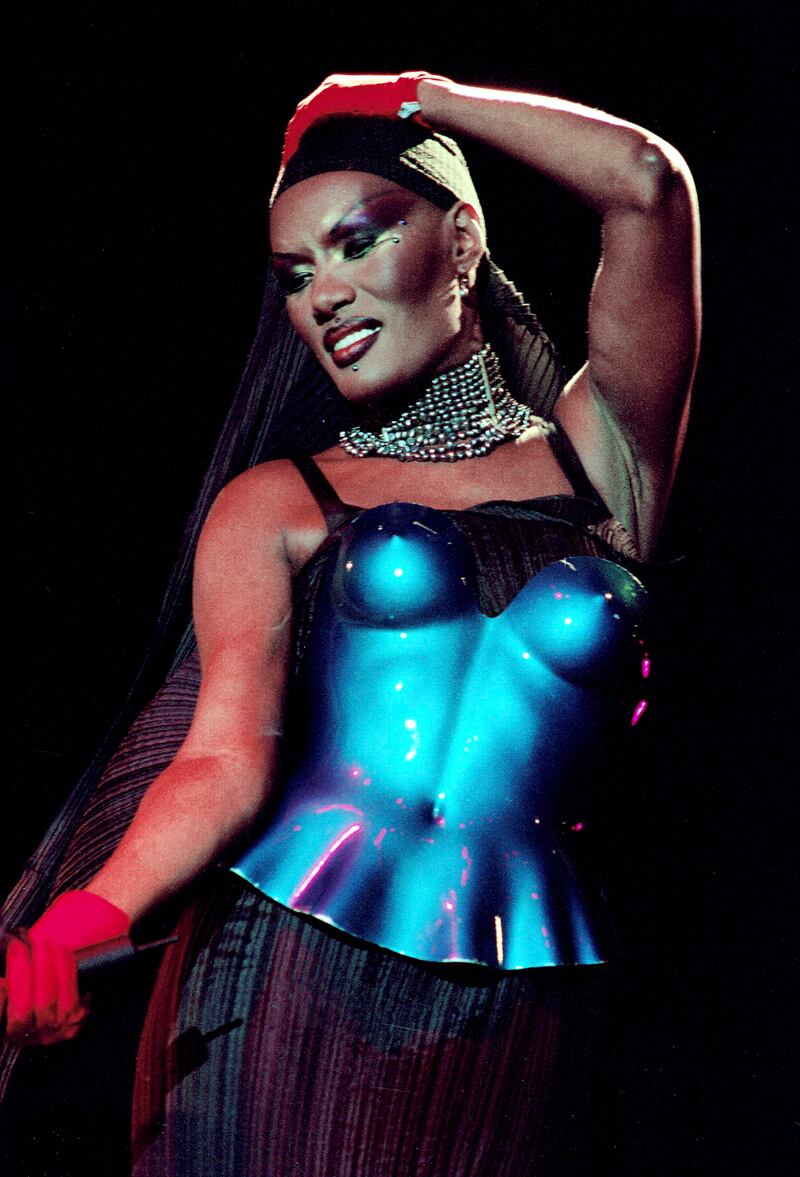
Issey Miyake has long straddled high art and popular culture. In 1982, a key year for the brand, Grace Jones wore its “Plastic Body” fibreglass bodices in a series of iconic promotional images and performances, while a rattan bodice and nylon polyester skirt from its Spring collection landed on the cover of “Artforum.” Those were the glory days when Issey Miyake’s influence was strongest: a stretch of time that carried into the 1990s with the launch of Pleats Please and Apoc.
As part of the first wave of Japanese designers in Paris, alongside Kenzo Takada and almost a decade before Rei Kawakubo and Yohji Yamamoto, Mr. Miyake left a powerful imprint on fashion with clothes that were both futuristic and ancestral, and yet always easy to wear.
But as Issey-san began to step back from the commercial label, ensconced in the Miyake Design Studio, the fortress of research that underpins the brand, Issey Miyake lost momentum. Its designs lacked radicalism, becoming too reverential of Mr. Miyake’s work, making for collections packed with classics that were sought after by a cadre of loyal clients but struggled to generate buzz and attract new customers.
Seeing that the label needed change, Mr. Miyake gave Kondo — who had joined the company in 2007 from the Ueda College of Fashion, and was working on Pleats Please and Homme Plissé — the top design job. “Issey-san saw something in me, and let me explore things my way. Somehow, it seemed, I always had the ability to surprise him, and that was good in his eyes. But being so close meant every mistake would get the strictest reprimand,” Kondo recalls.
The connective tissue between the men, despite belonging to different generations, was a common set of values, starting with a tireless will to experiment and test new ground, never standing still. “Issey Miyake to me is a philosophy rooted in the act of making; it is also a way of making things,” explains Kondo. A deep respect for craft as a catalyst, not an inhibitor, of futurism was another shared principle.
But Kondo also differs from the master into whose shoes he stepped. Like many Japanese of his generation, Kondo has a “kawaii” side. He sends lovely thank you notes with little drawings. Issey wouldn’t. Kondo’s costumes for the dance piece “Derniers Feux” by French choreographer Némo Flouret included remarkably childlike leg pieces shaped like miniature jumpers complete with little sleeves. Mr. Miyake, by contrast, used his formal experiments with dancer and choreographer William Forsythe as the starting point for Pleats Please, favouring stark, geometric shapes.
Issey Miyake’s renaissance did not happen overnight.
ADVERTISEMENT
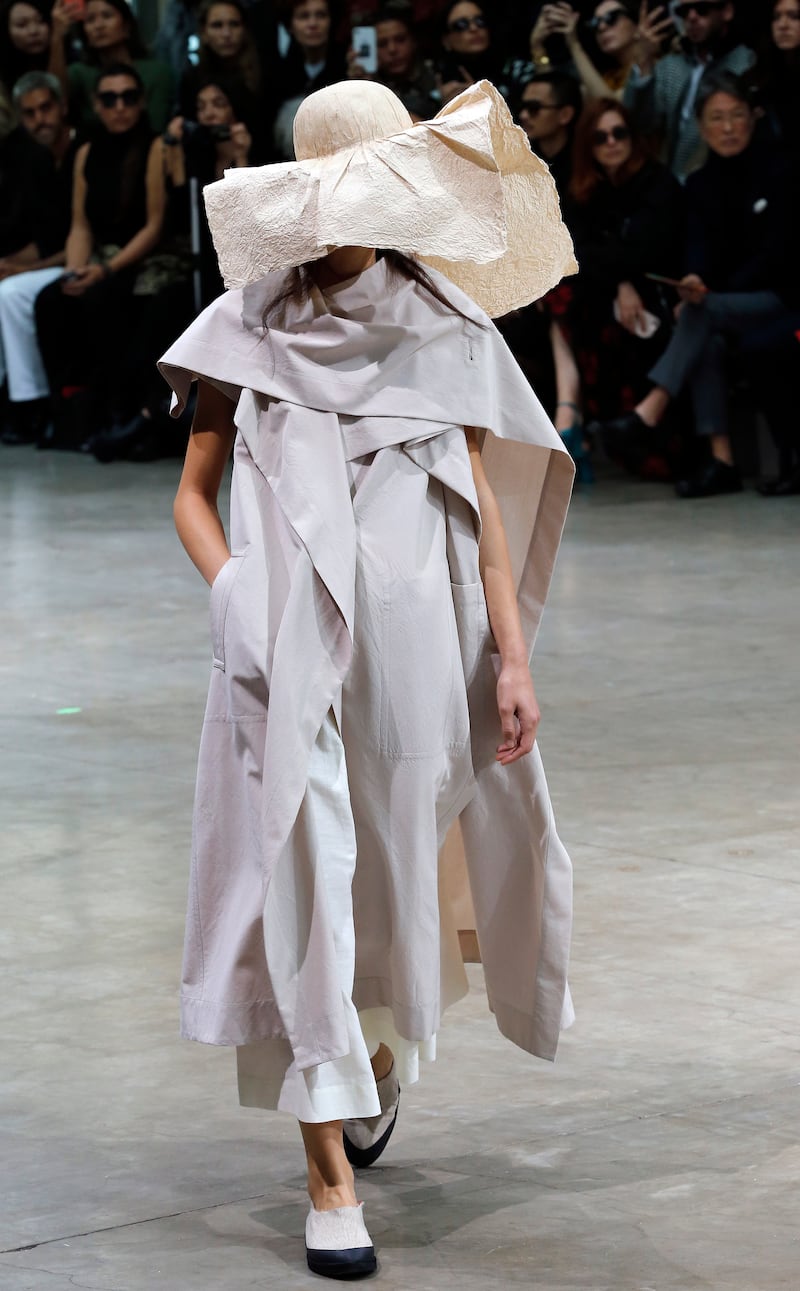
Its unique brand architecture was a key asset. Issey-san’s spirit of relentless innovation had fuelled several avenues of research — most of them rooted in cutting a garment from a single piece of cloth or finding new ways of pleating and folding fabric — resulting in a range of labels. These weren’t secondary lines: each one offered an equally authentic but specific expression of the underlying Miyake ethos, which allowed the company to place a range of bets on different customer segments and price points without diluting its brand.
Of these lines, Homme Plissé, launched in 2013 as a men’s counterpart to Pleats Please, has been the tractor of the Miyake comeback: its mix of futuristic formality, pragmatism and accessible pricing has fuelled sales and offered new generations a gateway to the Miyake world. It’s also where Kondo first made his mark, overseeing both design and visual identity.
“Homme Plissé is what we call a product brand: as such, it is not focused on fashion and trends, but on industrial design,” explains Kondo. After a few seasons on the Paris men’s schedule, the label has shifted to a freeform “Open Studio” strategy consisting of one off-calendar show per year — its latest was held at London’s Tate Modern museum in September — bolstered by look books focused on clean character studies spanning different ages, ethnicities and body shapes, styled in ways that highlight the versatility and modularity of the collection, which has helped the label to build appeal with a diverse, transgenerational community.
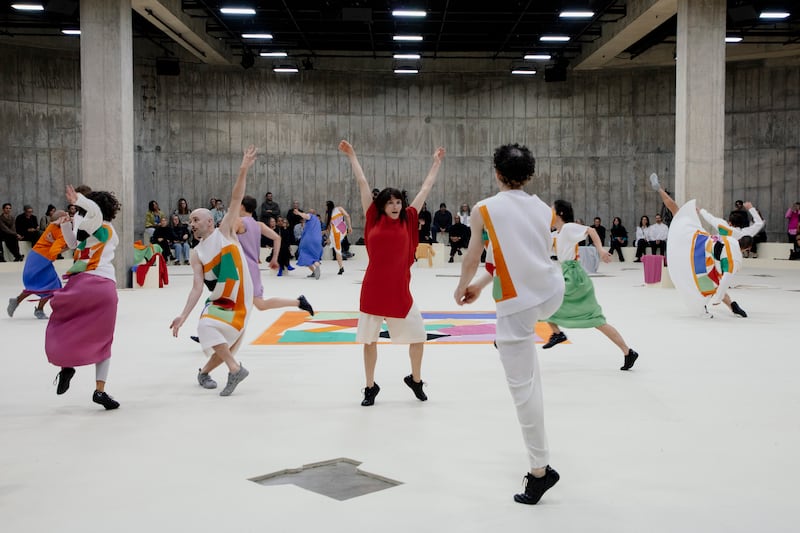
“The demand for Miyake is high at the moment,” says Nathalie Doudous, owner of Solis, a boutique in Lyon that has been selling Issey Miyake for 25 years. “What I am witnessing in the store, however, is something unprecedented: men steering towards Pleats Please, and women towards Homme Plissé — and they’re all young and cool.” Doudous, who ran European sales for Issey Miyake for seven years in the 90s, is an advocate for Kondo. “He has the same energy as Issey, and that’s what attracts me. He has reenergised the brand without disrupting it.”
Kondo’s imaginative work on Issey Miyake’s women’s mainline has also been vital to the brand’s recent success: the sense of invention, the purity of the shapes, the thoughtful layering. But it’s the compelling mix of reverence and irreverence in his approach to the Miyake vocabulary that really sets Kondo’s work apart. Rather than being restricted by an obtuse observance of stylistic codes, by a repetition of lines, Kondo roams widely. “Issey-san told me this: ‘Designing my way to please me is easy; you don’t do that,’” Kondo recounts.
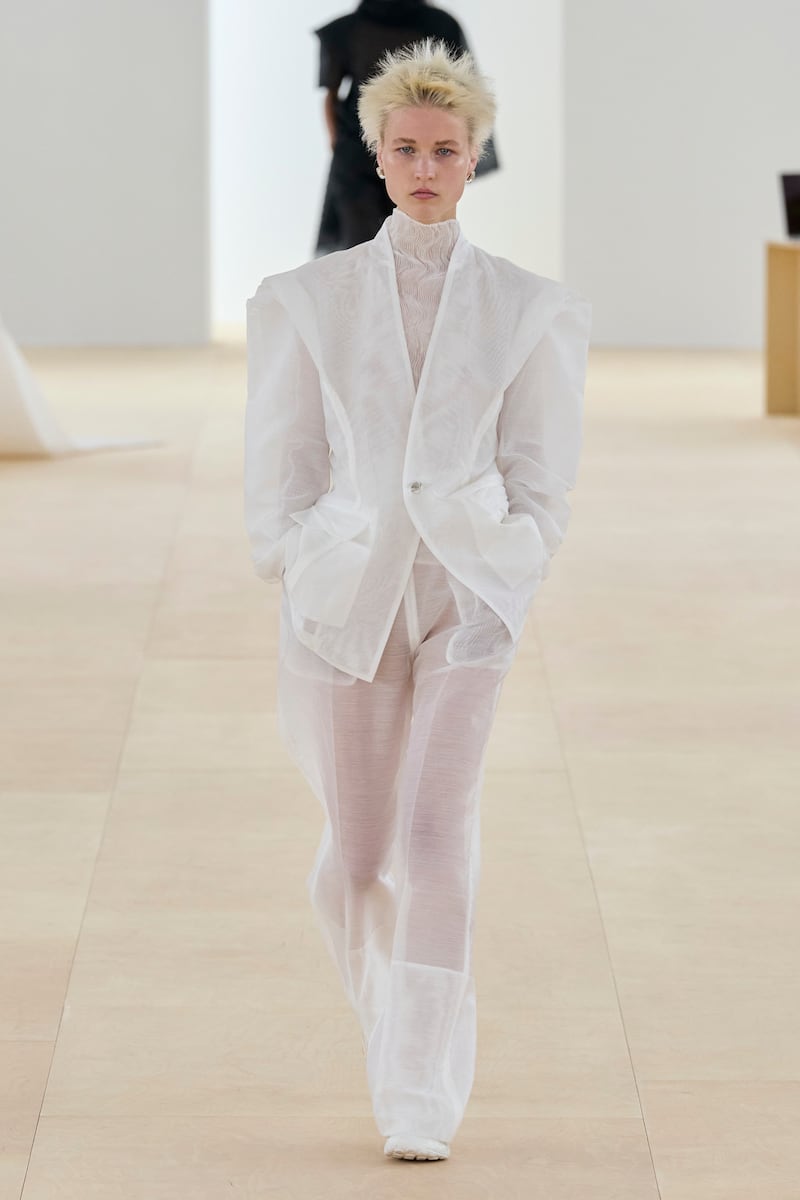
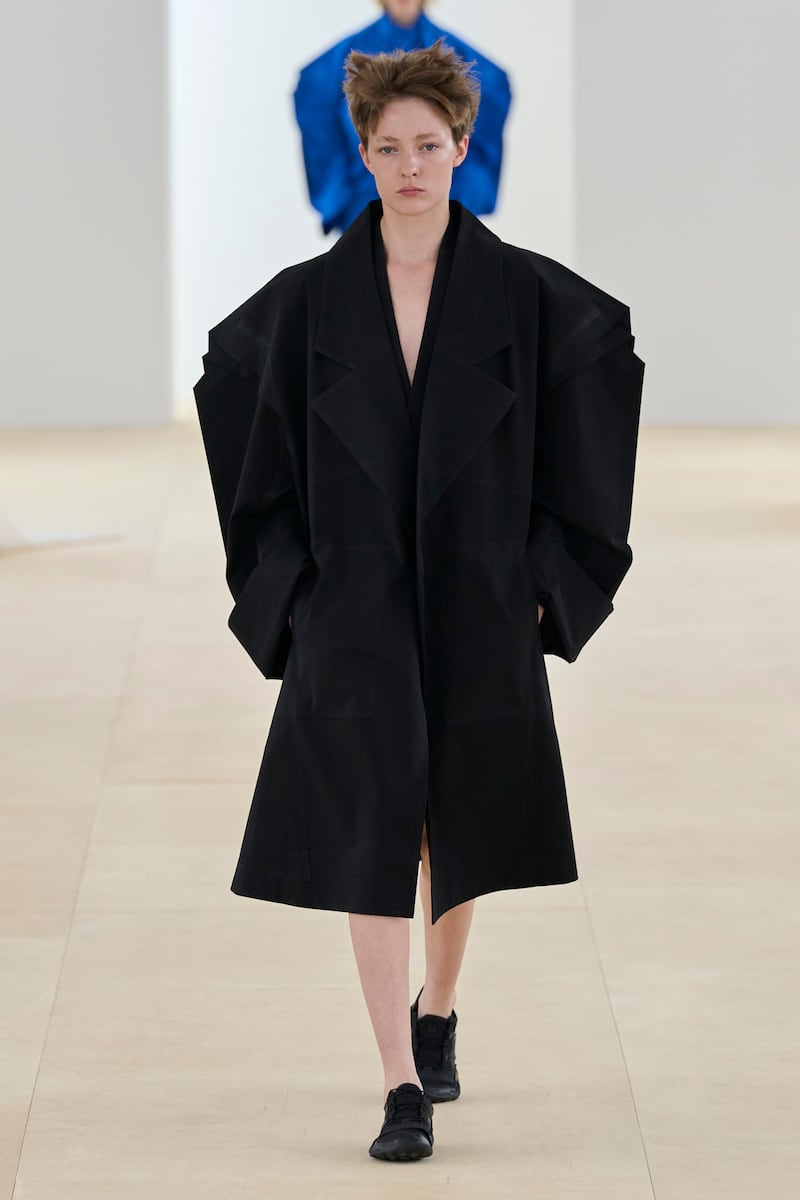
Kondo’s urge for innovation is so urgent he’s willing to take risks and fail. For instance, he has pushed the dialogue with the arts a lot: taking direct inspiration from Erwin Wurm, or imagining clothes possessed with agency. Not all of these experiments have worked, but Kondo remains undaunted. “For every mistake made, I used to get a phone call from Issey telling me what had gone wrong. Now, I am on my own, which makes my responsibility certainly bigger,” he says. “Everything I learned from him has been not just by words, but by osmosis: you know, just being there and being in a context and being in his environment and learning through that. So I would say it’s part of my practice and part of my approach.”
Time, and the universe, have been on Kondo’s side. If, as they say, one has to kill one’s father to fully become an adult, then Issey-san’s death in 2022, as sad as it was, was also perfectly timed. Since then, Kondo has soared, his stylistic gestures have become more assured, his sampling from the archive more inventive. Even when he approaches known tropes — the fibreglass bustiers from Autumn/Winter 2026, for instance — there is no overzealousness with the archive; rather, a rereading of the past for the present context.
“I belong to the Miyake Design Studio, which Issey originally founded in 1970, one year before the actual company — and that is an important specification,” Kondo says. “The core of Issey Miyake is not in the repertory of forms he left behind, as rich as it is, but his unique methodology and constant drive to be innovative and do things that have not been done.”
ADVERTISEMENT
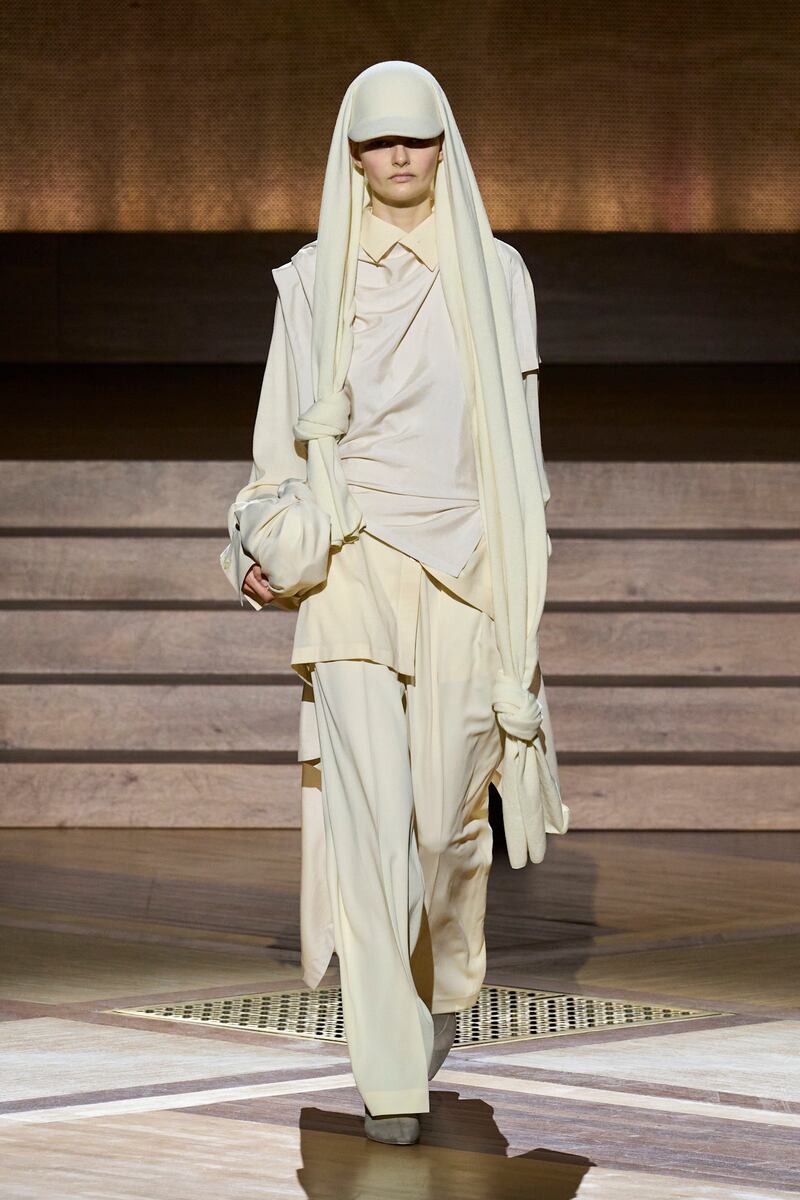
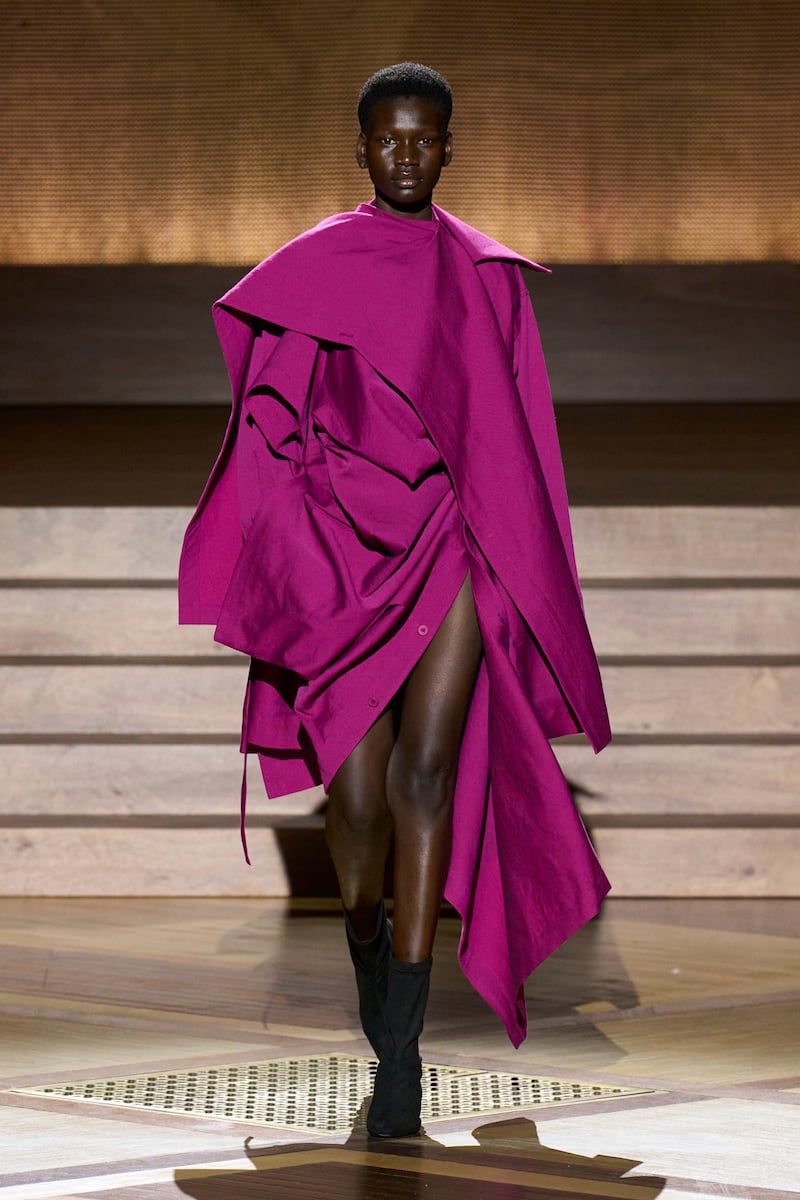
Issey Miyake occupies a peculiar space in the fashion system into which Kondo has settled naturally. The humanism at the brand’s core, the focus on the person wearing the garment and the design of the garment itself, position Miyake beyond trends and, in some ways, beyond time itself, equally informed by the distant past and the distant future.
“When I look at Issey-san’s archive, at his work in the past, there’s always something about it that I find beautiful — and this kind of beauty has no time code stamped on it,” Kondo says. “It’s not bound to a certain era or trend. You always find something new in his work.”
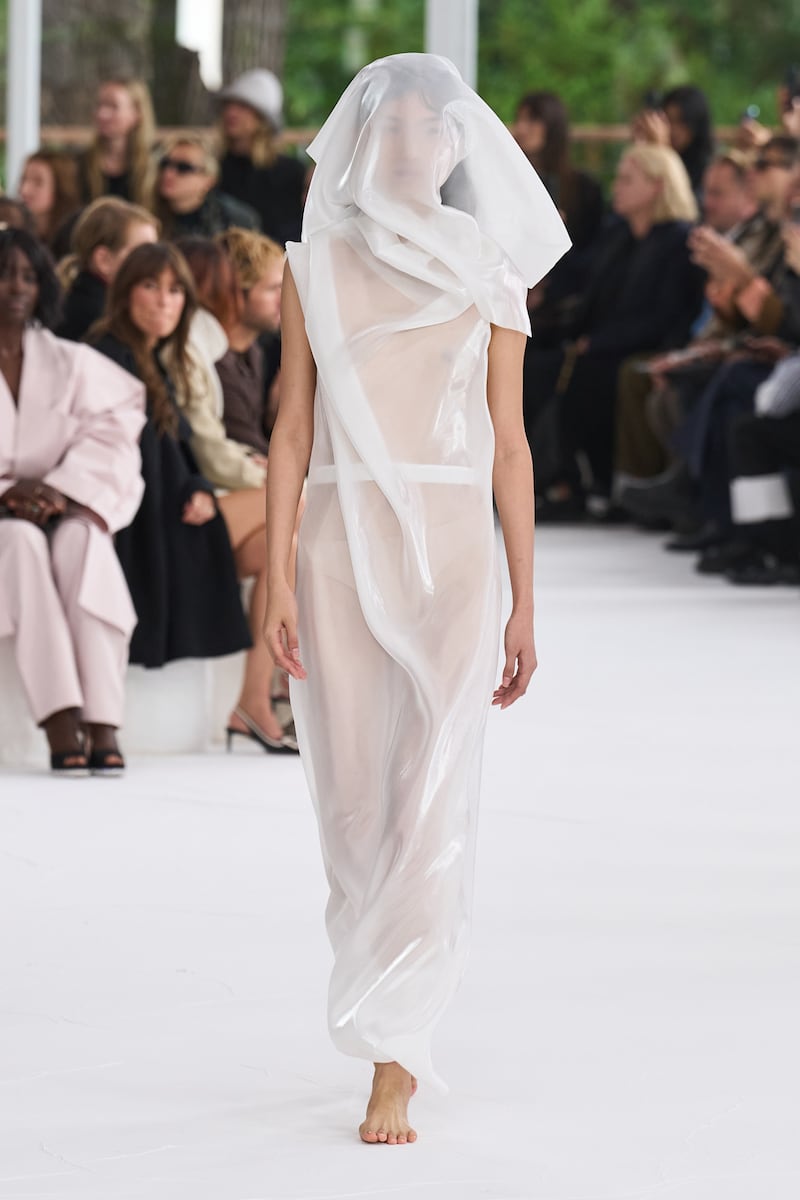
Kondo uses the Japanese notion of ma — the negative space, pause in time or interval between things — to describe it. “Issey Miyake cultivates its own ma,” he says. “As a designer, I do feel that in the current context, and not just in our industry, all the information seems to come to you instantly, to go away just as quickly. The message that comes from the Issey Miyake company is carefully thought through. It’s about taking your time.”
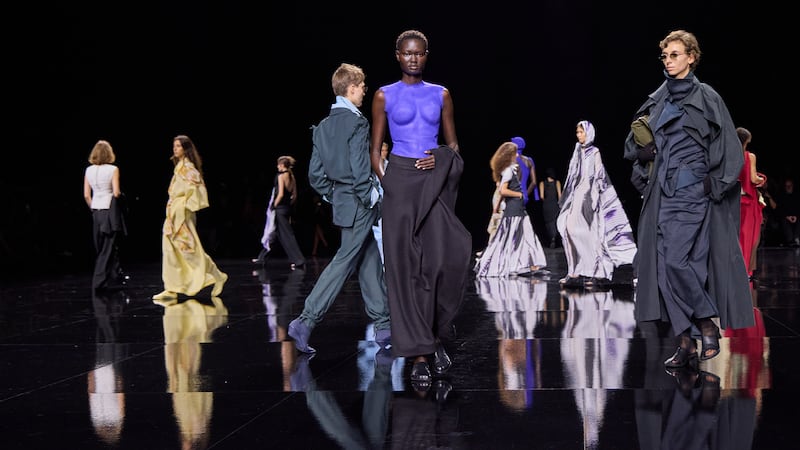
The will to engage with the moment while being detached from it is probably the deepest connection between Kondo and Issey, and the reason why Kondo has put Miyake back in the fashion conversation. “As a designer, I should not make any compromises,” Kondo concludes. “Because that’s what I believe and that’s what I saw in Issey Miyake. He kept working until the last moments of his life, without compromises and fully committed to his work.”
Satoshi Kondo and Sarah Burton show us why they’re BoF 500 cover stars.
His clothes were a multifaceted celebration of life: movement, energy, experience and an infectious joy that was rare in fashion, writes Tim Blanks.
Loading recommended reads…
The event was due to begin Oct. 15, but no official schedule has been published.
A decline in fashion and leather goods sales underscores the industry’s struggle to reignite shopper enthusiasm.
The makeup artist has not been involved with Isamaya Beauty for over a year, sources told The Business of Beauty.
Join us for our next BoF Professional Masterclass on Wednesday, October 21, at 16:00 BST / 11:00 EDT as BoF’s Priya Rao and Liz Flora unpack how to successfully launch a new beauty segment with fast growth as well as longevity.