Agenda-setting intelligence, analysis and advice for the global fashion community.
Agenda-setting intelligence, analysis and advice for the global fashion community.

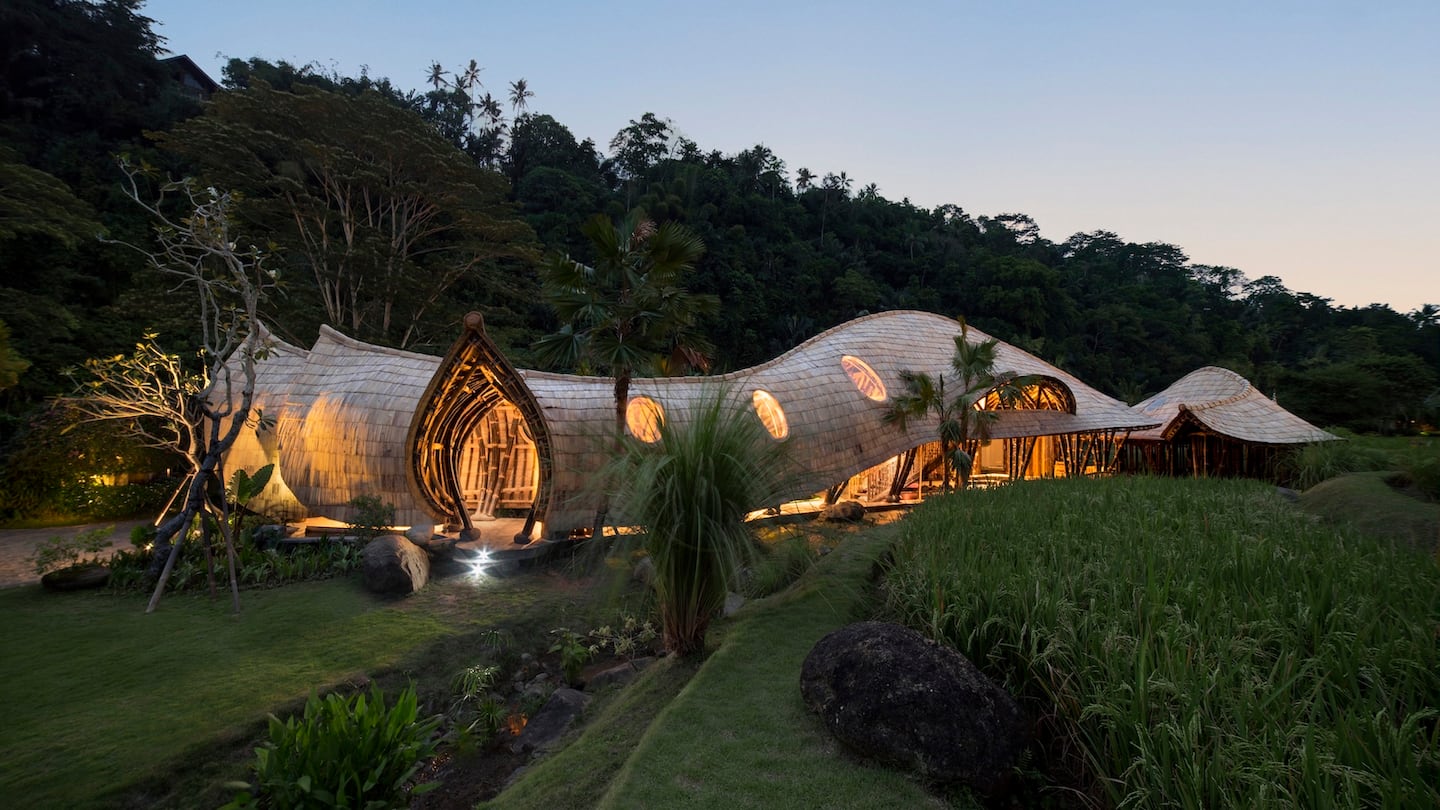

Founded in 1983, The Ritz-Carlton operates as one of the most established players in today’s luxury hospitality sector. Its emphasis on personalised, destination-led experiences aligns with the evolving expectations among affluent travellers.
Indeed, over the last decade — accelerating after 2020 — luxury hospitality players have been dialling up their experiential offerings, as travellers increasingly shift expenditure from products towards creating memories. The Business of Fashion and McKinsey & Company’s The State of Fashion: Luxury 2025 report found that ultra-high-net-worth individuals (UHNWIs) — those with a net-worth of more than $30 million — are more eager to spend on travel and hospitality (~64 percent) than on fashion and personal goods.
International tourist arrivals surpassed pre-pandemic levels in 2025, according to UN Tourism, and these consumers seek more than an ornately decorated hotel or space to pass their stay. Rather, they are prioritising properties that promote a holistic and narrative-driven luxury experience. Brands that deliver a seamless journey across service, design, and cultural engagement are capturing the attention of discerning luxury travellers.
“Great traditional hospitality, at its best, creates a sense of certainty — the feeling that every interaction will be smooth, every preference understood, and any issue handled without friction,” says Matt Ripple, creative director at travel brand First Class Jerk. “And luxury guests aren’t looking to feel like guests at all — they want to feel like insiders, that they belong in the space and are already known the moment they arrive.”
For The Ritz-Carlton, which operates under the world’s largest hotel conglomerate Marriott International, this shift in consumer behaviour benefits their core strategy, as reflected in the brand’s broadened vision of luxury that extends well beyond its hotel roots — and which has evolved significantly over the last two decades.

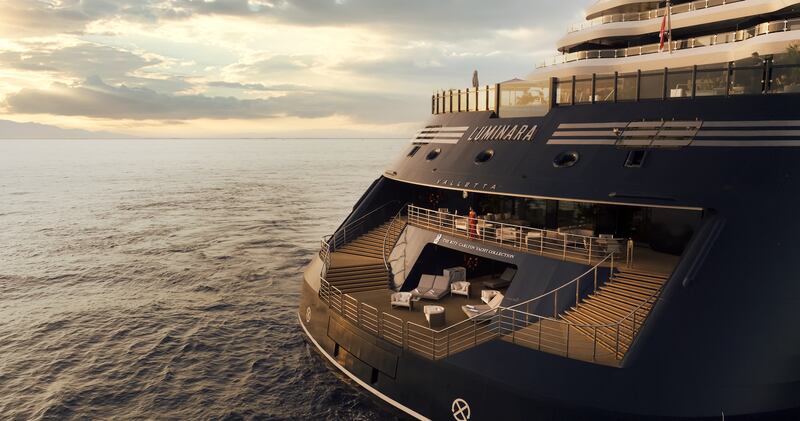
Today, the brand operates as a multi-layered hospitality ecosystem, with a global portfolio spanning hotels, resorts, the ultra-exclusive Ritz-Carlton Reserves and The Ritz-Carlton Yacht Collection (now with three ships) — which introduced the brand’s high-touch service to the world of yachting. Intimate, luxury-forward concepts like lodges and branded residences further extend the brand’s touchpoints.
Underpinning these properties is a personalised approach that combines curated journeys, anticipatory service and destination-led experiences.
“Post-Covid, there has been this move from things to experiences which has really accelerated the trajectory of need for emotional engagement and memories,” Tina Edmundson, president of luxury at Marriott International, tells BoF. “Many of our brand extensions fit nicely into that format where a guest wants to have all different kinds of experiences, whether that’s a hotel in an urban setting, a resort, a yacht or lodge.”
With 79 percent of US-based luxury travellers planning to increase travel spend in 2026, according to a 500-person survey in Flywire’s How to Win Over the Luxury Traveler in 2025 report — and with this spending reportedly shifting from “extravagance” towards “authenticity, exclusivity, and immersion” — The Ritz-Carlton’s array of experience-first stays is well positioned to meet these evolving demands.
“Being able to provide those experiences that are rooted in connection and discovery and a sense of belonging has been important,” adds Edmundson. “Gone are the days where the only thing that guests wanted to do was sit on the beach and relax. They want to come home with these specific memories.”
For luxury hospitality players like The Ritz-Carlton, intimacy is increasingly engineered through smaller-scale, tailored concepts that prioritise emotional resonance over spectacle. UHNWIs are gravitating towards remote, private destinations, with 68 percent of luxury travel advisers reporting that clients are spending more to secure private, bespoke experiences, according to Deloitte.
“Whether it’s a Reserve property or our tented lodges — which are only 20 rooms — there is this desire for intimacy and privacy,” Edmundson shares.
Ritz-Carlton Reserves, which typically operate at a deliberately intimate scale of around 40 to 100 rooms, are designed to meet this demand for privacy and distinction. Described by The Ritz-Carlton as “secluded and spectacular,” these properties are anchored in one-of-a-kind, experiences — from guided journeys through the forested valleys of the UNESCO World Heritage site surrounding Rissai Valley in China, to immersive encounters with the marine life of the Papagayo Peninsula at Nekajui Ritz-Carlton Reserve.

In the case of the The Ritz-Carlton Yacht Collection, the ambition becomes delivering the same sense of intimacy and personalisation outside the defined structure of a land-based hotel. Evrima, the brand’s first yacht, features just 149 suites — significantly fewer than traditional cruise ships — allowing for a more controlled, residential atmosphere that mirrors the privacy of its smaller hotel concepts.
“When it’s a hotel format you’re very clear about what it is because you’re limited by the envelope, if you will,” Edmundson tells BoF. “And when you’re outside of that, you can certainly have a much more holistic view of the experience that you’re trying to create because you will use what already exists: the landscape and the cues [that offers].”
With fewer guests on board, the yachts maintain a high staff-to-guest ratio and offer only suite accommodation, each with its own private terrace. The maritime setting also shifts the emphasis toward the destinations themselves, allowing each journey to be shaped by its coastline and cultural context rather than the vessel alone.
Mass-prestige destinations, a result of “greater homogenisation in people’s dream destinations”, are pushing UHNWIs to more rarefied, unique experiences and locations, according to the Julius Baer Lifestyle Report 2025. “[Our clientele] wants to be in immersive environments, and we want to be able to provide those, whether it is an attachment to nature or a deep immersion in a particular culture,” says Edmundson.
For The Ritz-Carlton, cultural immersion is a core design principle, expressed through architecture, location and experience curation. Properties are increasingly conceived as extensions of their surroundings — what Edmundson calls “indoor-outdoor transitions” — embedding local materials, craft traditions and narratives into the guest experience to create a stronger sense of place.
At Nujuma, a Ritz-Carlton Reserve in Saudi Arabia for instance, the property is decorated with local and traditional ceramics and woven textiles which sit “in concert with the hotels in the Red Sea,” says Edmundson. The aim is to “bring [the location] to life through the design, so that it feels authentic and respectful [and that] the entire environment contributes to this sense of place that feels intentional and immersive,” she adds.
When building the location strategy, the brand considers the visitor profile: “What are the source markets? Who’s the traveller coming to that area? What is it they are looking for?” Edmundson says. For Reserve visitors, it’s about achieving a level of disconnection — a desire which is reflected in the offering. For instance, at Mandapa, a Ritz-Carlton Reserve in Ubud, Bali, experiences on offer include rice paddy rituals, temple visits with local priests and traditional Balinese purification ceremonies.
“Each location plays a distinct role within the portfolio, but for the Reserves, the focus is always on a deep connection to culture and nature — ensuring the setting not only defines the experience, but consistently meets and exceeds guest expectations,” says Edmundson.
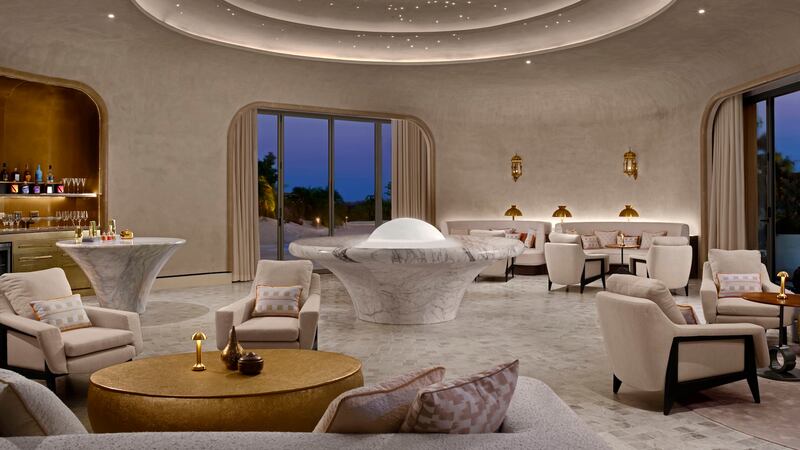
The emotional resonance of a Ritz-Carlton stay is cultivated through a rigorous service culture.
“We think about the guest journey from arrival to departure. We think about: what are those moments of anticipation? How will we help the guests on their discovery journey? And we allow that to be the guide. At the end of day, Ritz-Carlton is about legendary service,” says Edmundson.
Rooted in its “Gold Standards”, the brand trains employees to deliver highly personalised service, including “a warm welcome,” anticipating guest needs, and offering a “fond farewell”, embedding emotional connection at every stage of the journey, says Edmundson.
“The Gold Standards are about empowerment. It is about ownership and really genuine care for the guest,” she adds. Staff are trusted to resolve issues and operate within a model of “lateral service” where responsibility is collective and “the guest is at the centre of everything that we do.” The result is a form of service that feels “authentic, effortless, and really, really personal,” regardless of format — whether in a hotel, residence or yacht.
Whether it’s a Reserve property or our tented lodges — which are only 20 rooms —there is this desire for intimacy and privacy.
For Edmundson, this culture is the defining thread across the brand’s ecosystem, designed not just to deliver excellence, but to ensure guests “feel cared for [and] understood,” to ultimately create the lasting memories that define the brand.
New hires undergo extensive onboarding and training, with ongoing daily “line-ups” reinforcing service values and behaviours designed to build enduring relationships that further encourage repeat visits.
“The daily lineup is how we reinforce what is expected of [service staff] each day. It gives them an idea of what to expect from a business perspective. We go over the credo, one value for the day, and celebrate the team’s successes. We share ‘wow’ stories — moments so memorable they have transformed or changed somebody’s life,” Edmundson shares.
Sensory cues are increasingly central to how luxury creates emotional resonance. As neuroscientist Rachel Herz noted in a Harvard Medical School 2024 journal, “smell can instantly trigger an emotional response along with a memory,” a result of what she describes as a “uniquely direct neuroanatomical link” between olfaction, emotion and memory.
Scent is considered a valuable cornerstone of The Ritz-Carlton experience, playing a key role in the brand’s philosophy to “enliven the senses” and shape the guest experience from the moment they arrive.
“[These cues] lend to this continuity that makes guests feel they are in a familiar space, that they feel grounded, that they feel cared for, and that’s part of the entirety of the experience,” Edmundson tells BoF.
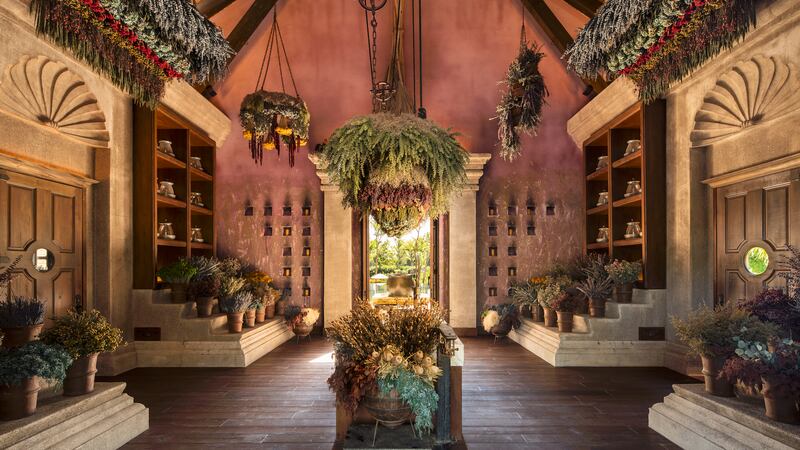
Rather than a single global fragrance, the brand works from a curated library of scent profiles inspired by environments — such as city, desert, mountain, lake, and coastal settings.
In some cases, scent becomes an experience itself — from floral perfume workshops in Bangkok to wellness rituals inspired by regional botanicals. At The Ritz-Carlton, Xi’an, the Imperial Peony Renewal wellness experience, rooted in traditional Chinese medicine principles, incorporates peony-infused botanicals and calming rituals. Meanwhile, the Wellness Journey & Perfume Atelier at the brand’s Toronto property offers guests a personalised spa treatment followed by a guided fragrance workshop where they create their own signature scent.
The brand is also rolling out a new experiential platform across the portfolio this year, entitled Immersions by The Ritz-Carlton. The series introduces signature experiences spanning culinary, family, creative, wellness, adventure, community, and insider access, each designed to feel connected to the destination and exclusive to The Ritz-Carlton in that area.
Edmundson notes that the sensory, experiential environments they build are not based around a “one-size-fits-all” approach, but consider carefully how the environment makes each type of guest feel — “because that’s what they remember,” she says.
Discovery and belonging are core pillars and emotional supplements that ground The Ritz-Carlton brand mission. “The hope is that we leave them feeling inspired,” says Edmundson. “At The Ritz-Carlton, the tagline is that we want to stay with you long after you’ve departed.”
For The Ritz-Carlton, partnerships have become a strategic tool to shift perception and engage a younger, culturally attuned audience. Gen-Z spending is growing twice as fast as that of previous cohorts and is expected to surpass Boomers by 2029, fuelled by an estimated $15–20 trillion wealth transfer, according to The State of Fashion 2026 report. Yet this cohort has fundamentally different expectations of what luxury represents.
As Edmundson explains, collaborations are delivered to appeal to this cohort, applying the same intentionality as service or design — curated to feel “fresh, genuine and a little bit surprising.”
The brand’s recent partnership with Madrid-based streetwear label Late Checkout, known for its hotel-inspired aesthetic, exemplifies this approach, translating The Ritz-Carlton’s heritage into “contemporary, playful design” that enables more “expressive storytelling”.
Entitled Late Checkout: A Ritz-Carlton Story, the debut collection launched in October 2024 and featured co-branded jackets, sweatshirts, t-shirts and accessories, blending the label’s playful sensibility with The Ritz-Carlton’s insignia and colour palette, before expanding in 2025 into loungewear, childrenswear and homewares.
We think about the guest journey from arrival to departure. We think about: what are those moments of anticipation? How will we help the guests on their discovery journey?
Crucially, these collaborations are not limited to product: by activating them through in-hotel pop-ups and immersive retail moments, The Ritz-Carlton brand positions such merchandise as a new touchpoint of the stay itself.
This move reflects a wider shift across luxury, where hospitality brands are increasingly drawing on fashion, culture and design to ensure guest experiences remain engaging and unique. Across the industry, fashion houses and luxury labels are partnering with hotels and resorts to create merchandise and collaborative offerings that resonate with today’s experience‑seeking consumers.
Fashion brand Frame, for instance, secured a still-ongoing partnership with The Ritz Paris in 2021, with the most recent iteration launching in December 2025. Since then, sportswear brand Sporty & Rich, swimwear label Minnow, pyjama brand Petite Plume and more have rolled out their own collections with top-tier hotels, including The Carlyle, A Rosewood Hotel in New York and Hotel Du Cap-Eden-Roc in Antibes, France.
These collaborations reflect a broader evolution in the concept of luxury. By translating the guest experience into tangible, wearable products, brands are able to extend their identity beyond the stay itself. This approach aligns with a growing trend in luxury travel, where unexpected, thoughtfully designed touches enhance emotional connection and reinforce cultural relevance.
This is a sponsored feature paid for by Marriott Luxury Group as part of a BoF partnership.
Loading recommended reads…
Sales of gems, precious metals and artwork at Japan’s department stores climbed 19 percent in the first half of 2026 from a year earlier to $2 billion.
Though Adidas dressed both teams in the World Cup finals, the global football tournament still presented some bright spots for Nike, writes Bloomberg’s Andrea Felsted.
From our archive, the creator and host of award-winning podcast “Articles of Interest” joins BoF founder, CEO and editor-in-chief Imran Amed to explore what clothing can reveal about identity, culture, labour and the world around us.
Saunders, the brand’s first creative director in five years and a skilled colourist, promises to give Kate Spade the clarity it has long lacked. Now, Tapestry must apply the same long-term brand-building discipline that fueled Coach’s success.