Agenda-setting intelligence, analysis and advice for the global fashion community.
Agenda-setting intelligence, analysis and advice for the global fashion community.

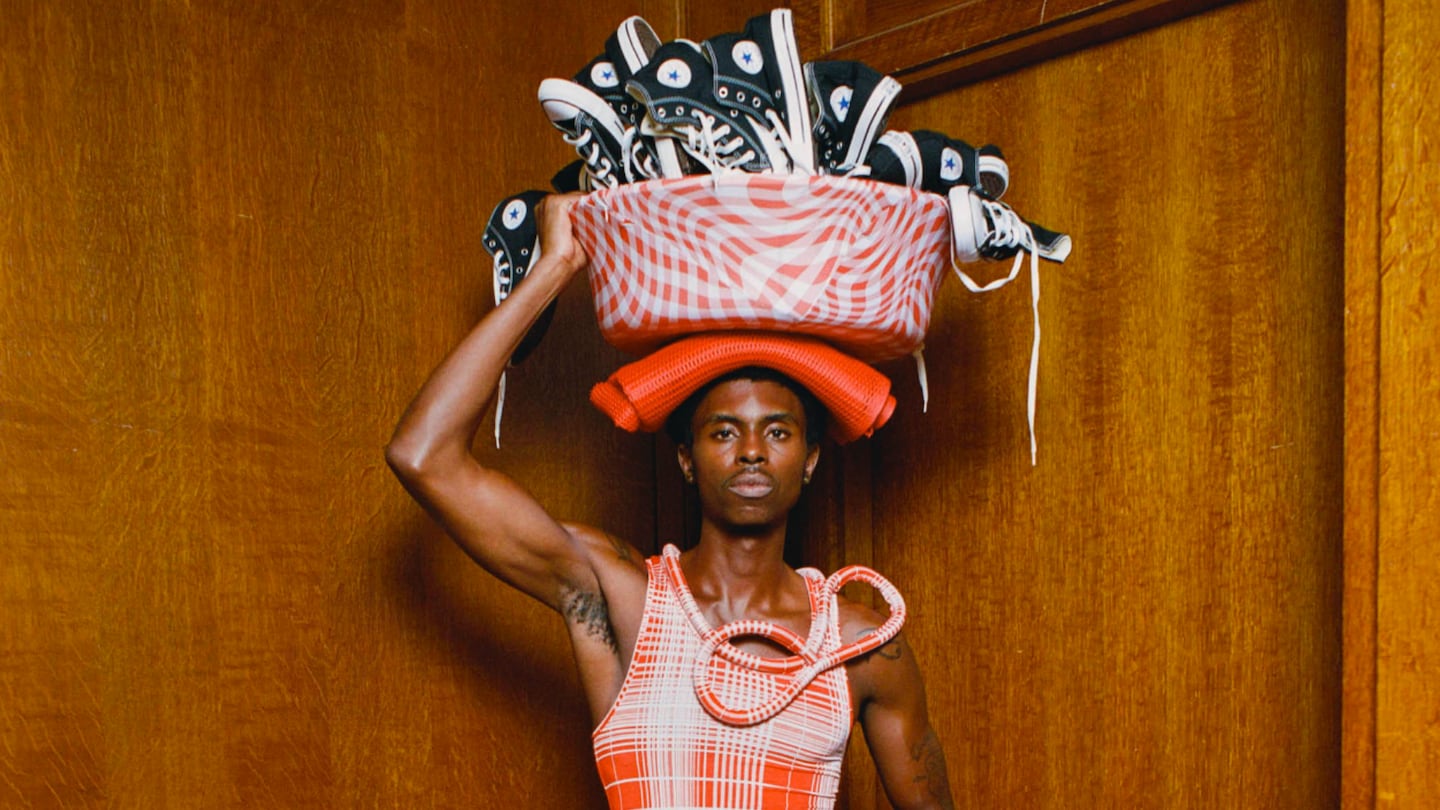

Fashion executives rank changing margin, cost and cash strategies as the second most significant challenge shaping the industry in 2026, behind tariffs, according to The Business of Fashion and McKinsey & Company’s The State of Fashion 2026 report. For independent brands without institutional backing, the margin for error is smaller still — and mistimed growth can be detrimental to business health.
It is against this backdrop that RaiseFashion launched its largest masterclass to date, bringing together 18 designers whose work spans womenswear, menswear, bridal, accessories and beyond. Founded to address the structural gaps that independent designers from underrepresented backgrounds consistently encounter, the programme provides its cohort with mentorship, supply chain expertise, financial literacy coaching and a network of industry leaders who have navigated the same terrain.
Felita Harris, co-founder and executive director of RaiseFashion, has seen what happens when growth is pursued prematurely. “Scaling is one of those words that gets used before it is understood. A lot of emerging brands run into trouble — not because they lack talent or ambition, but because they start building before they have the foundation to build on.”
Stephanie Roberson, chief merchandising officer at Shopbop and a RaiseFashion mentor, echoes this sentiment through a commercial lens: “That combination of deep customer insight, creative conviction and business discipline is what transforms a beautiful product into a sustainable brand.”
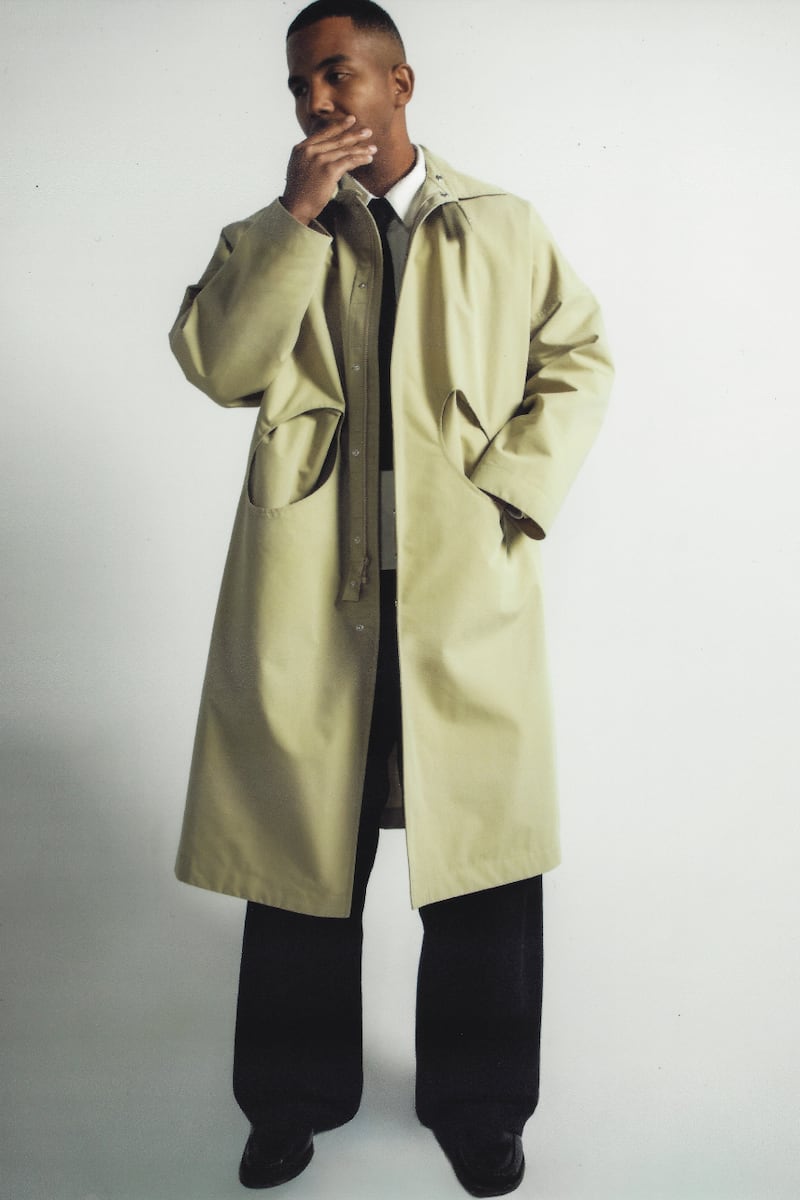
Six designers from this year’s cohort — Daveed Baptiste, Greg Jackson of Greg Laboratory, Haoran Li of Private Policy, Hiywet Mimi Girma of Yaseat, Mark Grattan and Olivia Cheng — sat down with BoF’s Content Strategist Yasmine Dahlberg to discuss the shared pressure to scale quickly. While each navigates a different stage of business growth, merchandising and target audience — they collectively experience the consequences of an industry that conflates momentum with maturity.
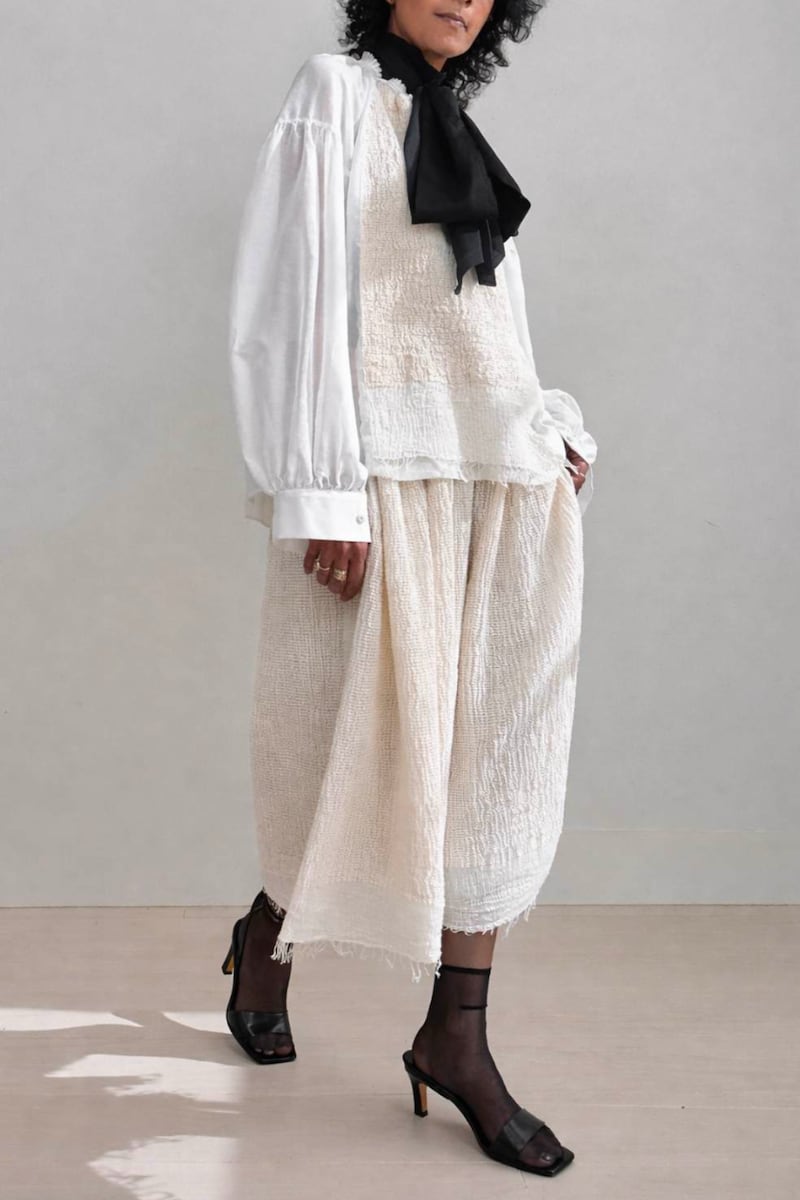
Olivia Cheng, Dauphinette
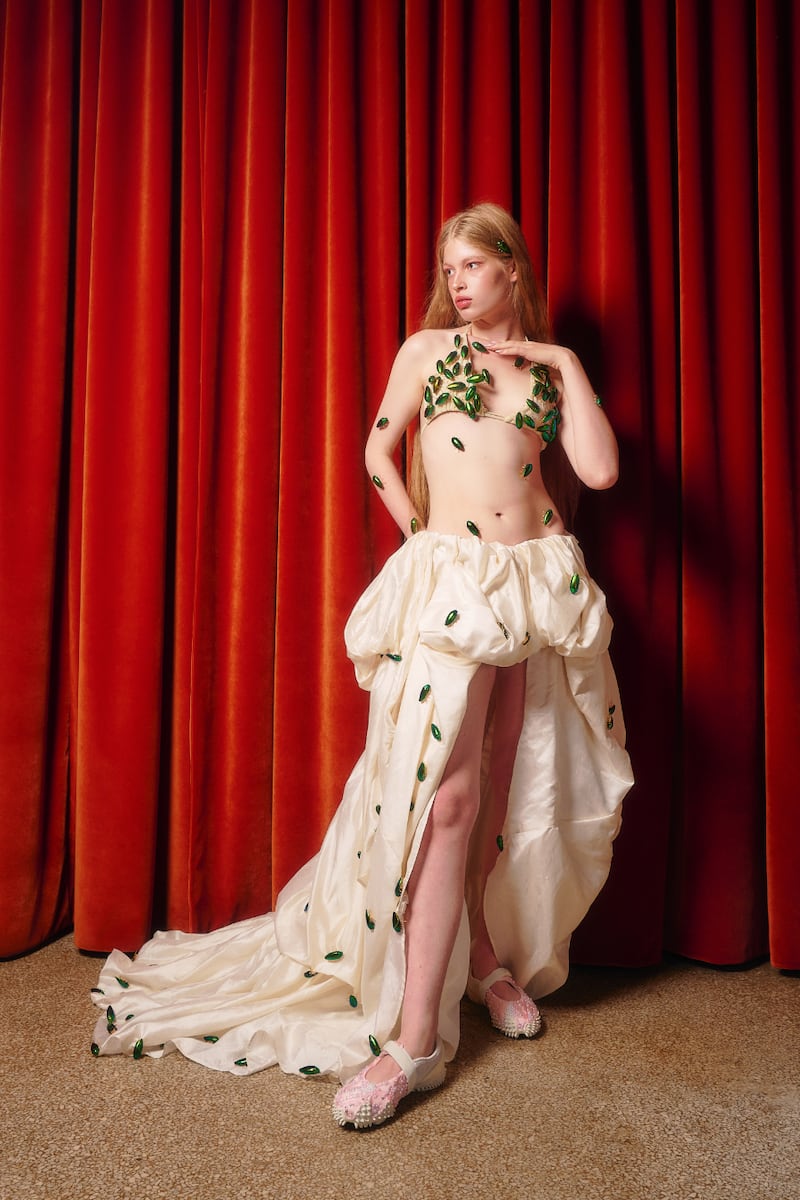
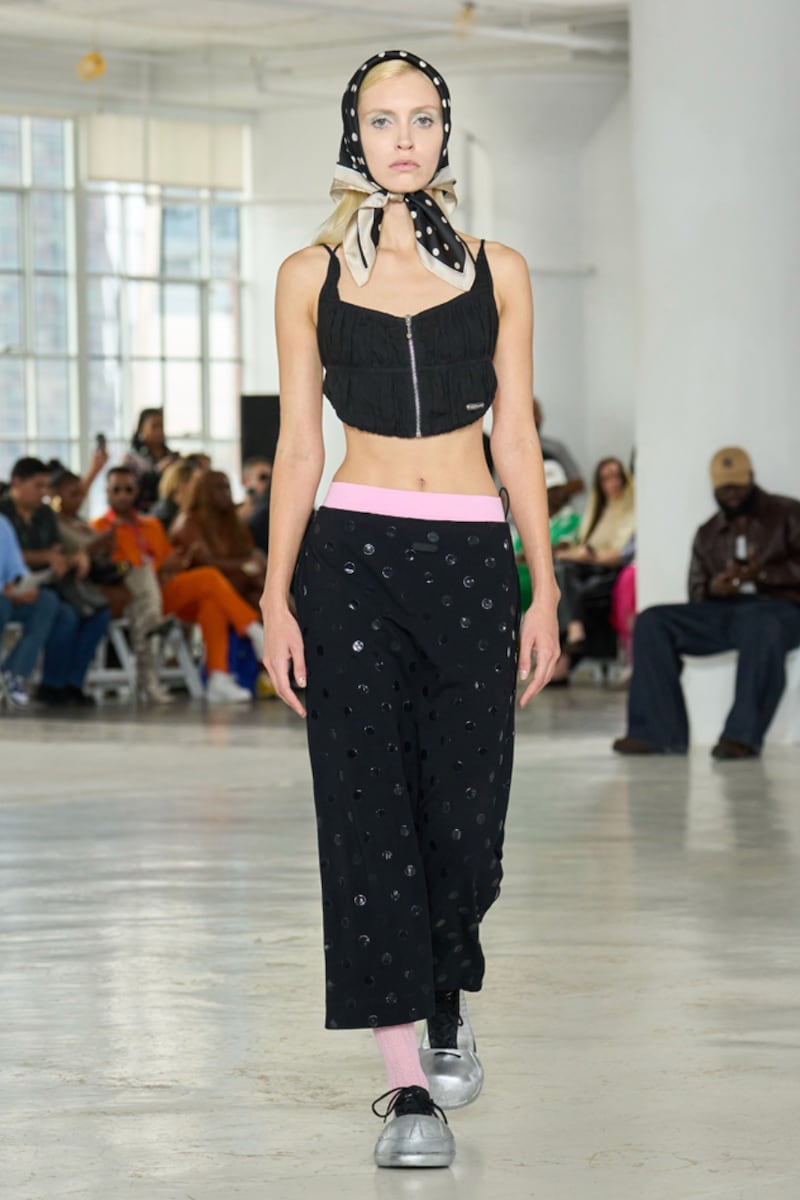
Olivia Cheng founded her New York-based label Dauphinette in 2018 aged 19. Eight years later, the brand is formalising its growth strategy.
“When you start a creative business young and you don’t have a lot of experience with certain forms of structure, it gives you an advantage,” she says.
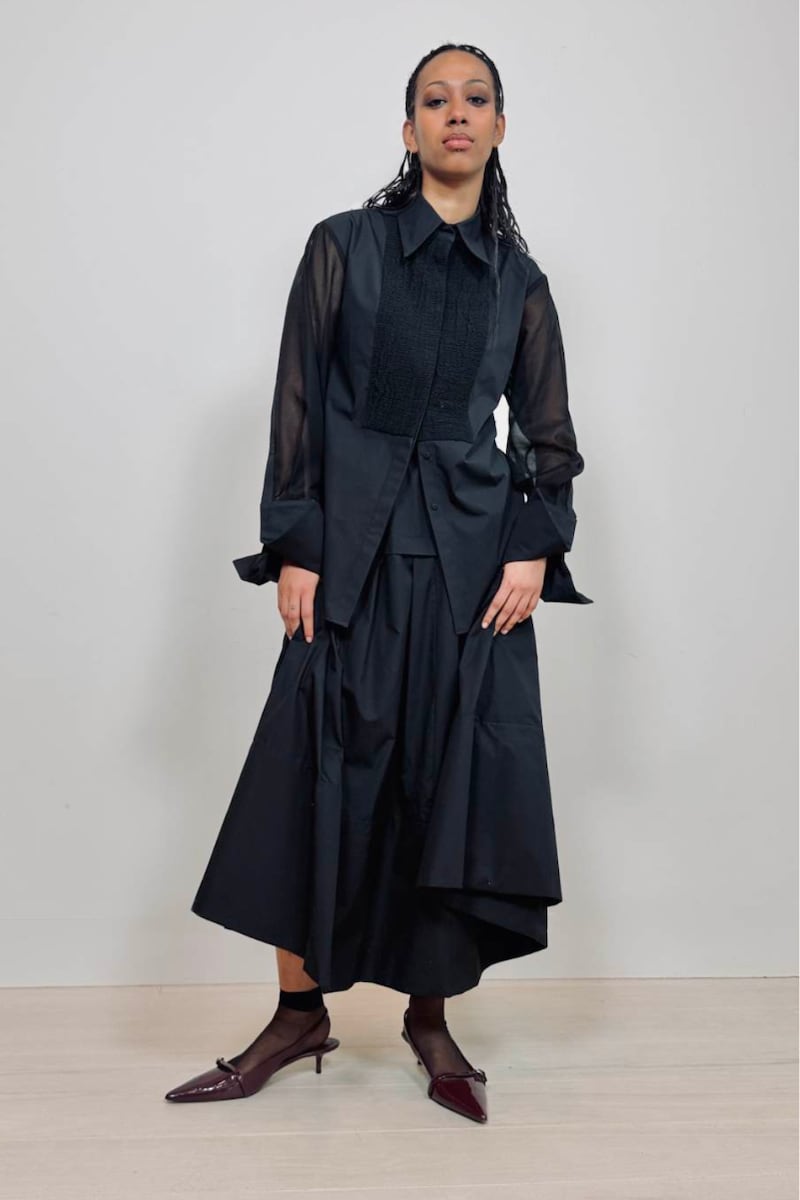
Dauphinette designs ready-to-wear, handbags and accessories from upcycled materials for customers who want a whimsical, culturally rich and conversational closet. “I’d rather my brand be everything to someone than something to everyone, but ideally we can be both,” she says.
0 of 4
Between 2021 and 2025, the Metropolitan Museum of Art acquired some of her earliest ready-to-wear pieces; a multi-year wholesale relationship with Nordstrom followed, along with the CFDA and Genesis House AAPI Design and Innovation grant. A. But it is the lessons embedded in those milestones that have stayed with her — she wishes she had invested more in the customer experience, brought on a junior designer sooner, and promised less to retailers rather than overcommitting to a design consistency she could not yet guarantee.
“Half of the people start saying ‘I’m ready to take my business to the next level’ — and I don’t think everyone knows what the next level means. I include myself in that,” she says.
Dauphinette currently operates a fully DTC model — a deliberate choice that protects the brand’s margin and autonomy. Over the next year, Cheng intends on investing back into the business — something that will require business introspection to determine how and where to streamline operations.
“All I’ve done is poke around my ship and be like, ‘this isn’t working’ and ‘how do we fix this?’” says Cheng. “Nobody wants to put their precious cargo aboard a sinking ship. You’d rather have a slim kayak where you know that kayak is top of its line.”
This refined business approach is what Cheng is targeting through the RaiseFashion masterclass. In an industry that “excels at creating the illusory experience of successful independent designers,” as Cheng puts it, structured access to investors, market data and operational expertise is valuable support.
“It starts to slowly adjust the way you think and the way you filter the information that you come across when you own a business,” she says.
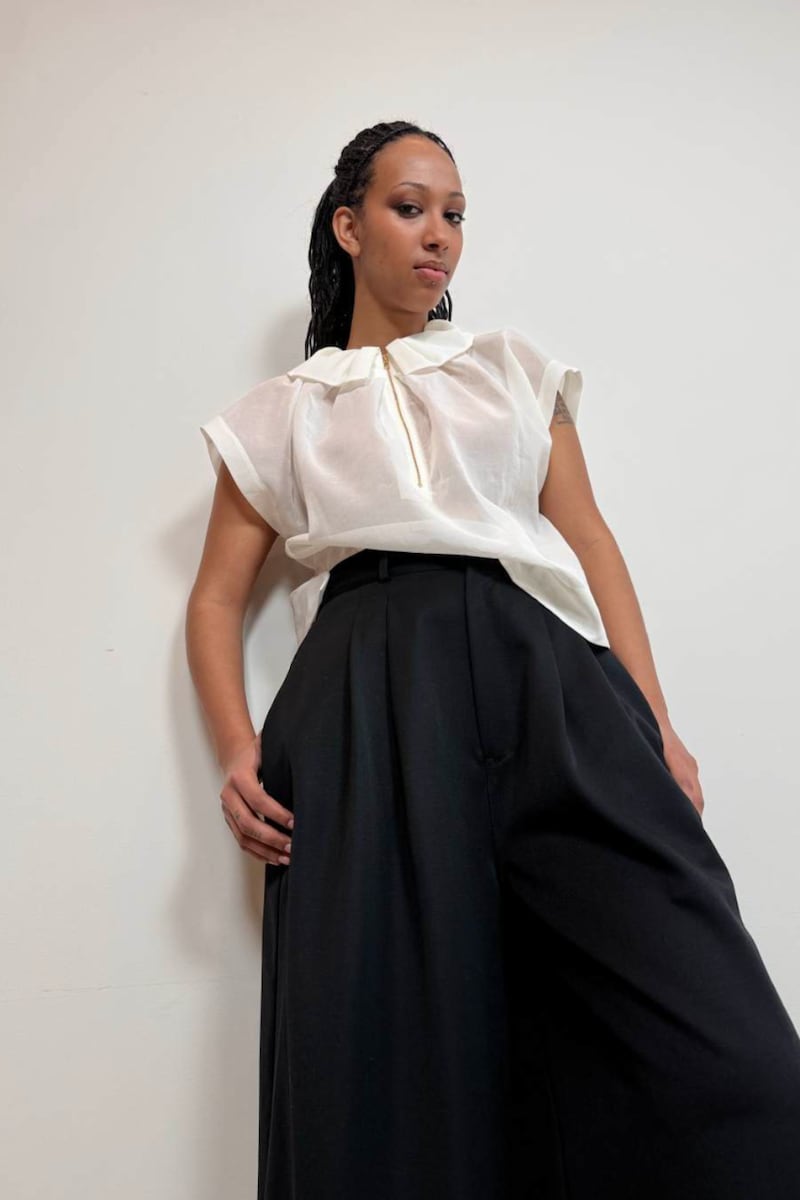
Greg Jackson, Greg Laboratory
I’m balancing the pressure of social media and looking like I’m crushing it — and not trying to move too quickly to meet that social media craze.
— Greg Jackson
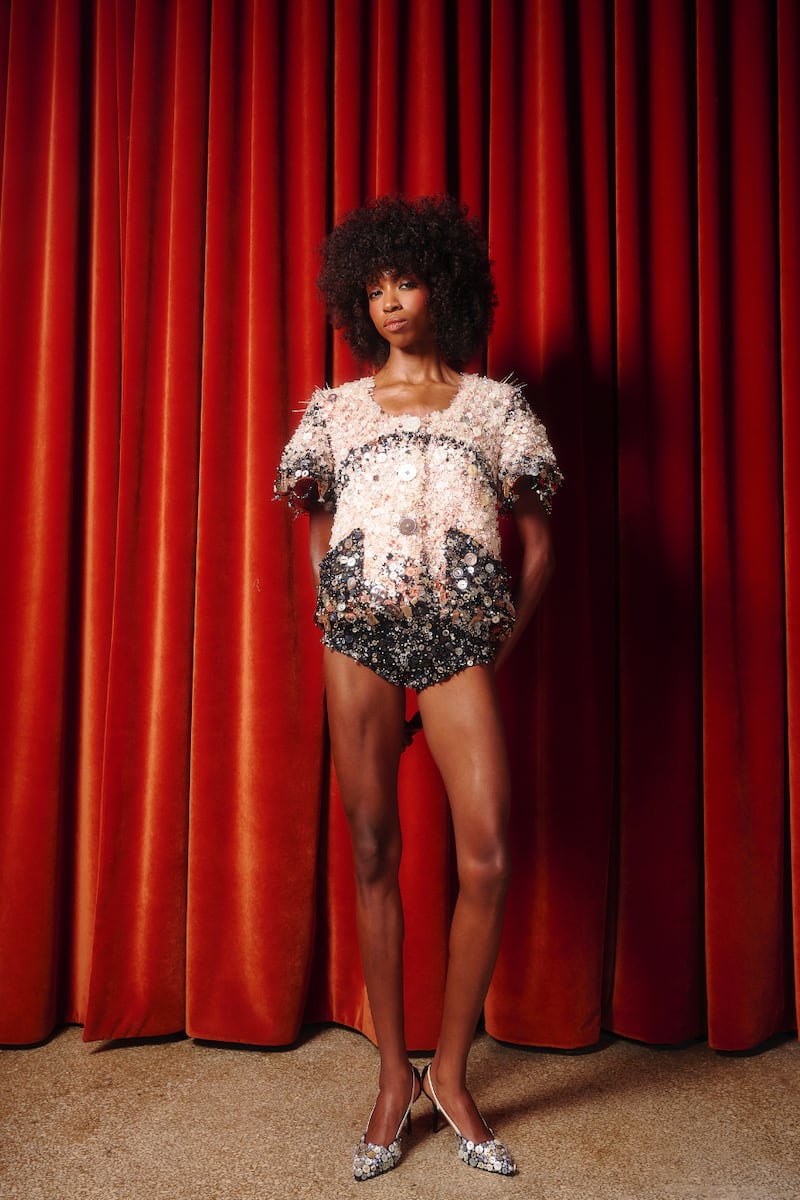
Greg Laboratory designs functional clothes for the city dweller. Greg Jackson, the brand’s founder, creates adaptable pieces designed to move with the everyday realities of urban life — from the work commute, to the evening that follows, whatever the weather or mode of transport.
Currently, the brand is at an inflection point. Wholesale accounts are circling and social media attention continues to grow the brand’s profile. But Jackson is acutely aware of the gap between the image a brand can project and the infrastructure behind it.
0 of 4
“I’m balancing the pressure of social media and looking like I’m crushing it — and not trying to move too quickly to meet that social media craze,” Jackson says. “I’m trying to go as slowly as possible, but I feel like everyone is pulling me to expand and grow quickly.”
His instinct is to resist. Rather than flood the market, Jackson builds tight capsules of seven to 10 pieces. “When we are figuring out margins, it has become a game for me to figure out how we get there while not sacrificing anything about the design itself,” says Jackson.
What he wants to leave the RaiseFashion masterclass with is practical and specific: how to budget successfully for a year and make sound decisions without putting his business under pressure. “Anything with numbers I want to learn,” he says.
Mark Grattan
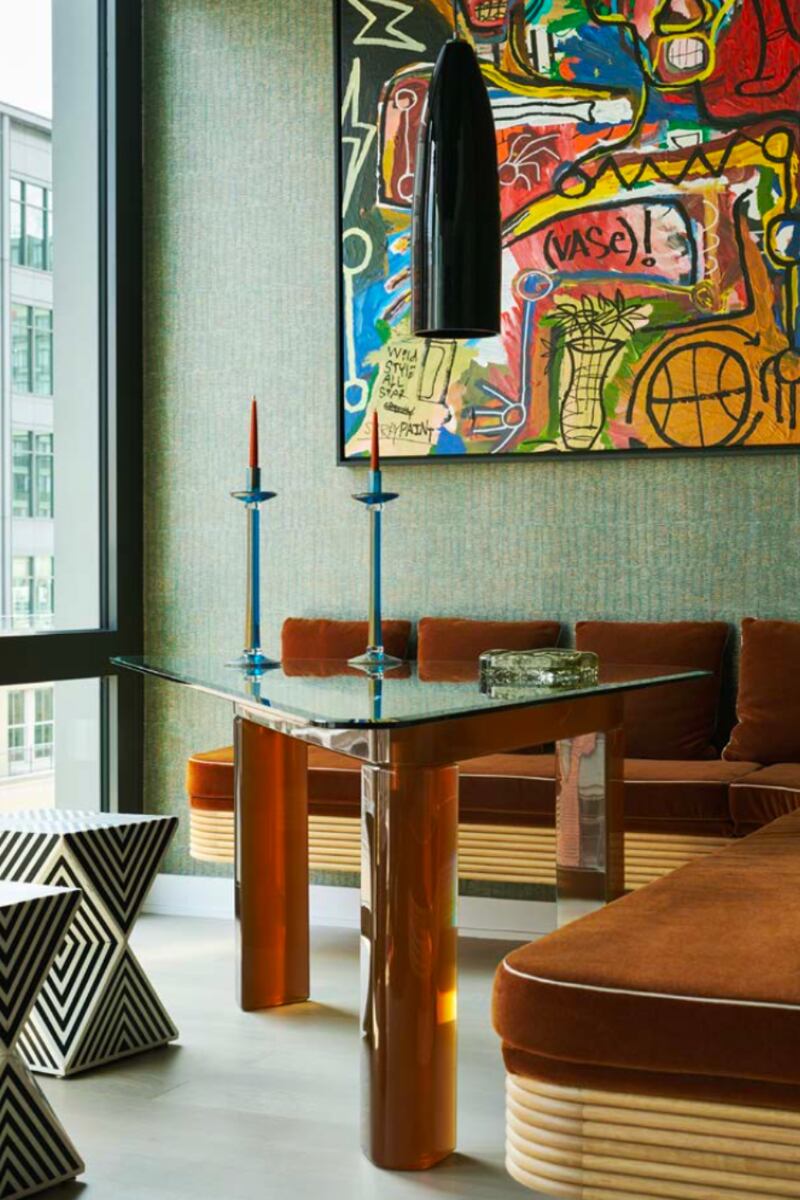
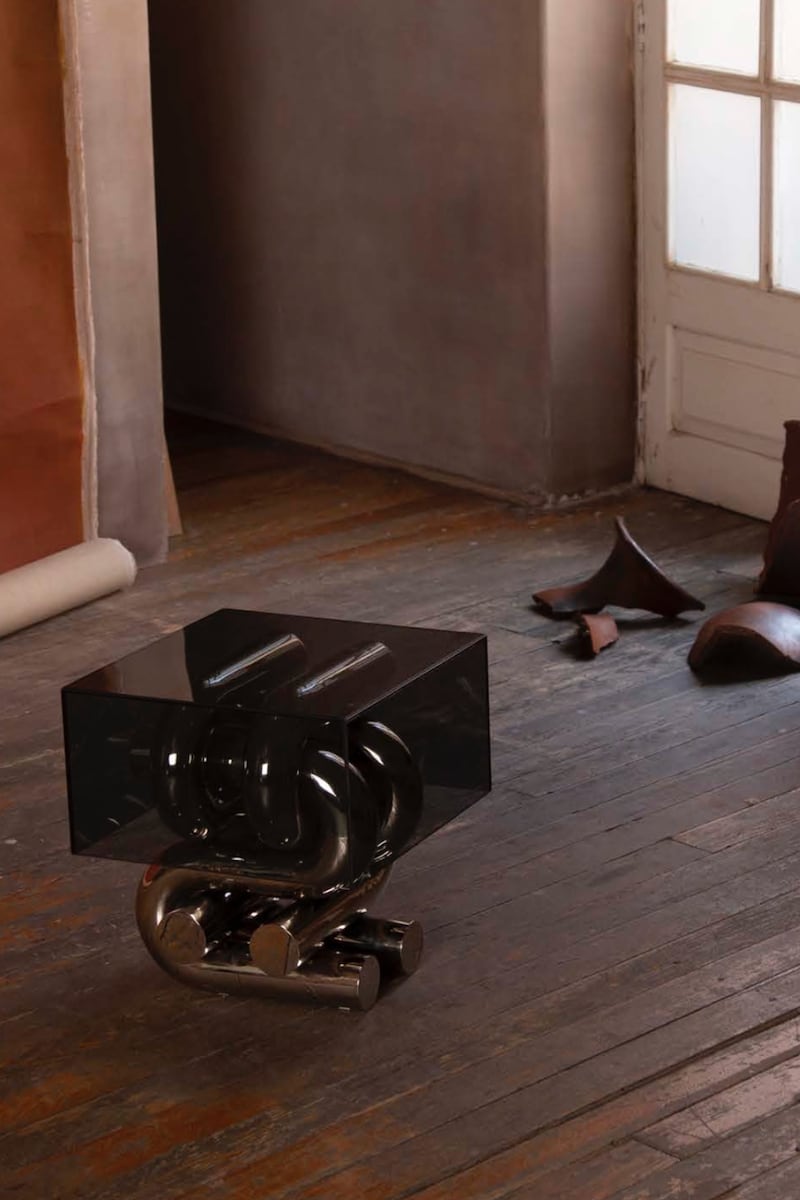
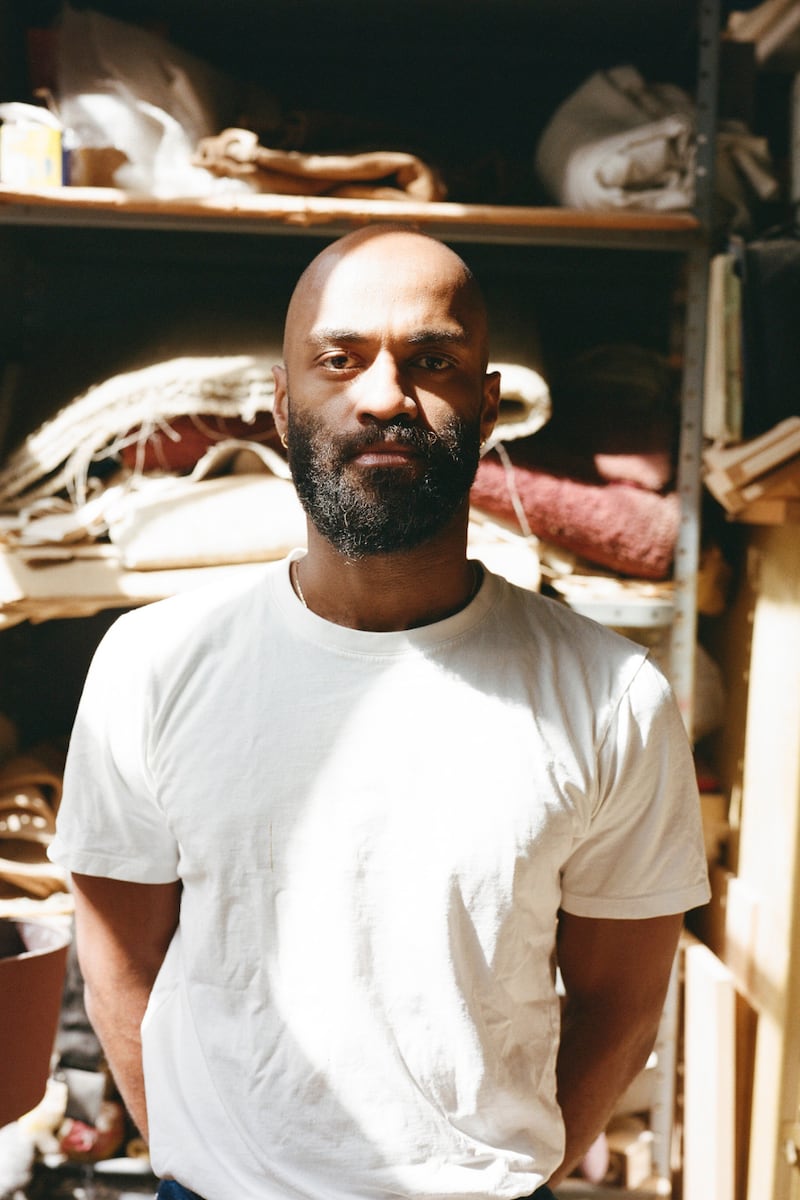
Mark Grattan works across three distinct practices all held together by a single sensibility. Interior design is Grattan’s client-led work, while collectible design is self-directed work where Grattan designs and manufactures. “Lived In” is an environment where Grattan presents his work in use, in the home he actually lives in, replacing the gallery model with something more intimate and tactile. “Scaling pulls toward systemisation, and what I do is still very much about judgment. It’s about taste,” he says.
Born in Hudson, Ohio, the multidisciplinary designer splits his time between New York, Mexico City and Rio de Janeiro. In the former, Grattan developed his craft in New York alongside figures like Telfar Clemens, founder of Telfar and Shane Oliver of fashion and streetwear brand Hood by Air, all the while admiring fashion’s capacity to shape culture. He began to apply this lens to his own work, something which pushed him away from the gallery system and towards his own creative practice.
0 of 4
For Grattan, sustainable growth is a necessity: “I am still trying to pay my rent every month — that’s my sustainability. It means keeping things moving without falling apart.”
The financial reality of independent design is one he deems overly romanticised by the industry. “It’s very hard to be an independent designer and an entrepreneur, especially in a place where the cost of production is significant and you only receive one piece at a time — you don’t even have inventory. People don’t really understand that part.”
With RaiseFashion, Grattan hopes to build out the infrastructure for this complexity. “I want frameworks for thinking about growth that account for the fact that I’m not one thing. Most of the advice out there assumes my world doesn’t work like that.”
With a cover story recently released in Architectural Digest, a documentary in the works and demand building across all three of Grattan’s creative practices, structural efficiency has become urgent. Through the RaiseFashion masterclass, he intends to develop this side of his business.
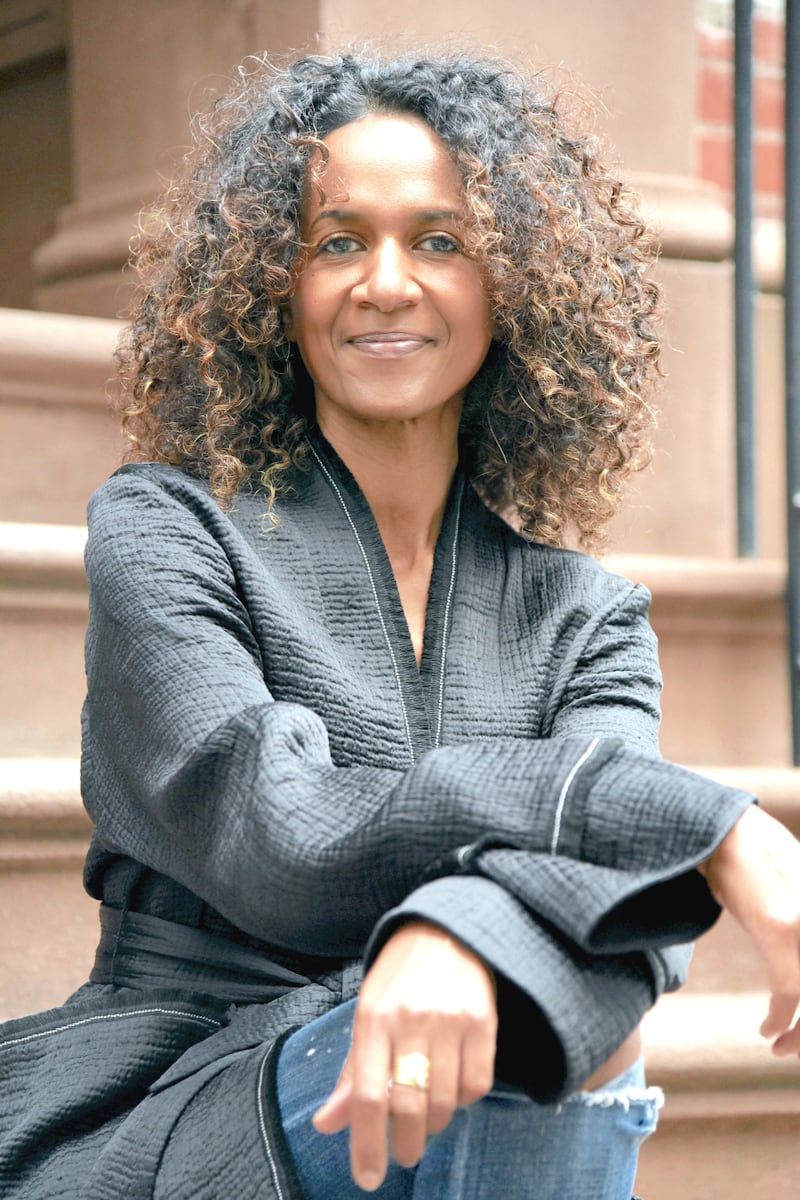
Hiywet Mimi Girma, Yesaet
Everybody wants sustainable artisanal brands these days, but then the terms that they are asking for don’t match that request.
— Hiywet Mimi Girma
Hiywet Mimi Girma launched Yesaet in February 2020, two weeks before the outbreak of Covid-19. The pause forced her to spend time building out her brand vision and universe, a process that has shaped the brand’s evolution.
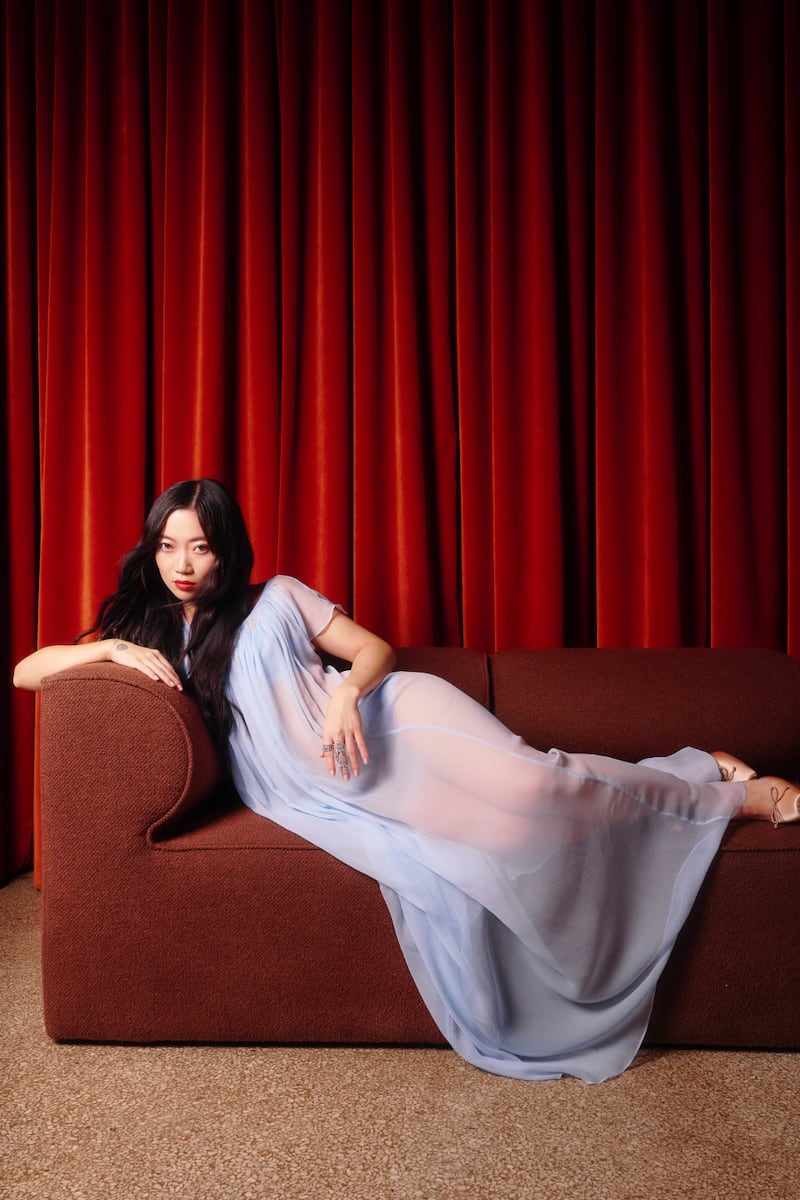
Yesaet, which means “a woman’s work” in Amharic — the official language of Ethiopia — works directly with female artisans in East and West Africa who spin the yarn and weave the cloth required to produce the brand’s collections, a process reflective of Girma’s own Ethiopian heritage. Girma then constructs the pieces in New York, where all products are made to order to avoid waste and control minimums.
0 of 4
“Growth needs to be intentional. I can’t fulfil every request, especially when it comes at the expense of either the number of pieces or the time required to create them properly,” Girma says. Specialty partners have come to understand that lead times are part of the brand value and that colour variation between two pieces is not an inconsistency but a feature indicative of handmade craft.
For Girma, however, there is a disconnect between the industry’s appetite for sustainable, artisan-led brands and its accommodation for their unique operations.
“Everybody wants sustainable artisanal brands these days, but then the terms that they are asking for don’t match that request,” she says.
Trade show fees, payment structures and wholesale timelines are all unsuited to brands like hers.“There needs to be a change in that system to help sustainable brands — especially small emerging ones. Meet us halfway so that we can pay the artisans on time.”
This structural argument speaks to her passion for access, a topic she explores in good company at RaiseFashion. “It can be very lonely when you build a brand, so having others to talk to about how they are doing things — that’s a huge plus,” says Girma.
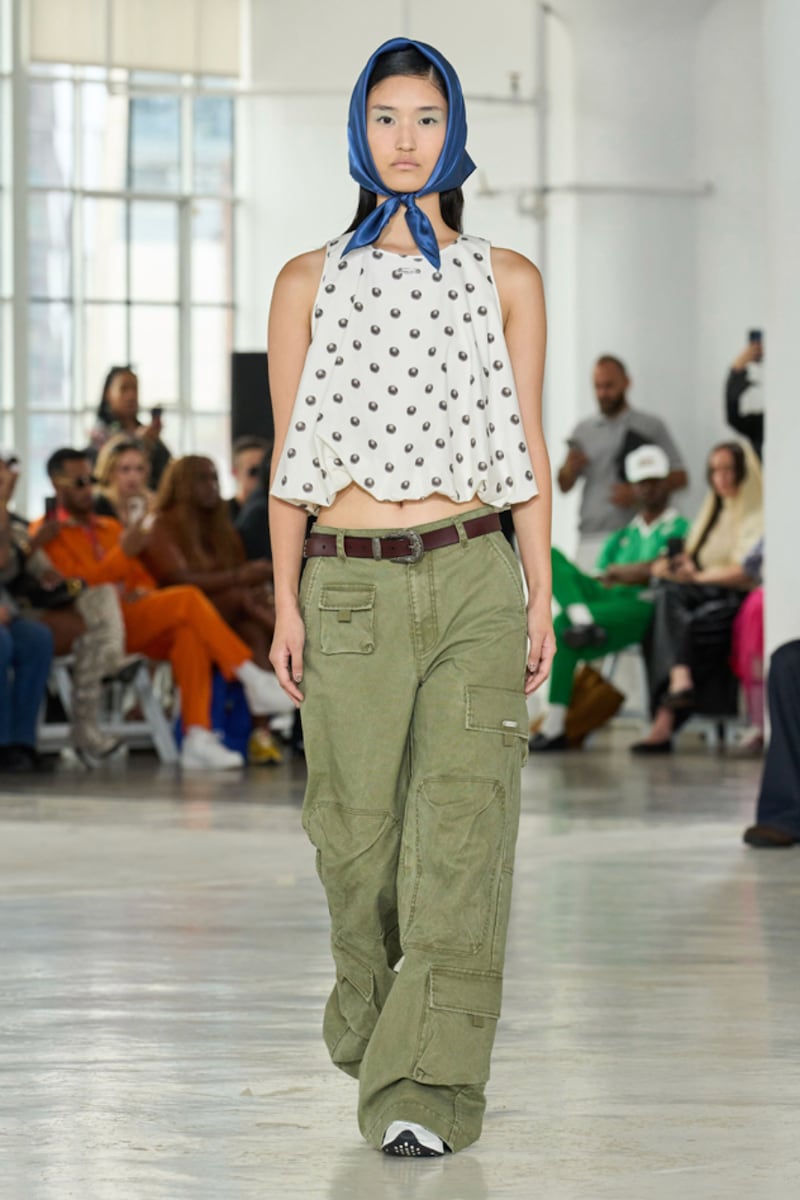
Haoran Li, Private Policy
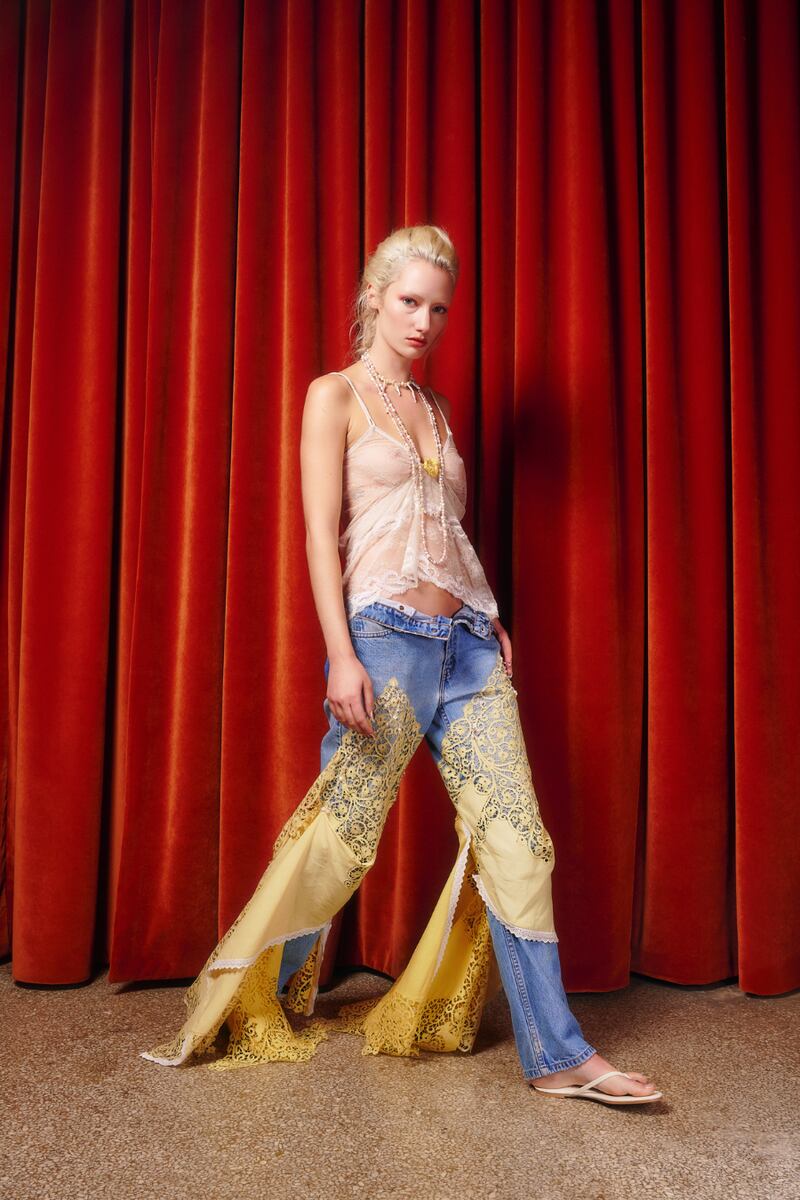
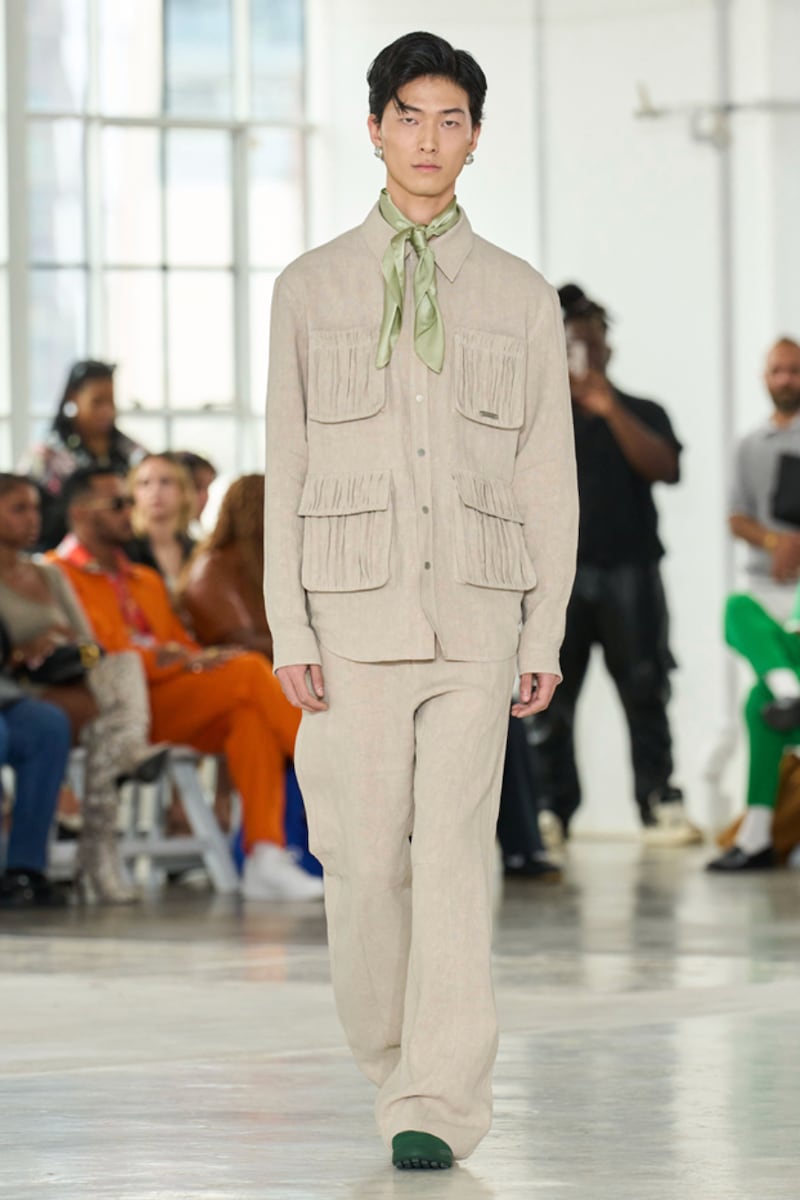
Haoran Li founded Private Policy in 2016, newly graduated from Parsons School of Design with a BA in fashion and apparel design. The brand is grounded in genderless collections that revolve around different social issues each season. Nearly a decade in, the brand has addressed a number of socio-political tensions spanning from AI and human connection to the Chinese immigrant experience in America. “It’s whatever drives my attention,” Li says.
By 2019, the brand began to gain momentum and was recognised by the CFDA and fielding consistent buyer interest — until the outbreak of the Covid-19 pandemic when Li was forced to reset much of what had been built.
0 of 4
The years since have been focused on rebuilding towards a more adaptable business model. The challenge Li identifies as the most pressing is the social media algorithm. “All these luxury and fast fashion brands — they have so much money to pay for the algorithm to drive them. Independent designers don’t have that,” he says.
For independent designers with limited resources, keeping pace with the visibility and output of larger brands creates its own form of premature scaling: expanding reach before the infrastructure exists to sustain it.
Access to the right peers, he says, is central to what RaiseFashion offers. “Everybody has different strengths, everybody has different challenges. It’s really good to be with other creatives.”
Daveed Baptiste
I have said no to so much, and I love saying no.
— Daveed Baptiste
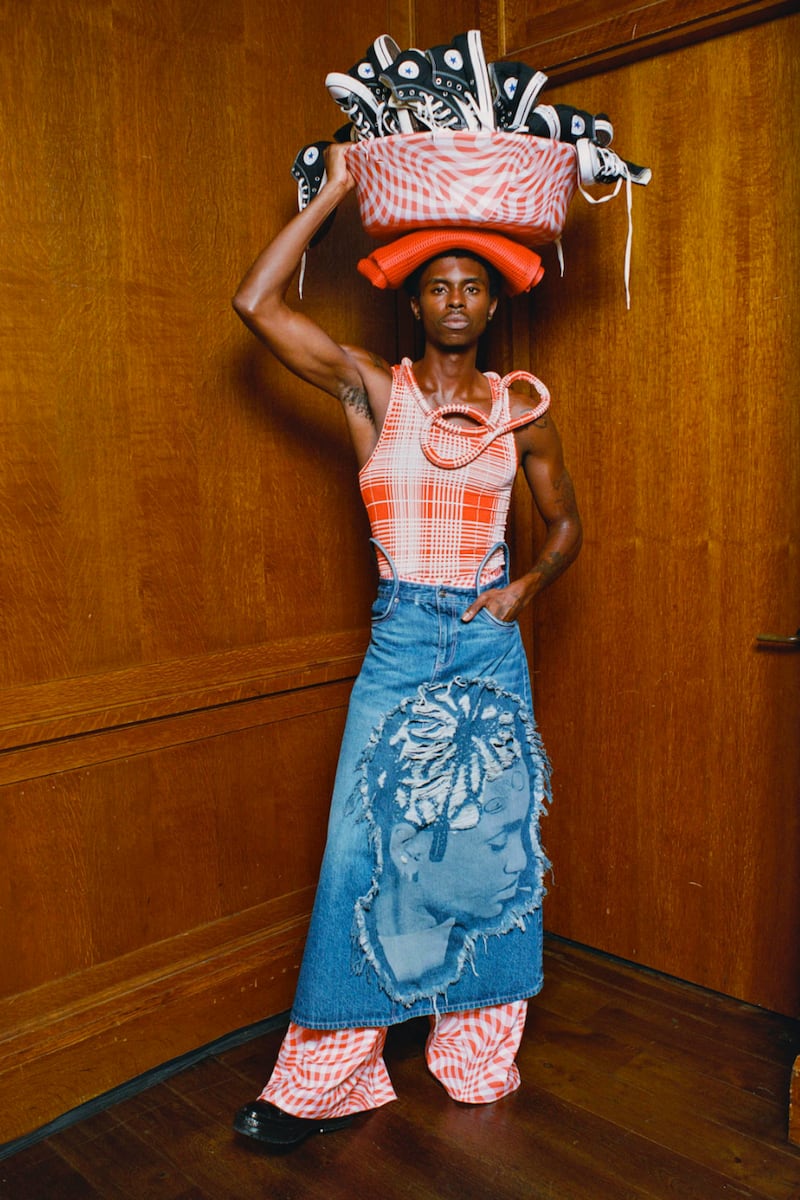
Born in Haiti and raised in Miami before settling in New York, Daveed Baptiste specialises in artisanal menswear. Baptiste came to fashion through fine art and photography – graduating with a Bachelor of Fine Arts from Parsons School of Design in New York, an origin which shaped the evolution of his eponymous brand. Its slow, intentional growth prioritised community and was funded by artist residencies and fine art grants.
While this path has been integral to the brand’s identity, Baptiste says it has required a direct approach: “I have said no to so much, and I love saying no.”
0 of 4
“A lot of people have been in my position, especially folks who come from very little, or who don’t have a business background,” he adds. “These opportunities are put in front of them, and it feels like they have to take it, because they don’t know when the next one might come around.”
When his Gap collaboration with Harlem’s Fashion Row – a platform dedicated to discovering, showcasing, and supporting designers of color – landed earlier this year, it sold out in under three weeks. Despite the momentum, the lesson Baptiste took from it was to move slower. “I kind of like the organic growth of the brand. People didn’t feel like they were being sold something.”
Major department stores have approached Baptiste in hope of stocking his designs, and he has turned down paid show opportunities. “If it doesn’t make sense financially or time-wise, I’m out,” he says.
As he builds towards DTC and a selective approach to wholesale, Baptiste hopes to leave RaiseFashion with the business fluency to match his creative instincts — from cash flow, to retail partnership contracts and negotiations. “I’ve never looked at myself as an entrepreneur or a businessman,” he says. “But now I feel like I’m back in school – and I haven’t had that feeling in a minute.”
This feature is part of a community partnership with RaiseFashion.
The intimate New York Fashion Week dinner celebrated the organisation’s new masterclass cohort of 18 designers — its largest yet. Alongside the designers, guests included model and activist Bethann Hardison, fashion designer Naeem Khan and Moda Operandi’s April Hennig, as well as fashion executives, retail partners and programme advisors.

Yasmine Dahlberg is Content Strategist at The Business of Fashion (BoF). Based in New York City, she delivers high-impact written, visual, and live content for BoF’s industry partners.
Loading recommended reads…
This week, Europe’s leading luxury groups LVMH, Kering, Hermès and Prada will show who’s pulling ahead in the stubbornly choppy environment.
Sales of gems, precious metals and artwork at Japan’s department stores climbed 19 percent in the first half of 2026 from a year earlier to $2 billion.
Though Adidas dressed both teams in the World Cup finals, the global football tournament still presented some bright spots for Nike, writes Bloomberg’s Andrea Felsted.
From our archive, the creator and host of award-winning podcast “Articles of Interest” joins BoF founder, CEO and editor-in-chief Imran Amed to explore what clothing can reveal about identity, culture, labour and the world around us.