Agenda-setting intelligence, analysis and advice for the global fashion community.
Agenda-setting intelligence, analysis and advice for the global fashion community.
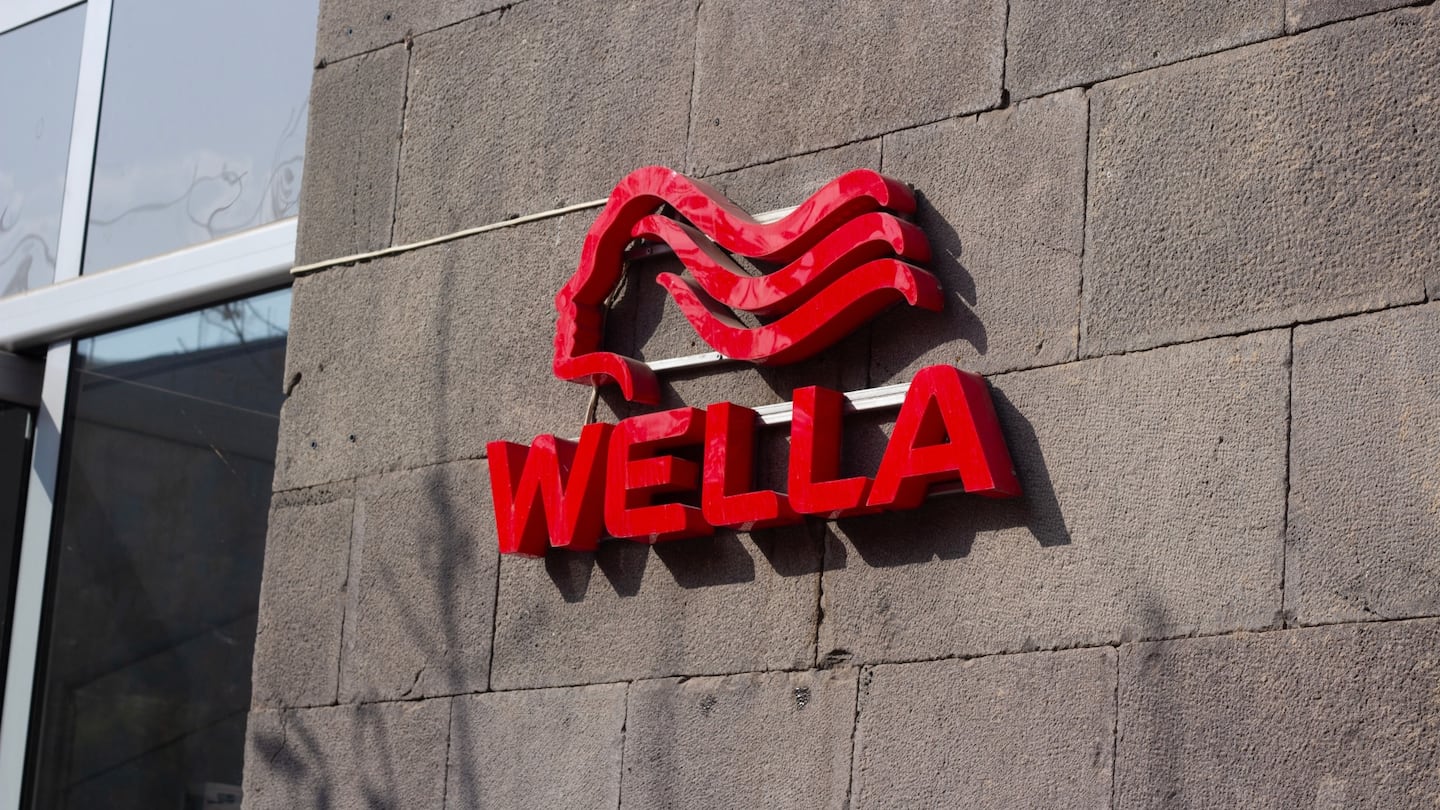
On Tuesday, after months of speculation, Wella Company filed for an initial public offering on the New York Stock Exchange. The firm hopes to use its forthcoming IPO to pay down some $2.3 billion in debt and increase its brands’ awareness.
With Clairol, Wella Professionals and OPI, it has some of the world’s better-known beauty lines — as a company, Wella traces its roots back to 1880. But unlike other historic lines like L’Oréal Paris or Shiseido, it has had a more complex history, being owned by both the American conglomerates Coty and Procter & Gamble in the last 10 years. It was formed in 2020 as a carve-out from Coty by KKR.
Wella has a mix of consumer and salon lines, but with 84 percent of revenues coming from hair and nail sales, it’s not as broad-based as most other beauty conglomerates. While its hair brands are established, they compete with bigger labels like L’Oréal’s Redken and Garnier; its tool business, meanwhile, is propped up by GHD, which goes head-to-head against Dyson and Shark, both of which have cornered the popular blowout look.
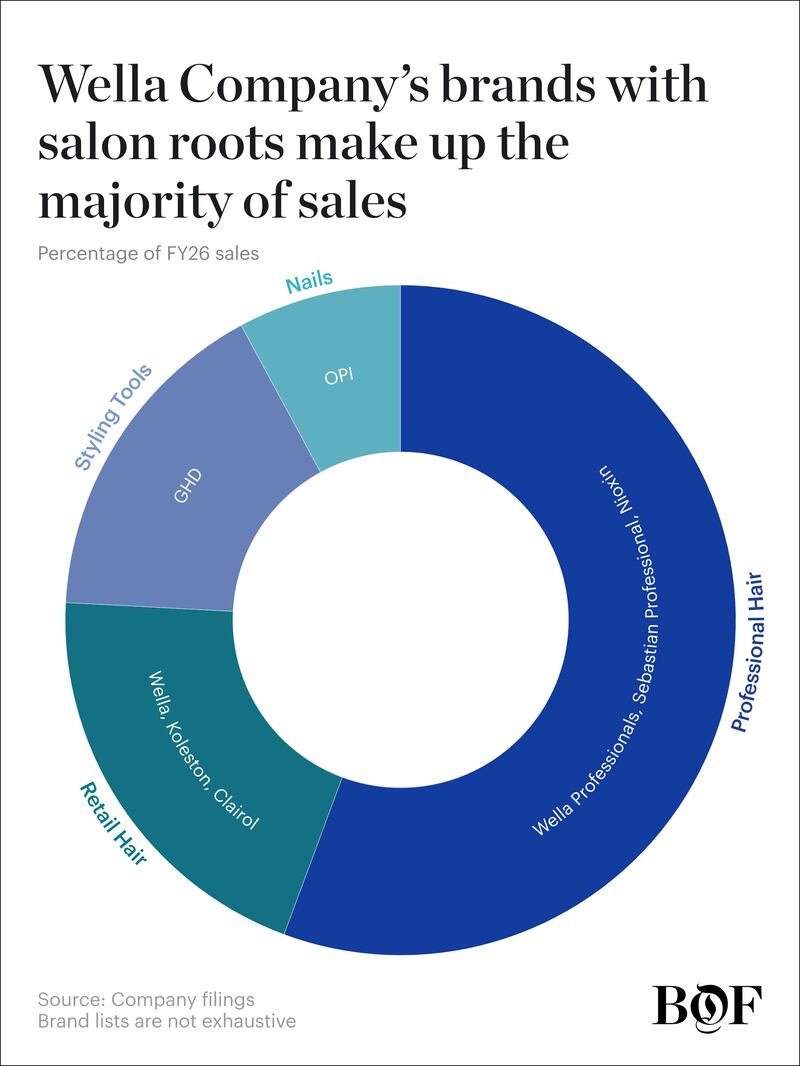
The filings show that it has swung from steep losses to positive net income: it made a loss in four out of the last five years, but narrowed that loss from $115 million in its fiscal 2024 to net income of $62 million in its fiscal 2026, ended in June. It has also progressively grown sales: revenues increased 9.17 percent in the last fiscal year, with particular progression at GHD, which brought in $478 million. The company said GHD’s marketing is particularly effective, and that it wants to use its playbook to supercharge its other brands.
ADVERTISEMENT
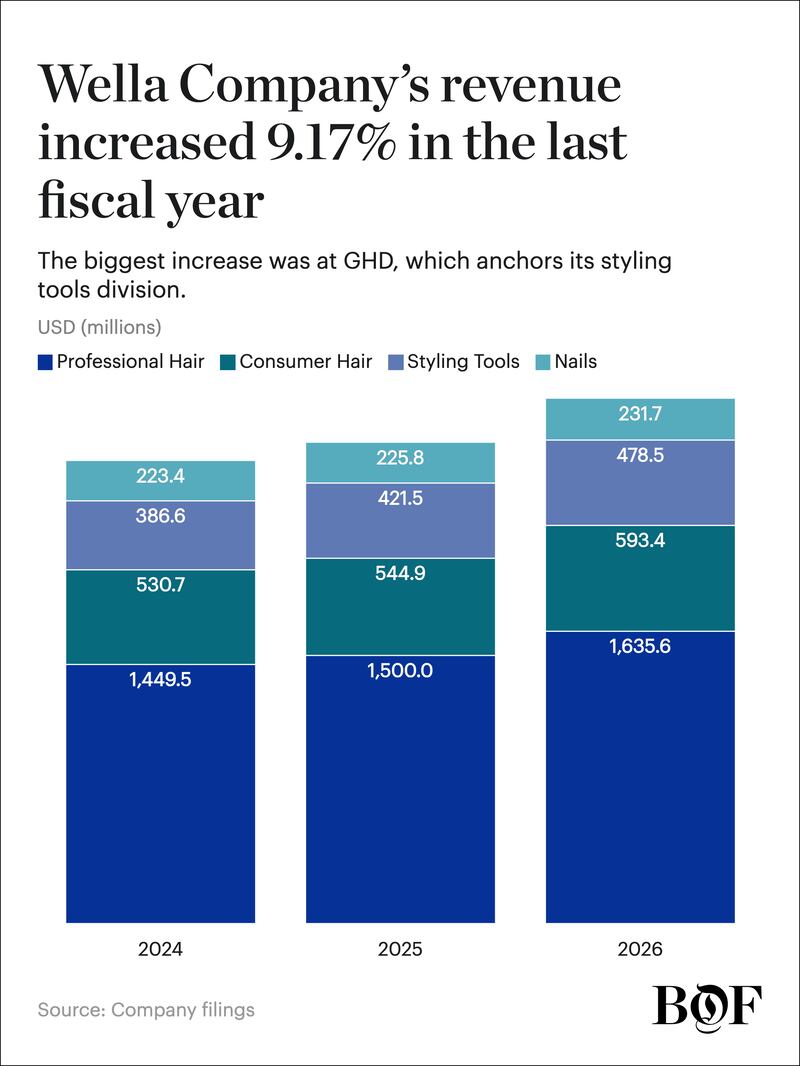
Still, the company is considerably indebted, with $2.3 billion owed. With 56 percent of revenues coming from its professional hair brands, including Wella Professionals, Nioxin and Sebastian Professional, it’s especially exposed to any fluctuations in the salon channel. While premium hair care is growing, boosting the likes of Unilever’s K18 and L’Oréal’s Kérastase, the salon channel is complex and under pressure, as customers take to buying professional lines on Amazon or from direct-to-consumer websites. Wella plans to invest more in advertising, and launch more products in faster-growing categories, like home hair styling, longer-wearing nail products, and modernise its channel strategy.
Wella Companies will now move through the IPO preparation process, and finalise a date, target price and valuation. Beauty’s more recent slate of IPOs has disappointed: Olaplex’s share price dropped more than 90 percent after listing in 2022 and being acquired by German firm Henkel in March, cosmetics maker Oddity is down more than 70 percent since listing in 2023, and L’Occitane chose to delist from the Hong Kong stock exchange in 2024.
If Wella Companies can raise enough to meet its goals and even add new lines to its slate — its last acquisition was curl specialist brand Briogeo in 2022 — it could be seen as greater competition in the bubbling hair market. There’s a lot of value in a good hair day.
Sign up to The Business of Beauty newsletter, your complimentary, must-read source for the day’s most important beauty and wellness news and analysis.
As shoppers seek newer, better solutions for hair shedding and thinning, brands are racing to offer products that go beyond the scalp.
The beauty industry is experiencing a new wave of demand for affordable treats, and salon-grade hair treatments used at home are emerging as a key part of the trend, writes Bloomberg’s Andrea Felsted.
Indie hair-care brands are tempting conglomerates with their next-gen products and fast-moving ethos, but the current big beauty landscape lacks a dominant player. Firms like Wella Company, Henkel and L’Oréal are all vying for the top spot.

Daniela Morosini is Senior Beauty Correspondent and Special Projects Editor at The Business of Beauty at BoF. She covers the global beauty industry, with an interest in how companies go to market and overcome hurdles.
Loading recommended reads…
The Swedish fast-fashion brand returned to London Fashion Week for a second year in a row as it doubles down on efforts to reassert its fashion credentials and reignite demand.
Christoph Kaul will succeed Amanda Baldwin, who led the hair care label through its acquisition by Henkel earlier this year.
This week, Priya Rao argues that Gen Alpha’s interest in cosmetics and skincare mirrors that of its predecessors,
The sportswear giant's spot in the Dow Jones Industrial Average is looking increasingly uncertain as the brand braces for its exit from the S&P 100.