Agenda-setting intelligence, analysis and advice for the global fashion community.
Agenda-setting intelligence, analysis and advice for the global fashion community.

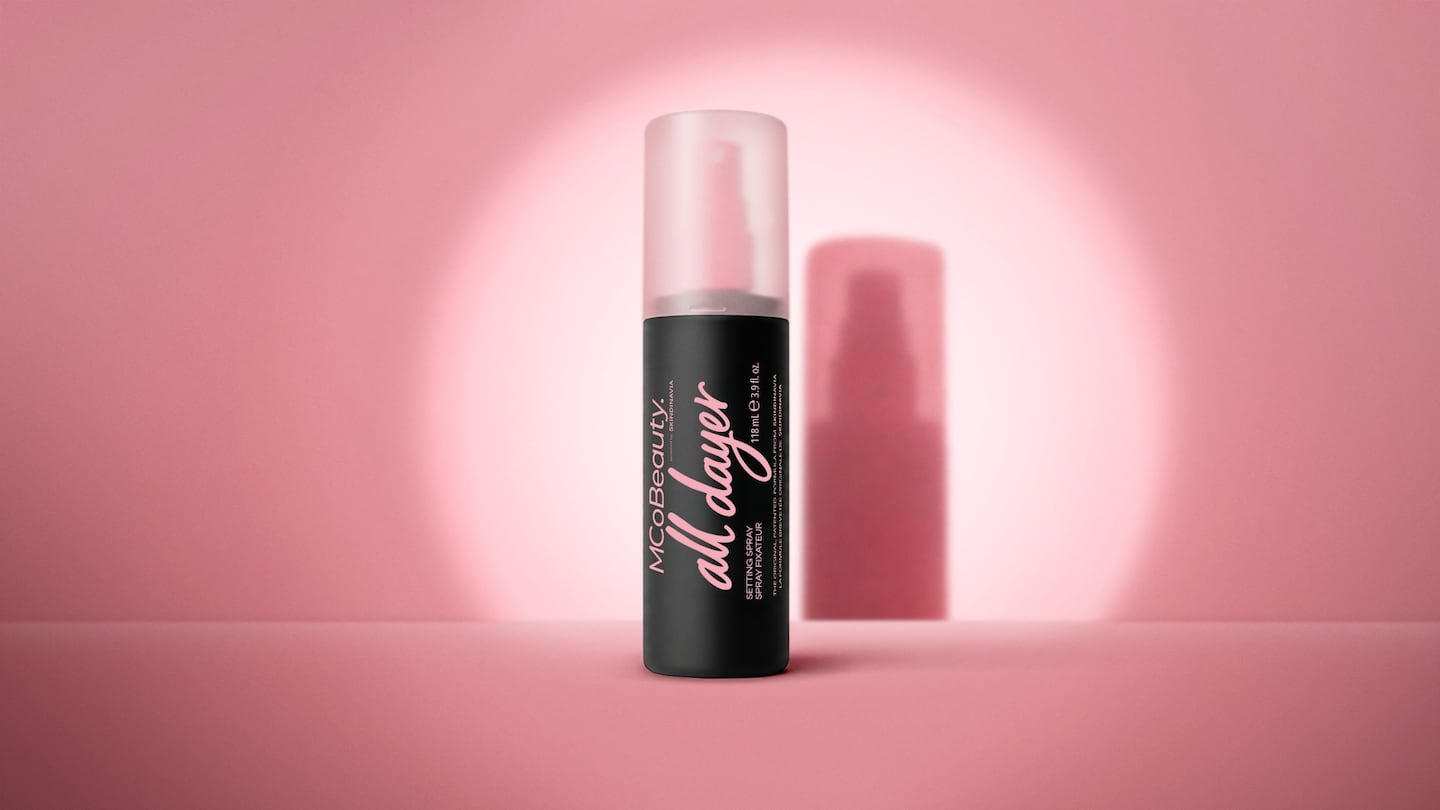
It’s always hard to see an ex move on.
Especially when the split was as highly publicised as cosmetic line Urban Decay’s breakup with Skindinavia. In 2025, the brand abruptly dropped the indie company, ending a 15-year run of producing the label’s hero All Nighter setting spray together.
Now Skindinavia — and its patented cooling agent — has moved on, and its new beau is Australian. Mcobeauty, the masstige brand known for its referential, high-performing dupes, has partnered with the company to bring its cult formula back in the form of All Dayer setting spray, launching August 3 for $19.99 at Target, Kroger and the brand’s DTC website.
“From a scroll of our FYP, we saw this breakup, and we thought bringing a luxury formula into mass would be the perfect thing for us to execute,” said Peter Stocks, Mcobeauty’s UK and European chief marketing officer. “So we chanced it.”
ADVERTISEMENT
Though L’Oréal eventually manufactured the formula in-house, it was only ever licensed and, therefore, Skindinavia’s property. In 2025, Urban Decay reformulated and introduced its own “cooling technology” under the All Nighter setting spray name.
Mcobeauty has accrued global popularity thanks to hits like its Miracle Flawless Pressed Powder, inspired by Charlotte Tilbury’s Airbrush Flawless Finish Powder, and its Age Resist Miracle serum that bears resemblance to Estée Lauder’s Advanced Night Repair. With the exact same formula as Urban Decay’s bestselling original product, All Dayer isn’t a “dupe” — that is, a copy — in the traditional sense. In other words, All Dayer is a “superdupe”, an exact, but cheaper replication or elevation of an existing formulation.
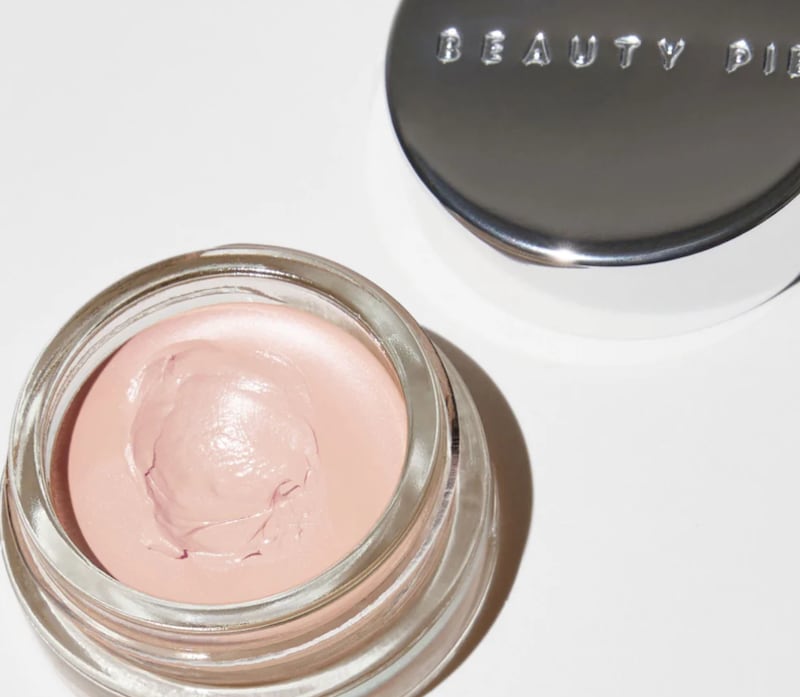
Mcobeauty is not the first to take dupes to the next level; brands like Beauty Pie, Timeless Skin Care and E.l.f. Beauty are executing similar strategies, marketing their products as sharing manufacturing with luxury labels, snapping up or replicating old patents and discontinued formulas. Popularity via duping also becomes a springboard for further innovation: both E.l.f. and Mco have introduced original bestsellers, such as the latter brand’s XtendLash tubing mascara.
The saga of the All Dayer — dramatised into a promotional video that will launch alongside the setting spray on Youtube — shows that as consumers are becoming increasingly receptive to dupes, brands are becoming increasingly brazen.
“It’s a culture that is evolving around the changing needs of the consumer, and the changing systems around how the industry operates,” said Lisa Payne, head of beauty at trends agency Stylus. “Consumers are much more concerned, especially when it comes to makeup, about what works well and does the job versus where it comes from.”
In January 2025, Charlotte Tilbury spoke with The Business of Beauty about her campaign against dupes of her products. “When you dupe, you dupe the customer,” she said then. Tilbury has continued her crusade since, reiterating her comments as recently as this July in an interview with the BBC’s Business Daily.
But today’s beauty consumer isn’t so easily tricked. “Five to 10 years ago, consumers were unaware of patents, of how and where products were formulated. But the industry’s changed massively,” said Payne.
It’s knowledge that members service Beauty Pie has leveraged since its inception in 2016, explained founder Marcia Kilgore, with a model that challenged the understood idea of a dupe. “The [factories] themselves have to sell it to many, many, many brands in order to amortise their costs. They will slightly change each ingredient list, but not so much that it would cause a stability issue,” she said. In other words, Beauty Pie hasn’t duped premium labels who have similar formulas: the factory simply sold both brands almost the same thing.
ADVERTISEMENT
Other methods of superduping are, undeniably, more audacious. When the patent on Skinceutical’s hero vitamin C serum, C E Ferulic ($185), expired in March 2025, E.l.f. Beauty raced to create a remarkably similar version — down to the product’s scent — for $16. Prior to this, Timeless Skin Care had also made a similar version of the serum, though tweaking the vitamin C concentration and pH balance to avoid legal action.
Michelle Kluz, chief executive officer of Mcobeauty, appointed in May, also believes that the idea of a dupe is evolving. All Dayer marks the beginning of a new era for the brand, called Dupe 2.0, which will see elevated “superdupes” that range from bringing back discontinued formulas, utilising AI, Reddit and consumer feedback to improve upon bestselling formulas, using the same manufacturers as more premium brands and investing more into third-party testing.
“For us, it’s not just enough to do a perfect dupe for every launch,” said Kluz. “Duping 2.0 is us taking something that’s already beloved, and thinking about how to make it even better.”
For All Nighter, this improvement was as simple as reframing the product’s appeal for a new generation of consumers. “All Nighter was the icon of the Millennial, and actually, Gen Zer isn’t doing an all-nighter,” said Stocks. “The day is now the most taxing moment on your makeup, so it felt like a really nice moment to fit it to how consumers are using this product today.”
It could be a necessary one: in the setting spray category, dominant brands like Patrick Starrr’s One/size and Charlotte Tilbury have pushed Urban Decay to fifth place in terms of sales, per YipitData, down from its number one peak up until 2023.
Still, the hundreds and thousands of comments of dissent on both Urban Decay and Skindinavia’s breakup posts prove that All Nighter fans are legion. The brand is banking on them falling in love with All Dayer.
Sign up to The Business of Beauty newsletter, your complimentary, must-read source for the day’s most important beauty and wellness news and analysis.
The Australian makeup label has become the number one beauty brand in its native country, and is growing abroad, thanks to the popularity of its lower-priced alternatives to products from Estée Lauder, Dior and more.
Influencers know their audiences want dupes. Fashion brands hate when they share them. It’s created a new tension that speaks to the shifting dynamics in the creator economy today.
I give you a little bit of everything this week — Glossier’s fewer, better merchandising strategy, MCo’s global domination tour, P&G and Church & Dwight’s portfolio review plans and Ju Rhyu’s new mega-role.

Rachael Griffiths is a Senior Editorial Associate at The Business of Beauty. She is based between St Helens and London, and covers beauty, wellness and industry news.
Loading recommended reads…
This week, Europe’s leading luxury groups LVMH, Kering, Hermès and Prada will show who’s pulling ahead in the stubbornly choppy environment.
Sales of gems, precious metals and artwork at Japan’s department stores climbed 19 percent in the first half of 2026 from a year earlier to $2 billion.
Though Adidas dressed both teams in the World Cup finals, the global football tournament still presented some bright spots for Nike, writes Bloomberg’s Andrea Felsted.
From our archive, the creator and host of award-winning podcast “Articles of Interest” joins BoF founder, CEO and editor-in-chief Imran Amed to explore what clothing can reveal about identity, culture, labour and the world around us.