Agenda-setting intelligence, analysis and advice for the global fashion community.
Agenda-setting intelligence, analysis and advice for the global fashion community.



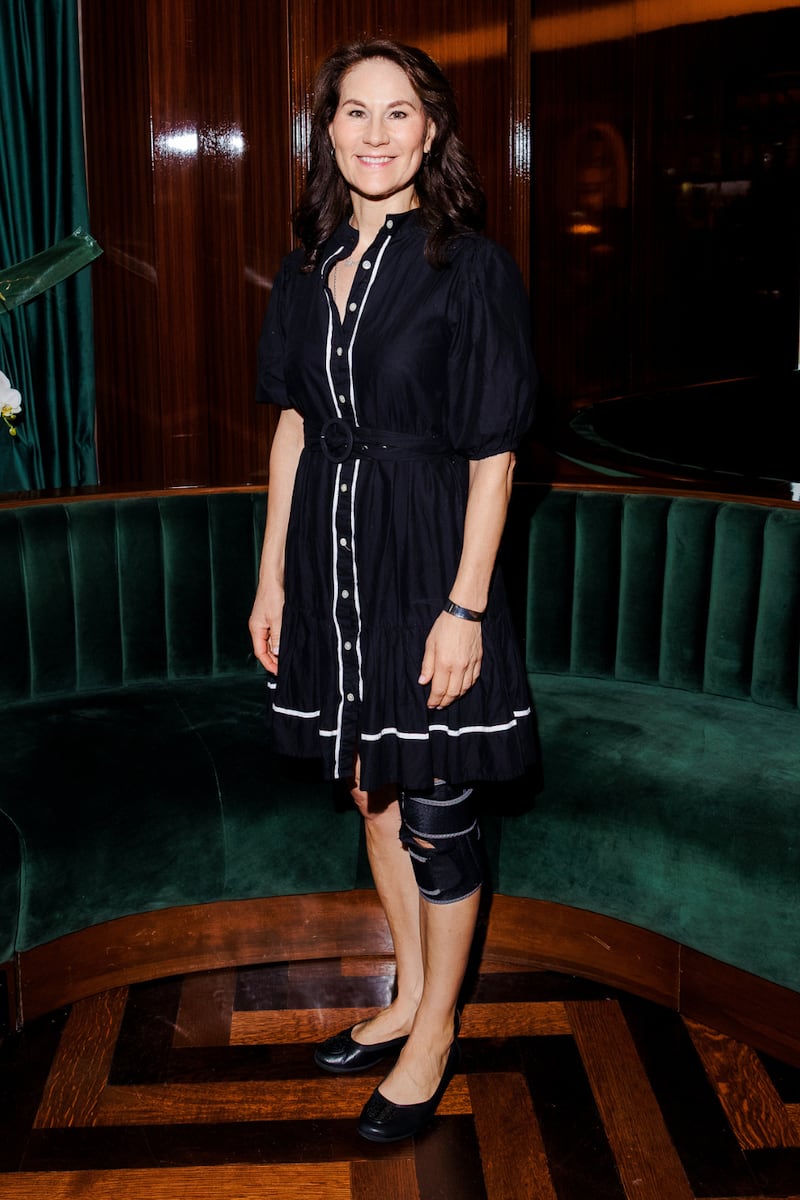
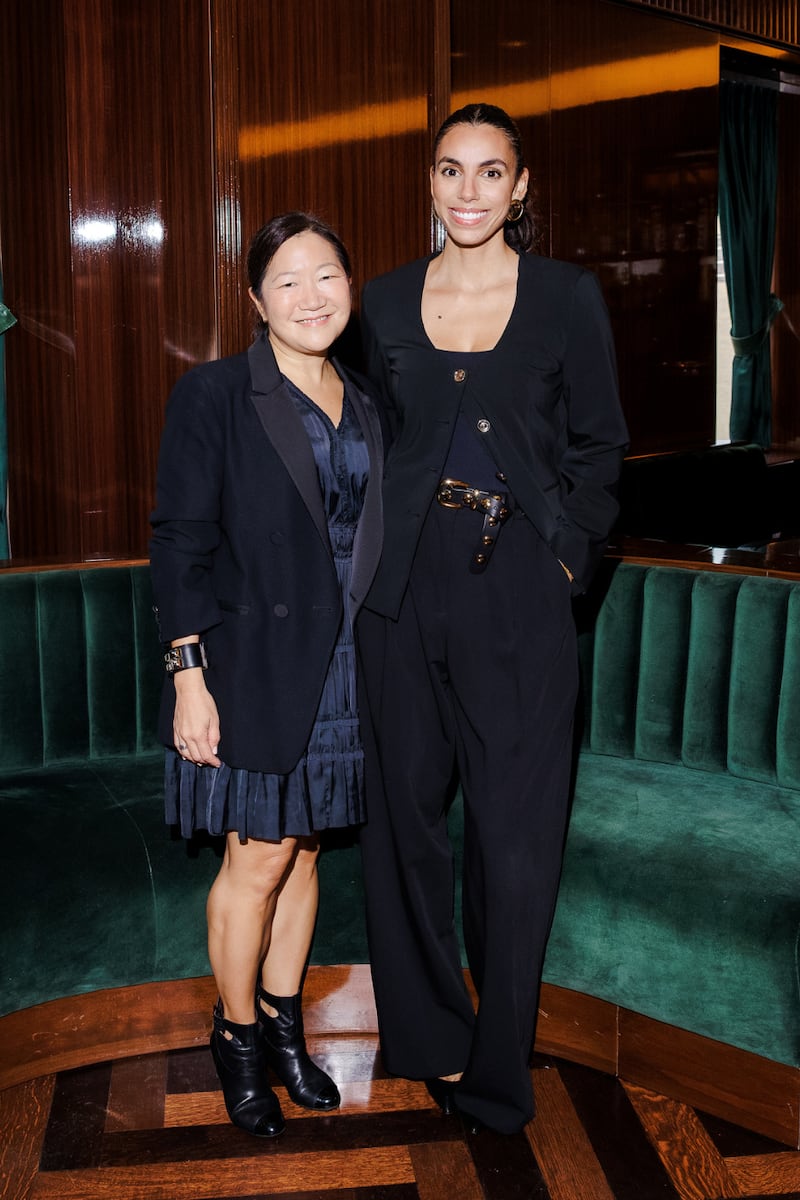
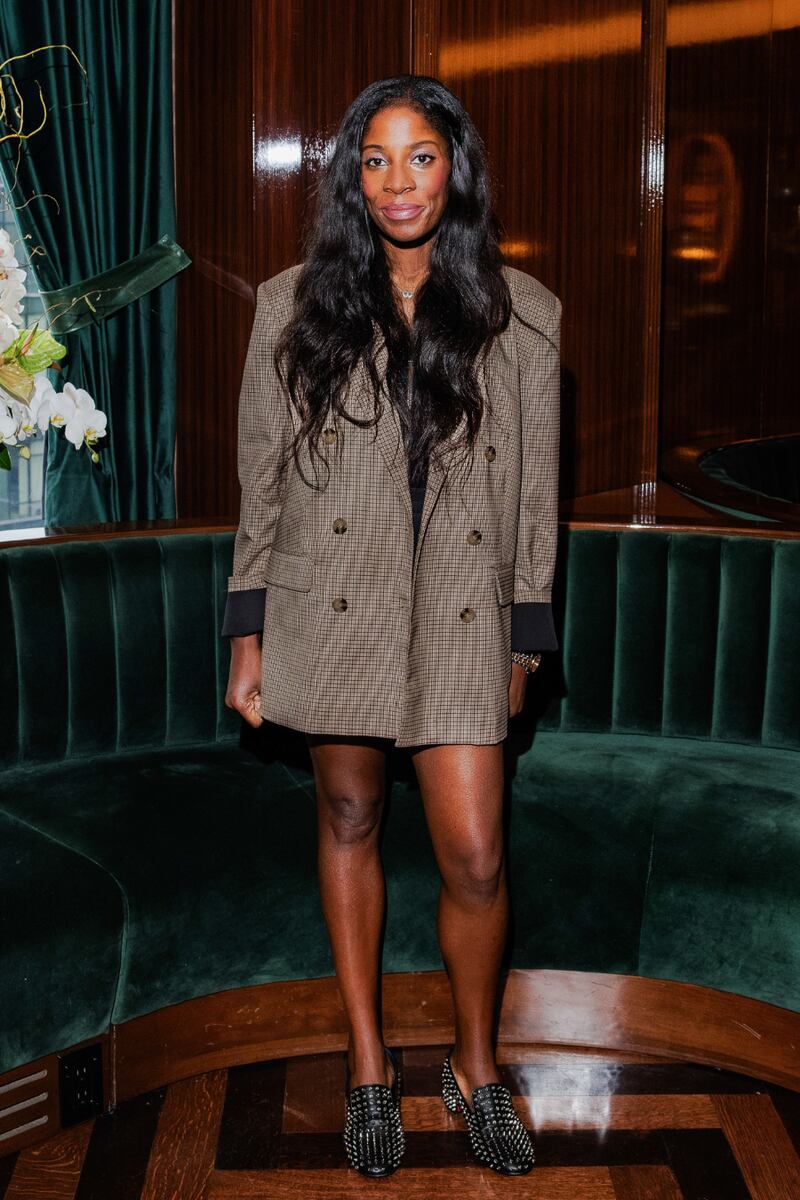
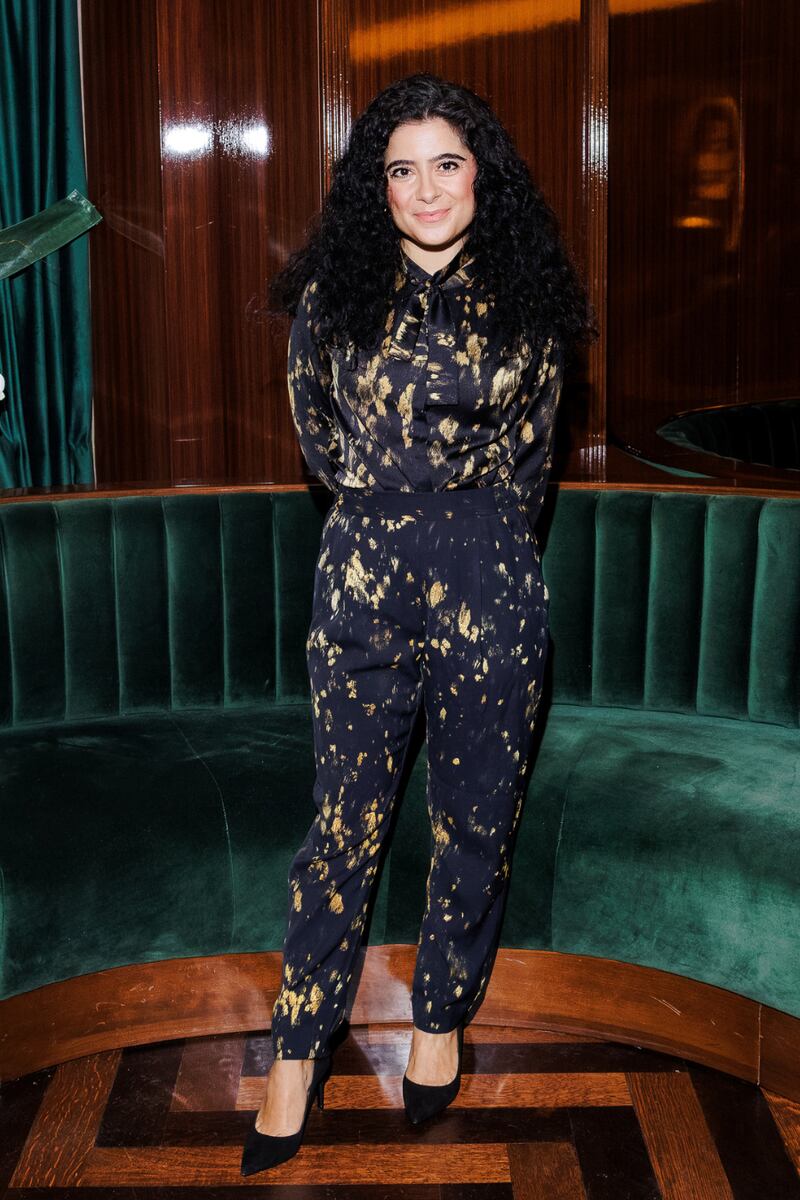
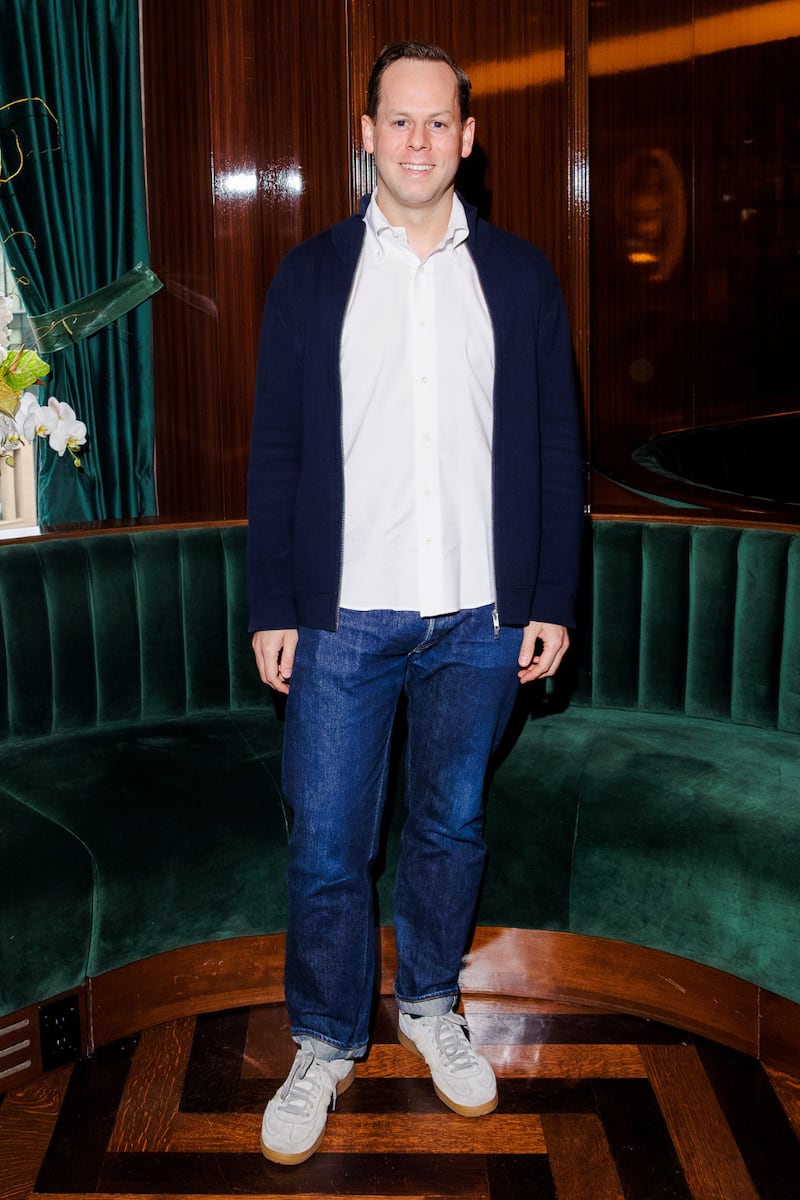
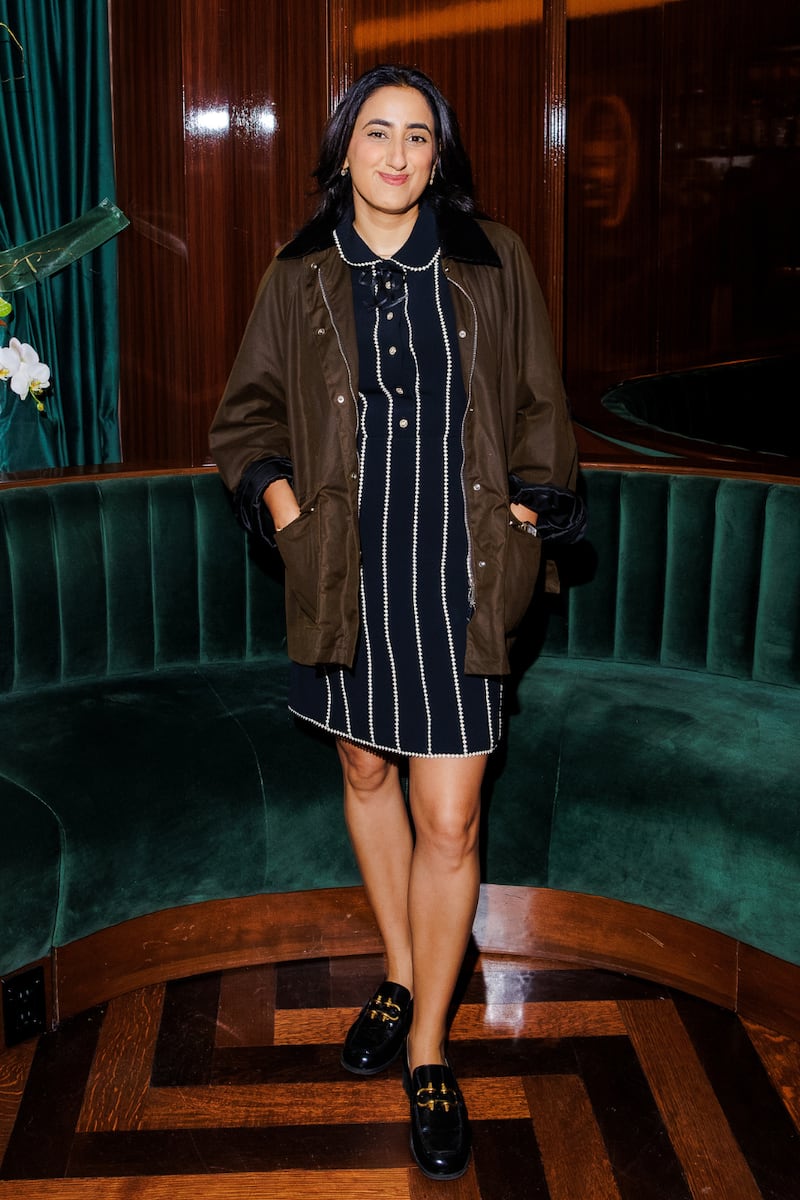
NEW YORK — On September 22, The Business of Beauty and global commerce accelerator Front Row convened beauty founders, executives and investors at Kith Ivy in New York for a leadership breakfast held under Chatham House Rule.
Front Row co-founder and chief revenue officer Christopher Skinner, together with BoF content strategist Yasmine Dahlberg, led a conversation on how to build sustainable growth as distracted shoppers discover, evaluate and convert across more channels than ever. Joining them were leaders from brands such as Orveon, Revlon, Skinfix, Kulfi Beauty, Maude, Sulwhasoo and Be Now, as well as consumer investment firms Prelude Growth Partners and TSG Consumer Partners.
Beauty remains a growth market — but that growth is becoming increasingly uneven. US prestige beauty sales rose 7 percent to $17.1 billion in the first half of 2026, according to Circana, with gains concentrated among digitally native brands that innovate fast and market sharply. Meanwhile, many legacy lines are struggling to cut through as shoppers spread spending across an ever-increasing host of platforms — expecting brands to show up on each one.
Where shoppers buy is shifting just as fast. Amazon has overtaken Walmart as the largest US beauty retailer, according to Circana, and TikTok Shop is now the fourth-largest US health and beauty e-commerce retailer, according to NIQ — with more than $4.4 billion in sales last year. Even Sephora, long a primary gateway to prestige discovery, opened a storefront on TikTok Shop in September, and is piloting an app in ChatGPT that uses beauty customer profiles to personalise product advice. For brands, that means being legible to customers and to the algorithms determining which products they see first.
A recurring theme that ran throughout the discussion was how growth depends less on how many channels a brand invests in, than on how clearly and consistently it shows up across each one — for shoppers and algorithms alike.
“Consistency builds trust,” said Skinner. “When a customer discovers a product in one place, then goes to validate it somewhere else and the experience doesn’t match, that trust starts to fracture.”
Below, BoF shares anonymised insights from the discussion.
Shoppers notice when a brand looks and sounds different from one channel to the next. As content volume grows, consistency can no longer sit with one person or team — but must be embedded across the entire organisation through a collaborative structure. “A couple of years ago, it would have been possible for one person to own tone and feel everywhere – across social, DTC and TikTok Shop,” said one executive. “Now there’s so much content that everyone has to be a steward of the brand identity, even if you work in sales or trade marketing. Everyone needs to know the guidelines and the vision for how the brand shows up.”
That often means breaking down internal siloes. “Internally, teams are broken out by Amazon, Sephora and DTC, and they almost compete,” said Rina Yashayeva, senior vice president of brand strategy at Front Row. “But the consumer doesn’t think that way.”
Shared stewardship works best when someone is still accountable for the result. “When someone owns the outcome, teams are far better able to work together,” said Skinner. “Otherwise, social, brand and digital each produce their own content, and the brand ends up putting out five or 10 different versions of the same message.”
Consistency is also what gives shoppers a reason to come back. “People buy a connection to a brand,” said one executive. “Viral moments can be very fleeting, so you want customers to come back to a brand that has consistent values and content – and a world they want to be part of.”
0 of 11
The pressure to produce more content is constant, but more assets don’t necessarily mean better results. Guests said the brands getting the most from their content test it rigorously and are willing to repeat what works.
Faced with more channels to fill, many brands respond by producing more. Skinner cautioned against measuring content that way. “A lot of brands get stuck thinking optimised content is about scale,” he said. “The more valuable thing is deepening engagement on the assets you already have by optimising them for their environment. The best content has as much input as it has output.”
In practice, that means testing content variations side-by-side, tracking performance from click-through to add-to-cart and sale, and feeding the results into the next brief. Sometimes the answer is less variety, not more.
“Media teams often talk about asset fatigue and needing more diverse creative,” said one executive. “But there’s something to be said for the same image over and over again. We don’t talk about frequency enough.”
Retailers continue to compete for new labels. Target’s new Beauty Studio — a curated prestige beauty destination launched earlier this month — is preparing to bring 90 brands into 600 stores, with 60 of those brands new to the retailer.
However, brands can underestimate the work and input required after entering a retailer’s ecosystem. “Many brands see the moment of distribution as the finish line, when really it’s the starting line,” said one guest.
“When brands enter a new retailer, that’s often the moment they realise they need more content,” said Front Row’s Yashayeva.
One executive, whose brand recently expanded into two major retailers, said both partners asked for community and in-store content the brand had never made. “We’re tapping into real people who live in these places to create content in-store, so it feels authentic — not just a visual story that we’re there,” they said.

Shoppers increasingly search by need, ingredient or concern rather than by brand. Brands that build content around those queries are therefore easier for them to find.
“Roughly 90 percent of beauty searches on Amazon are non-branded [NIQ]. They’re about the category or the ingredient,” said Yashayeva. “We have two customers: the end consumer and the algorithm, and both are equally important. It used to be about stuffing in as many keywords as possible. Now it’s about relevance: who a product is for and when and how it’s used. And titles on Amazon have just gone from 200 characters to 75, so you have to say everything in far less space.”
A lot of brands get stuck thinking optimised content is about scale. The more valuable thing is deepening engagement on the assets you already have by optimising them for their environment. The best content has as much input as it has output.
— Christopher Skinner
Not every brand is comfortable with the shift. “Our brand stands for something, and that’s our messaging architecture,” said one executive. “But how customers find us can be very different. Now we’re producing content that isn’t what we want customers to know us for, but it’s how they find us.”
Some brands are redesigning around search behaviour entirely. “Customers are reading the ingredient lists on all of our boxes. As a result, we’ve redesigned our packaging around the keywords consumers are looking for, because that’s how they find us,” shared another attendee.
AI shopping tools are becoming a primary gateway to product discovery, while brands with unstructured or inconsistent product data are already losing visibility. For some executives in the room, that raised a concern that AI would simply reward the biggest names.
“It’s a crowded market, with the big names and then smaller brands,” said one executive. “If AI tools only recommend the top-three big names, that reduces opportunity and exposure for the entire market.”
Chris Murphy, senior vice president of marketplaces and partnerships at Front Row, argued the opposite — that AI search is democratising the path to growth. Unlike cost-per-click advertising, many AI shopping agents don’t favour scale, and AI overviews now appear on most beauty and wellness searches on Google. “If you know how to communicate in the right way, across reviews, blog posts, images and content, it can level the playing field,” he said.

AI search is quickly becoming a benchmark brands measure themselves against. “Twelve months ago, no one mentioned AI,” said one guest. “Now at least half of the brands I speak with discuss how they rank across AI search platforms, and these are often small brands.”
To see where a brand stands, Skinner suggested searching for a hero product the way a core customer would. The brands that show up reveal what content is winning and how consistently it appears across channels.
That consistency is what AI tools reward, since they are programmed to draw from all available online sources. “Customers discover on social media, research on an AI platform, test at Sephora and maybe convert on Amazon, and that’s okay,” said Yashayeva. “What matters is that they chose your brand, and that you showed up consistently at every touchpoint.”
This is a sponsored feature paid for by Front Row as part of a BoF partnership.
At The Business of Beauty Global Forum, Front Row’s chief revenue officer Christopher Skinner joined BoF’s Yasmine Dahlberg on stage to explore why the beauty brands pulling ahead treat marketplaces, retail, DTC and AI discovery as one system.
Executives from Kenvue, Olfactory NYC, Soshe Beauty, Weleda, Jane Iredale, YSE Beauty, Odele and more gathered at Sadelle’s in New York City to discuss what it means to build a commerce strategy that connects the dots between discovery, conversion and growth.
Loading recommended reads…
The move, which was facilitated by Jean Arnault, comes as Hublot undergoes a repositioning in a bid to reignite sales.
LVMH’s sales dropped in China while Luca de Meo clears out Kering’s creative ranks. Plus, Kim Jones' new venture.
In the third instalment of The BoF Podcast’s Ask Me Anything series, Imran Amed takes on listener questions about Gucci’s unresolved turnaround, why brand-measurement metrics deserve more scrutiny, and what AI can — and can’t — replace in fashion.
Vuori’s new womenswear edit features vintage denim, cashmere sweater tops and suave outerwear pieces, moving the brand beyond its activewear roots. We’re seeing this trend more and more across the fashion spectrum.