Agenda-setting intelligence, analysis and advice for the global fashion community.
Agenda-setting intelligence, analysis and advice for the global fashion community.

It wasn’t so long ago that Shiseido, Japan’s largest beauty company, announced plans to become the world’s foremost purveyor of skincare.
“The world’s largest skin beauty company” was how the company put it in February 2021, laying out a strategy to shore up its foundation in skincare. Shiseido divested makeup lines like Laura Mercier, Buxom and Bareminerals, and planned to increase premium skincare’s contribution of overall sales from 60 to 80 percent. The idea was to hone in on its core brands, including Shiseido, Clé de Peau, Anessa, Elixir and Drunk Elephant. Five years on, Shiseido and Clé de Peau continue to drive growth, but Chinese skincare line Aupres has been spun off and Drunk Elephant, stuck in a tween-induced funk, has lost shelf space at Sephora stores, according to a source. (Sephora did not return request for comment.)
“While we have made progress in building our foundation, our sales growth momentum remains insufficient,” said chief executive Kentaro Fujiwara on last week’s earnings call. “Achieving a strong turnaround in Americas and EMEA markets and revitalising underperforming brands is taking time.”
The company’s latest earnings, for the third quarter 2026, announced a return to profitability, thanks largely to cost cuts and restructures. While prestige sales accelerated in the US during the third quarter, Shiseido’s Americas performance was weighed down by “severe underperformance” for the skincare brands Drunk Elephant and Dr. Dennis Gross, chief financial officer Ayako Hirofuji said on last week’s earnings call.
ADVERTISEMENT
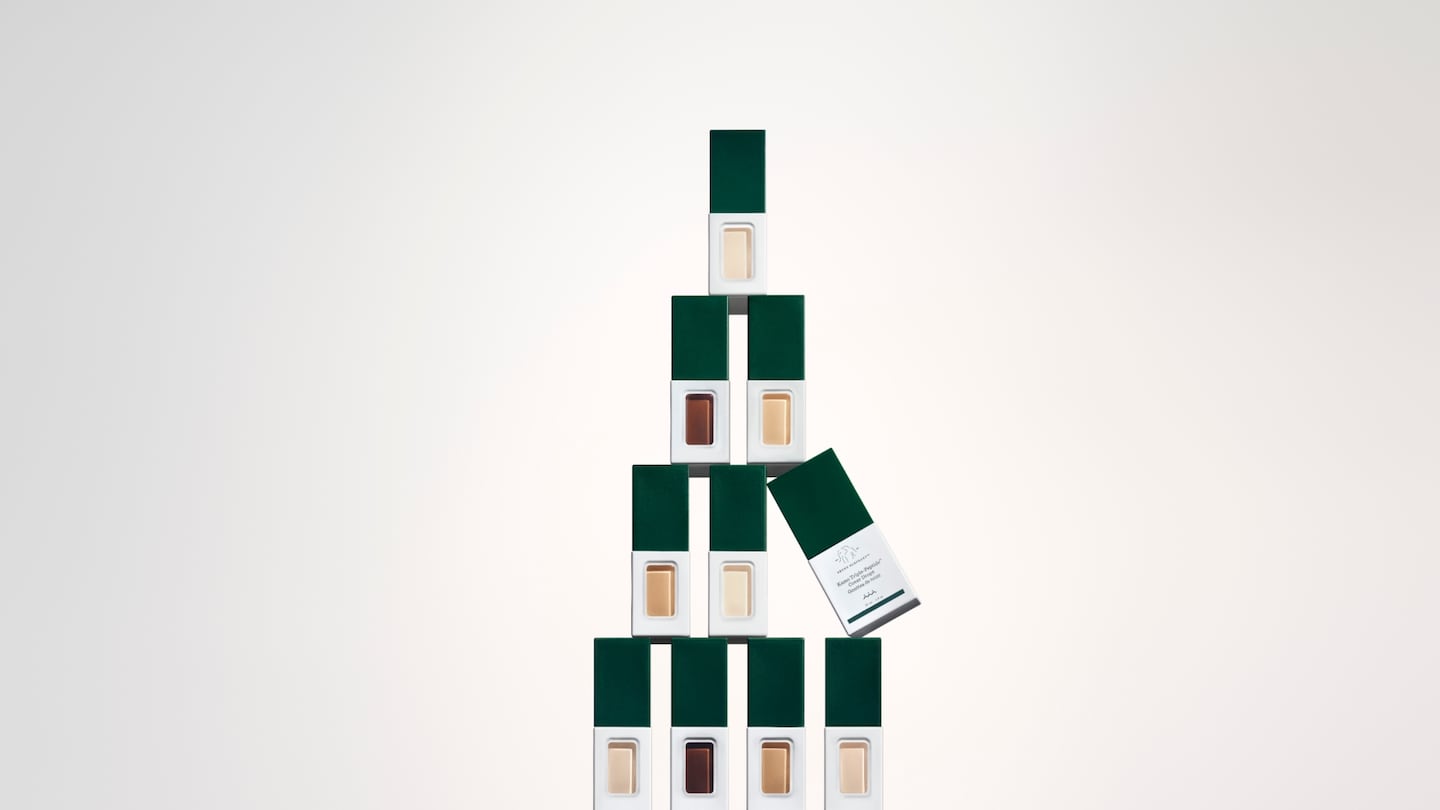
The former was disappointing, but not surprising: Drunk Elephant has been in the midst of a turnaround since being overrun by Sephora tweens and inadvertently alienating its core customer. At the beginning of 2026, it announced a new slogan — “Please enjoy responsibly” — and released its hybrid coverage product, Kamo Drops, in September. But this wasn’t enough to stem the losses from consumer defection: Global sales have dropped 16 percent year-to-date.
Dr. Dennis Gross, which has been around since the 1990s, has been a more nuanced story. The brand, acquired in 2024 for $450 million, has been caught up in Shiseido’s worldwide restructure, and shares leadership with Drunk Elephant — veteran beauty executive Barbara Calcagni, who ascended to the role of president, global brands from Nars in 2025 and now oversees all three brands. As one of a handful of doctor-backed lines stocked at Sephoras around the world, the brand has strong institutional support, and a cult following for its hero acid-soaked peel pads. The line was early to launch an LED mask, but is now surrounded by models from Omnilux and Currentbody that win on price. And its best-selling peels have lost share of the category to entrants like Summer Fridays, Yise Beauty or K-beauty brand Celiamax. Sales have fallen 10 percent over the past year.
Part of these declines have to do with slow brick-and-mortar traffic. Sales in physical retail channels declined in the high single digits for Shiseido Americas both in the third quarter and in the first nine months of the year. Both Drunk Elephant and Dr. Dennis Gross have been slower than their peers in embracing e-commerce. The former opened an Amazon storefront in 2025; neither have yet launched on TikTok Shop.
The company said in its latest earnings that Shiseido overall was ramping up marketing spend on creator-led social media and digital advertising campaigns to fuel e-commerce growth. “As we move into the holiday season, we are encouraged by early signs of improvement and are accelerating activities to return both brands to growth,” a Shiseido spokesperson added.
What is more perplexing about these declines is that Shiseido has nothing if not skincare authority. With the exception of L’Oréal, no other global beauty conglomerate spends more on skin research and development. Drunk Elephant and Dr. Dennis Gross are stocked at the world’s most influential retailers — Sephoras around the world, Mecca in Australia and Space NK in the UK.
Yet covetability remains evasive. Shiseido’s global turnaround, focused on the recovery of its profit margins, hinges on the US, which in turn hinges on Drunk Elephant and Dr. Dennis Gross. Skincare from Shiseido and Clé de Peau continue to drive growth globally, despite headwinds, especially for their most luxurious, high-tech launches.
“The issue for them has been the US and Europe, which have been either loss-making or barely making any money and [are at a] much lower margin than Japan, China and travel retail,” said Jun Kato, an analyst at CLSA based in Tokyo. Kato began covering the company this year; when he joined, he downgraded the stock from outperform to neutral.
Shiseido’s recent trajectory, from its 2018 stock price peak to its decline throughout the pandemic, has been dragged down considerably by Drunk Elephant.
ADVERTISEMENT
In a pre-Sephora tween age, Drunk Elephant was a revelation: Products that were efficacious, with high doses of vitamin C or exfoliating acids, offered with more accessible pricing and fun branding. It seemed like the future of skincare. It was also a name brand in the US, and a no-brainer for Shiseido’s growth in the market. But the line was adored, then deserted by young consumers, while others traded up to doctor-backed lines or more contemporary, mature offerings like Yise. Shiseido overpaid for the brand in 2020 for $845 million before writing their investment down last year by more than half, pushing the company into a brief period of unprofitability.
This year, sales grew 3 percent in the US, but these gains have mostly been driven by Clé de Peau and Nars — the former from shoppers trading up, the latter from innovative new launches. While the conglomerate plans to invest more in key retail partnerships and digital marketing for its US brands — building on Protini and Kamo Drops for Drunk Elephant, and emphasizing peels and LED for Dr. Dennis Gross, according to the spokesperson — they could also stand to receive more of the cutting-edge skincare technology Shiseido is known for. (For what its worth, the influential beauty vlogger Tati Westbrook recently said the Kamo Drops “might be a new favorite foundation.”)
Acquisitions have been difficult for Shiseido, and even more so as the company pursues a global strategy over local outposts. That hasn’t been the case for all Japanese companies, Kato pointed out: Tarte, the US makeup line acquired by Kosé, now contributes between 20 and 30 percent of its parent company’s profit. Tarte does exceedingly well on TikTok, where it was an early adopter.
But as its cost-cutting measures come to an end, Shiseido will need to reignite desirability for its US brands to see meaningful growth.
“When they see just a little bit of revenue growth, the operating leverage is huge,” said Kato. “But just improving margins without revenue growth is not as interesting as the market wants to see.”
Sign up to The Business of Beauty newsletter, your complimentary, must-read source for the day’s most important beauty and wellness news and analysis.
The Japanese conglomerate has taken a conservative approach to expanding its perfume portfolio against a greater boom where global competitors supercharge their efforts.
Shiseido Co. said it expects to return to operating profit this year after posting its first loss in decades in 2025 due to a writedown of the Drunk Elephant brand.

Brennan Kilbane is News and Features Editor at The Business of Beauty. He is based in London, and supports BoF’s coverage of the multifaceted cosmetics industry, from fine fragrance to wellness trends.
Loading recommended reads…
The Korean firm has agreed to acquire a majority stake in Brand501, the parent company of the TikTok-favourite skincare label.
The Spanish cosmetics giant announced it will acquire 75 percent of Artessence Group, the holding company of the niche perfume labels.
In their seasonal conversation on The BoF Podcast, Imran Amed, Bernstein’s Luca Solca and System’s Jonathan Wingfield get into why Chanel keeps gathering momentum, whether Kering’s bet on centralising manufacturing can pay off and what Dario Vitale could bring to Armani.
The collapse of UN climate talks and renewed wage protests in Bangladesh this week underscore the scale of fashion’s environmental and social challenges. Beneath the headlines, however, there are some pockets of progress.