Agenda-setting intelligence, analysis and advice for the global fashion community.
Agenda-setting intelligence, analysis and advice for the global fashion community.

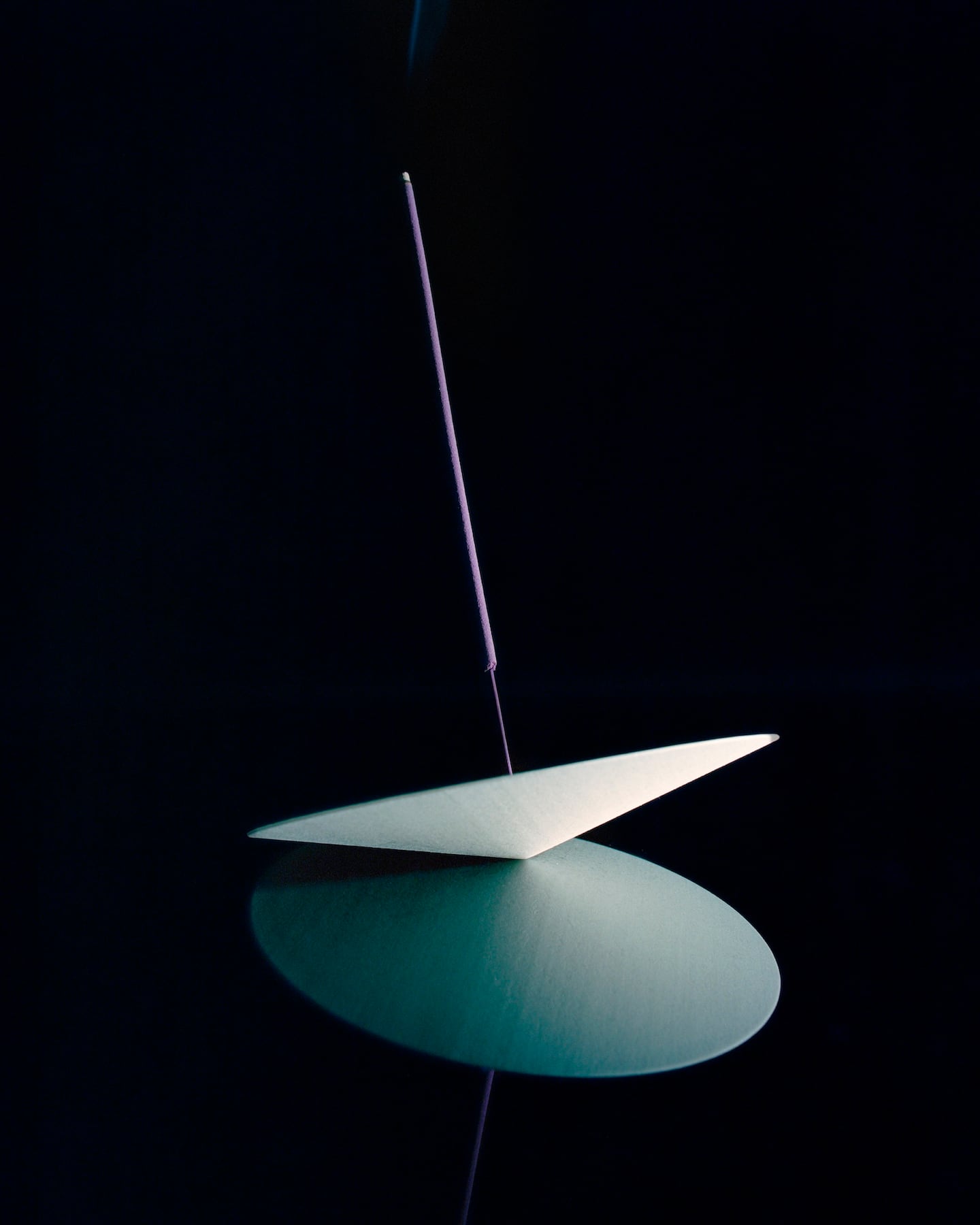
The last time incense had a true “fashion moment,” it was John Galliano’s fault. At Dior’s haute couture show in 2000, the designer sent a hot priest down the catwalk swinging a thurible full of incense that smoked out the front row with a thick white haze. Since then, incense sticks have mostly burned through yoga studios, spa treatment rooms and the occasional Notting Hill dinner party attended by fading rock stars and dubious “jewellery designers.”
But now, in 2026, there is a confluence of incense-adjacent online trends: The rise of “Etsy Witches” who cast spells-for-hire on e-commerce platforms; a surge in #witchtok content on TikTok that merges goth and romantic aesthetics; fashion-forward movies like the new Forbidden Fruits, which premiered in March and casts Gen-Z superstars like Lola Tung and Emma Chamberlain as unskilled sorceresses. Suddenly, the use of incense is smoking hot. Google Trends reports a 20 percent rise in US searches for the term, year-over-year, with ancillary phrases like “best incense” spiking 50 percent.
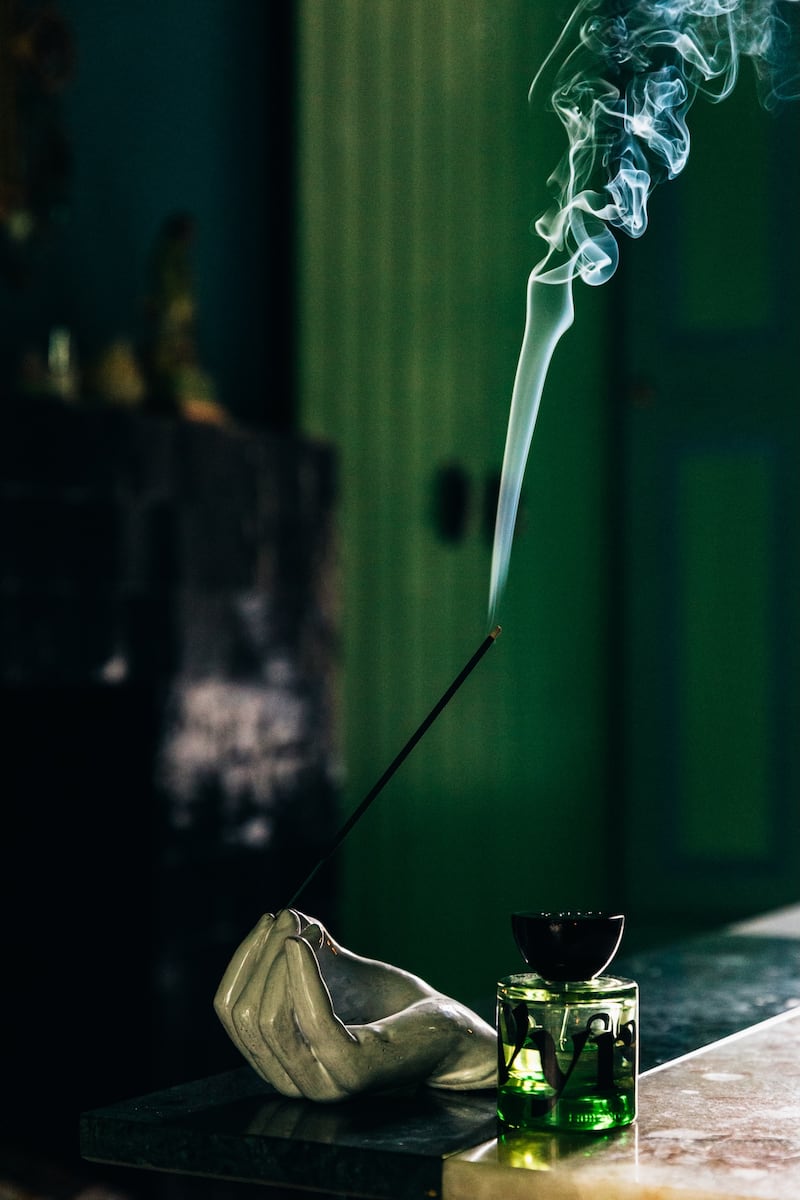
Luxury perfume labels and enterprising fashion lines are landing on incense as the hot new fragrance format — something that can feel more meaningful to customers, especially in the wake of scented candles’ gifting backlash online (and on “Saturday Night Live”). Incense is also more replenishable and often much cheaper to manufacture, and unlike a scented candle, its vessel can be sold separately. (Staud recently released one for $275, about the same price as its miniskirts.) Crucially, because of its cinematic and visible smoke trail, incense is also easier to film and share on TikTok.
“We cannot keep our incense in stock,” said Vyrao founder Yasmin Sewell, whose $60 packs of 30 bamboo-core incense sticks are not only a top seller but also an acquisition tool for her brand at Violet Grey. Incense is also making headway at FWRD, the luxury e-commerce site owned by the Revolve Group, which counts $45 scented incense from the Korean brand Borntostandout (“a sexy and delicious blend of red berries and boozy cognac”) as one of its most popular fragrance offerings, outselling Flamingo Estate’s tomato-scented room spray and Diptyque’s famous Baies candle, according to the site’s own metrics.
ADVERTISEMENT
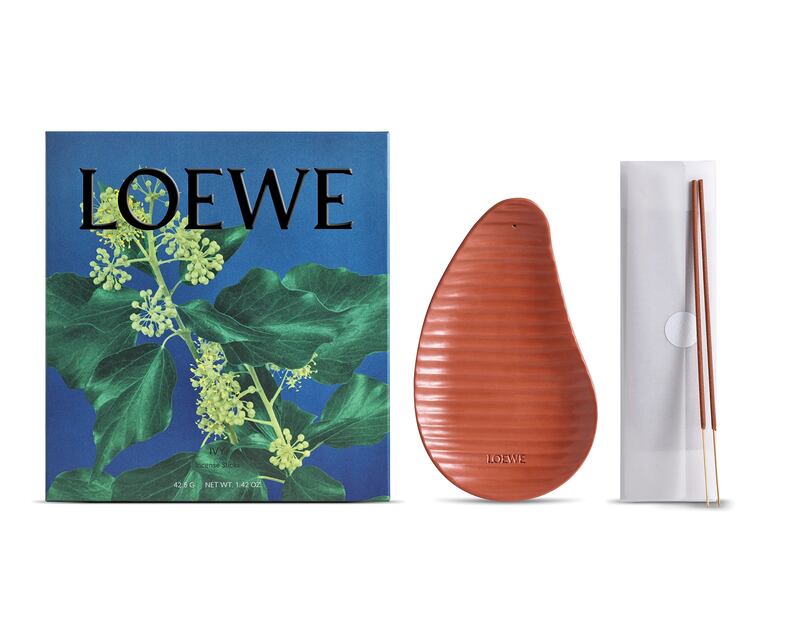
Fashion has embraced incense as part of its world-building, too. In 2023, Loewe added the category into its home fragrance collection; today, its tomato leaves and ivy incense sticks are objects of “total fascination” at Neiman Marcus, according to a sales floor employee. In February, Ulla Johnson’s show notes teased the arrival of a fragrance line landing later this spring with eau de parfums, candles and incense — with an incense holder already for sale on its website.
The jewellery label Foundrae skipped the EDP entirely, launching a $125 incense box with a compass-shaped hand-stamped holder as “a point of sharing,” said creative director Beth Hutchens. “People know us as a jewellery brand, obviously, but this leads them to some interesting rabbit holes about living and mindfulness.”
There has always been a strong demand for incense in countries like India and China, where the resin-coated sticks are used in cultural and religious rituals with near-daily frequency. Saying “incense is hot” is a little like saying “rice is having a moment” — staples are not trends. Incense can be purchased nearly anywhere at vanishingly low cost, but these luxury purveyors tend to hone in on a few suppliers in Japan, lending craftsmanship to their value proposition. It takes some marketing, and some magical thinking, to sell $125 worth of smoke and ash.
The first known use of incense was in Sudan circa 3300 BC; it also has documented religious and royal ceremonial uses in Ancient Babylonia, China, Egypt, Greece, India and Indigenous communities in North America. “For hundreds of years, incense has been used for rituals and healing and shifting mood and vibration,” said Sewell, who released Vyrao’s incense sticks six months after launching her functional fragrance brand.
These rituals, it seems, translate perfectly to social media. A coil of smoke can evoke a spellbinding bit of magic even through a screen, said Asia Grant, a fragrance consultant and influencer and the founder of Scent Social Club, which leads olfactory tours of indie perfume hubs in downtown New York. “You see these very beautiful, very intriguing people setting intentions on social media, holding these ceremonies or rituals, using incense as a way of marking their intentions or their space,” she said.
Over the past thousands of years, the fragrant stick hasn’t changed that much. The versions made by Vyrao and Loewe still combines combustible materials like wood with a binding substance such as a tree sap or gum, and fuel like charcoal or sodium nitrate — but they do it with fine fragrance oils and organic bamboo cores that reference both the “clean” beauty movement and the rush to secure rarified premium scent ingredients during a new fragrance arms race. Sewell said her incense is also engineered to have a “slow burn” ensuring her scents distribute across a space evenly, and linger a bit longer, than many scented candles.
The category itself is also a slow burn. Sewell said that although Vyrao’s incense drives “a ton of brand discovery” online and in retail spaces, its revenue is dwarfed by the brand’s traditional eau de parfums. Still, she said, “every stick of incense we make, we sell. There is no leftover inventory.” Incense is a growing chunk of the $20 billion global home fragrance market, and represents a potential sales win for fashion and beauty brands investing in “world-building” through both scent and home extensions.
“We think of it as a hippie thing, a relic of the 1960s,” said Sarah Swartz Wessel, the Tennen Studio co-founder who has been making incense for clients for over a decade. “But it can be an incredibly complex way of creating or redefining your space through scent.”
ADVERTISEMENT
Swartz Wessel references the cultural traditions of Japan, where she first took note of incense as a mindfulness ritual as a teenager on an exchange program. The dramatic arcs of smoke that can come from an incense stick are a kind of ephemeral piece of design in themselves, but the sticks themselves are pure craft. Japanese manufacturers like Shoyeido and Nippon Kodo have become some of the most in-demand suppliers of incense, and help lend a sense of authenticity to the product.
Like Alaïa using Japanese denim or Chanel sourcing its wool from Scottish farms, the craftsmanship of these new incense ventures helps justify the premium prices — while also imbuing the sticks with an extended story of heritage and cultural legacy. Tennen sources its own products from a small family-run business out of Kyoto that has been hand-making incense for over 60 years. (Swartz Wessel preferred not to name them.) In June, Le Labo will launch its own incense, a first for the brand, which is also made in a family-owned Kyoto workshop.
“We’ve put so much time and effort into this, and then all of a sudden, all these people were trying to do what we’re doing,” said Swartz Wessel. “But this is a very special thing. Of course people in fashion and beauty are fascinated.”
Sign up to The Business of Beauty newsletter, your complimentary, must-read source for the day’s most important beauty and wellness news and analysis.
Want to dive deeper into an insight from this article? Check out The Brain of Fashion, BoF’s new generative AI tool where you can unlock BoF’s beauty archive with a single question.
As the candle category has boomed, the product now matters just as much as the branding around it — a sentiment reflected across beauty.
A burning question for the $4.1 billion industry.
From fast-growing pure players like Amouage and Byredo to top-end launches from luxury's biggest names, the world of niche fragrances is getting a whole lot bigger.
Faran Krentcil is a contributing writer at The Business of Fashion. She is a New York based writer, editor and lecturer with a focus on fashion and beauty.
Loading recommended reads…
Two small businesses, backed by the group that successfully sued over previous tariffs, say the new policy similarly exceeds the president’s authority to tax imports.
In the newly minted role, Nguyen will oversee entertainment, sports and brand partnerships, while continuing to lead Skims’ global communications.
Companies from luxury groups to high-street giants are rethinking what to do with unsold goods in the EU as its ban on destroying excess inventory takes effect. Critics say loopholes in the rules could cause problems.
L’Oréal Paris, Dior Beauty and Charlotte Tilbury topped the list as 296 beauty professionals and aspiring workers from across 53 countries tell BoF Careers where they dream of working — and what’s pulling them there.