Armani Open to More Than One Investor for Sale of 15% stake, CEO Says
The comments by chief executive Giuseppe Marsocci come as the brand reportedly considers the possibility of LVMH, L’Oreal and EssilorLuxottica sharing the stake.


This week, everyone will be talking about the digital haute couture and men's shows in Paris, the growing advertiser boycott of Facebook and Instagram and a second wave of retail layoffs. Get your BoF Professional Cheat Sheet.

Marketing to Chinese consumers in a time of crisis means that brands with tighter budgets need to consider new ways of leveraging Chinese influencers and celebrities.

BoF breaks down the system of pay gaps, racist exclusion and algorithms that keep black influencers from excelling — and what needs to happen to make it stop.
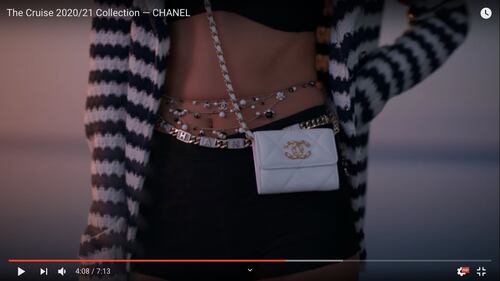
Even after physical shows return, many in the industry expect the use of digital communication tools will permanently shift the schedule, cadence and strategy of runway shows. Which platforms will emerge dominant?

Fashion influencers are seeing a plunge in brand deals during the pandemic. They must evolve their content and flex their creative skills or risk being left behind.

The platform’s fashion team, led by Vice President of Fashion Partnerships Eva Chen, released a guide for presenting collections digitally as brands grapple with how to translate the runway online. Will it give Instagram a leg up against hungry competitors?

With 560 million monthly active users and a host of new features like Xiaodian and Lvzhou, the social media giant is making a play for China’s lucrative e-commerce market.

Lockdowns and social distancing measures have made digital an urgent priority across the entire value chain but navigating the recovery will require sustained focus on scaling up and strengthening digital competencies, says The Business of Fashion and McKinsey’s Coronavirus Update to The State of Fashion 2020.

While consumers are confined to their homes, they are engaging with brands more than ever on the social media platform through real-time, live stream programming. But the point isn’t to sell products.

While other countries have experienced panic buying of essentials during lockdown, China has been debating whether a decadent shopping spree known as 'revenge buying' will be unleashed after the pandemic.

Influencers are getting more views than ever from self-isolating fans. But with Sephora stores shut down and fewer consumers in the mood to buy makeup, making money could be a struggle.

Consumers are feeling denial, anxiety, dread and hope. But even if they aren’t in the buying mood, brands can use this time to build deeper relationships.
The comments by chief executive Giuseppe Marsocci come as the brand reportedly considers the possibility of LVMH, L’Oreal and EssilorLuxottica sharing the stake.
A new space called The Situation will host exhibitions and residencies and provide resources to Black, queer and other under-represented creatives.
BOLD, the French conglomerate’s venture capital fund, will collaborate with retailer Nykaa to invest in the next generation of Indian beauty brands.
The European investor, which previously backed Medik8, has taken a 49 percent stake in the premium French nail line.
US tariff refunds drove an increase operating profit, even as the fast-fashion retailer has struggled to deliver consistent sales growth.
Under the plan, the world’s biggest luxury group will be controlled by one entity, Agache SCA, after Christian Dior SE, one of the current holding companies of LVMH, is delisted.
Dominic Platt, chief financial officer of the British sportswear retailer, told Reuters, ‘Much as there's a lot of talk about Nike, it's still the most popular brand out there and it's still a very strong brand.’
CEO Leena Nair pointed to the brand’s recent renovation of its Plaza 66 boutique in Shanghai, calling China ‘a market where the clients understand sophistication, refinement.’