Agenda-setting intelligence, analysis and advice for the global fashion community.
Agenda-setting intelligence, analysis and advice for the global fashion community.


Interviews and views on creativity and business in the world of luxury writ large — from fashion and watches to art, wellness, travel and more — from our chief luxury correspondent in Paris.
Subscribe to High Margin by Robert Williams: perspectives on creativity and business in the world of luxury.
On a flight to Paris last week, Pucci’s artistic director Camille Miceli was seated next to a young woman who spent the trip jumping between multiple Instagram accounts, her thumbs flicking at the screen at cheetah speed.
“The girl was scrolling so fast you couldn’t see the pictures. It reminded me of just how much you have to repeat yourself to get a message across in today’s world,” said Miceli. “You have to insist. It’s ‘brainwashing, brainwashing, brainwashing.’ Brainwashing women! Men maybe will come soon, but for now we’re brainwashing women with a very precise message.”
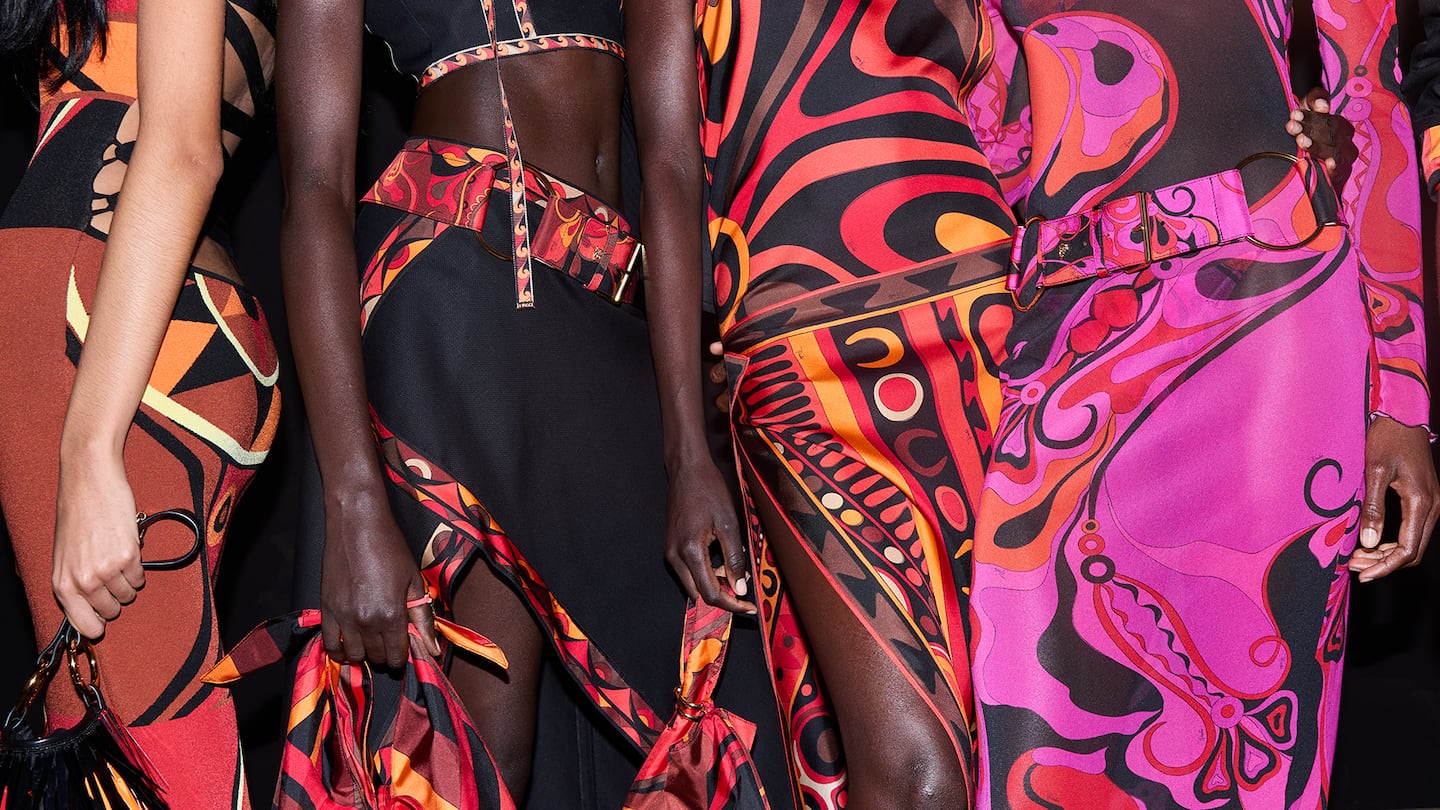
Since Miceli joined the Italian resortwear house in 2021, that message has been unmistakably clear: Pucci and its arsenal of swirling mid-century prints are a stand-in for fun in the sun.
ADVERTISEMENT
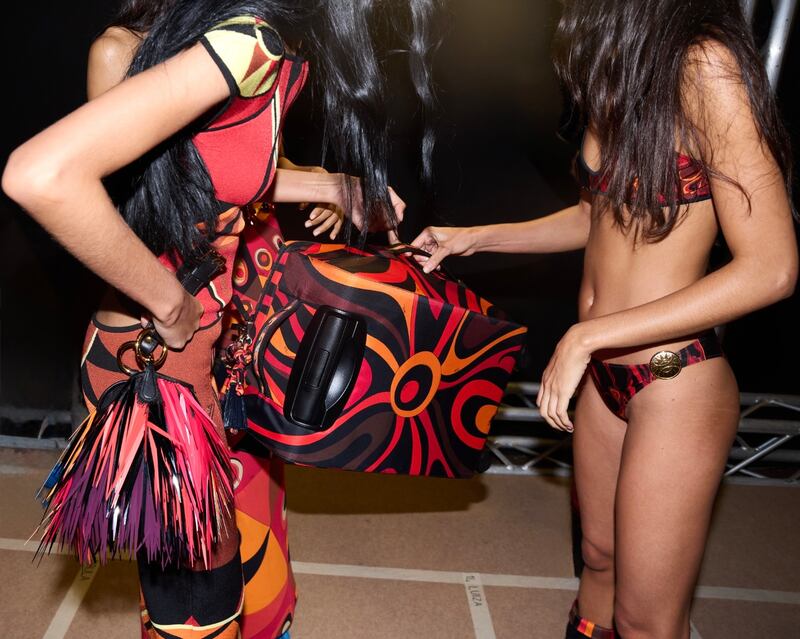
The brand’s signature item — the vibrant silk foulard — is emphasised throughout the silhouette as each collection incorporates scarf tops, scarf skirts, silk satchels and T-shirts adorned with silk twillies. Few of the designs are very complicated (bead-encrusted tunics that once typified the brand’s savoir-faire have been left to a bygone era) but neither are they terribly expensive compared to the wider luxury landscape. “I didn’t want to go into crazy territory with the prices. You can enter the brand with a €300 tattoo T-shirt or a €150 bikini bottom — it’s important to not just have one kind of customer," Miceli said.
Collections are staged once a year — usually in April, avoiding the fashion calendar to ensure a dedicated media moment. Immersive influencer and editor events accompany the runway shows set in seaside locations selected to drive home the brand’s dolce vita identity: Capri, Portofino, Siracusa. The collections are made available on a see-now-buy-now basis, allowing for instant gratification as temperatures start to pick up across the northern hemisphere.
The brand’s ultra-focused approach continues to gain traction, with Miceli’s legible, unabashedly commercial celebration of Pucci’s prints and jet-set identity sparking a revival for the brand after years of dwindling sales had led owner LVMH to cut its business down to the bone.
Twenty-five years into the French conglomerate’s ownership, Pucci remains one of LVMH’s smallest brands—likely its second-smallest fashion brand after the fledgling ready-to-wear startup Patou (the group doesn’t disclose brand-by-brand sales). Sales and visibility ramped up heading into the early 2010s — Pucci was a fixture on early seasons of “The Real Housewives of New York,” and revenues reportedly topped €100 million ($115 million) in 2012. But the brand’s stature faded as pastel-print fatigue set in, and LVMH’s playbook — rolling out flagship stores on luxury shopping avenues and spending big on runway collections in the hopes of recouping their investment through more bankable categories — failed to result in a hit handbag that could shore up profits. Eventually LVMH scrapped the creative director role from 2017 to 2021, and shuttered all but the most obvious store locations like Miami and Saint-Tropez.
The cuts created an opportunity to reintroduce the beloved brand, as former LVMH Fashion Group CEO Sidney Toledano saw potential for reviving the label in the hands of a trusted commercial designer. The lively, globe-trotting Miceli was a longtime muse and merchandiser in the LVMH ecosystem, having worked with John Galliano at Dior and Marc Jacobs and Nicolas Ghesquière at Louis Vuitton, where she ended up as creative director for the brand’s fashion accessories — a key driver of revenues.
As luxury shopping roared back in the wake of the coronavirus pandemic, Pucci became LVMH’s fastest-growing fashion label (albeit from a far smaller base than stablemates like Louis Vuitton, Celine and Dior). The brand resumed opening freestanding stores, adding locations in Qatar and Houston, and has emerged as a bastion of the resort season for retailers like Net-a-Porter and Mytheresa.
Even after the luxury market’s post-Covid boom ran out of steam, Pucci remained one of just a handful of brands (alongside Alaïa and Miu Miu) to defy the downturn without succumbing to the ambient beige that’s been driving the market. Understated brands that keep fashion at an arm’s length — like Loro Piana, Hermès and The Row — have become era-defining go-tos as customers snub more flamboyant labels.
Miceli has continued to run in the opposite direction, zooming in on Pucci’s unmistakable prints so they pop on the small screen, and dialling up the contrast as she reworks their colourways each season. (While flirting with pastel has been a necessary evil at a brand like Pucci, she prefers more saturated colours, like this season’s volcanic palette inspired by Mount Etna.)
ADVERTISEMENT
“You look at fashion today and it’s so much about discretion, about staying hidden — it’s a bit depressing. Then there’s us: full vitamin C, Berocca total,” Miceli said. “Our message is very different, very positive. It’s about gaiety and joy.”
Playful marketing stunts — a kickline of Pucci-clad bathers, Alex Consani savouring gelato from a Pucci ice cream truck, Amelia Gray making bawdy jokes about “her Pucci” — continue to drive home the point, fuelling momentum with Gen Z. Margo Robbie wore Pucci in her “Barbie” press tour, and the brand has dressed female rappers like Cardi B and Ice Spice.
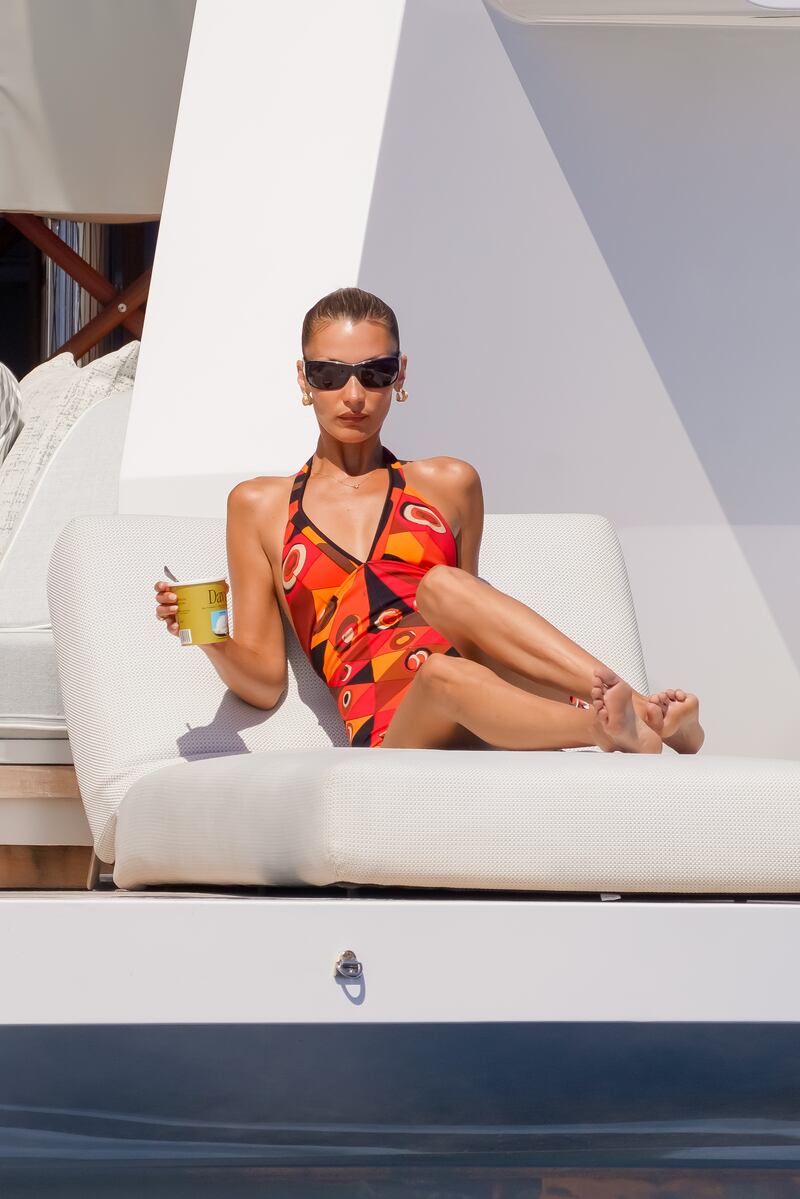
Signs point to 2026 being yet another “Pucci summer.” The brand was a fixture of this spring’s “dopamine dressing” discourse, pushing Google searches for Pucci to a 20-year high. Then there were the photos of Amal Clooney and Bella Hadid, both spotted in Saint Tropez wearing Pucci looks fresh off the runway in the days following Miceli’s May runway show in Siracusa.
“It’s been a couple of storming seasons. Pucci has always been a strong brand for us, but this spring is our biggest season ever,” Mytheresa’s chief buying officer Tiffany Hsu said.
The inevitable question becomes where Pucci can go from here. Despite the project’s considerable momentum, it remains a rounding error in LVMH’s €81 billion portfolio. The bigger the success, the bigger the eventual distraction should its fortunes reverse. Which could be one reason LVMH hasn’t slated any new store openings this year.
The group did not respond to requests for comment on its ambitions for the label.
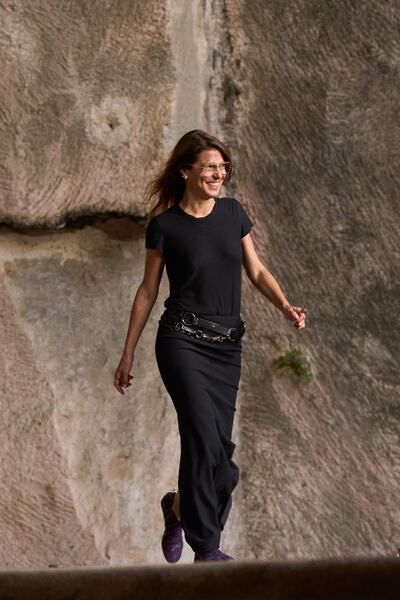
For her part, Miceli is focused on adding more depth and maturity to the collections — she tapped former Vogue Paris editor Emmanuelle Alt as a stylist this season, bringing in a dose of cool-girl French sophistication to temper the focus on bold, Insta-friendly Italianità. She’s also thinking about how to expand the brand’s range without diluting credibility. Recent shows have included Lurex, lamé and linen pieces featuring less vibrant prints — designed to be recognisably Pucci, and yet suitable for nights out in the city.
Pucci officewear may sound like a non-starter, but solid jersey pieces trimmed with touches of bold print could be the trick. (When I met Camille at her Paris studio last week, she was wearing a black T-shirt and scarf skirt, both with matching silk details in the current season’s volcanic hues.) She’d also like to extend the brand into homeware and design: Curating a stand for the prestigious Galerie 1900-2000 at a design fair in Switzerland this summer will be a first step.
ADVERTISEMENT
Pucci isn’t fundamentally meant to be a leather goods house, as Miceli sees it, but that hasn’t stopped her from experimenting.
She showed me a dark brown hobo bag with a braided leather strap, laser printed with a tonal Pucci swirl. Just a prototype, for now.
Loading recommended reads…
The Indian brand will hold a special event at the Florence show.
Phu Nhuan Jewelry JSC is moving away from its policy of repurchasing diamonds at nearly full value after a smuggling probe shook confidence in the diamond market.
Attendees of the first ever UK-edition of Sephora’s immersive event have taken to social media to voice their complaints after influencers experienced a more generous preview.
Galderma, Natura and L'Oréal are designing products for customers worried about facial sagging and volume loss, looking to capitalise on a new set of skin concerns.