Agenda-setting intelligence, analysis and advice for the global fashion community.
Agenda-setting intelligence, analysis and advice for the global fashion community.

Welcome to The Week Ahead, your guide to the coming week’s most important and interesting news and events. I’m BoF executive editor Brian Baskin.
President Donald Trump’s primetime address on Wednesday put to rest any hope for a quick resolution to the US and Israel’s war with Iran, let alone the resumption of oil flows through the Strait of Hormuz. The fashion industry is starting to contemplate what a protracted interruption to energy supplies could look like; Asics broke the ice last week when its CEO raised the possibility of price hikes if the situation doesn’t improve soon.
In this edition:
What’s happening: The US Bureau of Labor Statistics releases data for consumer prices for the month of March on Friday. Economists gave an average forecast for a year-on-year increase of 3.4 percent, which would represent the biggest jump in two years.
ADVERTISEMENT
Behind the numbers: It’s no mystery why prices are rising. War in the Middle East has sent energy prices soaring, with Brent crude, the international oil benchmark, hovering just under $110 a barrel on Friday, a roughly 60 percent increase since the conflict began.
Bracing for impact: Apparel retailers were slow to raise prices when tariffs similarly threatened to drive up costs. They were more worried about losing customers than passing along costs. (That turned out to be the right call, as many tariffs were lowered and eventually struck down by the US Supreme Court.)
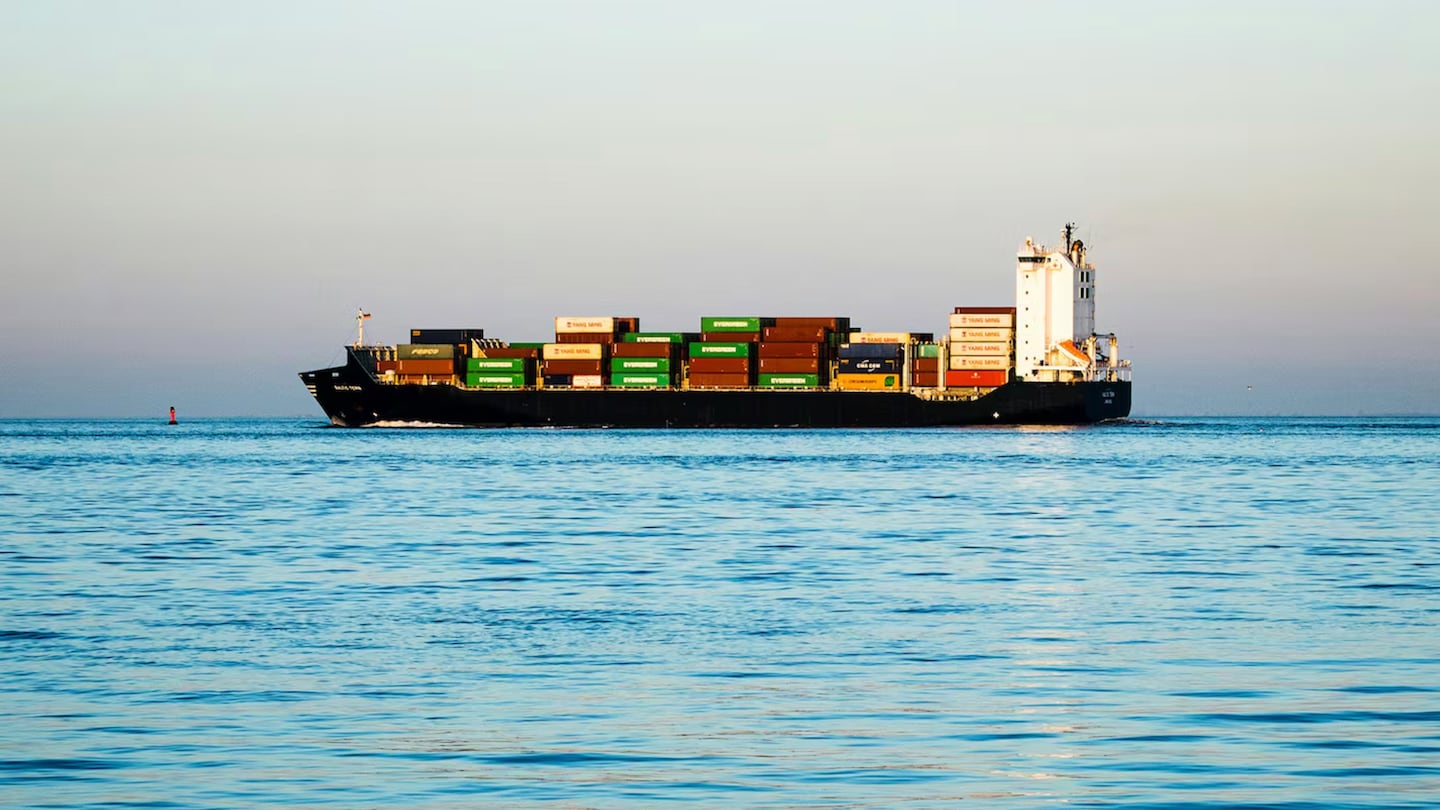
The energy crisis is different. An oil price spike is felt almost immediately. Prices for synthetic materials such as polyester and polyethylene, both derived from oil, closely track the price of crude. Cotton isn’t immune; fertiliser relies on energy supplies from the Middle East, too. Shipping rates are climbing as well.
The consumer perspective: To consumers, tariffs were abstract. It’s much harder to ignore the rising numbers on the enormous sign outside the petrol station. With no end in sight, it’s probably going to get worse for the fashion industry before it gets better.
What’s happening: Uniqlo owner Fast Retailing reports its second-quarter results on Thursday. The company is expected to post another period of strong growth and rising profits.
Behind the numbers: The Japanese apparel giant has been on a tear these last few years, recovering from boycott threats in China, its biggest international market, and opening new stores to fill in gaps across the US, Europe and India.
The Fast Retailing Formula: In a post-Shein world, the only way to succeed in fast fashion is to carve out a lane and stick to it. Uniqlo’s historic lane has been utilitarian basics at prices that telegraph good value without seeming cheap, allowing it to avoid the fast-fashion label entirely and appeal to more affluent shoppers in whatever market it enters. Designer partnerships help in this effort, with Christophe Lemaire, Jonathan Anderson and Clare Waight Keller lending their talents to apparel that doesn’t feel out of place with the brand’s core offerings.
It’s a resilient strategy that has allowed Uniqlo to weather everything from Trump’s tariffs to Chinese nationalism.
ADVERTISEMENT
What about the other brands: Efforts to replicate this approach with Fast Retailing’s other brands have been more uneven. GU, Uniqlo’s trendier, younger-skewing sister brand, entered the US in 2024 with a store in New York, but is very much still in the testing phase in America. Bringing former Marni creative director Francesco Risso on board signals big ambitions though.
The company has struggled to build excitement around Theory, acknowledging in January that sales are declining, particularly in the US. New marketing showcasing the brand’s New York roots and featuring “Severance” star Britt Lower aims to rectify that. We’ll find out if it worked on Thursday.
The Week Ahead wants to hear from you! Send tips, suggestions, complaints and compliments to brian.baskin@businessoffashion.com.
Loading recommended reads…
The retailer swung to a loss as sales slowed after the US removed the de minimis exemption on small packages and it incurred a hefty one-time accounting charge.
This week, Europe’s leading luxury groups LVMH, Kering, Hermès and Prada will show who’s pulling ahead in the stubbornly choppy environment.
Sales of gems, precious metals and artwork at Japan’s department stores climbed 19 percent in the first half of 2026 from a year earlier to $2 billion.
Though Adidas dressed both teams in the World Cup finals, the global football tournament still presented some bright spots for Nike, writes Bloomberg’s Andrea Felsted.