Agenda-setting intelligence, analysis and advice for the global fashion community.
Agenda-setting intelligence, analysis and advice for the global fashion community.
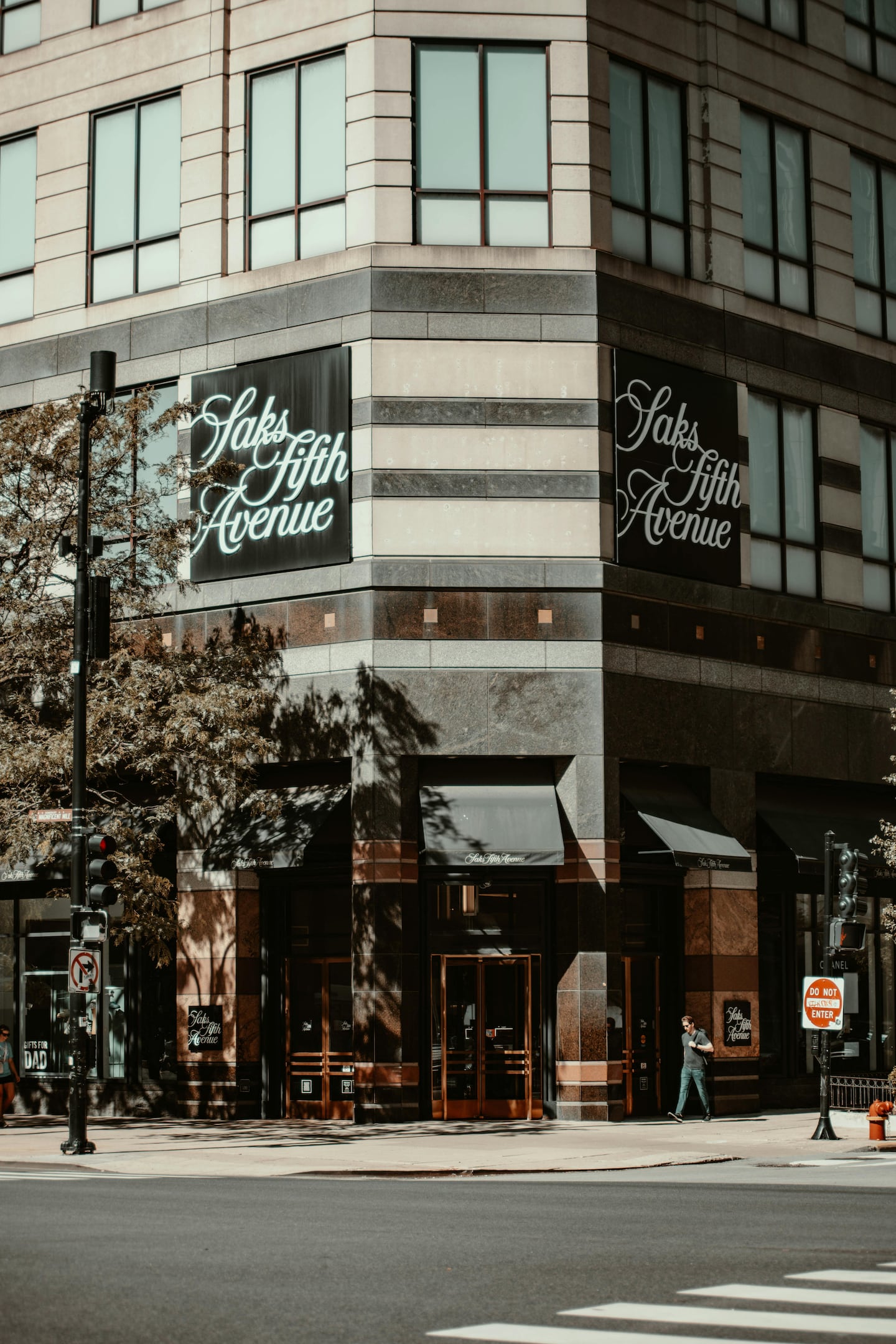
Saks Global’s transformation is near complete.
The parent company of Saks Fifth Avenue, Neiman Marcus and Bergdorf Goodman filed an initial plan for exiting Chapter 11, detailing the transition of ownership to its bankruptcy lenders and a significant culling of its retail footprint to focus on a core of 50 full-line luxury stores.
The document filed Sunday confirms that Saks Global will not be selling the Bergdorf Goodman entity, and that the Saks Fifth Avenue New York City flagship will also continue to operate as is.
The company announced last week that its lenders had agreed to this plan, committing to $500 million in exit financing when Saks formally emerges from bankruptcy in the summer. The plan is now subject to court approval.
ADVERTISEMENT
Saks Fifth Avenue used to be part of a sprawling retail empire led by Richard Baker and the Hudson’s Bay Company. When it acquired Neiman Marcus in late 2024, the companies formed a single entity known as Saks Global and brought in a roster of high-profile minority investors, including Amazon, Salesforce and the brand-management giant Authentic Brands Group. However, the arrangement quickly hit a wall. The company could not realise its acquisition cost savings as quickly as it had anticipated, while the sector-wide luxury slowdown and deteriorating vendor relationships created major cash flow issues.
In bankruptcy restructuring, which Saks entered in January, the old equity holders including HBC and its partners saw their interests extinguished. Control of the company will now shift to the people who kept it alive during the bankruptcy: a group of major investment firms and lenders who provided the emergency financing. These lenders include Pentwater Capital Management, GoldenTree Asset Management and FFI Fund, according to Debtwire, a distressed assets intelligence firm. They will be wiping away most of the debt Saks owes in exchange for most of the stock in the reorganised Saks Global.
The specifics of the equity structure are likely still under negotiation, according to Sarah Foss, global head of legal for Debtwire, a distressed assets intelligence firm.
The most critical part of the turnaround has been mending relationships with the fashion industry. Before the filing, vendors had stopped shipping inventory because they weren’t being paid. Since entering bankruptcy, the company used its new loans to prove to designers that it is a reliable partner again.
The company said more than 650 brands have resumed shipping their collections to Saks and Neiman Marcus and that it has secured $1.5 billion in new inventory since the start of the year. Management is in discussions for new long-term business agreements with 250 brands, ranging from massive global houses to smaller labels.
But a number of brands cut ties with Saks well before the bankruptcy, and fully rehabilitating its image to vendors will be a long-term endeavour. With Baker and former CEO Marc Metrick gone, new chief executive Geoffroy van Raemdonck and his team can offer a clean break from the friction of the past.
The new Saks Global will have a much smaller physical presence — from about 150 total locations including off-price to 50 full-line Saks Fifth Avenue, Neiman Marcus and Bergdorf Goodman stores. That’s compared to Bloomingdale’s 31 full-line locations and Nordstrom’s 93 (excluding Nordstrom Rack), though Saks and Neiman Marcus remain the only true luxury department stores based in the US.
Saks announced in January that it will be largely abandoning the off-price sector, closing every Neiman Marcus Last Call store and most Saks Off 5th locations as well as shuttering its e-commerce operations.
ADVERTISEMENT
The high-end banners will go from about 70 locations to roughly 50 stores, including 15 Saks Fifth Avenue and 33 Neiman Marcus locations and one Bergdorf Goodman in New York.
The restructuring has ended some of the company’s most talked-about partnerships. The deal with Amazon is officially over, and the “Saks on Amazon” virtual storefront has been pulled from the web. Its relationship with Authentic Brands Group also changed overnight.
Before the bankruptcy, Saks and Authentic were 50-50 partners in a joint venture called Authentic Luxury Group (ALG), which leverages existing ABG IP for new distribution channels, such as in travel and hospitality.
Because of the bankruptcy filing, a specific clause was triggered that allowed Authentic Brands to take control of Authentic Luxury Group, which collects royalties on the Saks, Neiman Marcus and Bergdorf Goodman brand names (rather than from the actual operations of the retailers). Saks Global’s ownership in that venture has been diluted to almost nothing. As part of the new arrangement, Saks has agreed to certain wholesale commitments for products from Authentic-owned brands.
But Saks still owns the full intellectual property rights of its retailers, and licenses a “subset of those rights to ALG,” according to the disclosure statement of the Chapter 11 plan.
A critical component of Saks’ reorganisation is the $1.25 billion mortgage tied to its Fifth Avenue flagship property in Manhattan. The company’s bankruptcy plan confirmed that this loan was not included in its total $3.4 billion of debt prior to bankruptcy, and that the lease will be re-assumed so that the store can continue to operate exactly as it has.
Editor's note: This article was amended on April 7, 2026 to include the identities of some of Saks Global's bankruptcy lenders and reflect clarity on the timing of the bankruptcy process.
The department store group aims to exit Chapter 11 by summer with a leaner store footprint and repaired vendor relationships.
While $1.75 billion in court-approved funding has brought labels back to the fold, the real test for vendors will come when that temporary safety net vanishes later this year.
Wholesale remains essential for the luxury industry, but the rules of engagement have changed. Brands need to know how to minimise the risks and maximise the rewards in their relationships with multibrand players.

Cathaleen Chen is Retail Editor at The Business of Fashion. She is based in New York and drives BoF’s coverage of the retail and direct-to-consumer sectors.
Loading recommended reads…
Inditex is leaning on high-profile designers, larger stores and pricier furniture to give Zara Home a distinctive identity and position Zara as a more premium brand. But turning design cachet into lasting pricing power is not so easy.
Rather than chasing viral spectacle, brands from Chloé to Prada are stripping back their marketing to prioritise their core DNA.
Brands like Evereve, Ulla Johnson and Frances Valentine are courting older shoppers with spending power and brand loyalty, without sacrificing their youth appeal.
Most stores in the Via Montenapoleone luxury shopping district, home to brands including Chanel, Tiffany and Dior, removed merchandise from their windows as a precaution.