Agenda-setting intelligence, analysis and advice for the global fashion community.
Agenda-setting intelligence, analysis and advice for the global fashion community.
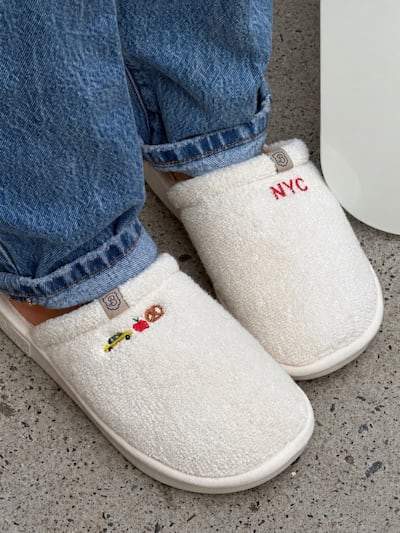
When footwear label Brunch opened its Hamptons pop-up for the third summer this year, it made one major change to the space from previous iterations: A charm station.
The brand, known for slippers, had previously experimented with personalisation in-store, setting up embroidery machines for short stints before rolling out the capability online. The response to those efforts, co-founder Joshua Sitt said, encouraged the company to find new, more creative ways to allow customers to customise their Brunch purchases. Enter the charm bar, a table with a simple setup of multi-coloured laces and beads that could be added to the brand’s loafer and boat mules. Word of the activation quickly spread online; soon, those styles were selling out in the Amagansett pop-up. By the summer’s end, the store’s sales had jumped 75 percent from the previous year — an increase Sitt primarily attributes to the charm bar. So when it opened the doors to its first permanent New York store last month, it was with on-site embroidery and a charm bar — and lines down the block on opening weekend.
“It just takes everything to a second dimension,” said Sitt, who is also a co-founder of apparel label MadHappy. “This is only mine. I’m the only person who has this slipper. It creates this cool factor.”
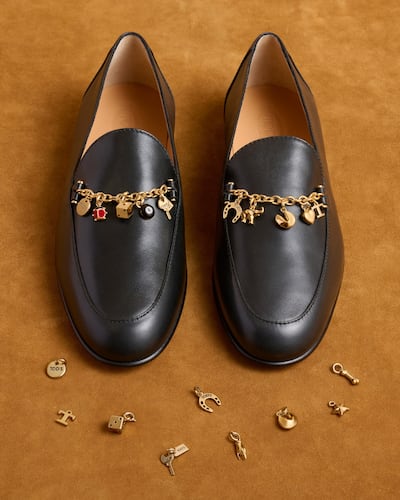
Brunch is hardly alone in recognising the personalisation’s power. Brands of all sizes and prices, from six-year-old New York startup Abbode, which sells $68 makeup bags customers can have embroidered with anything from their name to a custom illustration of their pet, to luxury labels Tod’s, which offers charm-adorned loafers and initial hardware for its bags. Monograms, once synonymous with stodgy matrons and sorority girls in the American South, are now the ultimate logo — the shopper’s own.
ADVERTISEMENT
Tired of traditional status symbols and logos that have become synonymous with wealth and consumerism, consumers are increasingly gravitating toward products that signal a deeper meaning. This shift has propelled a boom in logos from if-you-know-you-know brands, such as merch from luxury hotels or members clubs. Personalisation takes it a step further, allowing shoppers to hand select a logo that’s all their own.
The business opportunity is enormous. Abbode’s business has more than doubled revenue every year since 2022, and is on track to triple sales to $12 million this year. Personalised products work equally as well as gifts as they do self-purchases. Even a simple customisation allows brands to essentially multiply their SKUs without developing products. Setting up customisation stations in store, too, encourages customers to linger and helps them develop a deeper connection with the brand.
“Everyone wants to be the same but different,” said Paul Lorraine, president and CEO of Longchamp USA, the French accessories brand that’s currently running a customisation pop-up at the 59th street Bloomingdale’s flagship, an activation that will open in five more cities, including Hong Kong and Melbourne, before the year’s end. “That’s what personalisation does — people can wear the same product and carry it with confidence.”
During a recent visit, he saw customers smiling, inputting their designs on the row of pastel-coloured customisation kiosks designed to look like slot machines. “We’re creating memories. You see it in the moment.”
Fashion faces an existential problem: what used to be the most coveted products are now so ubiquitous on social media that their allure and air of exclusivity have all but disappeared.
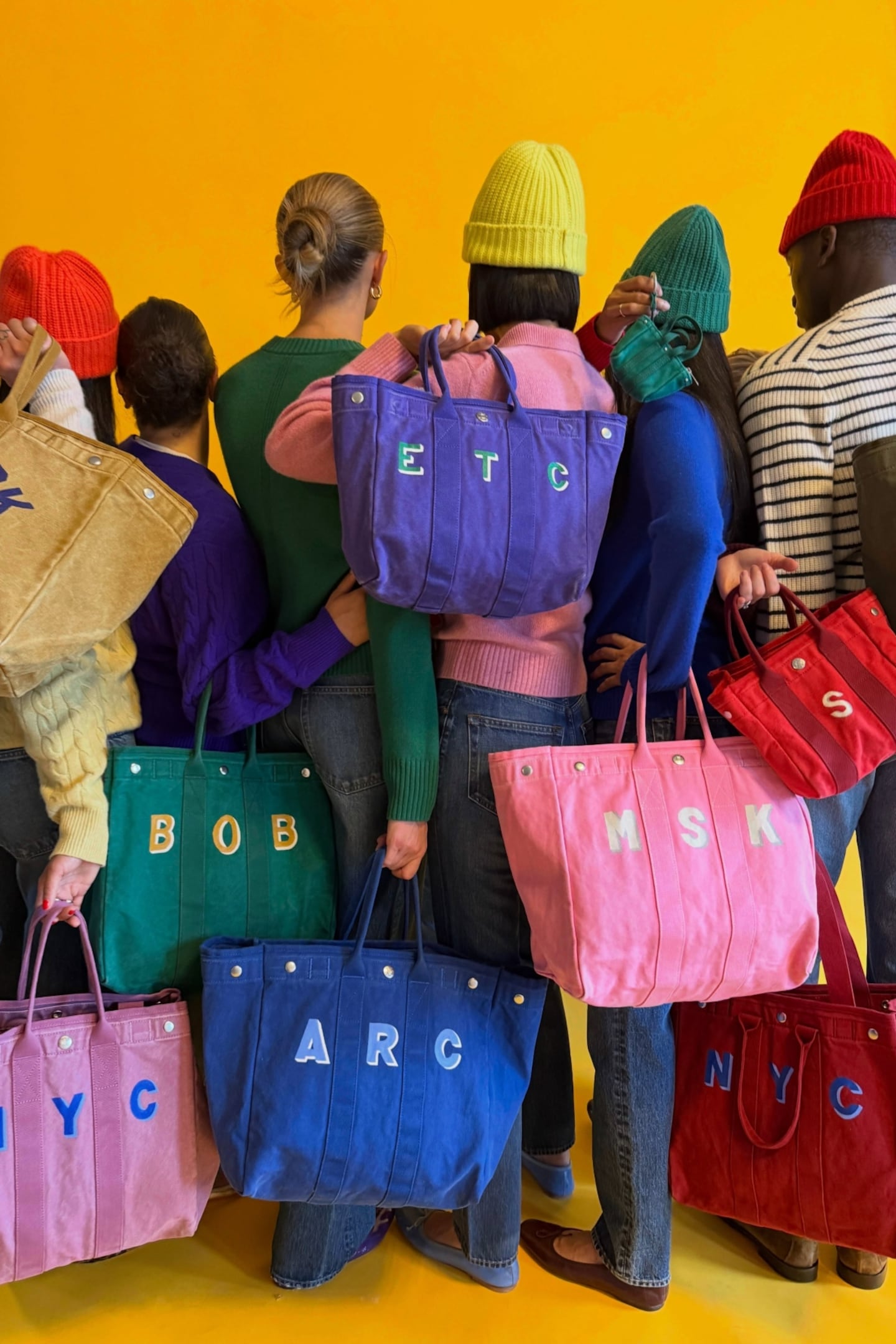
Personalisation can offer an antidote: an item that’s entirely unique to the wearer. Two people can have the same Alex Mill tote, for instance, but their initials ultimately make the bag their own. Amid a swell of AI backlash, too, these items carry signs of visible handiwork, whether it’s painting, sewn-on patches or embroidery. To boot, if it’s done in store, the buyer gets to watch the process unfold themselves.
“A hand-painted monogram is dupe-proof,” said Alex Mill founder Alex Drexler.
For Gen Z, in particular, there’s a desire to be “different from the algorithms that we’ve grown up with,” said Nabihah Ahmad, content creator and founder of shopping platform Ssqrd. She said that brands that offer personalisation see 300 times higher conversion than those that don’t. It also gives shoppers a way to flex their creativity — there’s an “arts and crafts” element to it that strikes a nostalgic chord, said Sitt.
ADVERTISEMENT
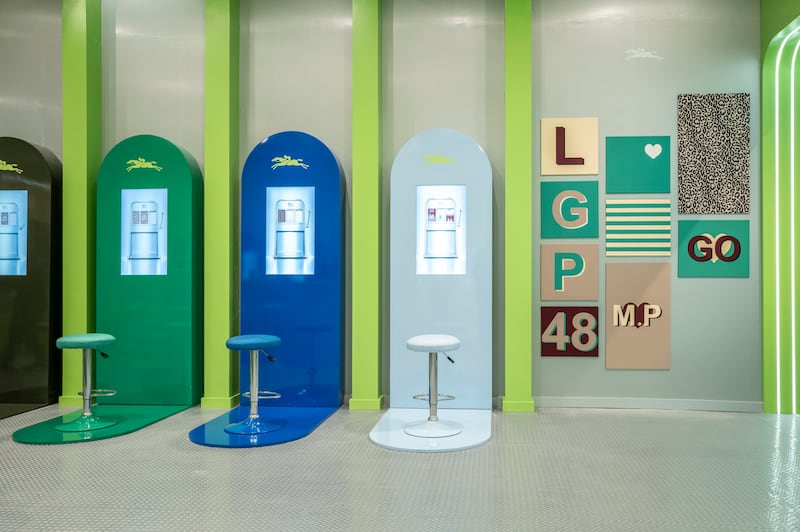
Longchamp’s Bloomingdale’s pop-up allows customers to design a custom monogram and colour configuration for the brand’s signature nylon Le Pliage totes. Lorraine said it’s a way to inject newness into a hero product that many customers already have in their closets. That emotional tie to the original item, in turn, he said, becomes stronger. The pop-up exceeded its three-week sales projection in just nine days, according to Bloomingdale’s. Longchamp put the My Pliage programme at the centre of its latest campaign, too.
That desire to create an emotionally resonant moment has led a number of brands to invest in personalisation options beyond simple monograms. Sometimes, that’s to create a memory, others, it’s about self-expression. Ralph Lauren, for instance, sold custom US Open patches at its shop on-site at the tournament, while Alex Mill offered nautical-themed tote paintings at its Martha’s Vineyard pop-up. Beyond charms, Brunch offers slipper monogramming and small embroideries of objects like a tennis ball or hot dog.
And while personalisation is certainly having a moment, a customised piece is always a long-term investment. Your initials, or a special marker of your favourite cocktail or beloved pet, is likely to outlast any trend cycle.
As brands search for ways to convince customers to linger in their stores and hopefully, purchase more, Sitt said he sees in-store personalisation as the next evolution of the in-store coffee shop.
“You walk into a store and if there’s nothing to talk about, they look at the product and walk out,” he said. “But with customisation, you start chatting. They connect more deeply with the brand because they connect with the people, and they build more curiosity around everything that we’re doing.”
To pull it off requires more out of store employees, who won’t just be making product recommendations or handling customer transactions, but helping them with design, too. At jewellery label Monica Rich Kosann, which offers a wide range of personalisation options, from engraved lockets to charms bearing a favourite quote or poem, associates are an integral part of the design process, particularly when it comes to designing a gift for a loved one.
“We are almost like therapists,” the brand’s eponymous founder said of her team.
Then there’s the logistical hurdles of offering personalisation at scale. Sitt said that when the brand first began offering embroidery online, the volume of orders rose so fast that production couldn’t keep up. The experience, he said, “scarred us to a point where we almost said that we should never do embroidery digitally again.” Since then, the brand has moved to a new fulfillment centre where embroidery is applied on site, said Brunch co-founder Daniel Sitt.
ADVERTISEMENT
These changes can require a bigger team, or just more attention to detail. As Alex Mill’s totes have grown in popularity, the brand has stuck with hand-painting, but has employed more artists in New York City to do so. Abbode is opening a new, larger store in Soho to handle more same-day turnarounds, but co-founder Abby Price said around big moments like the holidays, the business must be conscious of the timeline for online orders too. By early November, it had already started its annual “Pink Friday” sale.
The payoff will be worth it.
“When everything is accessible, people are more influenced by emotion,” said Price. “When you see something that speaks to you, you’re willing to wait or spend that extra premium on it.”
Even in the age of minimalism, shoppers still love logos — but many are trading big brands’ monograms for niche merch.
Six retailers featured on BoF’s list of The Best Fashion Stores in the World shared what goes into operating a compelling multi-brand boutique today, from fostering repeat customers to offering discovery that runs deeper than curation.
A crop of brands founded in 2016, including Dôen, La Ligne and Cinq à Sept, steered clear of the once-dominant growth model that led direct-to-consumers darlings like Everlane to bust in favour of a more sustainable approach.

Diana Pearl is US Editor at The Business of Fashion. She is based in New York and drives BoF’s marketing and media coverage.
Loading recommended reads…
At the 2026 Cotton USA Summit, BoF’s Nick Blunden and McKinsey & Company’s Rushan Guan outlined four shifts reshaping fashion demand, and what they mean for the businesses that grow, spin and source cotton.
Brands have access to more data than ever, but too often they’re focusing on conversation volume and not getting a complete picture of how top-of-funnel awareness translates to sales. Executives need a unified playbook that ties cultural buzz to commercial growth.
Makeup, skincare and body care labels are tapping cult franchises like "The Hunger Games" and "Harry Potter" to find cultural resonance. But translating audience obsession into sales isn’t as easy as it seems.
The Italian jeweller helped boost the international profile of his family’s business with bold use of colourful gemstones, attracting celebrity clients including Sophia Loren and Elizabeth Taylor.