Agenda-setting intelligence, analysis and advice for the global fashion community.
Agenda-setting intelligence, analysis and advice for the global fashion community.

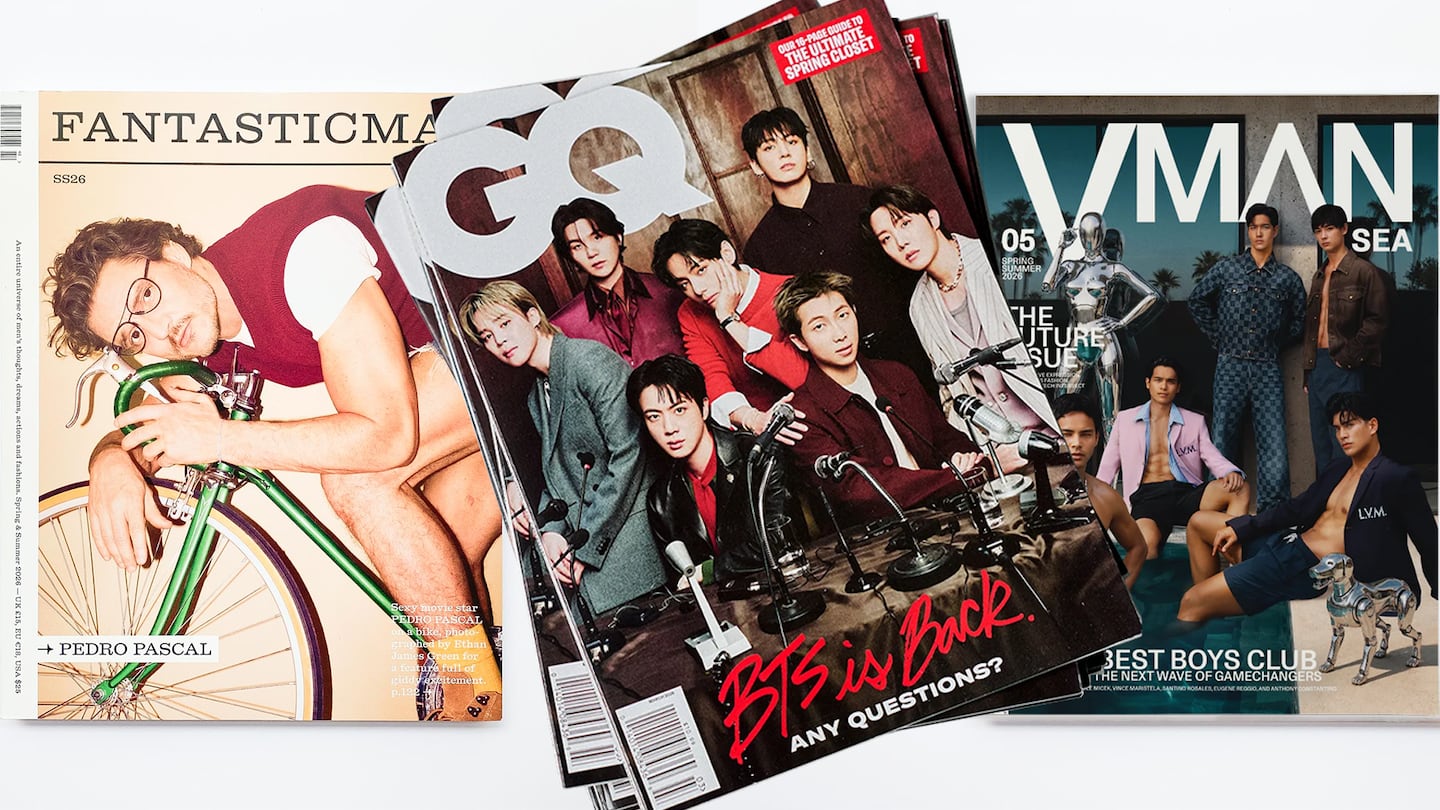
New York’s announcement last month that it would launch a new standalone men’s style magazine seemed at first glance like defiance of one of fashion’s most relentless trends.
For years, fashion publications have largely pared back their print issues, or given them up entirely. Legacy women’s titles like Glamour and Allure went digital only years ago. Even Vogue revealed last year that, beginning in 2026, it will release just eight issues annually. While there’s the occasional magazine like Nylon that’s returned to print, as circulation falls and ad dollars decline, the overall trajectory has been fewer issues, not introducing new ones.
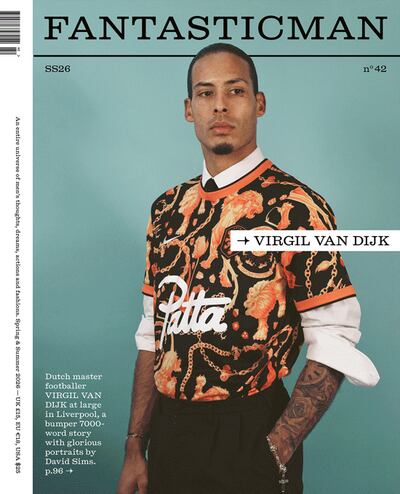
New York hasn’t yet decided how many print issues it will release of its new men’s style magazine, anticipated to arrive this autumn, but it’s also not the only title pushing back against this current. Even as GQ, the category’s best-known title, has reduced its print issues, newly minted men’s editions of fashion outlets such as 10 and regional editions of glossies such as Fantastic Man and Esquire addressing emerging menswear markets globally have continued to spring up.
“Over 10 years ago, I didn’t see that many places in the media ecosystem that were catering to me,” said Samuel Hine, who after a decade at GQ was named the new senior men’s style editor at New York, where he will write a newsletter and contribute to the new men’s style magazine. “Ten years later, the landscape is much different. There are a ton of outlets that cater to the men’s style and men’s fashion enthusiasts.”
ADVERTISEMENT
Menswear media is booming as guys globally pay more attention to style, driven by everything from shifting gender norms that have made it more acceptable for them to care about fashion to the rise of athletes as style icons. Substack, TikTok and Instagram are simultaneously fostering interest in menswear by birthing hundreds of independent content creators who were once only able to have influence with a byline at a legacy media title or on a niche blog such as “Four Pins.”
“Now, people can rapidly go from relative obscurity to popularity in short order,” said Jake Woolf, a former GQ and “Four Pins” staffer who recently embraced being an independent content creator, garnering a following of over 450,000 followers across TikTok, Instagram, Substack and X.
Traditional glossies are competing against these creators for attention and betting they can succeed by leveraging their access and authority to dig deeper into the industry beyond service-oriented journalism on how men should dress. At the same time, they’re taking notes from creators by embracing the personality-driven perspectives that show up in new media platforms such as newsletters and vertical social videos. They’re also trying to win readers by dialling into the nuances of how menswear shows up region to region across the globe.
“The more voices that participate in the men’s space, the better,” said Hine. “It’s inspired me and a lot of other people in legacy media to think hard about how we package the journalism we’re doing, leverage the access and authority that we have and create content that is going to reach these people, who maybe don’t subscribe to magazines or newsletters and instead get most of their news through TikTok or other social media.”
The changes in media over the years create a daunting challenge for magazines. Even those that come out regularly are vying for attention against creators who are publishing constantly and often have loyal audiences.
“We’re in a creator economy where instead of people having a favourite magazine, they have their favorite creators or newsletters whose output they admire,” said Jian DeLeon, Nordstrom’s men’s fashion director, who singles out creators such as Woolf and Substacks like “Blackbird Spyplane” as being highly influential, alongside emerging blogs such as Sabukaru and Instagrammers like Hidden.NY.
DeLeon, who originally broke into the menswear space by writing for blogs such as “Four Pins” and heading editorial for magazines like Highsnobiety, believes that pop culture shapes his decisions as a buyer but menswear media ultimately affirms shoppers’ decisions. But he also thinks there are too many content creators that position themselves as “experts” but just dish out regurgitated style advice without offering a deeper level of knowledge about the category.
For Hine, that gap presents an opportunity. He argues that since much of online menswear content is centred on shopping and service-oriented advice, focusing instead on in-depth stories that define what contemporary menswear looks like today can offer a point of distinction. He aims to not only break news but also use New York’s authority to profile key industry figures.
ADVERTISEMENT
The access that print titles get can be hard for internet personalities to compete with. Woolf pointed out that legacy magazines can tap major celebrity talents, writers and photographers that most content creators will never be able to.
“A lot of shoots and interviews wouldn’t happen if it wasn’t for paper [magazines],” said Gert Jonkers, co-founder of the Netherlands-based menswear magazine Fantastic Man, a title historically known for long-form profiles on the biggest menswear stars rather than buying guides. “Pedro Pascal wouldn’t do the shoot if it was [only] for Instagram.”
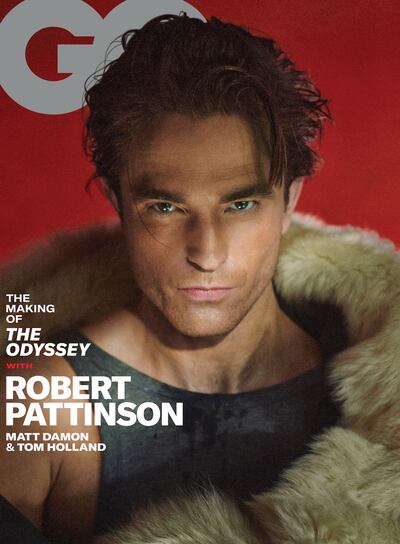
Even as GQ has contracted, announcing in February that it would reduce printing from eight to six issues a year, its 2026 covers have featured blockbuster talents such as BTS, Jay-Z and the cast of Christopher Nolan’s upcoming movie, “The Odyssey.”
That helps them stay relevant and drive traffic. Sources close to GQ said, in a standard month, the publication still brings in 22 million to 23 million global visitors to its website.
Magazines still play an important role in cementing trends and taste more broadly. Granted that Woolf creates service-oriented men’s content centred on shopping, he believes his take on it performs well because he leverages having access to stores in New York, bringing in a “psychotic level” of real-world testing for product recommendations and leveraging personal authority that comes from having a decade of experience working for legacy men’s publications.
But while print publications have these advantages, they’re still competing in a media landscape that’s become increasingly fragmented into niches where audiences want to hear from people that speak specifically to their interests.
That’s propelled the rise of independent content creators like Woolf, who said what people are seeking out from menswear voices today is “authenticity, relatability and honesty” rather than another monolithic publication putting down a stamp of approval.
For magazines, that can mean not trying to be everything to everyone, but rather finding their audience and leaning into the personality-driven style that has made many online creators successful. Hine, who became a well-known figure in menswear during his time at GQ, is bringing that approach to New York. He plans to publish a weekly menswear newsletter and write stories that delve into his personal taste beyond fashion. His first published article for the magazine is a review of photographer Ryan McGinley’s first solo exhibition, rather than an article about fashion.
ADVERTISEMENT

The aperture for menswear coverage is also widening, even at a publication like New York that’s historically been defined by a local perspective. Hine said he’s thinking about how he can shape the magazine’s perspective of menswear for a global audience beyond the US. At GQ, Iraqi-Australian editor Adam Baidawi took the head role as global editorial director in February, marking the first time a non-American has held the title’s highest position. Baidawi brings in years of worldly experience from running GQ’s global editions, telling The New York Times earlier this year that his aspiration is for the magazine to be “more participatory in the cultural and political debates of our time.”
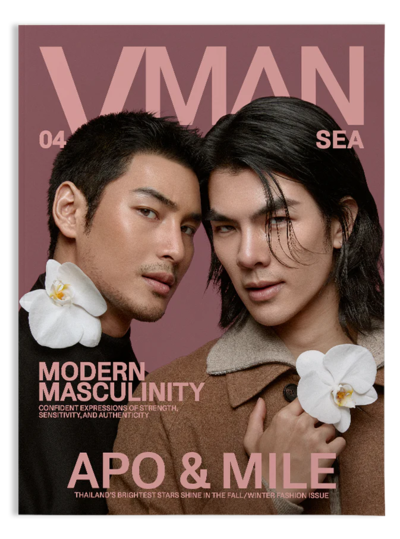
Additionally, understanding those global nuances of a growing global menswear market will become key to expanding coverage into new territories with audiences who have historically not been adequately addressed by men’s magazines largely based in the West. Dayne Aduna, an associate editor for VMAN’s first international edition, launched in 2024 in Southeast Asia, believes men’s magazines have recently taken greater interest opening regionally focused editions in Asia because they’ve recognised the continent isn’t monolithic.
“The reality is that every market has its own cultural ecosystem: celebrities, spending habits and relationship with fashion,” said Aduna. Menswear consumers in Muslim countries such as Malaysia, for instance, lean into modest dressing, whereas those in Vietnam embrace global luxury but also strongly support local designers due to the country’s reputation as a clothing production capital.
Despite scepticism around the viability of print within a media ecosystem that exists at the mercy of social-media algorithms, Aduna believes the editorial judgement and quality promised by glossy magazines have become all the more valuable.
“Audiences don’t necessarily need another source telling them what happened; they want someone to help them understand why it matters, ” said Aduna.
Legacy titles and digital upstarts alike are flailing at a time when influencers are more powerful than ever. Refinery29 is the latest publication betting that joining forces will help them both succeed in the future.
Just over two years after taking over at WSJ., Sarah Ball said the publication’s monthly subscriptions have more than quadrupled. Her content strategy has focused on expanding the magazine’s focus on wealth and luxury to a wider audience.
In a move towards brand consolidation, Condé Nast CEO Roger Lynch announced closure of the digital-only health title as well as several international Glamour editions.

Lei Takanashi is a Correspondent at The Business of Fashion (BoF). He is based in New York City and covers menswear, streetwear, young consumer trends, and the intersection between fashion and culture.
Loading recommended reads…
Inditex is leaning on high-profile designers, larger stores and pricier furniture to give Zara Home a distinctive identity and position Zara as a more premium brand. But turning design cachet into lasting pricing power is not so easy.
Brands like Evereve, Ulla Johnson and Frances Valentine are courting older shoppers with spending power and brand loyalty, without sacrificing their youth appeal.
Rather than chasing viral spectacle, brands from Chloé to Prada are stripping back their marketing to prioritise their core DNA.
Most stores in the Via Montenapoleone luxury shopping district, home to brands including Chanel, Tiffany and Dior, removed merchandise from their windows as a precaution.